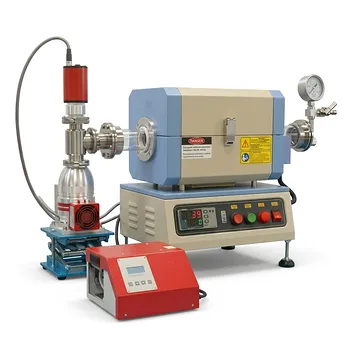
Why must a vacuum system be configured for high-temp wettability tests on Al 6061? Ensure True Surface Data Integrity.
Updated 3 months ago
Configuring a vacuum system is essential because aluminum alloys are extremely reactive with oxygen at elevated temperatures. During high-temperature wettability testing of Al 6061 composites, a vacuum environment (often as low as 2.5 Pa) prevents the formation of secondary oxide layers on the specimen. Without this protection, the measured contact angle would represent the properties of an oxide film rather than the true surface energy and chemical topology of the composite itself.
Core Takeaway: A vacuum system acts as a critical safeguard against atmospheric contamination, ensuring that experimental data reflects the intrinsic material properties of the Al 6061 composite rather than a surface oxide scale.
The Role of Oxidation in Surface Science
Preventing the Formation of Secondary Oxide Films
Aluminum alloys like 6061 naturally form a thin, dense oxide layer at room temperature, but high-temperature testing accelerates this process significantly. A vacuum system removes the oxygen necessary for secondary oxidation, which would otherwise thicken the surface layer during the heating cycle.
Ensuring Data Integrity in Contact Angle Measurements
Wettability is defined by how a liquid interacts with a solid surface, a relationship dictated by surface energy. If an oxide film forms during the test, the liquid droplet sits on the oxide rather than the composite, leading to inaccurate contact angle data that obscures the material's real performance.
Maintaining Chemical and Topological Accuracy
To understand how a composite will behave in real-world applications, researchers must measure its chemical topology in its pure state. A high-vacuum environment preserves the specific arrangement of atoms and alloying elements at the surface, allowing for a precise "true" measurement.
Technical Challenges of High-Temperature Testing
Removing Residual Oxygen and Reactive Gases
Even small amounts of residual oxygen can ruin a test at temperatures exceeding 500°C. High-vacuum pumps are employed to eliminate these gas molecules, creating an environment where active alloying elements like aluminum, titanium, or chromium cannot form continuous oxide films.
Facilitating Atomic Diffusion
In processes related to wettability, such as diffusion bonding or sintering, the absence of an oxide layer is a prerequisite for atomic diffusion. By maintaining an oxide-free interface, atoms can migrate across boundaries more effectively, which is essential for achieving a high-quality metallurgical bond.
Managing Thermal Transfer and Component Longevity
Beyond protecting the sample, a vacuum system removes convective heat loss by eliminating gas molecules. This ensures that heat is transferred primarily through radiation, which also protects the furnace's internal heating elements from oxidative degradation at extreme temperatures.
Understanding the Trade-offs
Vacuum Level vs. System Complexity
While a higher vacuum (e.g., $10^{-5}$ mbar) provides better protection, it requires more expensive and complex pumping systems. For many Al 6061 tests, a moderate vacuum of 2.5 Pa or 10⁻² torr is sufficient to prevent significant oxidation, but researchers must balance the cost of the equipment against the required purity of the data.
Outgassing and Volatile Elements
At high temperatures and low pressures, some alloying elements in the composite may begin to outgas or evaporate. This can potentially change the surface composition of the Al 6061 or contaminate the furnace sensors, requiring a careful balance between vacuum depth and temperature duration.
How to Apply This to Your Project
Making the Right Choice for Your Goal
- If your primary focus is fundamental surface energy research: Maintain a vacuum of at least 2.5 Pa to ensure that secondary oxidation does not interfere with contact angle readings.
- If your primary focus is high-strength diffusion bonding: Utilize a higher vacuum range ($10^{-4}$ to $10^{-5}$ mbar) to completely eliminate the oxide barrier and allow for maximum atomic migration.
- If your primary focus is testing refractory-heavy composites: Ensure the vacuum system is integrated with real-time monitoring to prevent oxidative embrittlement at temperatures above 1200 K.
By strictly controlling the atmospheric conditions, you ensure that your material characterization is both repeatable and representative of the composite's true engineering potential.
Summary Table:
| Key Factor | Impact on Al 6061 Testing |
|---|---|
| Primary Risk | Rapid secondary oxidation at temperatures >500°C |
| Vacuum Level | Recommended 2.5 Pa (10⁻² torr) or lower |
| Data Accuracy | Prevents oxide films from distorting contact angle results |
| Material Physics | Preserves chemical topology and surface energy |
| R&D Benefit | Facilitates clean atomic diffusion for superior bonding |
Elevate Your Material Research with THERMUNITS
Precise control over atmospheric conditions is the difference between experimental failure and breakthrough innovation. As a leading manufacturer of high-temperature laboratory equipment, THERMUNITS provides the advanced thermal processing solutions required for high-accuracy material science and industrial R&D.
Whether you need Vacuum Furnaces, Atmosphere Furnaces, or Hot Press systems, our equipment is engineered to eliminate oxidative contamination and ensure data integrity for Al 6061 and other reactive composites. Our comprehensive range also includes:
- Specialized Furnaces: Muffle, Tube, Rotary, and Dental Furnaces.
- Advanced Systems: CVD/PECVD systems, Electric Rotary Kilns, and Vacuum Induction Melting (VIM) Furnaces.
- Support: High-quality Thermal Elements and custom heat treatment accessories.
Don't let oxidation compromise your results. Partner with THERMUNITS for reliable, high-performance laboratory solutions tailored to your specific research goals.
Contact Our Engineering Team Today
References
- Vipin Sharma, Shalom Akhai. CHARACTERIZATION OF Al 6061/Al2O3/SiC COMPOSITES WITH CERIUM OXIDE: CORROSION ANALYSIS AND MICROSTRUCTURAL INSIGHTS. DOI: 10.62753/ctp.2024.07.1.1
Mentioned Products
- Induction Heating System with Temperature Control for High Temperature Vacuum Sintering and Melting
- 2500C High Vacuum Ultrafast Heating Pellet Press with Automated 8 Sample Loading System
- High Temperature Hybrid Muffle and Tube Furnace with Vacuum Capability and PID Control
- High Temperature 1000C Vacuum Furnace with 8 Inch ID Chamber for Material Sintering and Research Annealing
- Vertical Vacuum Furnace 1100C High Temperature 8 Inch Quartz Chamber Water Cold Flange System
People Also Ask
- What is the role of a vacuum induction melting furnace combined with a water-cooled copper mold? Mastering RHEA Purity
- Explain the physical principle behind heat generation in a Vacuum Induction Melting (VIM) furnace: A Technical Guide
- Why is a VIM furnace essential for high-purity alloys? Achieve unmatched metal purity and structural integrity.
- Why is Vacuum Induction Melting preferred for manufacturing corrosion-resistant alloys? Ensure Ultra-High Purity
- How does Vacuum Induction Melting mitigate hydrogen embrittlement? Ensure Structural Integrity for Critical Alloys

Tech Team · ThermUnits
Last updated on Jun 03, 2026
Related Products
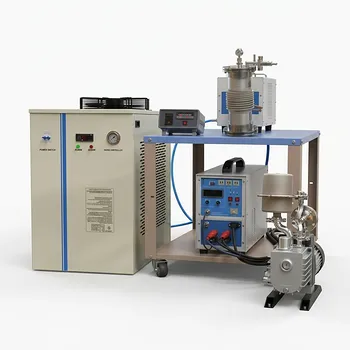
Induction Heating System with Temperature Control for High Temperature Vacuum Sintering and Melting
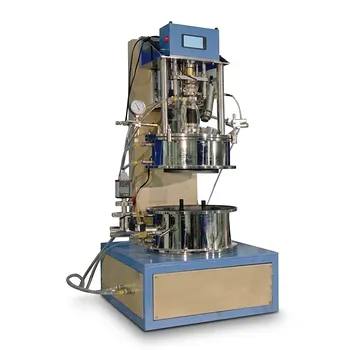
2500C High Vacuum Ultrafast Heating Pellet Press with Automated 8 Sample Loading System
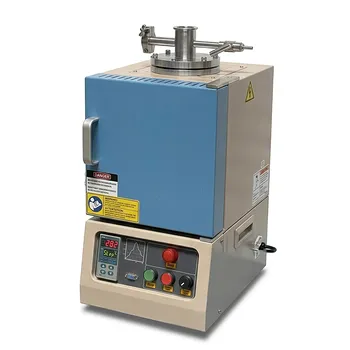
High Temperature Hybrid Muffle and Tube Furnace with Vacuum Capability and PID Control
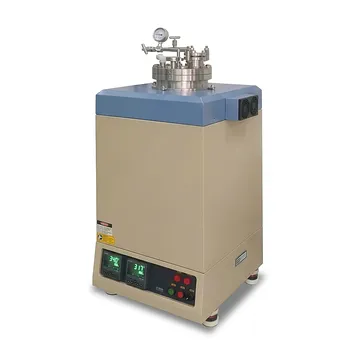
High Temperature 1000C Vacuum Furnace with 8 Inch ID Chamber for Material Sintering and Research Annealing
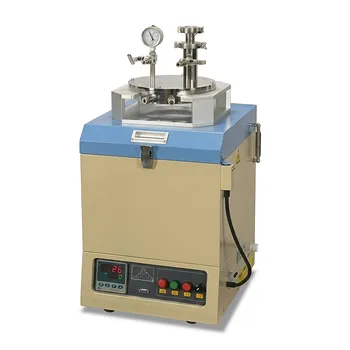
Vertical Vacuum Furnace 1100C High Temperature 8 Inch Quartz Chamber Water Cold Flange System
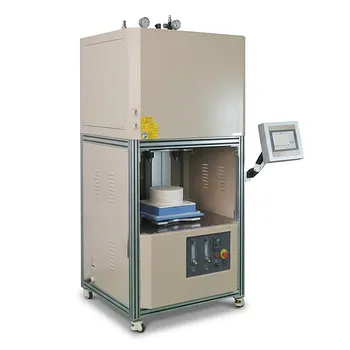
High Temperature Vertical Atmosphere Controlled Furnace 1700C Automatic Bottom Loading 13 Liter Vacuum Thermal System
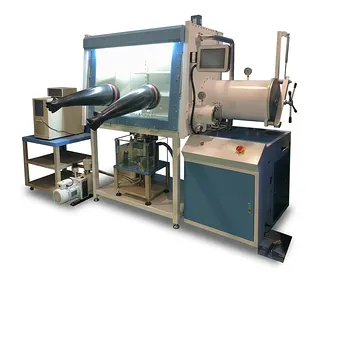
High Temperature Induction Melting System with Integrated Ultra High Purity Glove Box for Metallic Alloy Processing
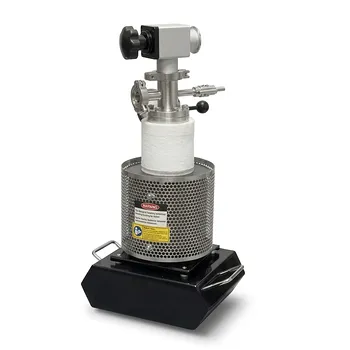
High Temperature 1100C Compact Top Loading Vertical Vacuum Tube Furnace for High Vacuum Noble Metal Melting and Material Research
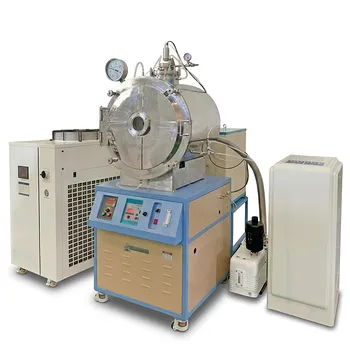
Ultra High Temperature Induction Heated Vacuum Furnace with Molten Salt Electrolysis Capability and 3000 Degree Precision Control
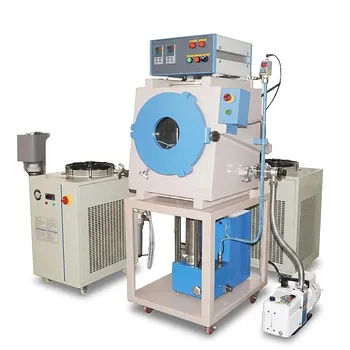
High Temperature Vacuum Lamination Hot Press Furnace Machine for Semiconductor Wafer Bonding and Advanced Composite Thermal Processing
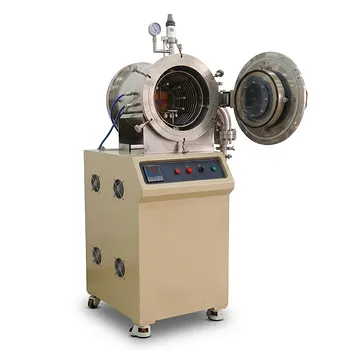
High Temperature Cold Wall High Vacuum Chamber Furnace 1400C for Advanced Material Processing
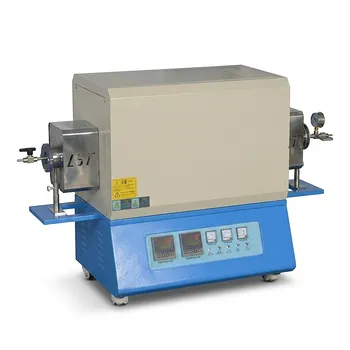
High Temperature Dual Zone Vacuum Tube Furnace for Material Research and CVD Processing
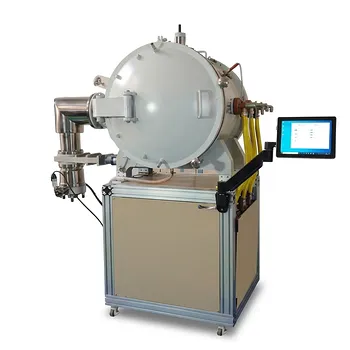
High Temperature Cold Wall Vacuum Furnace for Advanced Material Sintering and Annealing 1600C Heating Area 200x200x300mm
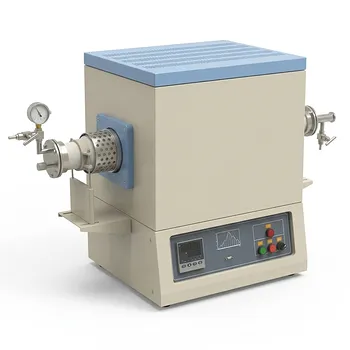
1750°C High Temperature Benchtop Vacuum Atmosphere Tube Furnace with Kanthal Super 1800 Heating Elements and 60mm Alumina Processing Tube
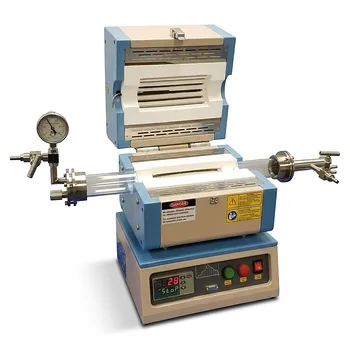
Compact Split Tube Furnace with Integrated Vacuum System and Precision Temperature Calibrator
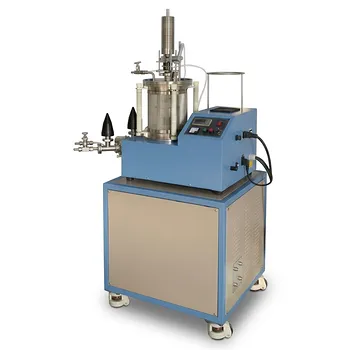
Ultrafast Thermal Pressing Furnace 2900C Max Temperature 200K per Second Heating Rate Vacuum Atmosphere Rapid Processing System
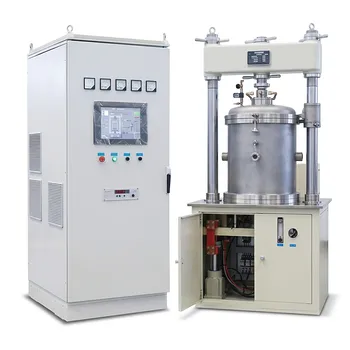
Industrial Vacuum Hot Press Furnace Machine and High Temperature Heated Vacuum Press for Advanced Material Sintering
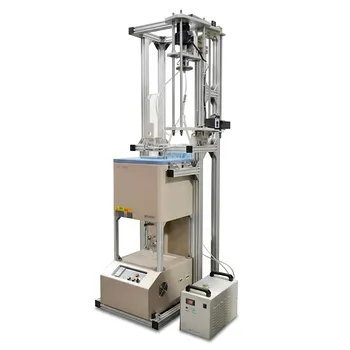
500C Vacuum Vertical Tube Furnace 84mm OD Sample Rotation Lifting System
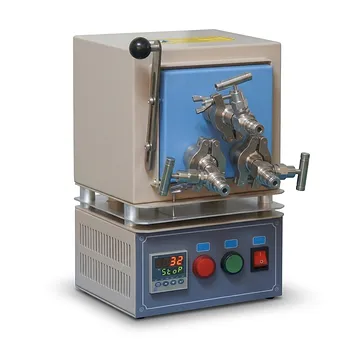
Triple Tube Compact Hybrid Muffle Furnace 1000C High Vacuum Thermal Processing System