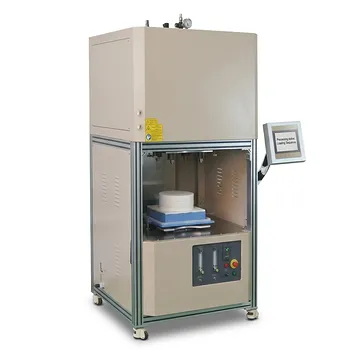
How does a high-temperature tube furnace ensure product uniformity in pitch-based material pre-carbonization?
Updated 3 months ago
A high-temperature tube furnace ensures product uniformity through the integration of precise temperature control and a stable inert gas environment. By maintaining a consistent thermal field and regulating the heating rate, the furnace facilitates uniform polycondensation reactions and controlled volatile release, which prevents structural defects across the entire sample batch.
The core of product uniformity in pre-carbonization lies in the furnace's ability to synchronize thermal distribution with chemical reaction kinetics. By eliminating temperature gradients and oxidative interference, the tube furnace creates a repeatable environment where every part of the material undergoes identical structural transformation.
The Foundation of Thermal Field Uniformity
Precision Temperature Control Systems
The primary mechanism for uniformity is the furnace’s ability to maintain a uniform thermal field over extended periods. High-quality tube furnaces use advanced PID controllers to ensure that the temperature remains stable, often during three-hour constant-temperature soaking phases. This stability allows for thorough and consistent polycondensation reactions, establishing a uniform microstructural foundation before the material moves to the graphitization stage.
Management of Heating Rates
Uniformity is not just about the final temperature but how the material arrives there. Controlling the heating rate—typically at a slow pace like 2 °C/min—is essential for pitch-based materials. This gradual increase ensures that heat penetrates the core of the material at the same rate as the surface, preventing internal thermal stresses.
Chemical Stabilization via Inert Atmospheres
Prevention of Oxidative Loss
The use of a strictly controlled inert environment, typically using nitrogen (N2) or argon, is critical for maintaining chemical uniformity. By purging oxygen, the furnace prevents localized oxidation which would otherwise lead to "pitting" or uneven mass loss. This ensures the yield and chemical stability are consistent across the entire surface of the carbon framework.
Facilitating Gaseous Diffusion
The tube furnace’s design allows for a continuous flow of inert gas, which is vital for the removal of volatiles such as dehydration and decarboxylation byproducts. A consistent gas flow prevents the localized buildup of reaction byproducts. This ensures that the chemical potential remains uniform across the furnace tube, promoting even carbon chain reorganization.
Structural Integrity and Volatile Management
Controlled Outgassing of Pitch Binders
During pre-carbonization, pitch binders undergo thermal decomposition, releasing volatile matter. The furnace ensures uniformity by providing a stable kinetic environment that allows for the slow and steady release of gases. This prevents the formation of internal cracks or large, uneven pores caused by rapid gas escape, maintaining the mechanical strength of the resulting carbon block.
Transformation of Molecular Structures
At temperatures often exceeding 800 °C to 1000 °C, the furnace facilitates the elimination of non-carbon elements and the reorganization of carbon chains. In materials like carbon fibers or composite membranes, this precise environment ensures that the organic precursors transform into a rigid carbon network or pseudo-graphitic structure with consistent interlayer spacing.
Understanding the Trade-offs
Thermal Gradients and Tube Geometry
While tube furnaces provide excellent radial uniformity, longitudinal uniformity can be a challenge near the tube ends. The temperature may drop significantly toward the seals, meaning that the "constant temperature zone" is shorter than the physical length of the furnace. Users must carefully place samples within this specific zone to avoid "gradient defects" in their products.
Gas Flow Velocity vs. Temperature Stability
Increasing the flow of inert gas helps remove volatiles more effectively but can introduce cold spots if the gas is not pre-heated. Excessive flow rates can disrupt the thermal equilibrium of the furnace. Achieving a balance between efficient byproduct removal and maintaining a rock-solid thermal field is a common technical hurdle in high-precision carbonization.
How to Apply This to Your Project
Making the Right Choice for Your Goal
- If your primary focus is mechanical strength: Prioritize a furnace with a high-precision programmer to maintain a very slow heating ramp (1-2 °C/min) to prevent internal micro-cracks.
- If your primary focus is chemical purity: Ensure the furnace has a high-quality vacuum-tight sealing system and use high-purity argon to minimize residual oxygen levels.
- If your primary focus is high throughput: Select a furnace with a longer heating zone or multiple heating zones to maximize the volume of material that can sit within the uniform temperature window.
By masterfully balancing thermal stability with atmosphere control, the high-temperature tube furnace transforms unpredictable organic precursors into highly uniform, high-performance carbon materials.
Summary Table:
| Feature | Mechanism for Uniformity | Benefit to Material |
|---|---|---|
| Temperature Control | Precision PID Regulation | Ensures stable polycondensation and consistent microstructure |
| Heating Rate | Slow Ramp-up (e.g., 2°C/min) | Prevents internal thermal stress and structural cracking |
| Atmosphere Control | Inert Gas (N2/Argon) Purging | Eliminates oxidative mass loss and ensures chemical stability |
| Volatile Management | Regulated Gaseous Diffusion | Maintains mechanical strength by preventing uneven pore formation |
Elevate Your Material Research with THERMUNITS
Achieving perfect uniformity in pitch-based materials requires the highest standard of thermal processing. THERMUNITS is a leading manufacturer specializing in high-performance laboratory equipment for material science and industrial R&D.
Whether you need a High-Temperature Tube Furnace with extended uniform zones, a Vacuum/Atmosphere Furnace, or advanced CVD/PECVD systems, our equipment is engineered to provide the rock-solid thermal stability and atmosphere control your research demands. Our comprehensive range also includes Muffle, Rotary, and Hot Press furnaces, Dental furnaces, Electric Rotary Kilns, and Vacuum Induction Melting (VIM) systems.
Ready to optimize your heat treatment results?
Contact THERMUNITS today to discuss your specific project requirements and find the ideal thermal solution for your laboratory.
References
- Akshay Gharpure, Randy L. Vander Wal. Optimizing Aromaticity for Graphitization. DOI: 10.1021/acsomega.4c02607
Mentioned Products
- High Temperature 1700C Vertical Tube Furnace for Powder Spherification and Material Sintering
- High Temperature Dual Zone Rotating Tube Furnace 1500C Silicon Carbide Heating for Advanced Material Synthesis
- High Temperature 1700C Vertical Split Tube Furnace for Material Quenching and Single Crystal Growth
- Compact High Temperature 1600C Tube Furnace with 50mm Alumina Tube and Vacuum Flanges for Material Sintering
- High Temperature 1200C Split Tube Furnace with Optional Quartz Tube Sizes and Vacuum Sealing Flanges for Material Science Research
People Also Ask
- What role does a high-temperature vertical tube furnace play in simulating high-carbon ferromanganese slag formation?
- What functions does a vertical high-temperature tube furnace perform? Master Industrial Sintering & R&D Simulation
- What is the primary function of a high-temperature tube furnace in Cu1-N-C synthesis? Precision Thermal Control.
- High-Temp Tube Furnace Role in Converting Microbial Proteins to Iron Single-Atom Sites: Expert Synthesis Guide
- What impact does the heating rate of a tube furnace have on biochar microstructure? Optimize Your Material R&D.

Tech Team · ThermUnits
Last updated on Jun 02, 2026
Related Products

High Temperature 1700C Vertical Tube Furnace for Powder Spherification and Material Sintering
High Temperature Dual Zone Rotating Tube Furnace 1500C Silicon Carbide Heating for Advanced Material Synthesis
High Temperature 1700C Vertical Split Tube Furnace for Material Quenching and Single Crystal Growth

Compact High Temperature 1600C Tube Furnace with 50mm Alumina Tube and Vacuum Flanges for Material Sintering
High Temperature 1200C Split Tube Furnace with Optional Quartz Tube Sizes and Vacuum Sealing Flanges for Material Science Research
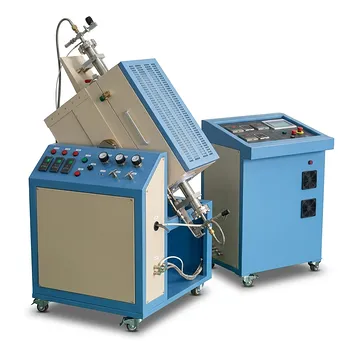
1100C High Pressure Rocking Tube Furnace with 2 Inch Super Alloy Processing Tube for Material Synthesis
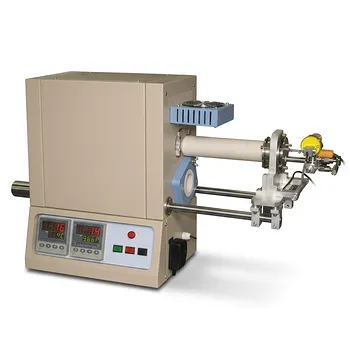
High Temperature Tube Furnace 1500C with Sliding Flanges and 50mm OD for Rapid Thermal Processing Fast Heating and Cooling
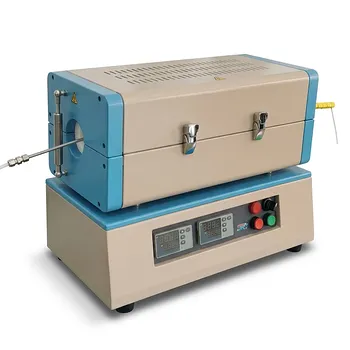
Gas Pre-Heating Tube Furnace for High Temperature Pyrolysis Reactors and Material Science Research

High Temperature Automated 5 Inch Tube Furnace for Autonomous Material Research and Advanced Laboratory R&D

High Temperature 1700C Tube Furnace with High Vacuum Turbomolecular Pump System and Multi Channel Mass Flow Controller Gas Mixer
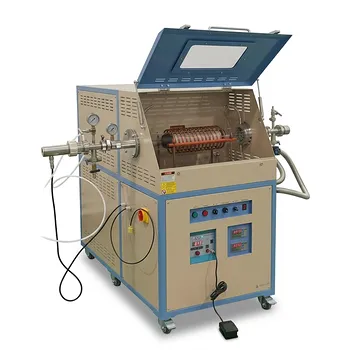
Ultra High Temperature 2300C Induction Heated Graphite Tube Furnace with Infrared Control

1100C Tube Furnace with Vacuum Flange and Programmable Temperature Controller for Material Science and Industrial Heat Treatment
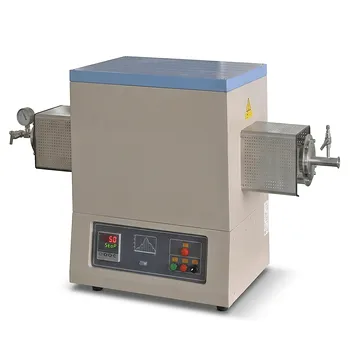
High Temperature 1700C Tube Furnace with 4 Inch OD Alumina Tube and Vacuum Sealing Flanges
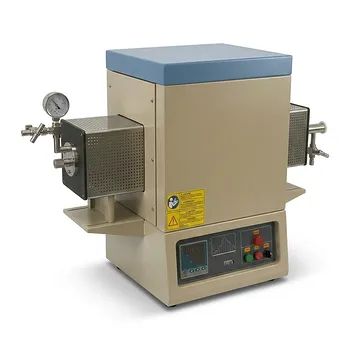
High Temperature 1700C Benchtop Tube Furnace with 5 Inch Heating Zone High Purity Alumina Tube and Vacuum Sealing Flanges
High Temperature 1500C Benchtop Muffle Furnace 3.6L Alumina Fiber Chamber Programmable Controller Sintering Annealing Carbonization Thermal Processing System
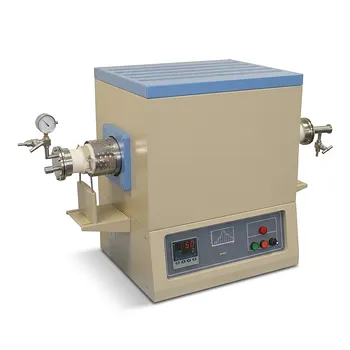
1700C High Temperature Alumina Tube Furnace with 18 Inch Heated Zone and Vacuum Sealing Flanges
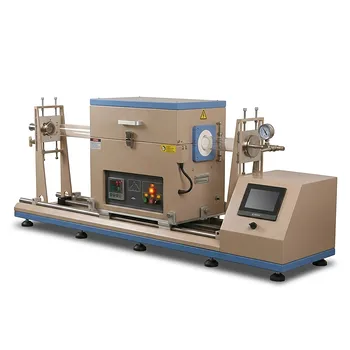
1200C Sliding Tube Furnace for Rapid Thermal Processing and CVD Graphene Growth with 100mm OD Capacity

1800C High Temperature Compact Vacuum Tube Furnace with 60mm OD Alumina Tube and Kanthal MoSi2 Heating Elements
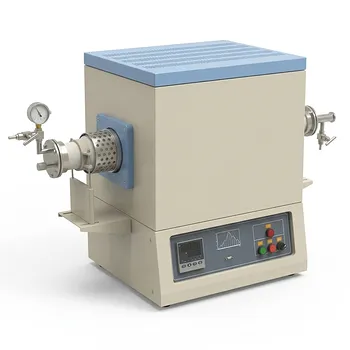
1750°C High Temperature Benchtop Vacuum Atmosphere Tube Furnace with Kanthal Super 1800 Heating Elements and 60mm Alumina Processing Tube