How does a laboratory vacuum pressure system optimize silane penetration into nanoporous carbon? Boost CVD Uniformity.
Updated 3 months ago
To optimize silane penetration into nanoporous carbon, a laboratory vacuum system precisely lowers the total pressure to enhance gas diffusion while simultaneously slowing the reaction rate. This dual mechanism ensures that silane molecules migrate deep into the internal pore structure before reacting, preventing the surface from sealing prematurely with silicon.
Core Takeaway: By operating at reduced pressures, a vacuum CVD system shifts the process from a mass-transport limited regime to a reaction-controlled regime, allowing for uniform silicon deposition throughout the entire depth of a nanoporous carbon substrate.
The Role of Pressure in CVD Kinetics
Enhancing Molecular Diffusion Capacity
At lower system pressures, the mean free path of gas molecules increases significantly. This allows silane molecules to navigate the narrow, tortuous paths of nanoporous carbon with fewer intermolecular collisions, facilitating deeper penetration.
Reducing Reactant Density
Lowering the pressure reduces the number of silane molecules per unit volume within the furnace. This reduction in concentration naturally slows the chemical reaction rate, providing the time necessary for gas to reach the core of the particles.
Establishing a Controlled Reducing Atmosphere
Before the reaction begins, the vacuum system evacuates the chamber to extreme lows—often around $5 \times 10^{-2}$ Torr. This removes residual oxygen and water vapor, ensuring that the carbon substrate remains uncontaminated and the silane decomposes in a pure environment.
Overcoming Surface Blockage in Nanoporous Structures
Preventing Premature Pore Sealing
In high-pressure environments, silane reacts too quickly at the first surface it encounters. This results in "pore clogging," where a thick layer of silicon forms at the entrance of the pore, trapping the internal volume and leaving it untreated.
Achieving Uniform Deposition Depth
The vacuum system enables a "slow and uniform" deposition mode. By balancing the rate at which gas arrives with the rate at which it reacts, the system ensures that the silicon coating is just as thick in the center of the carbon particle as it is on the outer shell.
Maintaining Thermal and Chemical Stability
Modern vacuum systems work in tandem with temperature controls—often maintaining environments around 700°C. This stability ensures that once the silane reaches the deep pores, it decomposes in an ordered manner, resulting in a structurally sound composite material.
Understanding the Trade-offs
Process Speed vs. Coating Quality
The primary trade-off in vacuum-optimized CVD is the sacrifice of throughput for precision. While lower pressures produce superior uniformity and penetration, they also result in slower deposition rates, increasing the total time required for each batch.
Equipment Complexity and Maintenance
Operating under vacuum requires sophisticated pumps, such as rotary vane pumps, and airtight furnace seals. These components require regular maintenance to prevent leaks or oil backstreaming, which could introduce impurities into the sensitive nanoporous carbon.
Pressure Sensitivity
Small fluctuations in pressure can lead to significant changes in deposition morphology. Maintaining a precise "sweet spot"—such as the 180 Torr often used in specific CVD phases—requires high-quality mass flow controllers and pressure transducers.
How to Apply This to Your Project
Recommendations for Optimization
Depending on your specific material goals, your approach to vacuum pressure should vary:
- If your primary focus is maximum pore filling: Operate at the lowest possible pressure to prioritize gas diffusion deep into the carbon matrix, even if it extends the processing time.
- If your primary focus is high-throughput production: Gradually increase the system pressure to find the maximum threshold where surface blockage does not yet occur, balancing speed with quality.
- If your primary focus is material purity: Ensure a rigorous initial evacuation phase to $5 \times 10^{-2}$ Torr or lower to eliminate all traces of moisture and oxygen before introducing silane.
Precise vacuum control transforms Chemical Vapor Deposition from a surface-level coating technique into a powerful tool for engineering complex, deep-structure nanocomposites.
Summary Table:
| Parameter | Effect of Low Pressure | Benefit for Nanoporous Carbon |
|---|---|---|
| Gas Diffusion | Increases mean free path | Deep penetration into narrow, tortuous pores |
| Reaction Rate | Slows decomposition speed | Prevents surface sealing and premature clogging |
| Atmosphere Purity | Evacuates $O_2$ and $H_2O$ | Ensures uncontaminated, high-purity deposition |
| Deposition Depth | Enables reaction-controlled regime | Achieves uniform thickness from core to surface |
Elevate Your Material Research with THERMUNITS
As a leading manufacturer of high-temperature laboratory equipment, THERMUNITS provides the precision and reliability required for advanced material science and industrial R&D. Our state-of-the-art CVD/PECVD systems, Vacuum furnaces, and Atmosphere furnaces are specifically designed to optimize silane penetration and ensure uniform heat treatment for your most complex nanoporous substrates.
From Tube and Rotary furnaces to Hot Press, Dental furnaces, and Vacuum Induction Melting (VIM) systems, we offer a comprehensive range of thermal solutions tailored to your specific requirements. We also provide high-quality Thermal Elements and customized laboratory heat treatment equipment to ensure your project's success.
Partner with THERMUNITS for superior heat treatment solutions—Contact us today!
References
- Zhinan Han, Yuan Yang. Modeling Silane Deposition in Nanoporous Carbon for High-Capacity Si/C Composite Anodes. DOI: 10.34133/energymatadv.0111
Mentioned Products
- Split Chamber CVD Tube Furnace with Vacuum Station Chemical Vapor Deposition System Machine
- Dual Tube 100mm 80mm CVD Sliding Furnace with 4 Channel Gas Mixing and Vacuum System
- Chemical Vapor Deposition CVD System Slide PECVD Tube Furnace with Liquid Gasifier PECVD Machine
- Vertical Openable Tube Furnace 0-1700c High Temperature Laboratory System for CVD and Vacuum Heat Treatment
- Radio Frequency Plasma Enhanced Chemical Vapor Deposition RF PECVD System for Laboratory and Industrial Thin Film Growth
People Also Ask
- Why is a Tube Furnace typically utilized for CVD? Achieve Precision in Graphene and 2D Material Synthesis
- What is the function of CVD furnaces in graphene prep? Enhancing Photodetector Charge Transport
- Why use CVD and a tube furnace for Pd3P0.95/NC catalyst phosphidation? Ensure high phase purity and performance.
- CVD Tube Furnace Advantages for Pd-P Catalyst Durability: Precision Control for 40,000+ Cycles
- How does a Chemical Vapor Deposition (CVD) tube furnace facilitate synchronized nitridation? Precision Nano-Engineering.

Tech Team · ThermUnits
Last updated on Jun 03, 2026
Related Products
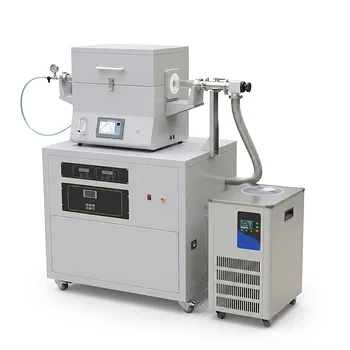
Split Chamber CVD Tube Furnace with Vacuum Station Chemical Vapor Deposition System Machine
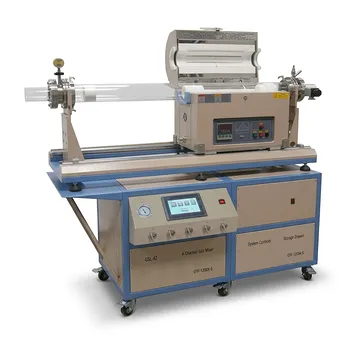
Dual Tube 100mm 80mm CVD Sliding Furnace with 4 Channel Gas Mixing and Vacuum System
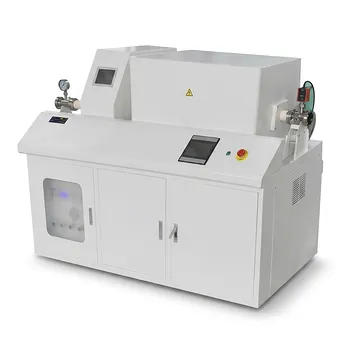
Chemical Vapor Deposition CVD System Slide PECVD Tube Furnace with Liquid Gasifier PECVD Machine
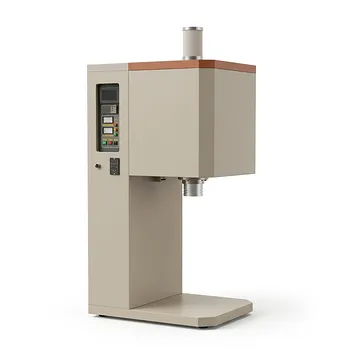
Vertical Openable Tube Furnace 0-1700c High Temperature Laboratory System for CVD and Vacuum Heat Treatment
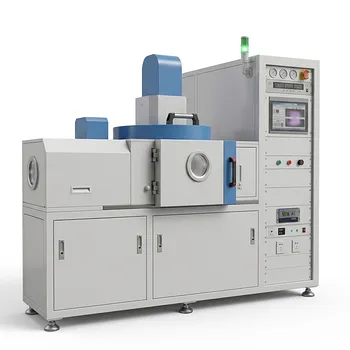
Radio Frequency Plasma Enhanced Chemical Vapor Deposition RF PECVD System for Laboratory and Industrial Thin Film Growth

High Temperature 1700C Tube Furnace with High Vacuum Turbomolecular Pump System and Multi Channel Mass Flow Controller Gas Mixer
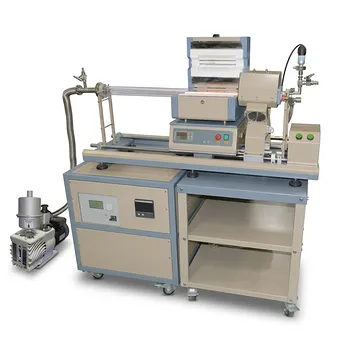
1200C Max Compact Auto-Sliding PECVD Furnace with 2 Inch Tube and Vacuum Pump
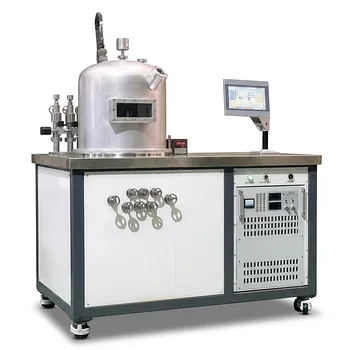
HFCVD Machine System for Nano Diamond Coating on Drawing Dies and Industrial Tools
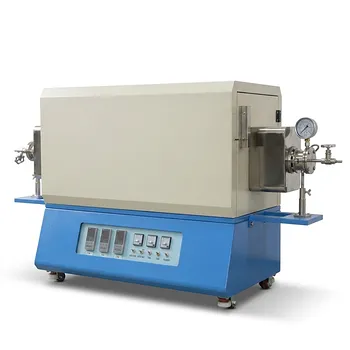
Three Temperature Zone High Temperature Vacuum Tube Furnace for CVD and Material Sintering
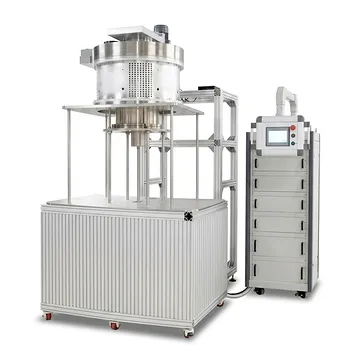
915MHz MPCVD Diamond Machine Microwave Plasma Chemical Vapor Deposition System Reactor
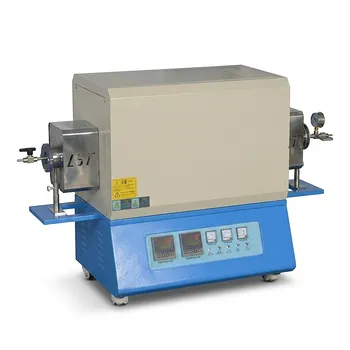
High Temperature Dual Zone Vacuum Tube Furnace for Material Research and CVD Processing
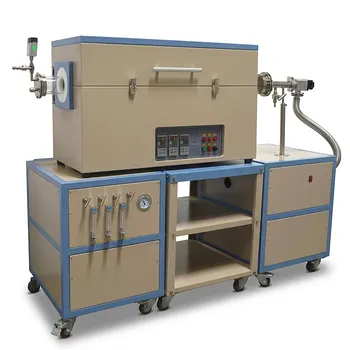
Three Zone Quartz Tube Furnace with 3 Channel Gas Mixer Vacuum Pump and Anti Corrosive Vacuum Gauge
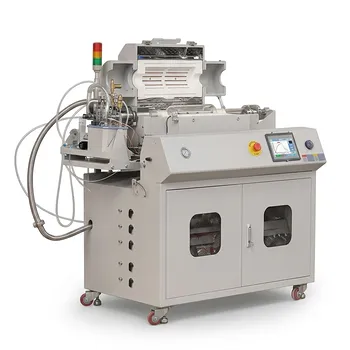
Versatile Chemical Vapor Deposition Tube Furnace System for Advanced Material Research and Industrial Coating Processes
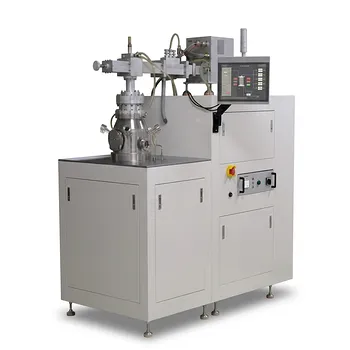
Cylindrical Resonator MPCVD Machine System for Microwave Plasma Chemical Vapor Deposition and Lab Diamond Growth
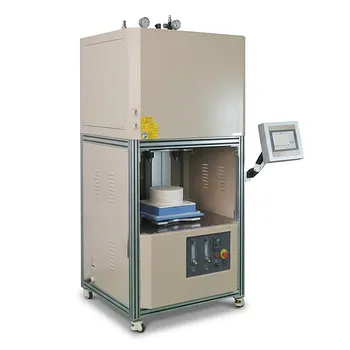
High Temperature Vertical Atmosphere Controlled Furnace 1700C Automatic Bottom Loading 13 Liter Vacuum Thermal System
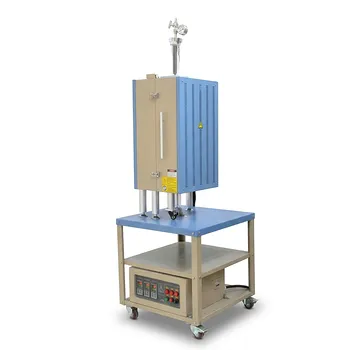
1200C Three Zone Vertical Tube Furnace with 2 Inch Quartz Tube and Vacuum Flanges
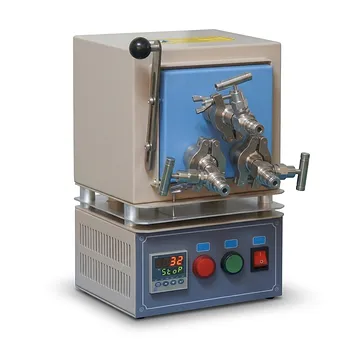
Triple Tube Compact Hybrid Muffle Furnace 1000C High Vacuum Thermal Processing System
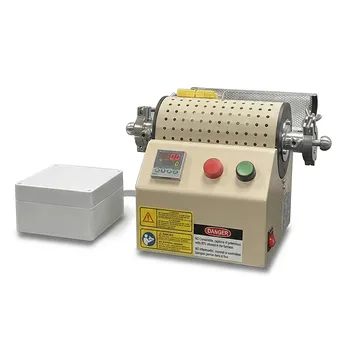
1000C Mini Tube Furnace with 20mm Quartz Tube and Vacuum Flanges for Material Science Research and Controlled Atmosphere Small Sample Processing
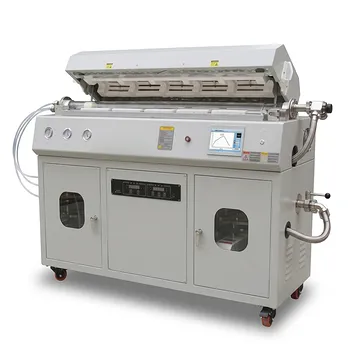
Multi Heating Zones CVD Tube Furnace System for Precision Chemical Vapor Deposition and Advanced Material Synthesis