How does a Vacuum or Atmosphere Tube Furnace facilitate the synthesis of defective carbon from MOF? Master Thermal Control
Updated 3 months ago
A Vacuum or Atmosphere Tube Furnace acts as a high-precision chemical reactor that enables the controlled thermal transformation of Metal-Organic Frameworks (MOFs). It facilitates the synthesis of intrinsic defective carbon by providing a strictly regulated inert environment and precise thermal gradients that induce MOF pyrolysis, strip metal ions, and leave behind specific carbon topological defects that are essential for advanced catalytic applications.
The tube furnace is the critical instrument for transforming MOFs into defective carbon because it balances temperature uniformity with atmospheric purity. This allows for the precise removal of metal templates and the creation of targeted structural irregularities (defects) that significantly enhance the material's electrochemical activity.
The Role of Controlled Pyrolysis in Defect Engineering
Inducing Thermal Decomposition through Linear Heating
The furnace provides precise linear heating from room temperature to 800°C or higher, which is essential for the steady breakdown of organic ligands. This controlled ramp-up ensures that the organic components of the MOF decompose at a predictable rate, preventing structural collapse.
Atmosphere Control as a Chemical Shield
By maintaining a high-purity argon or nitrogen protection, the furnace prevents unwanted oxidation during the carbonization process. This inert environment allows the chemical reactions to occur at specific stoichiometric ratios, ensuring the carbon skeleton remains intact while volatiles are removed.
Ensuring Consistency through Thermal Uniformity
High-temperature uniformity throughout the furnace tube ensures that the resulting micro-nano structures are consistent across the entire sample. This stability is vital for producing carbon materials with predictable interlayer spacing and uniform microcrystalline structures.
Structural Evolution from MOF to Defective Carbon
Metal Atom Stripping and Pore Formation
As the temperature rises, the furnace facilitates the stripping of metal atoms from the original MOF framework. This process leaves behind a nanoporous carbon material that retains the high specific surface area of the precursor while creating vacancies within the carbon lattice.
Engineering Topological Edge Defects
The furnace's ability to maintain a stable thermal field allows for the precise generation of specific topological edge defects. These "defects" are actually active sites where the carbon lattice is intentionally disrupted, which are highly beneficial for ion intercalation and catalytic reactions.
Integration of Heteroatoms
Beyond simple carbonization, the furnace environment allows for the stable integration of heteroatoms, such as nitrogen, into the carbon nanosheet pores. Through sp3 hybridized C-N bonds, these atoms are anchored into the framework, further modifying the material's electronic properties.
Understanding the Trade-offs and Limitations
Thermal Uniformity vs. Throughput
While tube furnaces offer exceptional thermal uniformity, their internal volume is relatively small compared to industrial ovens. This limits the batch size of the synthesis, making it a highly precise but lower-throughput method compared to larger-scale alternatives.
Atmospheric Purity vs. Operational Cost
Achieving the high-vacuum or high-purity gas environments necessary for intrinsic defects requires significant gas consumption and specialized vacuum pumps. Researchers must balance the cost of high-purity argon against the required level of defect precision.
Heating Rates and Structural Integrity
If the heating rate is too aggressive, the rapid release of volatiles can create internal pressure that shatters the carbon framework. Conversely, a heating rate that is too slow may lead to over-graphitization, which can reduce the number of active defect sites.
How to Apply This to Your Synthesis Project
To achieve the best results when synthesizing defective carbon from MOFs, your furnace parameters should be aligned with your specific material goals.
- If your primary focus is High Catalytic Activity: Prioritize the precise generation of topological edge defects by utilizing multi-stage programmable temperature control and high-purity argon.
- If your primary focus is Electrical Conductivity: Focus on higher temperatures (900°C+) and longer hold times to promote the formation of carbon-encapsulated metal nanoparticles and self-supported nanowall arrays.
- If your primary focus is High Specific Surface Area: Use a lower, stable thermal field (around 700°C-800°C) to ensure the carbon material retains the original MOF microporous structure while removing volatiles.
By mastering the thermal and atmospheric variables of the tube furnace, you can precisely engineer the defect profile of carbon materials to meet the demands of next-generation energy storage and catalysis.
Summary Table:
| Furnace Parameter | Function in Synthesis | Material Outcome |
|---|---|---|
| Linear Heating | Controlled organic decomposition | Prevents structural collapse; predictable rate |
| Inert Atmosphere | Argon/Nitrogen chemical shielding | Oxidation prevention; intact carbon skeleton |
| Thermal Uniformity | Stable thermal field distribution | Consistent micro-nano structures & spacing |
| Metal Stripping | Thermal removal of metal ions | Creates lattice vacancies & high surface area |
| Heteroatom Control | Stable integration (e.g., Nitrogen) | Modified electronic properties (sp3 C-N bonds) |
Accelerate Your Material Innovation with THERMUNITS
Precision is the foundation of breakthrough material science. THERMUNITS is a leading manufacturer of high-temperature laboratory equipment, providing the advanced thermal solutions necessary for complex processes like MOF-derived defect engineering.
Our comprehensive product range is designed for high-stakes industrial R&D and material science, including:
- Tube, Vacuum, and Atmosphere Furnaces for precise chemical reactions.
- Muffle, Rotary, and Hot Press Furnaces for diverse heat treatments.
- CVD/PECVD Systems for advanced thin-film deposition.
- Vacuum Induction Melting (VIM) Furnaces and Electric Rotary Kilns for large-scale material processing.
- Dental Furnaces and Thermal Elements for specialized applications.
Whether you are optimizing catalytic activity or improving electrical conductivity, THERMUNITS offers the reliability and thermal stability your research demands. Contact our experts today to discuss your specific requirements and discover how our solutions can enhance your laboratory's efficiency.
References
- Zhouliangzi Zeng, Shiguo Zhang. Angulated Edge Intrinsic Defect in Carbon as Bridge‐Adsorption Site of CO for Highly Efficient CO<sub>2</sub> Electroreduction. DOI: 10.1002/adfm.202400334
Mentioned Products
- 1800C High Temperature Compact Vacuum Tube Furnace with 60mm OD Alumina Tube and Kanthal MoSi2 Heating Elements
- High Vacuum Compact Tube Furnace 1200C with Integrated Turbo Pump System and 8 Inch Heating Zone
- 500C Vacuum Vertical Tube Furnace 84mm OD Sample Rotation Lifting System
- 1750°C High Temperature Benchtop Vacuum Atmosphere Tube Furnace with Kanthal Super 1800 Heating Elements and 60mm Alumina Processing Tube
- 1200C High Temperature 5 Inch Split Vacuum Tube Furnace with 12 Inch Heating Zone and Separated PID Controller
People Also Ask
- What core functions does a high-temperature vacuum tube furnace provide? Optimize np-CuSn Sintering & Joint Integrity
- What is the primary function of a high-temperature tube furnace in Cu1-N-C synthesis? Precision Thermal Control.
- What impact does the heating rate of a tube furnace have on biochar microstructure? Optimize Your Material R&D.
- Role of Tube Furnace in KNNLST Ceramic Synthesis: Achieve High Phase Purity and Thermal Uniformity
- What is the role of a high-temperature tube furnace in the preparation of S-C3N4? Master Precision Material Synthesis

Tech Team · ThermUnits
Last updated on Jun 02, 2026
Related Products

1800C High Temperature Compact Vacuum Tube Furnace with 60mm OD Alumina Tube and Kanthal MoSi2 Heating Elements
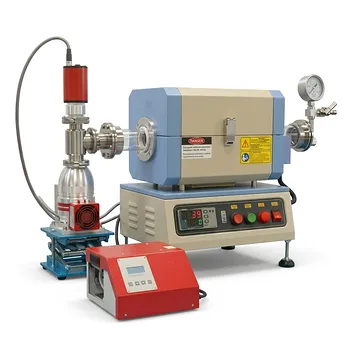
High Vacuum Compact Tube Furnace 1200C with Integrated Turbo Pump System and 8 Inch Heating Zone
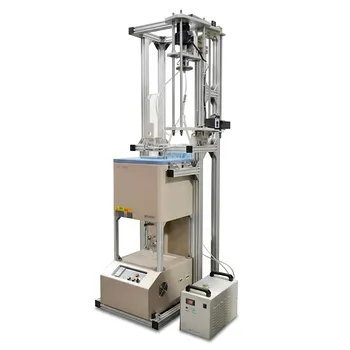
500C Vacuum Vertical Tube Furnace 84mm OD Sample Rotation Lifting System
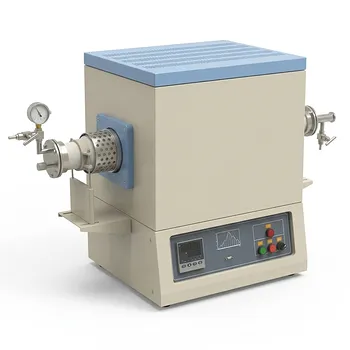
1750°C High Temperature Benchtop Vacuum Atmosphere Tube Furnace with Kanthal Super 1800 Heating Elements and 60mm Alumina Processing Tube
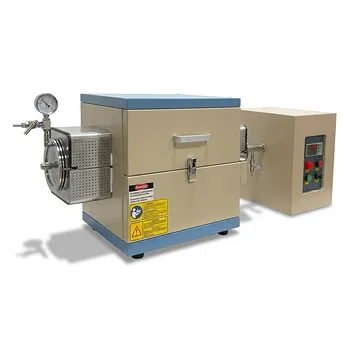
1200C High Temperature 5 Inch Split Vacuum Tube Furnace with 12 Inch Heating Zone and Separated PID Controller
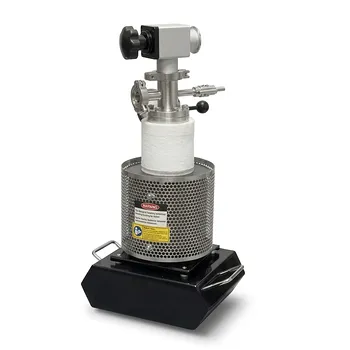
High Temperature 1100C Compact Top Loading Vertical Vacuum Tube Furnace for High Vacuum Noble Metal Melting and Material Research
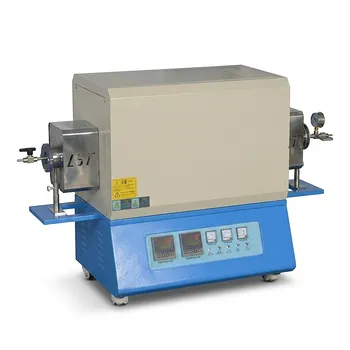
High Temperature Dual Zone Vacuum Tube Furnace for Material Research and CVD Processing

High Temperature 1700C Tube Furnace with High Vacuum Turbomolecular Pump System and Multi Channel Mass Flow Controller Gas Mixer

Vertical 1700C Vacuum and Atmosphere Tube Furnace with 80mm Alumina Tube
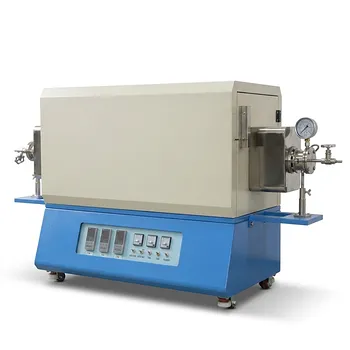
Three Temperature Zone High Temperature Vacuum Tube Furnace for CVD and Material Sintering
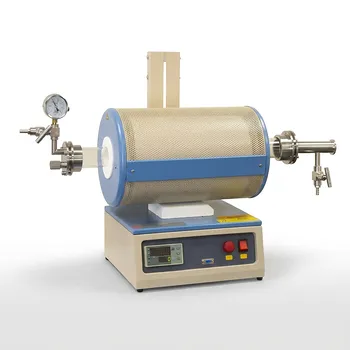
1100C Tube Furnace with Vacuum Flange and Programmable Temperature Controller for Material Science and Industrial Heat Treatment
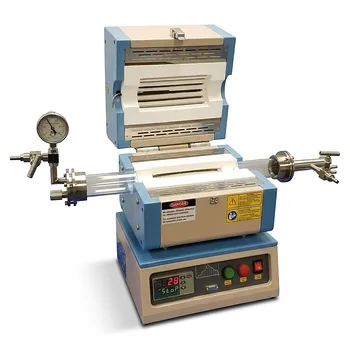
Compact Split Tube Furnace with Integrated Vacuum System and Precision Temperature Calibrator
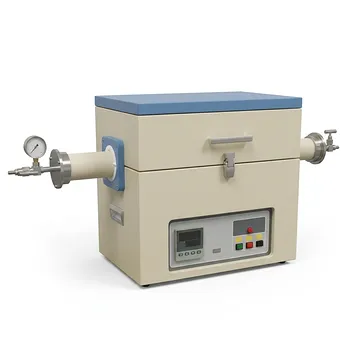
1250C Split Tube Furnace with 3 Inch Mullite Tube and Vacuum Sealing Flanges for Precision Thermal Processing
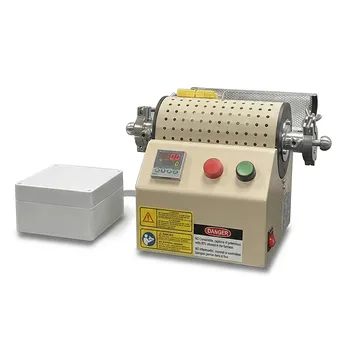
1000C Mini Tube Furnace with 20mm Quartz Tube and Vacuum Flanges for Material Science Research and Controlled Atmosphere Small Sample Processing

Compact High Temperature 1600C Tube Furnace with 50mm Alumina Tube and Vacuum Flanges for Material Sintering

Compact Vertical Split Quartz Tube Furnace with Stainless Steel Vacuum Flanges for Rapid Thermal Quenching and Controlled Atmosphere Material Processing
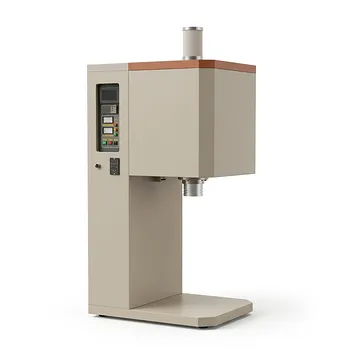
Vertical Openable Tube Furnace 0-1700c High Temperature Laboratory System for CVD and Vacuum Heat Treatment
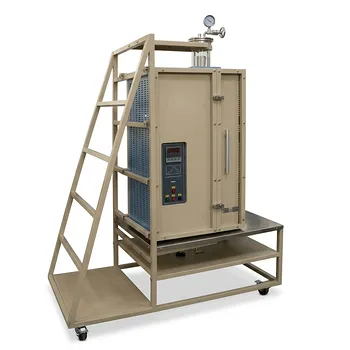
Split Vertical Tube Furnace with 1200C Quartz Tube and Stainless Steel Vacuum Flanges for Rapid Thermal Processing

High Temperature 1700C Six Zone Split Tube Furnace with Alumina Tube and Water Cooled Flanges
