How does residual oxygen affect MoS2 crystal properties during AP-CVD? Enhance PL Intensity & Defect Passivation
Updated 3 months ago
Oxygen serves as a critical in-situ passivation agent during the growth process. In Atmospheric Pressure Chemical Vapor Deposition (AP-CVD), residual oxygen atoms occupy sulfur vacancy sites within the Molybdenum Disulfide (MoS2) lattice to form Mo-O bonds. This interaction effectively reduces defect state density, significantly enhances photoluminescence (PL) intensity, and modifies the electronic doping characteristics of the resulting crystal.
Core Takeaway: Residual oxygen acts as a self-correcting mechanism during synthesis by "patching" structural sulfur vacancies, which transforms potential lattice defects into enhanced optical and electronic properties.
The Mechanism of In-Situ Passivation
Neutralizing Sulfur Vacancies
During the high-temperature reaction in an AP-CVD furnace, sulfur atoms may fail to occupy every designated spot in the MoS2 lattice, creating vacancies. Oxygen atoms in the environment possess a high affinity for these gaps, stepping in to fill the voids. This process is known as in-situ passivation, where the oxygen essentially repairs the crystal structure as it grows.
Formation of Mo-O Bonds
When an oxygen atom occupies a sulfur vacancy, it creates a stable Mo-O bond. This chemical bond is crucial because it alters the local electronic environment of the molybdenum atom. By replacing a missing sulfur atom with oxygen, the system avoids the "dangling bonds" that typically degrade semiconductor performance.
Reduction of Defect State Density
The primary structural benefit of this interaction is a lower defect state density. Fewer defects mean there are fewer sites for charge carriers to become trapped or for non-radiative recombination to occur. This leads to a more "ideal" semiconductor behavior in the grown MoS2 films.
Impact on Material Characteristics
Enhancement of Photoluminescence (PL)
The most visible effect of residual oxygen is a dramatic increase in photoluminescence intensity. Because oxygen reduces the number of non-radiative recombination centers (defects), more energy is released as light when the material is excited. This makes oxygen-passivated MoS2 highly desirable for optoelectronic applications like LEDs or sensors.
Modification of Electronic Doping
Oxygen incorporation shifts the electronic doping profile of the MoS2 crystal. This chemical tuning allows researchers to influence whether the material behaves with more n-type or p-type characteristics. Understanding this relationship is vital for designing transistors and other logic devices that require precise charge carrier management.
The Role of the AP-CVD Environment
Influence of Carrier Gas Flow
The concentration of residual oxygen is often modulated by the carrier gas flow rate, typically using high-purity nitrogen or argon. High-precision mass flow controllers regulate the residence time of precursors, which indirectly dictates how much oxygen interacts with the growing film. For instance, higher flow rates (e.g., 500 sccm) favor monolayer growth, while lower rates may lead to thicker, more complex morphologies.
Thermal and Substrate Dynamics
AP-CVD systems utilize a precisely controlled thermal zone to vaporize precursors like molybdenum trioxide and sulfur. The interaction between the oxygen and the MoS2 lattice occurs most effectively at these elevated temperatures before the natural cooling process begins. Stable cooling is then required to alleviate thermal stress and prevent the newly passivated film from cracking or peeling.
Understanding the Trade-offs
The Risk of Over-Oxidation
While residual oxygen provides passivation benefits, an excess of oxygen can lead to unwanted oxidation. Instead of filling vacancies, high oxygen levels may begin to replace sulfur atoms entirely or form molybdenum oxides (MoO3), which lack the semiconducting properties of MoS2. Maintaining a precise, low-level "residual" concentration is the key to beneficial passivation.
Complexity in Process Control
Relying on residual oxygen introduces a variable that is often difficult to quantify exactly. Unlike intentionally introduced dopants, residual levels can fluctuate based on the purity of the carrier gas or the seal integrity of the tube furnace. This requires rigorous calibration of gas flow and temperature to ensure repeatable crystal quality across different batches.
How to Apply This to Your Project
Recommendations for Material Optimization
- If your primary focus is high-efficiency optoelectronics: Leverage residual oxygen to maximize photoluminescence by ensuring the AP-CVD environment allows for vacancy passivation without full oxidation.
- If your primary focus is achieving consistent monolayer films: Prioritize high carrier gas flow rates (e.g., 500 sccm) to maintain lateral epitaxial growth while managing the precursor concentration.
- If your primary focus is electronic device stability: Use a controlled natural cooling phase to mitigate thermal stress, ensuring the passivated Mo-O bonds remain intact across the large-area film.
By treating residual oxygen as a functional tool rather than a contaminant, you can precisely engineer the optical and electronic limits of two-dimensional MoS2.
Summary Table:
| Effect | Underlying Mechanism | Impact on MoS2 Properties |
|---|---|---|
| In-Situ Passivation | Oxygen fills sulfur vacancies (Mo-O bonds) | Reduced defect state density |
| Optical Enhancement | Lower non-radiative recombination | Significantly higher PL intensity |
| Electronic Tuning | Shift in doping profile | Controlled n-type or p-type behavior |
| Atmosphere Risk | Excess oxygen concentration | Potential for unwanted oxidation/MoO3 formation |
Master Your Material Synthesis with THERMUNITS Precision CVD Systems
As a leading manufacturer of high-temperature laboratory equipment, THERMUNITS empowers researchers in material science and industrial R&D to achieve world-class results. Achieving the perfect balance of residual oxygen in MoS2 growth requires extreme atmospheric and thermal precision.
Our comprehensive range of thermal processing solutions—including CVD/PECVD systems, Tube furnaces, Atmosphere furnaces, and Vacuum furnaces—is engineered to provide the stable thermal zones and precise gas flow control necessary for advanced 2D material synthesis. Whether you require Muffle, Rotary, or Hot Press furnaces, or specialized equipment like Vacuum Induction Melting (VIM) and Electric Rotary Kilns, we have the expertise to enhance your lab's efficiency.
Ready to elevate your heat treatment research? Contact THERMUNITS today to discuss your project requirements!
References
- Irfan Haider Abidi, Sumeet Walia. Oxygen Driven Defect Engineering of Monolayer MoS<sub>2</sub> for Tunable Electronic, Optoelectronic, and Electrochemical Devices. DOI: 10.1002/adfm.202402402
Mentioned Products
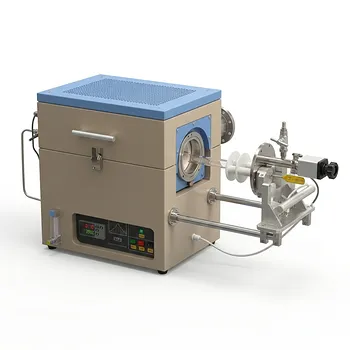
- Versatile Chemical Vapor Deposition Tube Furnace System for Advanced Material Research and Industrial Coating Processes
- Chemical Vapor Deposition CVD System Slide PECVD Tube Furnace with Liquid Gasifier PECVD Machine
- Radio Frequency Plasma Enhanced Chemical Vapor Deposition RF PECVD System for Laboratory and Industrial Thin Film Growth
- HFCVD Machine System for Nano Diamond Coating on Drawing Dies and Industrial Tools
- Multi Heating Zones CVD Tube Furnace System for Precision Chemical Vapor Deposition and Advanced Material Synthesis
People Also Ask
- How does a sliding rail design benefit the CVD process within a furnace ventilation hood? Enhance Control & Quenching
- What role do by-product desorption and evacuation play in CVD film quality? Key Factors for High-Purity Films
- How does the deposition process occur within a Chemical Vapor Deposition (CVD) reactor? Explore the 5-Stage Growth Cycle
- Why is CVD preferred over PVD for high-aspect-ratio features? Superior Conformality for Semiconductor Fabrication
- How do temperature regimes influence the growth rate of films in a CVD system? Master CVD Kinetics for Superior Thin Films

Tech Team · ThermUnits
Last updated on Jun 02, 2026
Related Products
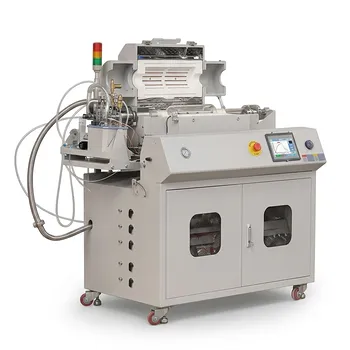
Versatile Chemical Vapor Deposition Tube Furnace System for Advanced Material Research and Industrial Coating Processes
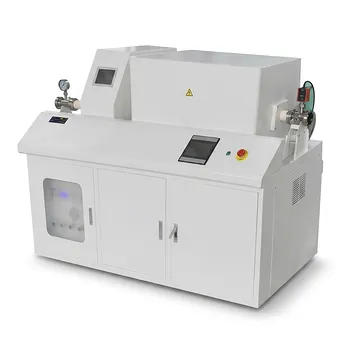
Chemical Vapor Deposition CVD System Slide PECVD Tube Furnace with Liquid Gasifier PECVD Machine
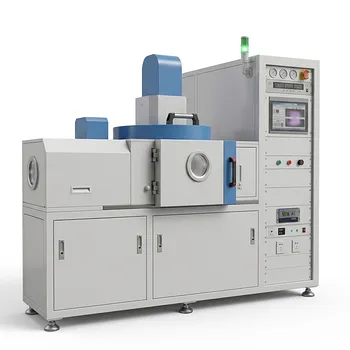
Radio Frequency Plasma Enhanced Chemical Vapor Deposition RF PECVD System for Laboratory and Industrial Thin Film Growth
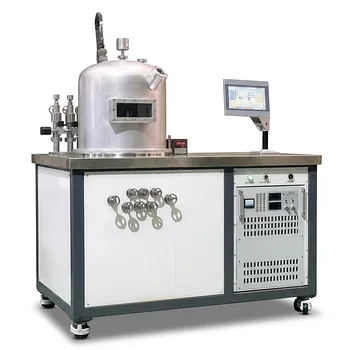
HFCVD Machine System for Nano Diamond Coating on Drawing Dies and Industrial Tools
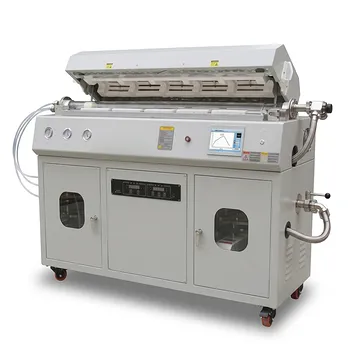
Multi Heating Zones CVD Tube Furnace System for Precision Chemical Vapor Deposition and Advanced Material Synthesis
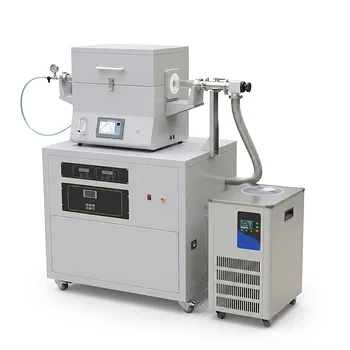
Split Chamber CVD Tube Furnace with Vacuum Station Chemical Vapor Deposition System Machine
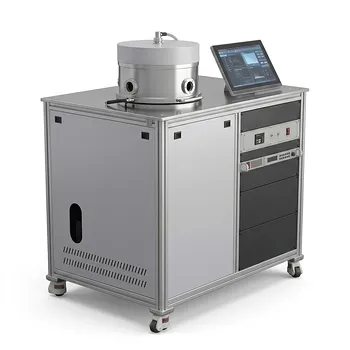
Inclined Rotary Plasma Enhanced Chemical Vapor Deposition PECVD System for Thin Film Deposition and Nanomaterial Synthesis
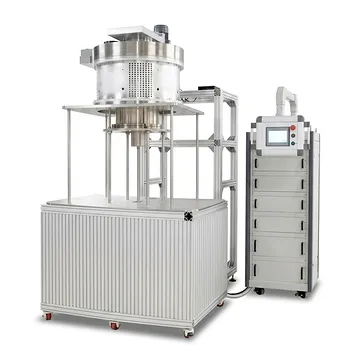
915MHz MPCVD Diamond Machine Microwave Plasma Chemical Vapor Deposition System Reactor
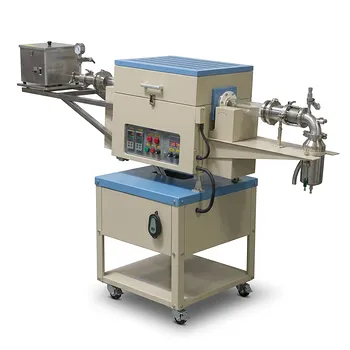
Two Zone Rotary CVD Furnace with Automatic Feeding and Receiving System for Powder Processing
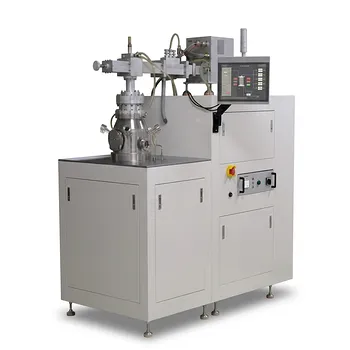
Cylindrical Resonator MPCVD Machine System for Microwave Plasma Chemical Vapor Deposition and Lab Diamond Growth
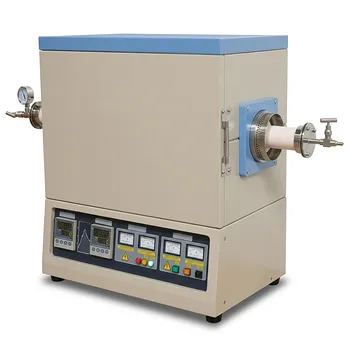
High Temperature 1700C Dual Zone Tube Furnace for Material Science and Industrial Chemical Vapor Deposition Research
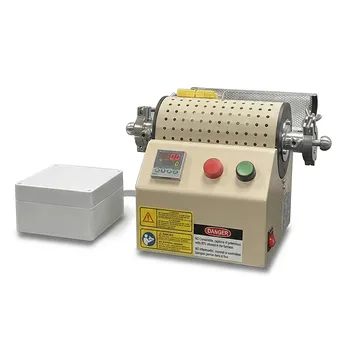
1000C Mini Tube Furnace with 20mm Quartz Tube and Vacuum Flanges for Material Science Research and Controlled Atmosphere Small Sample Processing
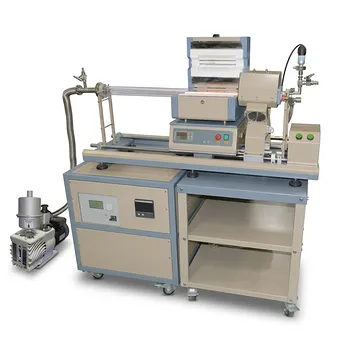
1200C Max Compact Auto-Sliding PECVD Furnace with 2 Inch Tube and Vacuum Pump
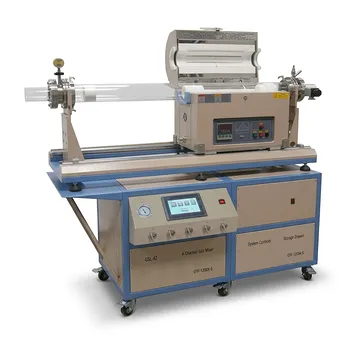
Dual Tube 100mm 80mm CVD Sliding Furnace with 4 Channel Gas Mixing and Vacuum System
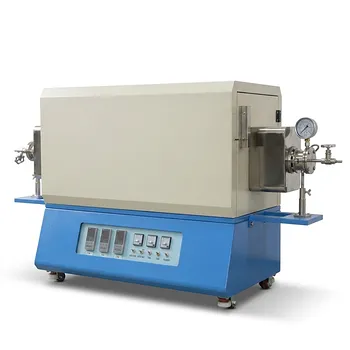
Three Temperature Zone High Temperature Vacuum Tube Furnace for CVD and Material Sintering
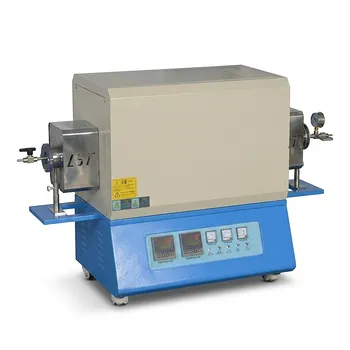
High Temperature Dual Zone Vacuum Tube Furnace for Material Research and CVD Processing
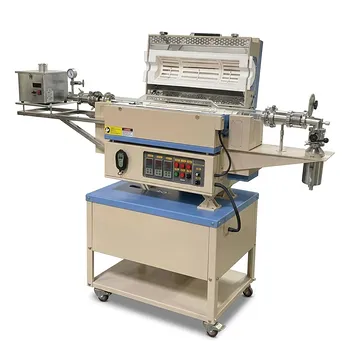
5 Inch Rotary Tube Furnace with Automatic Feeding and Receiving System 1200C Three Zone CVD Powder Processing
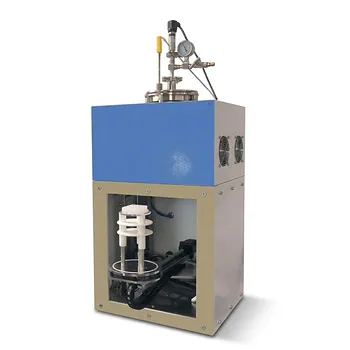
Rapid Thermal Processing Furnace 1100C Atmosphere Controlled Bottom Loading RTP System for Wafer Annealing and Catalysis Research
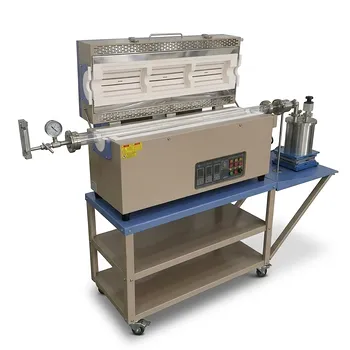
5 Inch Two Zone Rotary Tube Furnace 1100C for Powder CVD and Material Synthesis