How does the plasma-enhanced process in MPCVD compare to conventional thermal CVD? Key Purity & Temperature Benefits
Updated 5 months ago
The primary difference between MPCVD and thermal CVD lies in the energy source used to drive chemical reactions. While thermal CVD relies exclusively on high heat to activate precursor gases, Microwave Plasma Chemical Vapor Deposition (MPCVD) utilizes microwave-generated plasma to create highly reactive radicals and ions via electron-impact dissociation. This plasma-assisted approach significantly lowers the required activation energy, enabling high-quality material synthesis at substantially lower substrate temperatures.
Core Takeaway: MPCVD bypasses the thermal limitations of conventional CVD by using plasma to decouple chemical reactivity from substrate temperature. This provides a "lower thermal budget" that preserves material properties and enables the growth of ultra-high-purity films like synthetic diamond.
The Fundamental Shift in Energy Source
Thermal Activation vs. Electron-Impact Dissociation
In conventional thermal CVD, the system must reach extreme temperatures to provide the kinetic energy necessary for gaseous precursors to react. This process is often inefficient as the entire environment must be heated to overcome activation energy barriers.
MPCVD, conversely, uses microwave energy to excite electrons, which then collide with gas molecules to produce highly reactive species. These radicals and ions drive the deposition process, allowing the chemistry to proceed even when the substrate remains relatively cool.
Decoupling Heat from Reaction Rates
Because the plasma provides the necessary chemical energy, the reaction rate in MPCVD is no longer strictly tied to the temperature of the substrate. This allows engineers to maintain equivalent reaction rates to thermal processes while operating at much lower temperatures.
Redefining the Thermal Budget
Lowering Substrate Temperatures
In growth processes, MPCVD typically operates at substrate temperatures between 700 and 1300 °C, which is significantly lower than the temperatures required for purely thermal synthesis of similar materials. For specialized applications like diamond hydrogenation, the process can even occur at temperatures below 120 °C.
Preventing Unwanted Thermal Diffusion
The lower thermal budget of MPCVD is critical for protecting the internal structure of the material being processed. For instance, it prevents the deep diffusion of hydrogen into a diamond lattice, which would otherwise passivate near-surface Nitrogen-Vacancy (NV) color centers and ruin their fluorescence.
Protecting Temperature-Sensitive Substrates
By reducing the heat load, plasma processes enable the coating of substrates that would melt or degrade in a thermal CVD furnace. This makes plasma-enhanced methods essential for materials with existing metal interconnects or polymer components that cannot survive temperatures exceeding 600 °C.
Advantages in Purity and Material Versatility
The Benefits of Electrodeless Operation
Unlike other plasma or filament-based methods, MPCVD is an electrodeless process. Because there are no internal electrodes or filaments to erode, the risk of metal contamination in the growing film is virtually eliminated.
Compatibility with Reactive Gases
MPCVD systems are highly compatible with oxygen and other reactive additives that would quickly destroy the filaments used in Hot-Filament CVD (HFCVD). This allows for greater flexibility in tailoring the chemical and electronic properties of the deposited material.
High-Purity Material Synthesis
The combination of a stable plasma environment and lack of contamination sources makes MPCVD the gold standard for high-quality diamond synthesis. It produces dense materials with superior mechanical, optical, and electronic properties that thermal methods often struggle to match.
Understanding the Trade-offs
Equipment Complexity and Cost
MPCVD systems are generally more complex and expensive than conventional thermal CVD setups. The requirement for microwave generators, waveguides, and vacuum-tight quartz chambers increases the initial capital investment and maintenance requirements.
Plasma Uniformity Challenges
While plasma enables lower temperatures, maintaining a uniform plasma density over large areas can be difficult. This can lead to variations in film thickness or quality across larger substrates compared to the highly uniform heat distribution of a traditional thermal furnace.
Specificity of Temperature Ranges
While "lower" than thermal CVD, MPCVD growth temperatures for diamond (700-1300 °C) are still quite high compared to other plasma processes like PECVD (200-400 °C). Users must distinguish between plasma-enhanced growth and low-temperature plasma treatments when selecting equipment.
How to Apply This to Your Project
Selecting between MPCVD and thermal CVD depends on your specific material requirements and substrate constraints.
- If your primary focus is ultra-high purity (e.g., single-crystal diamond): MPCVD is the superior choice due to its electrodeless design and high-density reactive environment.
- If your primary focus is processing temperature-sensitive layers: Utilize the plasma-enhanced nature of MPCVD to keep substrate temperatures low and prevent unwanted thermal diffusion or structural damage.
- If your primary focus is large-scale, low-cost coating of simple geometries: Conventional thermal CVD may be more cost-effective if the substrate can withstand the high thermal loads required.
By leveraging plasma instead of raw heat, you can achieve superior material properties while protecting the delicate features of your most advanced technical projects.
Summary Table:
| Feature | Conventional Thermal CVD | MPCVD (Microwave Plasma) |
|---|---|---|
| Energy Source | High Heat | Microwave-generated Plasma |
| Reaction Driver | Thermal Activation | Electron-Impact Dissociation |
| Substrate Temp | Very High (Required for kinetics) | Lower (Decoupled from reactivity) |
| Contamination Risk | Medium (Heating elements/walls) | Very Low (Electrodeless process) |
| Best For | Large-scale, simple coatings | High-purity diamond & sensitive films |
| Thermal Budget | High | Low (Protects material structure) |
Elevate Your Material Research with THERMUNITS
Are you looking to optimize your thin-film growth or high-purity diamond synthesis? THERMUNITS is a leading manufacturer of high-temperature laboratory equipment for material science and industrial R&D. We provide the precision tools necessary to master your thermal budget and achieve superior chemical reactivity.
Our comprehensive product line includes:
- Advanced CVD/PECVD Systems for plasma-enhanced processes.
- High-Precision Furnaces: Muffle, Vacuum, Atmosphere, Tube, and Rotary designs.
- Specialized Equipment: Hot Press furnaces, Dental furnaces, Electric Rotary Kilns, and Vacuum Induction Melting (VIM) furnaces.
- High-Quality Components: Thermal elements and specialized heat treatment accessories.
Whether you are scaling up industrial production or conducting fundamental R&D, our expert team is ready to provide the ideal thermal processing solution tailored to your specific requirements.
Contact THERMUNITS Today to Request a Quote
Mentioned Products
- Cylindrical Resonator MPCVD Machine System for Microwave Plasma Chemical Vapor Deposition and Lab Diamond Growth
- 915MHz MPCVD Diamond Machine Microwave Plasma Chemical Vapor Deposition System Reactor
- Multi Heating Zones CVD Tube Furnace System for Precision Chemical Vapor Deposition and Advanced Material Synthesis
- Chemical Vapor Deposition CVD System Slide PECVD Tube Furnace with Liquid Gasifier PECVD Machine
- Radio Frequency Plasma Enhanced Chemical Vapor Deposition RF PECVD System for Laboratory and Industrial Thin Film Growth
People Also Ask
- How does the high concentration of atomic hydrogen in MPCVD benefit diamond growth? The Key to Gem-Grade Quality.
- What are the typical operating pressure ranges and vacuum requirements for MPCVD systems? Optimize Your Material Growth
- What technical parameters are critical for optimizing the growth of single-crystal diamonds in MPCVD systems? Expert Guide
- What are the technical advantages of the electrodeless plasma design in MPCVD systems? Purity & Precision in Synthesis
- How does the versatility of gas compatibility in MPCVD systems compare to filament-based CVD methods? Purity & Doping.

Tech Team · ThermUnits
Last updated on Apr 14, 2026
Related Products
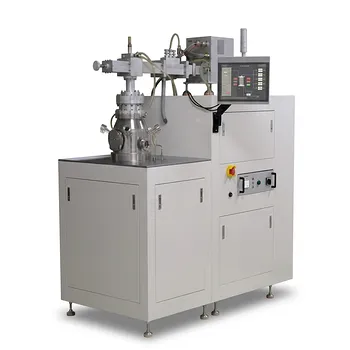
Cylindrical Resonator MPCVD Machine System for Microwave Plasma Chemical Vapor Deposition and Lab Diamond Growth
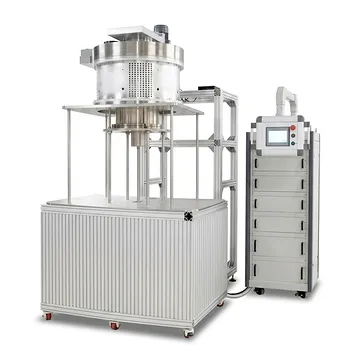
915MHz MPCVD Diamond Machine Microwave Plasma Chemical Vapor Deposition System Reactor
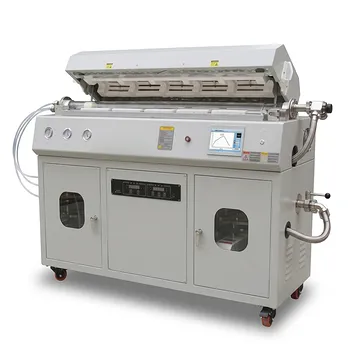
Multi Heating Zones CVD Tube Furnace System for Precision Chemical Vapor Deposition and Advanced Material Synthesis
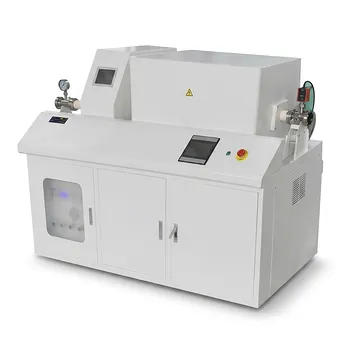
Chemical Vapor Deposition CVD System Slide PECVD Tube Furnace with Liquid Gasifier PECVD Machine
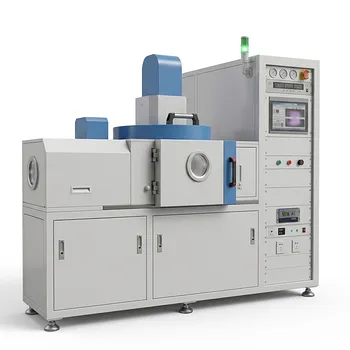
Radio Frequency Plasma Enhanced Chemical Vapor Deposition RF PECVD System for Laboratory and Industrial Thin Film Growth
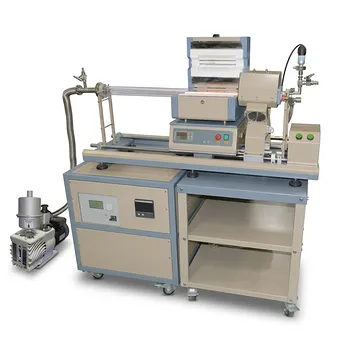
1200C Max Compact Auto-Sliding PECVD Furnace with 2 Inch Tube and Vacuum Pump
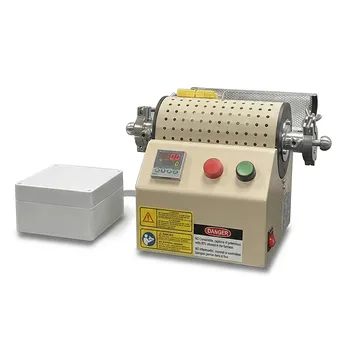
1000C Mini Tube Furnace with 20mm Quartz Tube and Vacuum Flanges for Material Science Research and Controlled Atmosphere Small Sample Processing
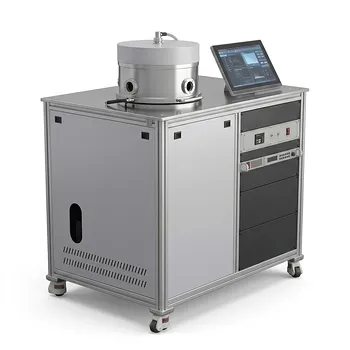
Inclined Rotary Plasma Enhanced Chemical Vapor Deposition PECVD System for Thin Film Deposition and Nanomaterial Synthesis
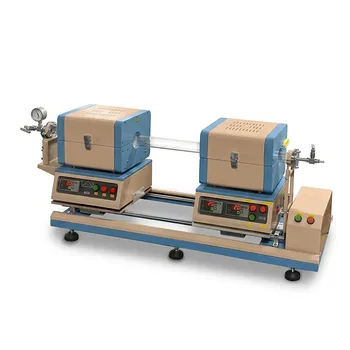
High Temperature 1200C Automatic Sliding Dual Zone Tube Furnace for 2D Transition Metal Dichalcogenides Growth and Material Sublimation Research

High Temperature 1700C Tube Furnace with High Vacuum Turbomolecular Pump System and Multi Channel Mass Flow Controller Gas Mixer
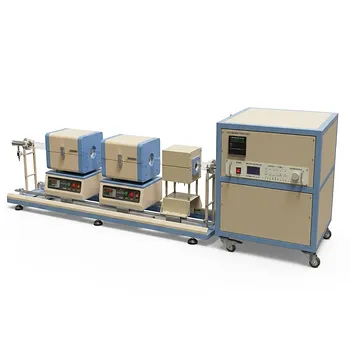
1200C Dual Sliding Tube Furnace with Dual Tubes and Flanges for PECVD Processes
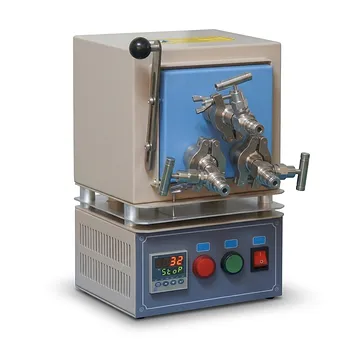
Triple Tube Compact Hybrid Muffle Furnace 1000C High Vacuum Thermal Processing System
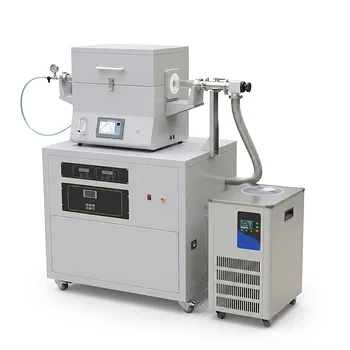
Split Chamber CVD Tube Furnace with Vacuum Station Chemical Vapor Deposition System Machine
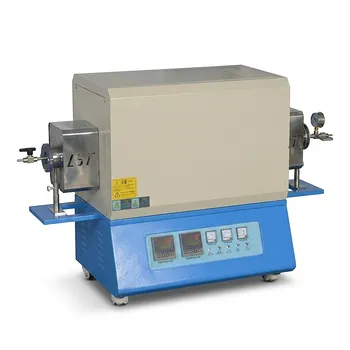
High Temperature Dual Zone Vacuum Tube Furnace for Material Research and CVD Processing
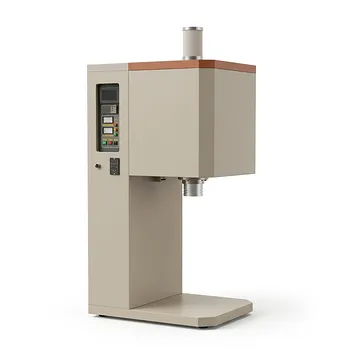
Vertical Openable Tube Furnace 0-1700c High Temperature Laboratory System for CVD and Vacuum Heat Treatment
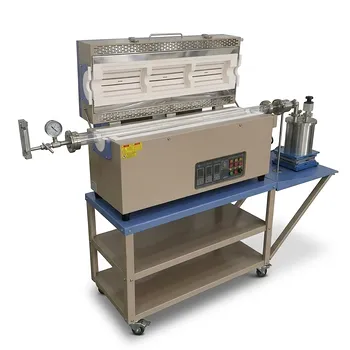
5 Inch Two Zone Rotary Tube Furnace 1100C for Powder CVD and Material Synthesis
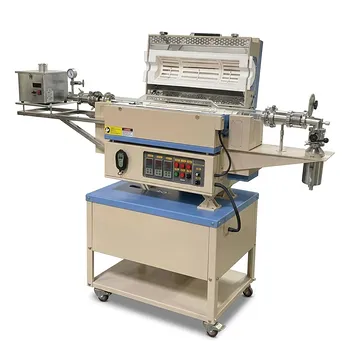
5 Inch Rotary Tube Furnace with Automatic Feeding and Receiving System 1200C Three Zone CVD Powder Processing
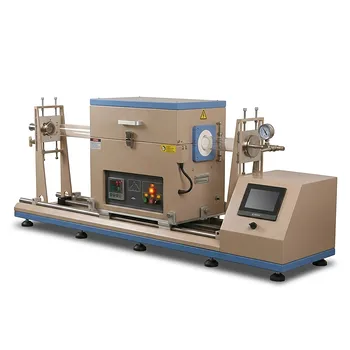
1200C Sliding Tube Furnace for Rapid Thermal Processing and CVD Graphene Growth with 100mm OD Capacity
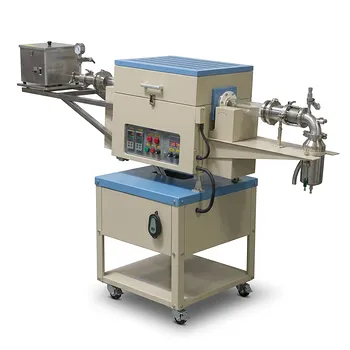
Two Zone Rotary CVD Furnace with Automatic Feeding and Receiving System for Powder Processing