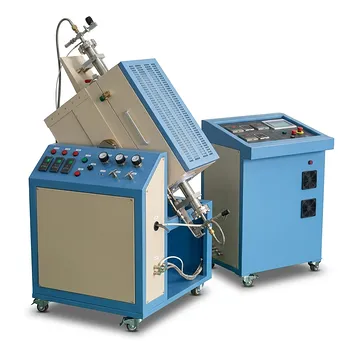
How does tube furnace temperature affect phosphoric acid bonding? Optimize Carbon Material Stability & Performance
Updated 3 months ago
Temperature settings in a high-temperature tube furnace dictate whether phosphoric acid attaches to carbon via temporary C-O-P bonds or stable C-PO3 covalent bonds. At lower temperatures, dehydration reactions dominate, creating less resilient C-O-P linkages. As the temperature rises, the reduction of surface hydroxyl groups forces the acid to form direct C-PO3 covalent bonds, which significantly improve the material's thermal stability and durability in liquid-phase reactions.
The furnace temperature acts as a chemical "switch" that determines the structural integration of phosphorus into the carbon framework. Higher temperatures shift the bonding mode from oxygen-bridged attachments to robust covalent structures, ensuring the catalyst remains active under harsh conditions.
The Chemical Transition: C-O-P vs. C-PO3
Low-Temperature Dehydration (C-O-P)
At lower temperature settings, the interaction between phosphoric acid and the carbon carrier is primarily driven by dehydration reactions. These reactions utilize the abundant hydroxyl (-OH) groups on the carbon surface to form C-O-P bonds. While this successfully functionalizes the material, these bonds are often less stable and more susceptible to degradation during intensive chemical processes.
High-Temperature Covalent Bonding (C-PO3)
As the tube furnace reaches higher temperature thresholds, the density of active hydroxyl groups on the carbon surface decreases. This environmental change forces the phosphoric acid to bind directly to the carbon atoms, forming C-PO3 covalent bonds. These bonds are significantly more robust, providing the "solid acid" with the thermal stability required for sustained performance in liquid-phase reactions.
The Role of the Tube Furnace Environment
Precision Atmosphere Control
The tube furnace provides a controlled flow of inert gas, such as nitrogen, which is critical during high-temperature acidification. This oxygen-free environment prevents the oxidative combustion of the carbon material at elevated temperatures. By excluding oxygen, the furnace allows for clean pyrolysis and chemical integration without destroying the carbon framework.
Uniform Thermal Fields and Pore Development
A high-temperature tube furnace ensures a uniform thermal field, which is essential for consistent bonding across the entire sample. In addition to bonding, these temperatures facilitate the removal of volatiles and promote intense pore formation. This process, often involving activation agents, increases the specific surface area and optimizes the material's overall reactivity.
Understanding the Trade-offs
Thermal Stability vs. Surface Group Density
While high temperatures promote the highly stable C-PO3 bond, they also lead to a reduction in the total number of surface hydroxyl groups. This represents a trade-off between the durability of the acid sites and the initial chemical density of the surface. Engineers must balance these factors based on whether the final material needs high "loading" or long-term "resilience."
Energy Consumption and Material Integrity
Operating at extreme temperatures (e.g., above 800°C) increases energy costs and can lead to excessive carbon loss if the inert atmosphere is compromised. Furthermore, while high heat facilitates stable bonding, it can also lead to the collapse of certain pore structures if the ramp rate and dwell time are not precisely calibrated.
How to Apply This to Your Project
Selecting Your Temperature Strategy
When configuring your high-temperature tube furnace for carbon acidification, your temperature choice should align with the intended application of the final material.
- If your primary focus is liquid-phase reaction durability: Use higher temperature settings to promote C-PO3 covalent bonding, ensuring the acid sites do not leach or degrade.
- If your primary focus is maximizing surface functional groups: Utilize lower temperatures to favor C-O-P bonding via dehydration, though this may result in lower thermal stability.
- If your primary focus is developing a rich mesoporous structure: Target middle-range temperatures (around 450°C to 600°C) to balance carbonization, cross-linking, and pore expansion.
By precisely controlling the furnace temperature, you can tailor the fundamental chemical structure of your carbon-based solid acid to meet specific industrial requirements.
Summary Table:
| Temperature Range | Bonding Mode | Primary Reaction | Stability & Performance |
|---|---|---|---|
| Lower Temperatures | C-O-P (Oxygen-bridged) | Dehydration of hydroxyl groups | High surface density; lower thermal resilience. |
| Higher Temperatures | C-PO3 (Covalent) | Direct carbon-phosphorus binding | Superior thermal stability; ideal for liquid-phase reactions. |
| Atmosphere Role | Inert (N2/Ar) | Prevention of oxidation | Ensures clean pyrolysis and protects the carbon framework. |
| Middle Range | Hybrid / Mixed | Cross-linking & pore expansion | Optimized for specific surface area and mesoporous development. |
Achieve Precision in Your Carbon Material Research
Controlling the chemical "switch" between C-O-P and C-PO3 bonds requires absolute thermal precision and atmosphere integrity. THERMUNITS is a leading manufacturer of high-temperature laboratory equipment dedicated to advancing material science and industrial R&D.
Our advanced Tube Furnaces, Atmosphere Furnaces, and CVD/PECVD systems are engineered to provide the uniform thermal fields and airtight inert environments necessary for high-performance carbon acidification. From Rotary and Vacuum furnaces to Hot Press and Vacuum Induction Melting (VIM) solutions, we offer the tools you need to ensure your catalysts and materials meet the most demanding industrial standards.
Ready to enhance your lab's thermal processing capabilities? Contact THERMUNITS today to consult with our experts and find the perfect equipment for your research goals.
References
- Shu Dong, Leilei Dai. Insights into Preparation Methods and Functions of Carbon-Based Solid Acids. DOI: 10.3390/molecules29010247
Mentioned Products
- High Temperature Tube Furnace 1500C with Sliding Flanges and 50mm OD for Rapid Thermal Processing Fast Heating and Cooling
- High Temperature 1700C Tube Furnace with High Vacuum Turbomolecular Pump System and Multi Channel Mass Flow Controller Gas Mixer
- 1750°C High Temperature Benchtop Vacuum Atmosphere Tube Furnace with Kanthal Super 1800 Heating Elements and 60mm Alumina Processing Tube
- High Temperature 1700C Benchtop Tube Furnace with 5 Inch Heating Zone High Purity Alumina Tube and Vacuum Sealing Flanges
- 1700C High Temperature Alumina Tube Furnace with 18 Inch Heated Zone and Vacuum Sealing Flanges
People Also Ask
- How are high-temperature tube furnaces utilized to repair etching damage? Precision Lattice Restoration Solutions
- What role does a high-temperature tube furnace play in CVD synthesis of silicon nanowires? Master VLS Growth Precision.
- What core conditions does a high-temperature tube furnace provide for rGO aerogels? Mastering Precision Synthesis.
- What role does a high-temperature tube furnace play in the sulfidation heat treatment of CoS@C/MXene nanocomposites? Guide
- How does precision tube furnace control influence CoFe nanoparticle formation? Master Your Bimetallic Synthesis.

Tech Team · ThermUnits
Last updated on Jun 02, 2026
Related Products

High Temperature Tube Furnace 1500C with Sliding Flanges and 50mm OD for Rapid Thermal Processing Fast Heating and Cooling

High Temperature 1700C Tube Furnace with High Vacuum Turbomolecular Pump System and Multi Channel Mass Flow Controller Gas Mixer
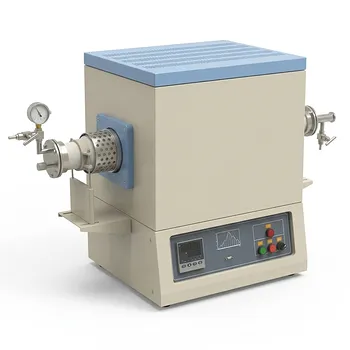
1750°C High Temperature Benchtop Vacuum Atmosphere Tube Furnace with Kanthal Super 1800 Heating Elements and 60mm Alumina Processing Tube

High Temperature 1700C Benchtop Tube Furnace with 5 Inch Heating Zone High Purity Alumina Tube and Vacuum Sealing Flanges
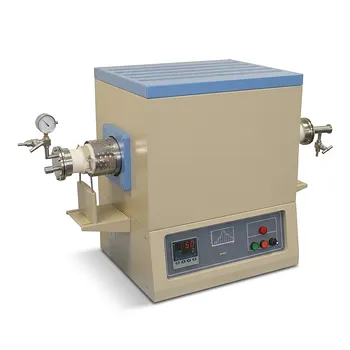
1700C High Temperature Alumina Tube Furnace with 18 Inch Heated Zone and Vacuum Sealing Flanges
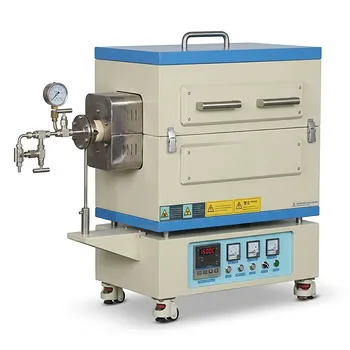
High Temperature Split Tube Furnace 1500C for Material Research Vacuum and Atmosphere Thermal Processing

Compact High Temperature 1600C Tube Furnace with 50mm Alumina Tube and Vacuum Flanges for Material Sintering

1800C High Temperature Compact Vacuum Tube Furnace with 60mm OD Alumina Tube and Kanthal MoSi2 Heating Elements
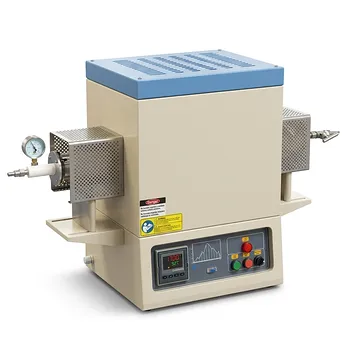
High Temperature Three Zone Tube Furnace 1700C with Alumina Tube and Water Cooled Flanges
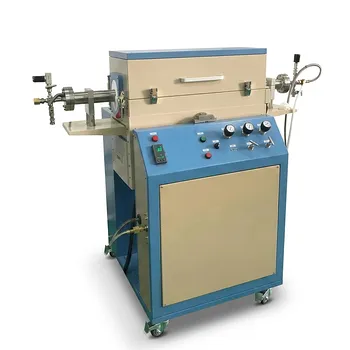
High Temperature Rocking Tube Furnace 1700°C Alumina Processing Tube with Precision Oscillation for Material Synthesis
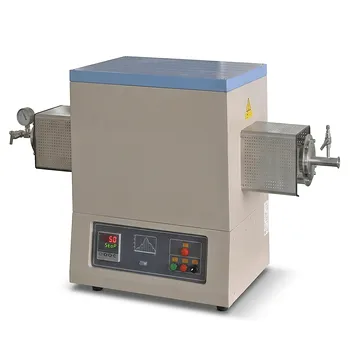
High Temperature 1700C Tube Furnace with 4 Inch OD Alumina Tube and Vacuum Sealing Flanges

High Temperature 1700C Vertical Tube Furnace for Powder Spherification and Material Sintering
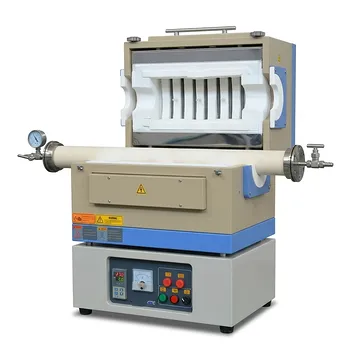
High Temperature 1600C Split Tube Furnace Vacuum Flanges Valves Optional 60mm 80mm Alumina Tube

High Temperature Automated 5 Inch Tube Furnace for Autonomous Material Research and Advanced Laboratory R&D

High Temperature 1700C Six Zone Split Tube Furnace with Alumina Tube and Water Cooled Flanges
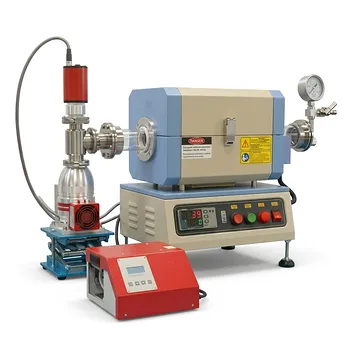
High Vacuum Compact Tube Furnace 1200C with Integrated Turbo Pump System and 8 Inch Heating Zone
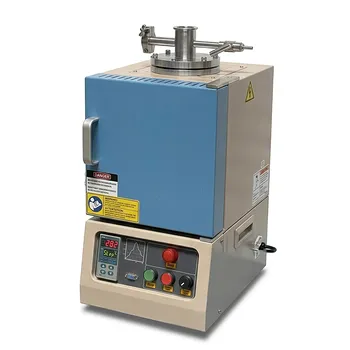
High Temperature Hybrid Muffle and Tube Furnace with Vacuum Capability and PID Control
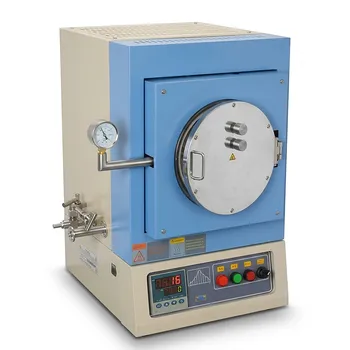
1100°C High Temperature Quartz Chamber Furnace 8 Inch OD with 7.6 Liter Capacity and Vacuum Atmosphere Capability

1100C Tube Furnace with Vacuum Flange and Programmable Temperature Controller for Material Science and Industrial Heat Treatment