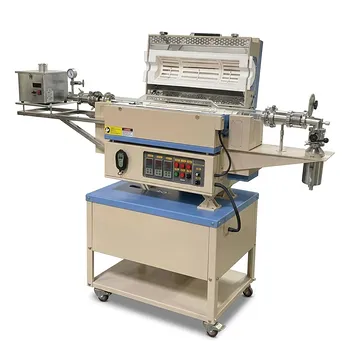
How is a high-temperature CVD system utilized in the preparation of 3D graphene foam? Expert Synthesis Insights
Updated 3 months ago
A high-temperature Chemical Vapor Deposition (CVD) system serves as the fundamental platform for synthesizing three-dimensional graphene foam by providing a controlled environment for the catalytic decomposition of carbon precursors. The system operates at approximately 1000°C, utilizing a mixture of hydrogen and argon to facilitate the deposition of continuous, high-quality graphene layers onto a nickel foam substrate. This process transforms a sacrificial metal template into a highly conductive, three-dimensional carbon network with an expansive specific surface area.
Core Takeaway: The CVD system utilizes precise thermal and atmospheric control to engineer graphene growth directly onto a metallic skeleton. This method ensures the creation of a seamless, 3D architecture that retains the mechanical and electrical properties of graphene at a macroscopic scale.
The Mechanics of CVD in Graphene Foam Synthesis
The Role of the Nickel Foam Template
The process begins with nickel foam, which acts as both the structural template and the catalyst. The CVD system heats this foam to high temperatures, allowing the nickel surface to facilitate the dissociation of carbon atoms from the precursor gas.
Thermal Decomposition of Precursors
The system introduces a carbon-containing gas, typically methane ($CH_4$), into the high-temperature reaction chamber. At temperatures near 1000°C, the thermal energy breaks the chemical bonds of the methane, releasing carbon atoms that migrate toward the nickel surface.
Controlled Graphene Nucleation
As the nickel cools or becomes saturated with carbon, the carbon atoms rearrange and crystallize into hexagonal graphene lattices. The CVD system’s ability to maintain temperature uniformity ensures that these layers form evenly across the complex, porous geometry of the foam.
Achieving Structural and Chemical Integrity
Precision Gas Atmosphere Regulation
The CVD system precisely regulates the ratio of hydrogen ($H_2$) to argon ($Ar$). Hydrogen acts as a reducing agent to remove surface oxides from the nickel, while argon provides an inert environment that prevents unwanted chemical reactions during the growth phase.
Controlling Layer Thickness and Defects
By adjusting the reaction time and gas flow rates, the system can control whether the resulting foam consists of single-layer or multi-layer graphene. Maintaining a high-vacuum or low-pressure environment within the furnace is critical for minimizing lattice defects and ensuring high electrical conductivity.
Formation of the 3D Skeleton
Unlike flat substrates, the 3D nature of the nickel foam requires the CVD system to ensure gas diffusion deep into the pores. This results in a continuous graphene "skin" that mimics the original foam's architecture, providing a robust physical foundation for loading active materials like phosphates.
Understanding the Trade-offs and Challenges
Thermal Stress and Substrate Grain Growth
High-temperature processing can lead to significant grain growth in the metal catalyst, which may alter the final morphology of the graphene. Rapid cooling cycles, while efficient, can introduce thermal stress, potentially causing micro-cracks in the graphene layers.
The Complexity of Template Removal
While the CVD system creates the foam, the final product often requires the chemical etching of the nickel substrate. This post-processing step is delicate; if the CVD-grown graphene is too thin or discontinuous, the entire 3D structure may collapse once the metal support is removed.
Energy Consumption vs. Quality
Operating a CVD system at 1000°C for extended periods is energy-intensive. While lower temperatures (700°C–800°C) can be used with different precursors or catalysts, they often result in higher defect densities and lower crystallization quality, compromising the foam's performance.
Applying CVD Technology to Your Project
When utilizing a high-temperature CVD system for graphene foam preparation, your specific goals will dictate the ideal parameters.
- If your primary focus is Maximum Conductivity: Prioritize higher temperatures (near 1000°C) and longer annealing times to ensure high crystallization and minimal defects.
- If your primary focus is High Surface Area: Use a nickel foam with smaller pore sizes and optimize gas flow rates to ensure uniform coating without clogging the internal voids.
- If your primary focus is Structural Stability: Target the growth of multi-layer graphene by increasing the methane concentration, which provides a thicker, more rigid 3D framework.
The precision of the CVD system ultimately determines the viability of graphene foam as a high-performance scaffold for advanced energy storage and sensing applications.
Summary Table:
| Parameter | Typical Specification | Role in Graphene Foam Synthesis |
|---|---|---|
| Temperature | ~1000°C | Facilitates methane decomposition and carbon diffusion. |
| Substrate | Nickel (Ni) Foam | Acts as a 3D structural template and catalyst. |
| Precursor Gas | Methane ($CH_4$) | Serves as the primary carbon source for growth. |
| Atmosphere | $H_2$ + Argon ($Ar$) | $H_2$ reduces surface oxides; $Ar$ provides inert protection. |
| Pressure | Low Pressure/Vacuum | Minimizes lattice defects and ensures uniform coating. |
| Final Structure | 3D Carbon Network | Provides high conductivity and expansive surface area. |
Elevate Your Material Research with THERMUNITS
Are you looking to achieve superior precision in 3D graphene synthesis? THERMUNITS is a leading manufacturer of high-performance thermal processing solutions tailored for material science and industrial R&D.
Our advanced CVD/PECVD systems, Tube furnaces, and Vacuum Atmosphere furnaces are engineered to provide the exact temperature uniformity and gas control required for complex graphene foam production. Whether you need a standard laboratory setup or a custom Rotary kiln or Hot Press furnace, we deliver the reliability your research demands.
Unlock the potential of your laboratory today:
- Expert Consultation: Match your specific precursor requirements with our high-temp systems.
- Comprehensive Solutions: From Muffle furnaces to Vacuum Induction Melting (VIM) units.
- Precision Engineering: Designed for high-quality crystallization and minimal defect density.
Contact Our Technical Team Today to find the perfect thermal solution for your project!
References
- Muhammad Ramzan Abdul Karim, Y Haroon. Elucidating Electrochemical Energy Storage Performance of Unary, Binary, and Ternary Transition Metal Phosphates and their Composites with Carbonaceous Materials for Supercapacitor Applications. DOI: 10.33961/jecst.2024.00024
Mentioned Products
- 1200C Sliding Tube Furnace for Rapid Thermal Processing and CVD Graphene Growth with 100mm OD Capacity
- Vertical Openable Tube Furnace 0-1700c High Temperature Laboratory System for CVD and Vacuum Heat Treatment
- High Temperature Three Temperature Zone Tube Furnace for Advanced Material Science Sintering and Chemical Vapor Deposition Applications
- 1200°C High Temperature 4 Inch Tube Furnace with Sliding Flange for CVD Systems
- Three Zone Alumina Tube Furnace with Vacuum Flanges High Temperature 1700C Thermal Gradient CVD System
People Also Ask
- Why is a Tube Furnace typically utilized for CVD? Achieve Precision in Graphene and 2D Material Synthesis
- CVD Tube Furnace Advantages for Pd-P Catalyst Durability: Precision Control for 40,000+ Cycles
- What is the function of CVD furnaces in graphene prep? Enhancing Photodetector Charge Transport
- Why use CVD and a tube furnace for Pd3P0.95/NC catalyst phosphidation? Ensure high phase purity and performance.
- How does a tube furnace system equipped with gas mass flow controllers facilitate the MCW process? Optimize Graphene Yield

Tech Team · ThermUnits
Last updated on Jun 02, 2026
Related Products
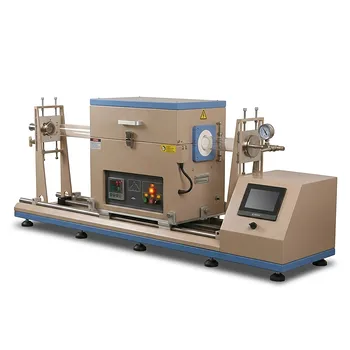
1200C Sliding Tube Furnace for Rapid Thermal Processing and CVD Graphene Growth with 100mm OD Capacity
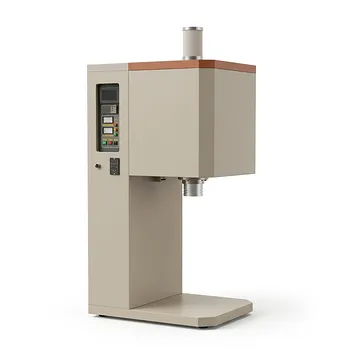
Vertical Openable Tube Furnace 0-1700c High Temperature Laboratory System for CVD and Vacuum Heat Treatment
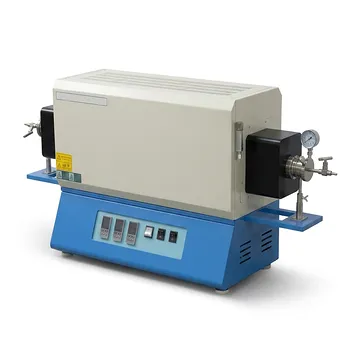
High Temperature Three Temperature Zone Tube Furnace for Advanced Material Science Sintering and Chemical Vapor Deposition Applications
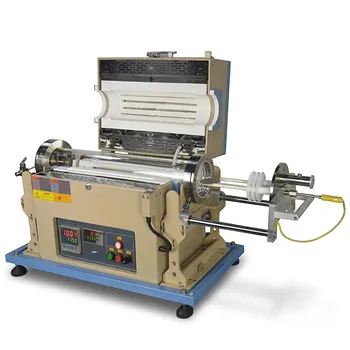
1200°C High Temperature 4 Inch Tube Furnace with Sliding Flange for CVD Systems
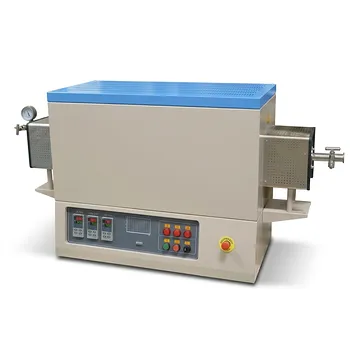
Three Zone Alumina Tube Furnace with Vacuum Flanges High Temperature 1700C Thermal Gradient CVD System
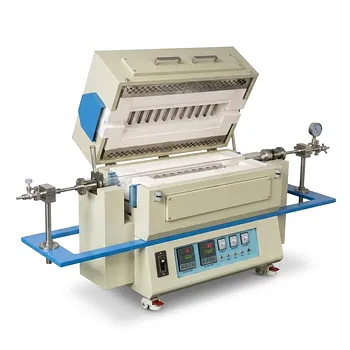
High Temperature Dual Zone Rotating Tube Furnace 1500C Silicon Carbide Heating for Advanced Material Synthesis
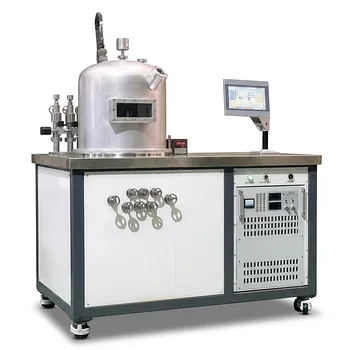
HFCVD Machine System for Nano Diamond Coating on Drawing Dies and Industrial Tools
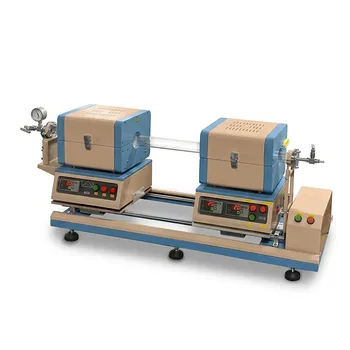
High Temperature 1200C Automatic Sliding Dual Zone Tube Furnace for 2D Transition Metal Dichalcogenides Growth and Material Sublimation Research
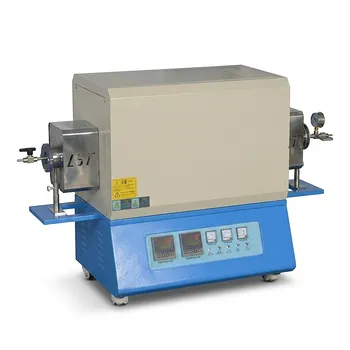
High Temperature Dual Zone Vacuum Tube Furnace for Material Research and CVD Processing
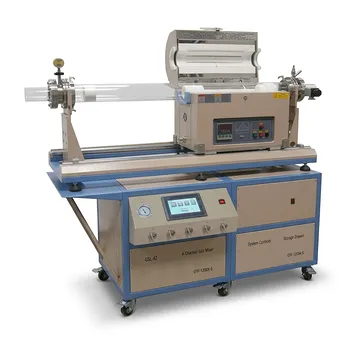
Dual Tube 100mm 80mm CVD Sliding Furnace with 4 Channel Gas Mixing and Vacuum System
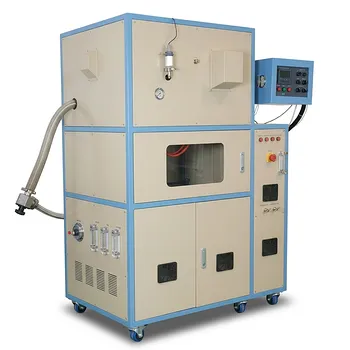
High Temperature Vacuum Graphitization Chamber Furnace 2800C Graphite Heating Elements Bottom Loading

High Temperature 1700C Vertical Tube Furnace for Powder Spherification and Material Sintering
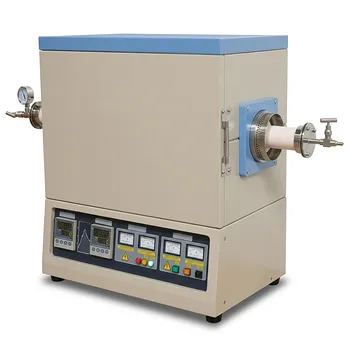
High Temperature 1700C Dual Zone Tube Furnace for Material Science and Industrial Chemical Vapor Deposition Research
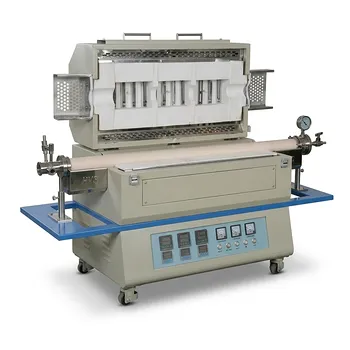
Three Temperature Zone Fast Heating Furnace 1500C Laboratory High Precision Thermal Processing System

High Temperature 1700C Tube Furnace with High Vacuum Turbomolecular Pump System and Multi Channel Mass Flow Controller Gas Mixer
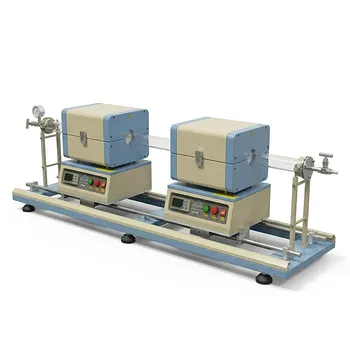
1200C Max Dual Sliding Tube Furnace with 50 mm Tube Flanges for CVD
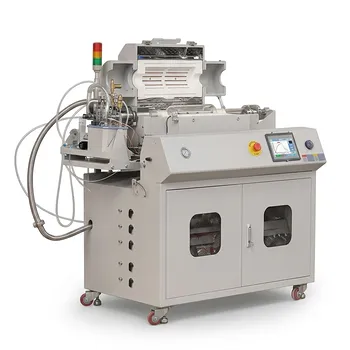
Versatile Chemical Vapor Deposition Tube Furnace System for Advanced Material Research and Industrial Coating Processes
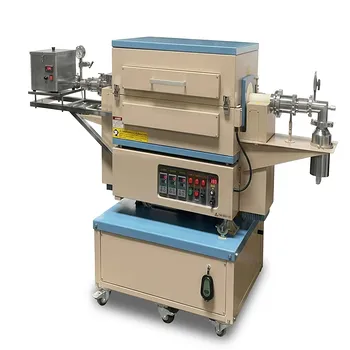
1500C 3-Zone Rotary Tube Furnace 60mm with Automatic Powder Feeding and Receiving System for Continuous Material Synthesis
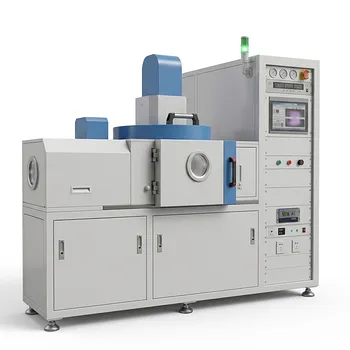
Radio Frequency Plasma Enhanced Chemical Vapor Deposition RF PECVD System for Laboratory and Industrial Thin Film Growth