What are the advantages of using a high-temperature tube furnace for rGO@HCF? Master Precision Carbonization & Reduction
Updated 3 months ago
The primary advantage of using a high-temperature tube furnace for rGO@HCF preparation is the ability to maintain a strictly inert, oxygen-free environment while applying precise thermal gradients. This dual control allows for the simultaneous carbonization of biomass into hollow carbon fibers (HCF) and the thermal reduction of graphene oxide (GO) into rGO, a process that would result in the combustion of the material in standard, oxygen-exposed heating equipment.
The use of an atmosphere-controlled tube furnace is the critical factor in transforming precursor materials into high-performance rGO@HCF composites. By isolating the reaction from ambient air and regulating heating kinetics, the furnace ensures the structural integrity, electrical conductivity, and chemical stability of the final carbon-based product.
Precise Environmental Isolation and Atmosphere Control
Prevention of Material Oxidation
Standard heating equipment, such as muffle furnaces, often lacks the sealing required to exclude oxygen. In rGO@HCF preparation, an oxygen-free environment—typically achieved using high-purity nitrogen or argon—is essential to prevent the carbon precursors from oxidizing or burning away at the required 900 °C treatment temperature.
Regulation of Chemical Potential
Atmosphere control allows for the introduction of specific gases that can intervene in solid-phase reaction kinetics. By adjusting the gas flow and composition, researchers can regulate the oxygen potential, which is necessary to remove oxygen-containing functional groups from graphene oxide while repairing the pi-conjugated system for superior conductivity.
Removal of Volatile Byproducts
The tubular structure of the furnace facilitates the continuous flow of inert gas, which effectively sweeps away volatile components generated during the pyrolysis of biomass. This removal is vital for promoting a complete transformation of the precursor into a clean, graphitized carbon structure without the re-deposition of impurities.
Superior Thermal Regulation and Uniformity
Controlled Heating Rates for Structural Integrity
High-temperature tube furnaces offer precise control over heating rates, such as 5 °C per minute. This gradual ramp-up is critical for maintaining the "hollow" morphology of the fibers, as it prevents rapid gas expansion from rupturing the delicate microtubular structures during the carbonization process.
Uniform Thermal Fields
Unlike standard equipment that may suffer from "hot spots," a tube furnace provides a stable and uniform thermal field. This uniformity ensures that the thermal reduction of graphene oxide occurs evenly across the entire sample, resulting in a material with consistent light absorption rates and mechanical strength.
High-Terminal Temperature Capability
The preparation of rGO@HCF requires temperatures reaching 900 °C to 1000 °C to ensure high-quality graphitization. High-temperature tube furnaces are specifically designed to maintain these extreme environments (with some models reaching up to 1723 K) while remaining stable for extended processing durations.
Understanding the Trade-offs
Operational Complexity and Throughput
The primary limitation of a tube furnace is its batch-processing nature and limited internal volume compared to large industrial kilns. Achieving a high-vacuum or high-purity gas environment requires specialized seals and gas handling systems, which increases the complexity and setup time for each experiment.
Resource Intensity
Operating these systems involves a constant consumption of high-purity inert gases and significant energy to maintain high temperatures. For large-scale production, the cost of gas and the maintenance of quartz or alumina tubes—which can become brittle over time—must be weighed against the superior quality of the carbon materials produced.
Applying This Technology to Your Project
Recommendations for Material Development
- If your primary focus is maximizing electrical conductivity: Use a tube furnace to reach temperatures above 1000 °C under a nitrogen flow to ensure the complete graphitization of the carbon framework.
- If your primary focus is preserving delicate hollow morphologies: Prioritize precise control over the heating ramp rate (e.g., 3–5 °C/min) to prevent structural damage during the decomposition of the biomass precursor.
- If your primary focus is chemical purity and functionalization: Utilize the furnace’s ability to switch gas paths (such as Ar/H2 mixtures) to dynamically tune the reduction level of the graphene oxide.
By leveraging the precise atmosphere and temperature controls of a tube furnace, you can achieve the specific microstructural and functional characteristics required for high-performance rGO@HCF composites.
Summary Table:
| Feature | Standard Heating Equipment | Atmosphere Tube Furnace |
|---|---|---|
| Atmosphere Control | Limited (Oxygen present) | Precise (Inert Ar/N2/Vacuum) |
| Oxidation Risk | High (Combustion likely) | Minimal (Oxygen-free environment) |
| Thermal Uniformity | Low (Potential hot spots) | High (Stable thermal fields) |
| Heating Rate Control | Basic | Precise (e.g., 1-10°C/min) |
| Morphology Preservation | Difficult (Structural rupture) | Excellent (Controlled degassing) |
| Purification | Volatiles may re-deposit | Continuous gas flow sweeps impurities |
Elevate Your Material Research with THERMUNITS Precision
Are you looking to achieve superior structural integrity and conductivity in your rGO@HCF composites? THERMUNITS is a leading manufacturer of high-temperature laboratory equipment specifically designed for material science and industrial R&D.
Our advanced Atmosphere Tube Furnaces provide the critical oxygen-free environment and precise thermal gradients required for sensitive carbonization and reduction processes. Beyond tube furnaces, we offer a comprehensive suite of thermal solutions, including:
- Muffle, Vacuum, and Atmosphere Furnaces
- Rotary and Hot Press Furnaces
- CVD/PECVD Systems for advanced thin-film deposition
- Vacuum Induction Melting (VIM) & Electric Rotary Kilns
- Dental Furnaces and High-Quality Thermal Elements
Don't settle for inconsistent results. Partner with THERMUNITS to access industry-leading expertise and equipment tailored to your specific heat treatment needs.
Contact Our Engineering Team Today to discuss your project requirements and receive a customized solution!
References
- Jie Yang, Xidong Suo. Hollow carbon fiber wrapped by regular rGO wave-like folds for efficient solar driven interfacial water steam generation. DOI: 10.1038/s41598-024-64144-y
Mentioned Products
- 1200°C Atmosphere Controlled Automatic Bottom Loading Furnace with 6 Inch Quartz Tube
- High Temperature Vertical Atmosphere Controlled Furnace with Automatic Bottom Loading and 1700°C Capacity for Advanced Material Research
- 1650C High Temperature Atmosphere Controlled Box Furnace with 65L Chamber for Advanced Material Sintering and Industrial Heat Treatment
- 1700C High Temperature Alumina Tube Furnace with 18 Inch Heated Zone and Vacuum Sealing Flanges
- 1500°C Split Tube Furnace with Alumina Tube and Vacuum Sealing Flanges for Material Research
People Also Ask
- Why is a tube furnace required for FGM-PhG structural color ceramics? Key to Carbon Preservation & Vibrant Color
- Why is an atmosphere-controlled tube furnace required for the pre-sulfidation of NiMo/gamma-Al2O3 catalysts?
- Why is an atmosphere-controlled tube furnace required for 800 °C CNF annealing? Essential for Oxidative Protection.
- Why is an atmosphere-controlled tube furnace required for [email protected]/C preparation? Key for Purity & Structure
- Why is an atmosphere-controlled tube furnace required for single-atom sensor calcination? Ensure Atomic Dispersion.

Tech Team · ThermUnits
Last updated on Jun 03, 2026
Related Products
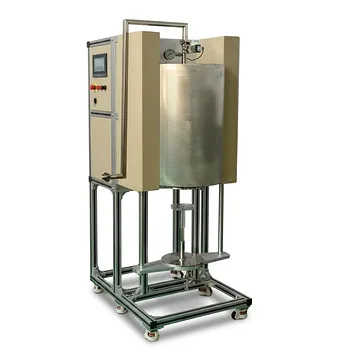
1200°C Atmosphere Controlled Automatic Bottom Loading Furnace with 6 Inch Quartz Tube
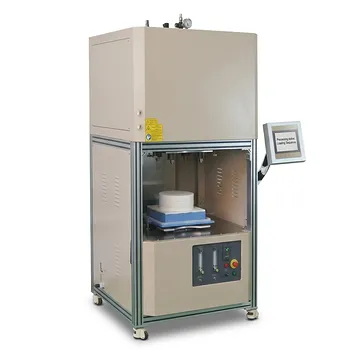
High Temperature Vertical Atmosphere Controlled Furnace with Automatic Bottom Loading and 1700°C Capacity for Advanced Material Research
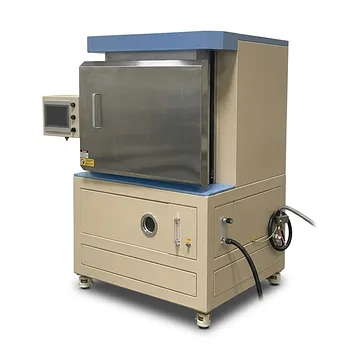
1650C High Temperature Atmosphere Controlled Box Furnace with 65L Chamber for Advanced Material Sintering and Industrial Heat Treatment
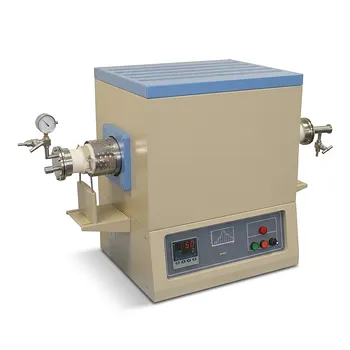
1700C High Temperature Alumina Tube Furnace with 18 Inch Heated Zone and Vacuum Sealing Flanges
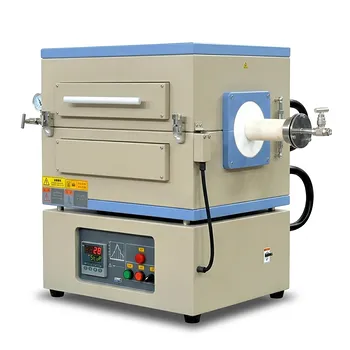
1500°C Split Tube Furnace with Alumina Tube and Vacuum Sealing Flanges for Material Research
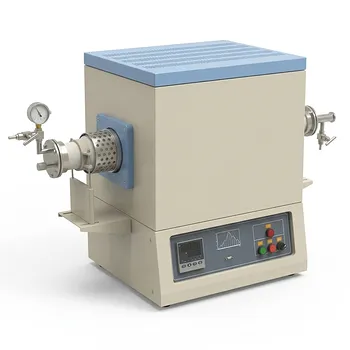
1750°C High Temperature Benchtop Vacuum Atmosphere Tube Furnace with Kanthal Super 1800 Heating Elements and 60mm Alumina Processing Tube
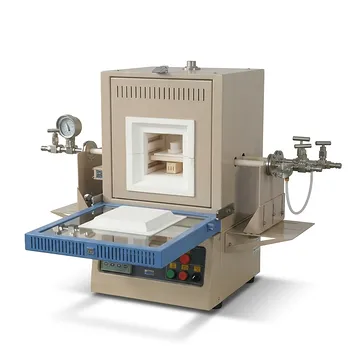
1700C Compact Hybrid Furnace with Dual Layer Box Sintering and Controlled Atmosphere Alumina Tubes
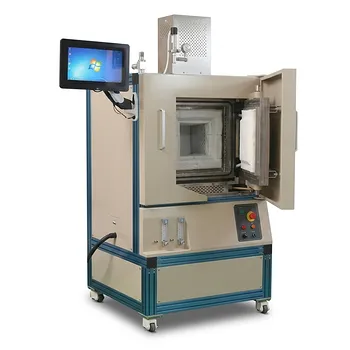
High Temperature Oxygen and Inert Atmosphere Controlled Furnace 8 Liter 1700C Sintering System for Advanced Materials RD
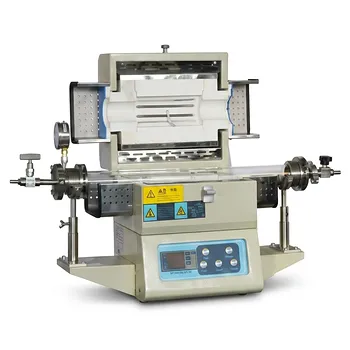
High Temperature 1200C Split Tube Furnace for CVD Research and Vacuum Atmosphere Heat Treatment
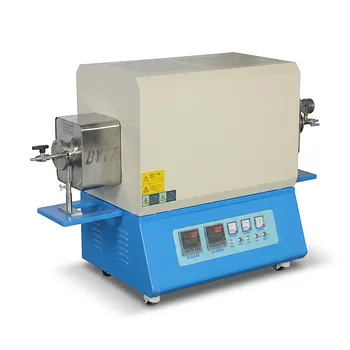
High Temperature Dual Zone Split Tube Furnace for Advanced Atmosphere Sintering and Vacuum CVD Applications
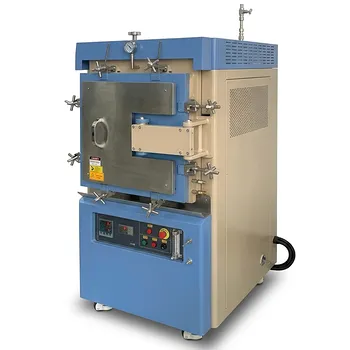
Atmosphere Controlled Muffle Furnace 1700C Maximum Temperature 80L High Capacity Vacuum Inert Gas Box Furnace
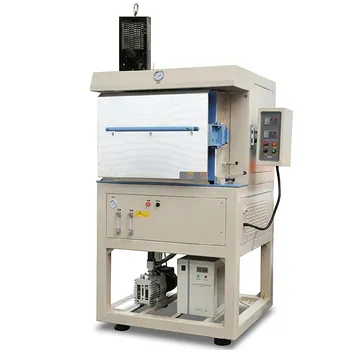
1200C Hydrogen Atmosphere Box Furnace with 5 Heated Sides and 64L Chamber

Vertical 1700C Vacuum and Atmosphere Tube Furnace with 80mm Alumina Tube

High Temperature 1700C Tube Furnace with High Vacuum Turbomolecular Pump System and Multi Channel Mass Flow Controller Gas Mixer
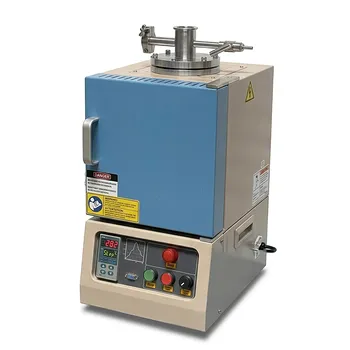
High Temperature Hybrid Muffle and Tube Furnace with Vacuum Capability and PID Control
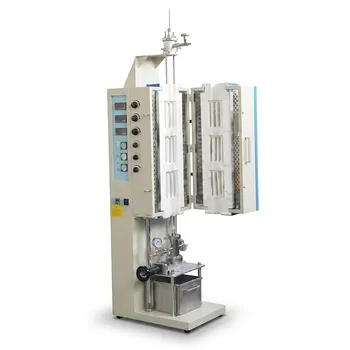
High Temperature Dual Zone Tube Furnace for Material Science Research and Professional Thermal Processing
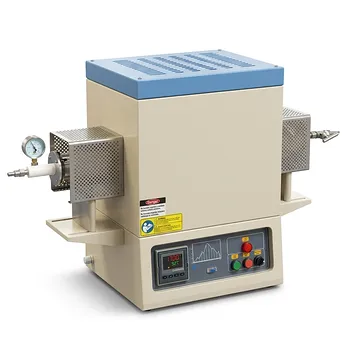
High Temperature Three Zone Tube Furnace 1700C with Alumina Tube and Water Cooled Flanges

High Temperature 1700C Vertical Tube Furnace for Powder Spherification and Material Sintering

High Temperature Automated 5 Inch Tube Furnace for Autonomous Material Research and Advanced Laboratory R&D
