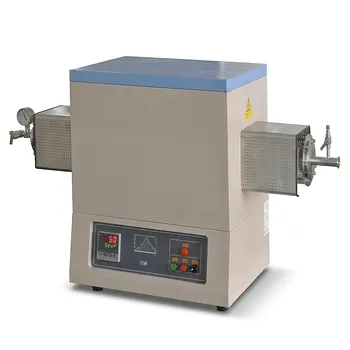
What are the benefits of using high-purity quartz glass tubes? Ensure Chemical Purity & Real-Time Visual Monitoring
Updated 6 months ago
High-purity quartz glass tubes serve as the gold standard for reaction chambers in high-temperature furnace experiments due to their unique combination of thermal resilience, chemical neutrality, and optical transparency. These tubes allow researchers to maintain a pristine environment at temperatures often exceeding 1000°C, ensuring that experimental results are dictated solely by the intended reactants rather than the vessel itself.
High-purity quartz provides a stable, non-reactive, and transparent medium that protects sample integrity while allowing for precise thermal control and real-time visual monitoring. Its primary value lies in its ability to withstand extreme thermal stress without contaminating the chemical process.
Exceptional Thermal Performance and Stability
Resilience Under High Temperature
Quartz glass maintains its structural integrity at extreme temperatures, typically ranging from 700°C to over 1600°C depending on the specific synthesis process. This high-temperature resistance is critical for processes like Self-propagating High-temperature Synthesis (SHS) and Chemical Vapor Deposition (CVD), where the vessel must not soften or deform.
Superior Thermal Shock Resistance
Quartz possesses an extremely low coefficient of thermal expansion, which translates to remarkable thermal shock stability. This allows the tube to withstand rapid temperature fluctuations or steep thermal gradients without fracturing, a common risk in fast-cooling pyrolysis experiments.
Efficient Radiation Transfer
Because quartz is transparent to thermal radiation, heat from furnace elements is transferred directly and efficiently to the sample surface. This ensures that the thermophysical processes within the chamber accurately simulate the intended experimental conditions without the "shadowing" effect of opaque materials.
Preservation of Chemical and Sample Purity
Absolute Chemical Inertness
High-purity quartz is virtually non-reactive with most gases, including nitrogen, oxygen, and carbon monoxide, at testing temperatures up to 700°C and beyond. This chemical stability ensures that measured signals—such as those in sensor testing—result only from the interaction between electrodes and target gases, not the tube walls.
Prevention of Metal Leaching
In the production of sensitive materials like carbon nanotubes or MoS2 thin films, even trace metal impurities can ruin the batch. Quartz acts as a barrier that prevents environmental impurities or metallic ions from leaching into the reaction zone at high temperatures.
Maintaining a Non-Catalytic Environment
Unlike metal reaction vessels, quartz does not catalyze secondary reactions, such as the gas-phase oxidation of carbon monoxide. This ensures a "clean" chemical environment for studying non-catalytic heterogeneous reactions, such as the oxidation of biomass particles.
Optical Transparency and Observation
Real-Time Visual Monitoring
The transparency of quartz allows for the use of high-speed video recording to capture physical changes as they happen. Researchers can observe phenomena like melting, bubble formation, ignition, and the propagation of combustion waves in real-time.
Verification of Physical States
Optical access allows for the immediate identification of phase changes or structural shifts during an experiment. This visual data provides a layer of verification that sensors alone cannot offer, particularly in complex material decomposition studies.
Understanding the Trade-offs and Limitations
Temperature and Chemical Ceilings
While quartz is highly resilient, it has a softening point (typically around 1600°C-1700°C) that limits its use in ultra-high-temperature applications. Furthermore, while it is inert to many substances, it can be etched by specific chemicals like hydrofluoric acid or certain alkaline agents at elevated temperatures.
Handling and Durability
Despite its thermal toughness, quartz is a glass and remains susceptible to mechanical impact and breakage. Additionally, repeated cycling to extreme temperatures can eventually lead to devitrification, where the glass begins to crystallize and lose its transparency and strength.
How to Apply This to Your Project
Recommendations Based on Experimental Goals
- If your primary focus is material purity (e.g., CNT or Biochar): Utilize high-purity quartz to eliminate the risk of metal leaching and ensure the chemical profile of your sample remains uncontaminated.
- If your primary focus is visual kinetics (e.g., Combustion waves): Leverage the optical clarity of quartz tubes to integrate high-speed cameras or spectrometers for real-time data collection.
- If your primary focus is rapid thermal cycling: Rely on the low thermal expansion of quartz to prevent vessel failure during experiments involving fast heating or quenching phases.
By selecting high-purity quartz, you ensure that the reaction chamber remains a silent observer rather than an active participant in your high-temperature research.
Summary Table:
| Key Feature | Major Benefit | Ideal Applications |
|---|---|---|
| Thermal Resilience | Stability up to 1600°C+ | CVD, SHS, Material Synthesis |
| Thermal Shock Stability | Withstands rapid temperature shifts | Pyrolysis, Fast-cooling experiments |
| Chemical Inertness | Prevents contamination & metal leaching | Carbon nanotubes, Semiconductor films |
| Optical Clarity | Real-time visual/sensor monitoring | Combustion studies, Phase change analysis |
Empower Your Research with Precision Thermal Solutions from THERMUNITS
As a global leader in high-temperature laboratory equipment for material science and industrial R&D, THERMUNITS provides the advanced tools necessary for high-stakes experimentation. Our systems are engineered to leverage the unique properties of high-purity quartz and other advanced materials to ensure your results are accurate and repeatable.
Our comprehensive product range includes:
- Tube & Atmosphere Furnaces (Ideal for quartz tube applications)
- CVD/PECVD Systems for advanced thin-film deposition
- Muffle, Vacuum, & Rotary Furnaces
- Hot Press & Vacuum Induction Melting (VIM) Furnaces
- Dental Furnaces & specialized Thermal Elements
Ready to elevate your lab's thermal processing efficiency?
Contact THERMUNITS Today to discuss your specific requirements with our experts and find the perfect heating solution for your next breakthrough.
References
- Karen De Lannoye, Lukas Arnold. Effect of flow velocity, atmosphere and sample thickness on the mass loss rate of PMMA in the tube furnace. DOI: 10.1088/1742-6596/2885/1/012024
Mentioned Products
- 1100°C High Temperature Quartz Chamber Furnace 8 Inch OD with 7.6 Liter Capacity and Vacuum Atmosphere Capability
- High Temperature 1200C Split Tube Furnace with Hinged Vacuum Flanges and 4 Inch Quartz Tube for Laboratory Research
- 1200C High Temperature Atmosphere Controlled Vertical Quenching Tube Furnace with 4 Inch Quartz Tube
- 1100°C Large Diameter Quartz Tube Furnace with 24 Inch Heating Zone and Water Cooled Flanges
- High Temperature Automated 5 Inch Tube Furnace for Autonomous Material Research and Advanced Laboratory R&D
People Also Ask
- Why is a quartz tube furnace necessary for phosphorus-doped MoS2/GO preparation? Ensure Purity & Precise Synthesis
- Benefits of high-vacuum quartz tube furnaces with N2 for Co3O4 nanosheets: Purity and Structural Integrity.
- What conditions does a quartz tube furnace provide for AlxCoCrFeNi steam corrosion tests? Achieve Precise R&D Control.
- Why is high-temperature annealing in a quartz tube furnace done after HfO2 deposition? Unlock peak film performance.
- How does a quartz tube furnace prepare boron-diffused SE? Precision Thermal Control for High-Efficiency Solar Cells

Tech Team · ThermUnits
Last updated on Apr 14, 2026
Related Products
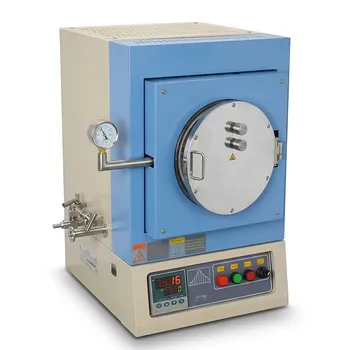
1100°C High Temperature Quartz Chamber Furnace 8 Inch OD with 7.6 Liter Capacity and Vacuum Atmosphere Capability
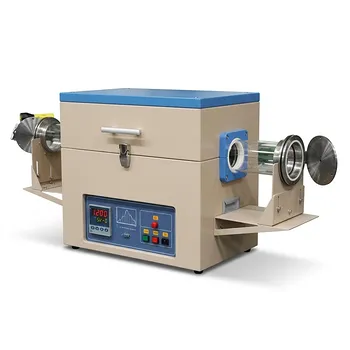
High Temperature 1200C Split Tube Furnace with Hinged Vacuum Flanges and 4 Inch Quartz Tube for Laboratory Research
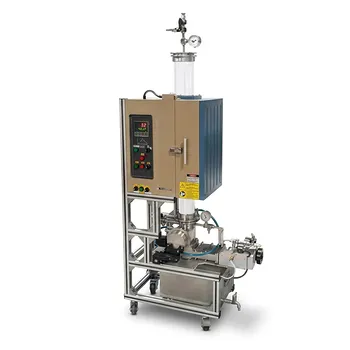
1200C High Temperature Atmosphere Controlled Vertical Quenching Tube Furnace with 4 Inch Quartz Tube
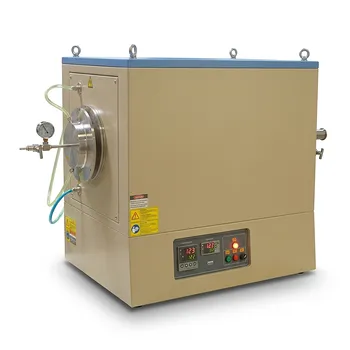
1100°C Large Diameter Quartz Tube Furnace with 24 Inch Heating Zone and Water Cooled Flanges
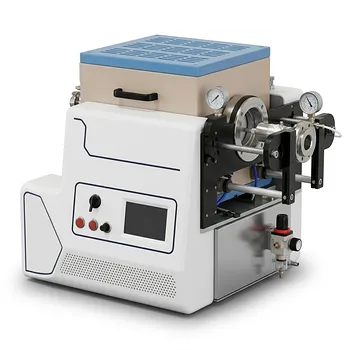
High Temperature Automated 5 Inch Tube Furnace for Autonomous Material Research and Advanced Laboratory R&D
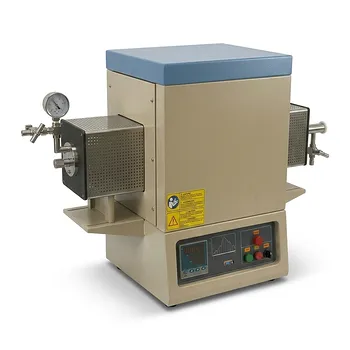
High Temperature 1700C Benchtop Tube Furnace with 5 Inch Heating Zone High Purity Alumina Tube and Vacuum Sealing Flanges
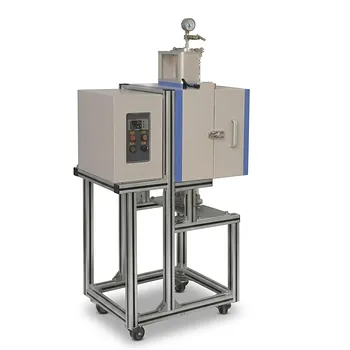
1200°C 5 Inch Vertical Quartz Tube Furnace with Stainless Steel Vacuum Flanges
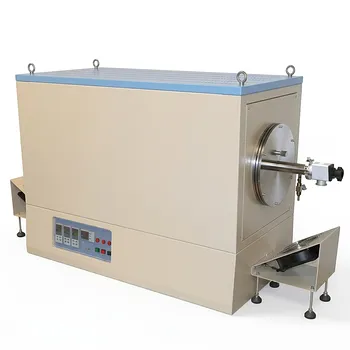
1100°C Three Zone Tube Furnace with 8.5 to 11 Inch OD Quartz Tube and Vacuum Flanges for Large Wafer Processing
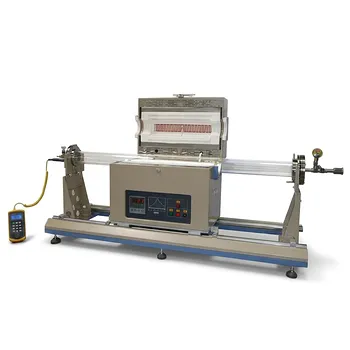
1200C Max Sliding Tube Furnace with 80mm OD Quartz Tube and Vacuum Flanges for Rapid Thermal Processing Fast Heating and Cooling
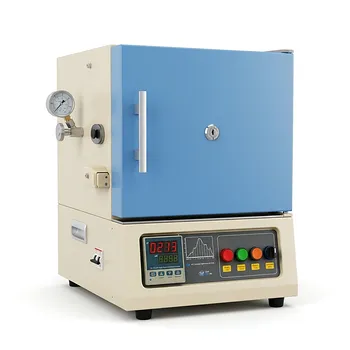
1200C Hybrid Muffle and Tube Furnace for Material Research with Dual Atmosphere Control Quartz Tubes
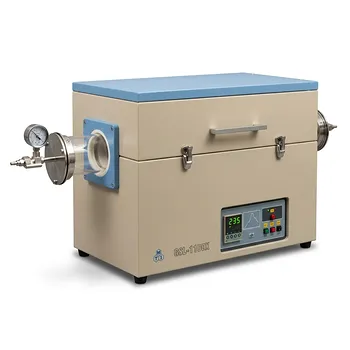
Single Zone Tube Furnace 5 Inch Quartz Tube 36 Inch Heating Zone Vacuum Flanges
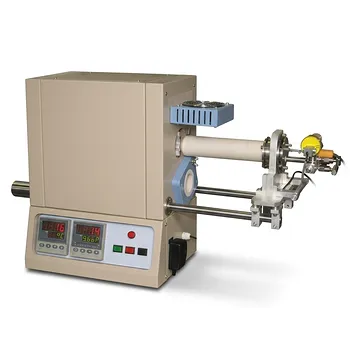
High Temperature Tube Furnace 1500C with Sliding Flanges and 50mm OD for Rapid Thermal Processing Fast Heating and Cooling
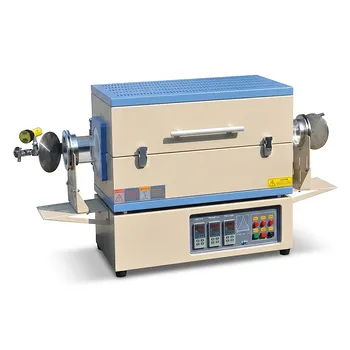
Three Zone Tube Furnace with 24 Inch Heating Length and Hinged Flange Quartz Tube System
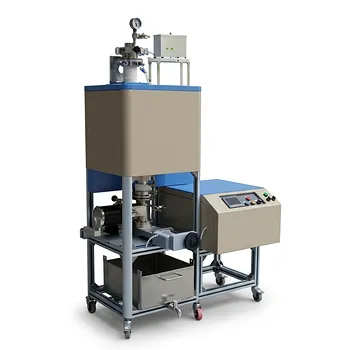
High Temperature 1700C Vertical Tube Furnace for Powder Spherification and Material Sintering
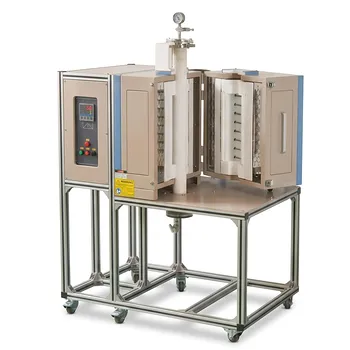
High Temperature 1700C Vertical Split Tube Furnace for Material Quenching and Single Crystal Growth
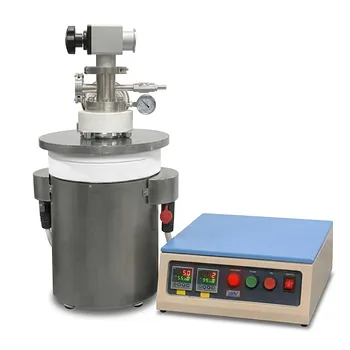
1100C High Temperature Vacuum Crucible Furnace with Quartz Chamber for Thermal Processing and Sintering
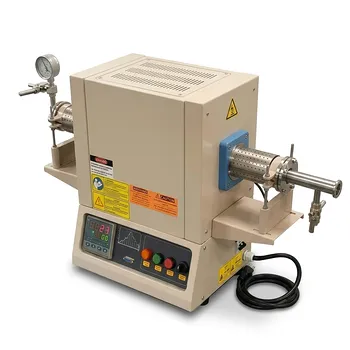
Compact High Temperature 1600C Tube Furnace with 50mm Alumina Tube and Vacuum Flanges for Material Sintering
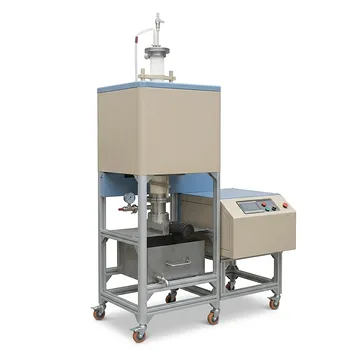
1700C High Temperature Quenching Tube Furnace with 60mm Alumina Tube and Automatic Electromagnet Release System
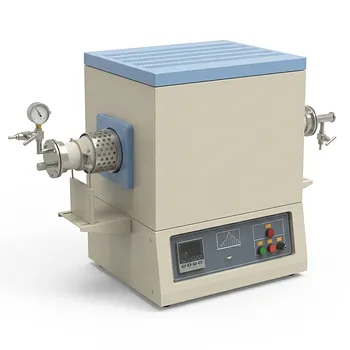
1750°C High Temperature Benchtop Vacuum Atmosphere Tube Furnace with Kanthal Super 1800 Heating Elements and 60mm Alumina Processing Tube