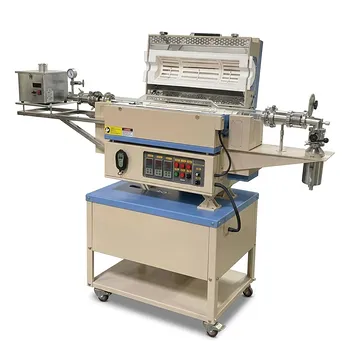
What are the core process advantages of RT-CVD for graphene? Achieve superior film quality and rapid growth cycles.
Updated 3 months ago
Rapid Thermal Chemical Vapor Deposition (RT-CVD) represents a significant leap in graphene synthesis by combining extreme thermal agility with surgical atmospheric control.
An RT-CVD system provides the ability to reach temperatures up to 950°C almost instantaneously while maintaining precise pressure levels, such as 1x10⁻² Torr. This high-precision thermal and gas-flow management (using methane, hydrogen, and nitrogen) allows for the exact regulation of graphene nucleation and growth on copper substrates. The result is the production of high-quality, continuous two-dimensional (2D) thin films with superior crystallization.
The core advantage of RT-CVD lies in its ability to decouple thermal and chemical variables, allowing for rapid heating and near-instantaneous atmospheric switching. This precision ensures a uniform sp2-hybridized carbon lattice and high-quality film continuity that traditional furnace systems struggle to match.
Accelerated Thermal Dynamics and Nucleation Control
Rapid Heating Rates
The primary differentiator of RT-CVD is its extremely fast heating rates, capable of reaching processing temperatures of 950°C in seconds. This speed significantly shortens the overall growth cycle compared to conventional cold-wall or hot-wall furnace systems.
By reducing the time the substrate spends at high temperatures, the system minimizes unwanted secondary reactions and substrate evaporation. This thermal agility is essential for maintaining the integrity of the catalytic copper foil.
Management of Nucleation Energy
The precise thermal field control of RT-CVD equipment effectively lowers the nucleation energy barrier. This is particularly effective when used in conjunction with seed-assisted methods, such as Graphene Oxide (GO) seeds.
Controlled heating allows for a more predictable distribution of graphene "islands." This leads to the formation of a stronger bond between the graphene film and the substrate, which is vital for subsequent transfer processes.
Precision Atmospheric and Pressure Regulation
Fine Gas-Path Control
RT-CVD systems utilize regulated flow rates of methane (CH4), hydrogen (H2), and nitrogen (N2) to dictate the chemical environment. This precision ensures that the catalytic decomposition of methane on the copper surface happens at a controlled, reproducible rate.
The system’s ability for instantaneous atmospheric switching is a cornerstone of modern nanostructure engineering. It allows for the quick exhaustion of gases and immediate transitions between different chemical phases, which is necessary for creating complex heterojunctions.
High-Vacuum Stability
Maintaining a high-vacuum environment (around 1x10⁻² Torr) is critical for producing large-area, uniform films. Low pressure reduces gas-phase reactions, ensuring that carbon deposition occurs primarily through surface-catalyzed reactions on the metal foil.
This vacuum stability helps in reducing film thickness fluctuations to within 5 percent. Such consistency is non-negotiable for the development of high-performance optoelectronic devices and precision sensors.
Enhancing Material Quality and Crystallinity
Uniform sp2-Hybridized Lattice
The precisely controlled environment of an RT-CVD system ensures the formation of a high-quality sp2-hybridized carbon lattice. This molecular structure is what provides graphene with its legendary electrical conductivity and mechanical strength.
By accurately regulating the ratio of hydrogen to methane, the system facilitates the growth of large-area films with low sheet resistance. This is essential for constructing effective electron transport pathways in semiconductor applications.
Superior Crystallization Quality
Industrial-grade RT-CVD systems ensure exceptional temperature uniformity within the furnace chamber. Uniformity prevents the formation of defects and multi-layer patches that can degrade the performance of single-layer graphene.
Higher crystallinity results in an ID/IG ratio as low as 0.31, indicating a very low density of structural defects. This level of purity is required for sensitive applications like 3D photodetectors and high-speed transistors.
Understanding the Trade-offs
System Complexity and Maintenance
The high-speed heating elements and sophisticated gas-path controls make RT-CVD systems significantly more complex and expensive than standard CVD setups. The mechanical stress caused by rapid thermal cycling can also lead to shorter lifespans for certain internal components.
Substrate Sensitivity
While rapid heating protects the substrate from prolonged heat exposure, the thermal shock can sometimes induce wrinkles or strain in the copper foil. Achieving a perfectly flat, large-area film requires a delicate balance between ramp-up speed and substrate thickness.
How to Apply RT-CVD to Your Project
Making the Right Choice for Your Goal
- If your primary focus is high-throughput production: RT-CVD is the ideal choice due to its ability to significantly shorten growth cycles through rapid heating and cooling.
- If your primary focus is high-performance electronics: The system’s precision gas and pressure control will provide the high crystallization and low sheet resistance necessary for carrier mobility.
- If your primary focus is complex heterostructures: Utilize the system's capacity for instantaneous atmospheric switching to create clean interfaces between different carbon allotropes or 1D materials.
- If your primary focus is cost-sensitive research: Consider whether a standard CVD system might suffice, as the high capital and maintenance costs of RT-CVD are only justified when extreme precision or speed is required.
Ultimately, RT-CVD provides the technical bridge between laboratory-scale graphene discovery and the rigorous quality standards required for industrial-grade optoelectronic applications.
Summary Table:
| Feature | RT-CVD Advantage | Impact on Graphene |
|---|---|---|
| Heating Rate | Up to 950°C in seconds | Shorter cycles; prevents substrate evaporation |
| Atmosphere Control | Instantaneous gas switching | Precise nucleation and clean heterojunctions |
| Vacuum Stability | Maintains 1x10⁻² Torr | Large-area uniformity; <5% thickness fluctuation |
| Material Quality | High sp2-hybridized lattice | Superior conductivity and low defect density (ID/IG ~0.31) |
Master Graphene Synthesis with Precision RT-CVD Technology
Are you looking to achieve superior graphene quality with unprecedented speed? THERMUNITS is a leading manufacturer of high-performance thermal processing solutions designed for the most demanding material science and industrial R&D applications. From advanced CVD/PECVD systems to high-vacuum furnaces, our equipment delivers the thermal agility and atmospheric control required for industrial-grade results.
Why Partner with THERMUNITS?
- Precision Engineering: Reach target temperatures rapidly with surgical gas-flow and pressure management.
- Versatile Solutions: We offer a comprehensive range including Muffle, Vacuum, Atmosphere, Tube, Rotary, and Hot Press furnaces, as well as VIM and Dental furnaces.
- Expert Support: We help you optimize nucleation and film continuity for high-performance electronics and semiconductor applications.
Contact our thermal experts today to discover how THERMUNITS can accelerate your laboratory heat treatment projects and enhance your research efficiency!
References
- X-MoS2/GO/Graphene Heterostructures and Doping Effects: KPFM Based Study of Surface Potential. DOI: 10.33263/briac145.118
Mentioned Products
- 1200C Sliding Tube Furnace for Rapid Thermal Processing and CVD Graphene Growth with 100mm OD Capacity
- Dual Tube 100mm 80mm CVD Sliding Furnace with 4 Channel Gas Mixing and Vacuum System
- Radio Frequency Plasma Enhanced Chemical Vapor Deposition RF PECVD System for Laboratory and Industrial Thin Film Growth
- Versatile Chemical Vapor Deposition Tube Furnace System for Advanced Material Research and Industrial Coating Processes
- HFCVD Machine System for Nano Diamond Coating on Drawing Dies and Industrial Tools
People Also Ask
- Why is a Tube Furnace typically utilized for CVD? Achieve Precision in Graphene and 2D Material Synthesis
- CVD Tube Furnace Advantages for Pd-P Catalyst Durability: Precision Control for 40,000+ Cycles
- What is the function of CVD furnaces in graphene prep? Enhancing Photodetector Charge Transport
- Why use CVD and a tube furnace for Pd3P0.95/NC catalyst phosphidation? Ensure high phase purity and performance.
- How does a tube furnace system equipped with gas mass flow controllers facilitate the MCW process? Optimize Graphene Yield

Tech Team · ThermUnits
Last updated on Jun 02, 2026
Related Products
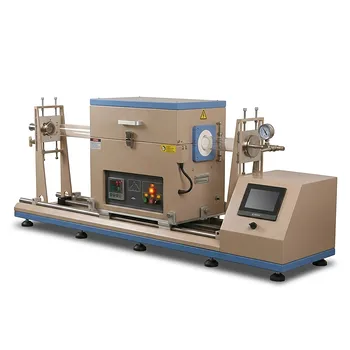
1200C Sliding Tube Furnace for Rapid Thermal Processing and CVD Graphene Growth with 100mm OD Capacity
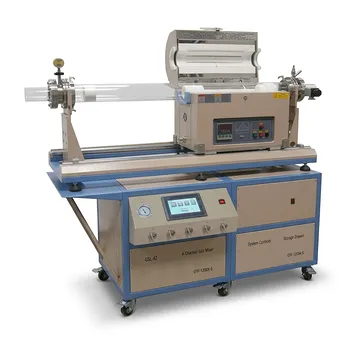
Dual Tube 100mm 80mm CVD Sliding Furnace with 4 Channel Gas Mixing and Vacuum System
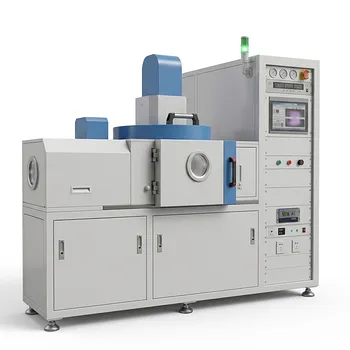
Radio Frequency Plasma Enhanced Chemical Vapor Deposition RF PECVD System for Laboratory and Industrial Thin Film Growth
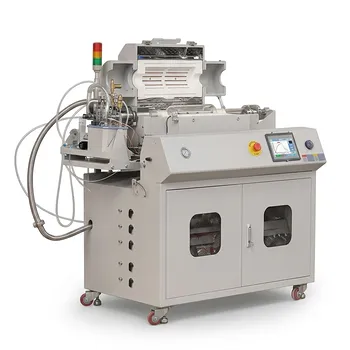
Versatile Chemical Vapor Deposition Tube Furnace System for Advanced Material Research and Industrial Coating Processes
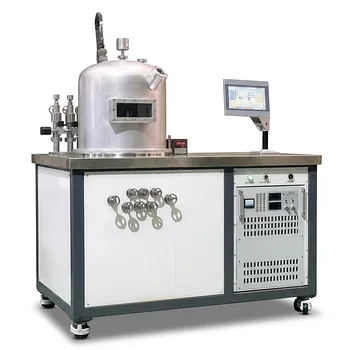
HFCVD Machine System for Nano Diamond Coating on Drawing Dies and Industrial Tools
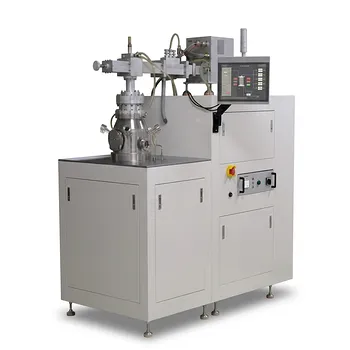
Cylindrical Resonator MPCVD Machine System for Microwave Plasma Chemical Vapor Deposition and Lab Diamond Growth
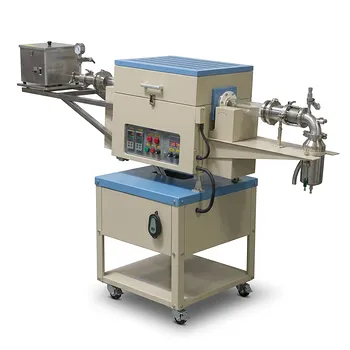
Two Zone Rotary CVD Furnace with Automatic Feeding and Receiving System for Powder Processing
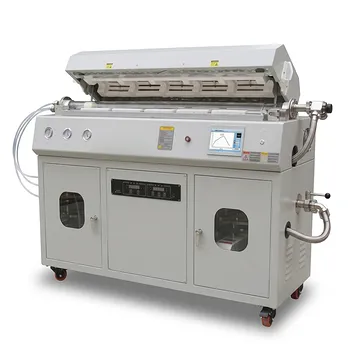
Multi Heating Zones CVD Tube Furnace System for Precision Chemical Vapor Deposition and Advanced Material Synthesis
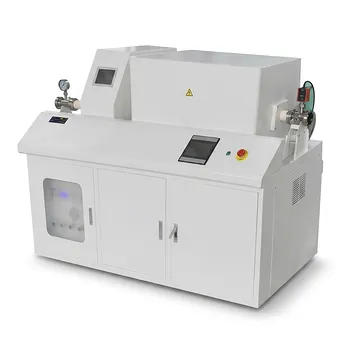
Chemical Vapor Deposition CVD System Slide PECVD Tube Furnace with Liquid Gasifier PECVD Machine
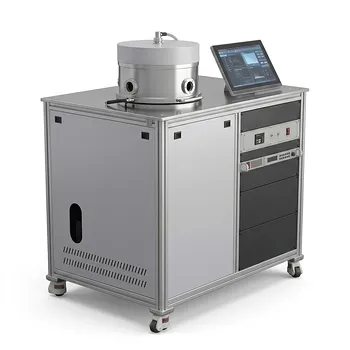
Inclined Rotary Plasma Enhanced Chemical Vapor Deposition PECVD System for Thin Film Deposition and Nanomaterial Synthesis
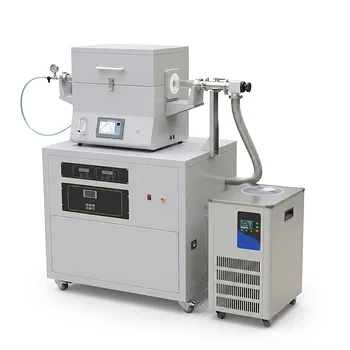
Split Chamber CVD Tube Furnace with Vacuum Station Chemical Vapor Deposition System Machine
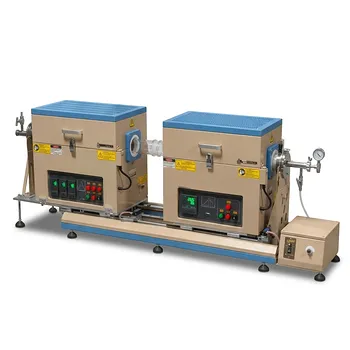
1200C Dual Temperature Zone Slidable Tube Furnace for 2D Material Growth and TCVD Synthesis
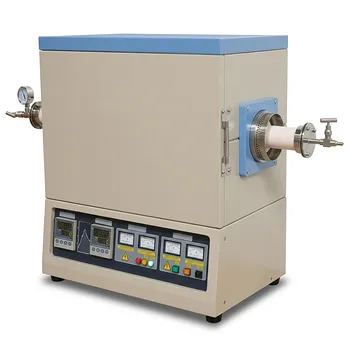
High Temperature 1700C Dual Zone Tube Furnace for Material Science and Industrial Chemical Vapor Deposition Research
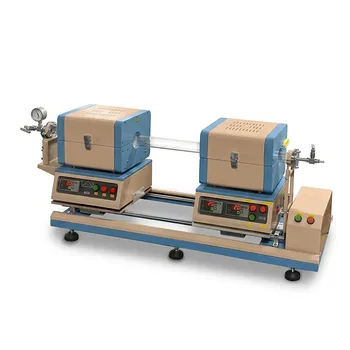
High Temperature 1200C Automatic Sliding Dual Zone Tube Furnace for 2D Transition Metal Dichalcogenides Growth and Material Sublimation Research
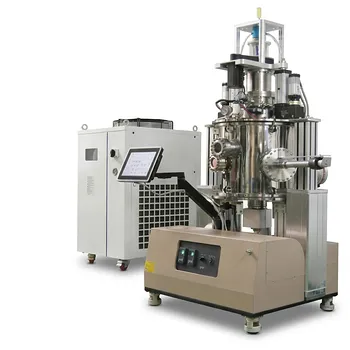
950C Rapid Thermal Processing Furnace for 12 Inch Wafer CSS Coating with Rotating Substrate Holder
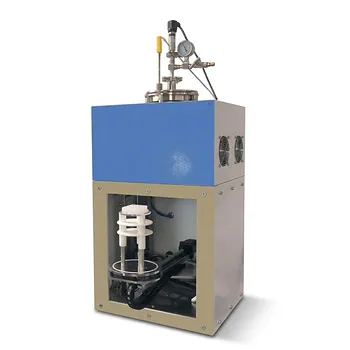
Rapid Thermal Processing Furnace 1100C Atmosphere Controlled Bottom Loading RTP System for Wafer Annealing and Catalysis Research
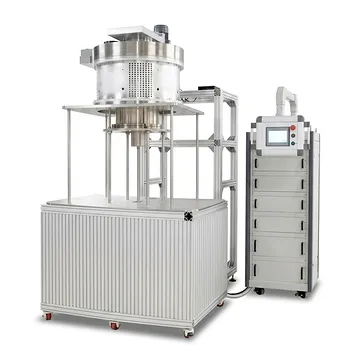
915MHz MPCVD Diamond Machine Microwave Plasma Chemical Vapor Deposition System Reactor
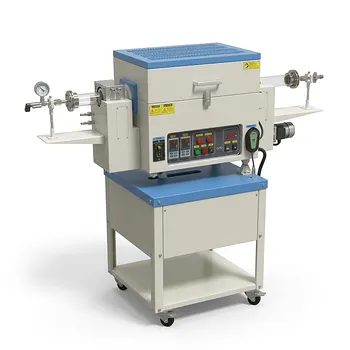
4 Inch Two Zone Rotary CVD Tube Furnace for High Temperature Battery Material Synthesis and Advanced Material Calcination
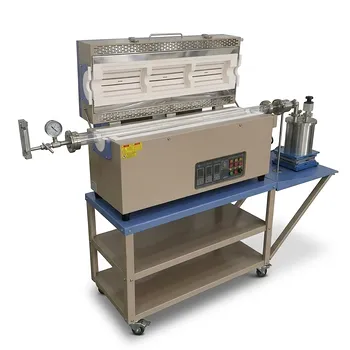
5 Inch Two Zone Rotary Tube Furnace 1100C for Powder CVD and Material Synthesis