What are the primary functions and technical advantages of MPCVD equipment? High-Purity Diamond Synthesis & More
Updated 5 months ago
Microwave Plasma Chemical Vapor Deposition (MPCVD) is the premier technology for synthesizing ultra-high-purity diamond and advanced carbon-based materials. It utilizes microwave energy—typically at a frequency of 2.45 GHz—to generate a stable, electrodeless plasma that dissociates precursor gases into highly reactive species. This process enables the growth of dense films and single crystals with superior mechanical, thermal, and electronic properties while maintaining a contamination-free environment.
MPCVD provides a uniquely clean, high-density reactive environment by eliminating internal electrodes, making it the industry standard for producing high-quality single-crystal diamonds and precision-engineered semiconductor materials.
Primary Functions of MPCVD Equipment
High-Purity Diamond Synthesis
The primary function of MPCVD is the specialized growth of single-crystal and polycrystalline diamond films. These materials are valued for their extreme hardness, high thermal conductivity, and optical transparency. By controlling gas ratios and pressure, the system can produce Type IIa diamonds with nitrogen impurities below 1 ppm.
Precision Gas Dissociation
MPCVD systems establish a high-intensity electric field that accelerates free electrons to collide with neutral gas molecules, such as methane (CH4) and hydrogen (H2). This process creates a plasma of atomic hydrogen and carbon-containing radicals. These reactive species are essential for depositing solid films onto a substrate under controlled low-pressure conditions (1 to 27 kPa).
Advanced Doping and Surface Engineering
The equipment is used to create specialized materials like boron and nitrogen co-doped catalysts. The high-energy environment ensures that dopant atoms are uniformly distributed within the material lattice. This allows researchers to regulate electron density and optimize chemical reactivity for applications in energy and environmental science.
Key Technical Advantages
Electrodeless Plasma Generation
Because the plasma is generated via microwave excitation rather than physical electrodes, there is no material erosion or metallic contamination. This "clean" plasma environment is critical for maintaining the extreme purity required in electronic and quantum applications. It allows for long-duration, stable deposition runs without the degradation common in filament-based systems.
Precise Surface Modification via Cold Plasma
MPCVD allows for cold plasma hydrogenation, where surface reactions occur at temperatures typically below 120 °C. This prevents the deep diffusion of hydrogen atoms that can damage near-surface structures. This capability is vital for preserving the fluorescence performance of Nitrogen-Vacancy (NV) color centers in quantum diamond sensors.
Stable, High-Density Reactive Environment
The microwave-driven plasma is exceptionally stable, providing a consistent flux of reactive species to the growth surface. This stability results in minimal structural defects and highly uniform film growth. The high plasma density also facilitates faster growth rates compared to standard thermal CVD methods.
Understanding the Trade-offs
Thermal Management and Cooling
While MPCVD operates at lower temperatures than traditional thermal CVD, the high-intensity microwave field generates significant heat. This requires sophisticated water-cooling systems for both the chamber and the substrate holder. Failure to manage these thermal loads can lead to non-uniform growth or damage to the vacuum seals.
System Complexity and Cost
MPCVD equipment is generally more complex and expensive to operate than basic PECVD or thermal CVD systems. The requirement for microwave generators, waveguides, and precise pressure controllers increases the initial capital investment. Additionally, scaling the plasma for very large-area substrates remains a technical challenge compared to other deposition methods.
How to Apply This to Your Project
Making the Right Choice for Your Goal
- If your primary focus is ultra-high purity electronics: MPCVD is the essential choice because its electrodeless design eliminates metallic impurities that would degrade semiconductor performance.
- If your primary focus is quantum sensing or NV centers: Utilize the cold plasma hydrogenation feature to clean surfaces without passivating delicate near-surface nitrogen vacancies.
- If your primary focus is high-speed industrial coatings: Consider MPCVD for its ability to produce dense, defect-free polycrystalline films with superior mechanical hardness.
By leveraging the electrodeless stability of MPCVD, engineers can achieve a level of material purity and structural integrity that is currently unattainable through traditional chemical vapor deposition methods.
Summary Table:
| Feature | Function/Benefit | Key Application |
|---|---|---|
| Electrodeless Plasma | Eliminates metallic contamination | Quantum & Electronic Diamonds |
| High-Density Environment | Faster, uniform film growth | Industrial Hard Coatings |
| Cold Plasma Tech | Surface modification < 120°C | NV Color Center Sensors |
| Precise Gas Control | High-purity gas dissociation | Type IIa Diamond Production |
Elevate Your Material Synthesis with THERMUNITS
As a leading manufacturer of high-temperature laboratory equipment for material science and industrial R&D, THERMUNITS provides the precision and reliability your research demands. Our comprehensive range of solutions—including CVD/PECVD systems, Muffle, Vacuum, Atmosphere, Tube, and Hot Press furnaces—is designed to help you achieve superior material purity and structural integrity.
Ready to enhance your lab's thermal processing capabilities? Contact us today to discuss your specific requirements with our technical team!
Mentioned Products
- Cylindrical Resonator MPCVD Machine System for Microwave Plasma Chemical Vapor Deposition and Lab Diamond Growth
- 915MHz MPCVD Diamond Machine Microwave Plasma Chemical Vapor Deposition System Reactor
- Multi Heating Zones CVD Tube Furnace System for Precision Chemical Vapor Deposition and Advanced Material Synthesis
- Chemical Vapor Deposition CVD System Slide PECVD Tube Furnace with Liquid Gasifier PECVD Machine
- Radio Frequency Plasma Enhanced Chemical Vapor Deposition RF PECVD System for Laboratory and Industrial Thin Film Growth
People Also Ask
- How does the high concentration of atomic hydrogen in MPCVD benefit diamond growth? The Key to Gem-Grade Quality.
- What are the typical operating pressure ranges and vacuum requirements for MPCVD systems? Optimize Your Material Growth
- What technical parameters are critical for optimizing the growth of single-crystal diamonds in MPCVD systems? Expert Guide
- What are the technical advantages of the electrodeless plasma design in MPCVD systems? Purity & Precision in Synthesis
- How does the versatility of gas compatibility in MPCVD systems compare to filament-based CVD methods? Purity & Doping.

Tech Team · ThermUnits
Last updated on Apr 14, 2026
Related Products
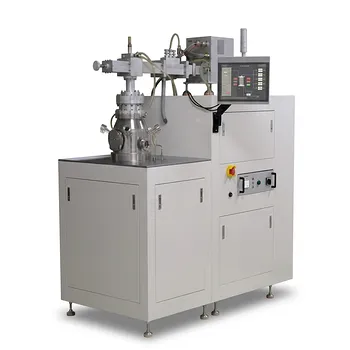
Cylindrical Resonator MPCVD Machine System for Microwave Plasma Chemical Vapor Deposition and Lab Diamond Growth
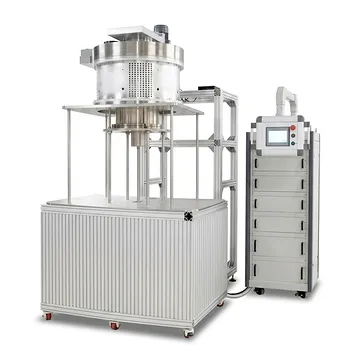
915MHz MPCVD Diamond Machine Microwave Plasma Chemical Vapor Deposition System Reactor
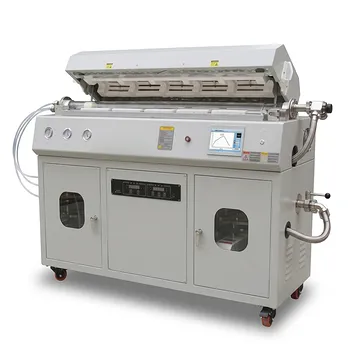
Multi Heating Zones CVD Tube Furnace System for Precision Chemical Vapor Deposition and Advanced Material Synthesis
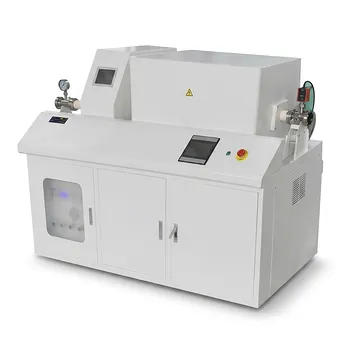
Chemical Vapor Deposition CVD System Slide PECVD Tube Furnace with Liquid Gasifier PECVD Machine
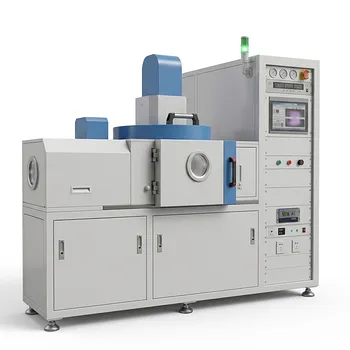
Radio Frequency Plasma Enhanced Chemical Vapor Deposition RF PECVD System for Laboratory and Industrial Thin Film Growth
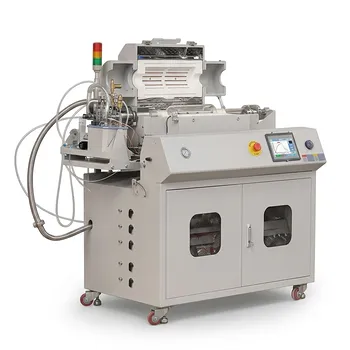
Versatile Chemical Vapor Deposition Tube Furnace System for Advanced Material Research and Industrial Coating Processes
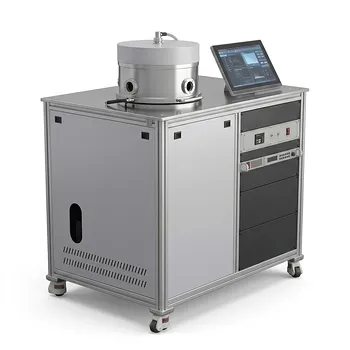
Inclined Rotary Plasma Enhanced Chemical Vapor Deposition PECVD System for Thin Film Deposition and Nanomaterial Synthesis
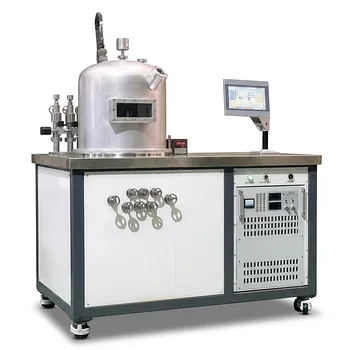
HFCVD Machine System for Nano Diamond Coating on Drawing Dies and Industrial Tools
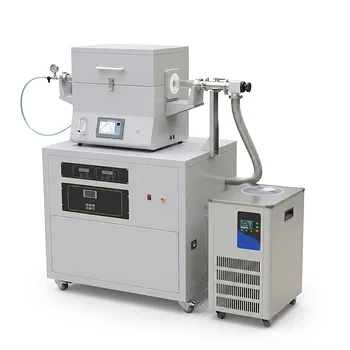
Split Chamber CVD Tube Furnace with Vacuum Station Chemical Vapor Deposition System Machine
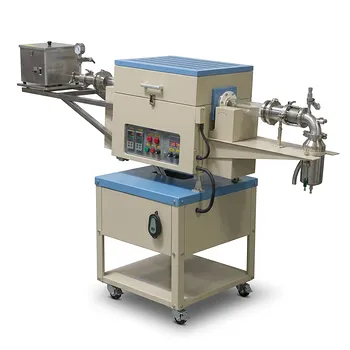
Two Zone Rotary CVD Furnace with Automatic Feeding and Receiving System for Powder Processing
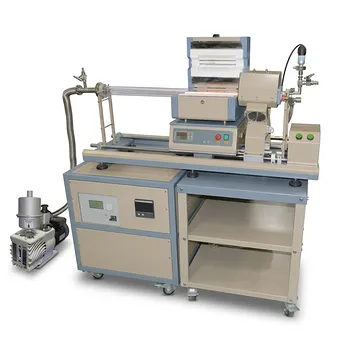
1200C Max Compact Auto-Sliding PECVD Furnace with 2 Inch Tube and Vacuum Pump
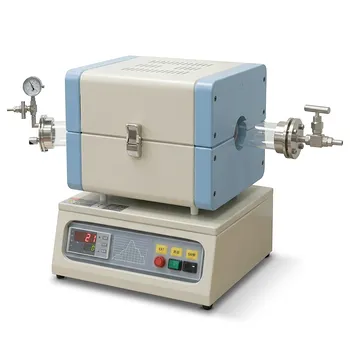
1200C Tube Furnace with Internal Magnetic Sample Sliding for Direct Vaporizing Deposition and Rapid Thermal Processing
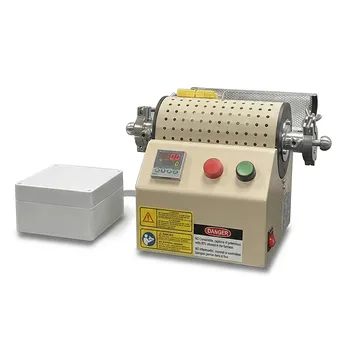
1000C Mini Tube Furnace with 20mm Quartz Tube and Vacuum Flanges for Material Science Research and Controlled Atmosphere Small Sample Processing
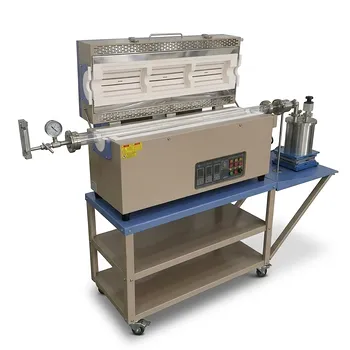
5 Inch Two Zone Rotary Tube Furnace 1100C for Powder CVD and Material Synthesis
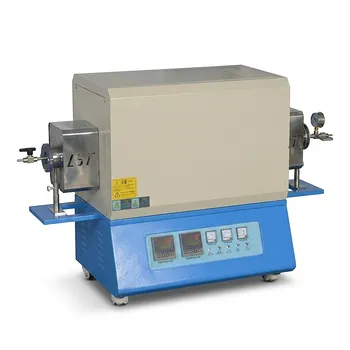
High Temperature Dual Zone Vacuum Tube Furnace for Material Research and CVD Processing
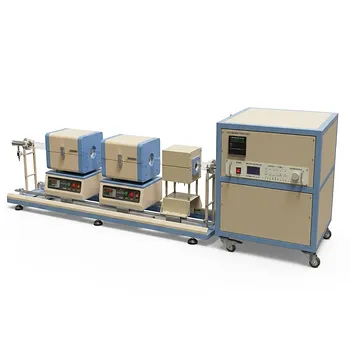
1200C Dual Sliding Tube Furnace with Dual Tubes and Flanges for PECVD Processes
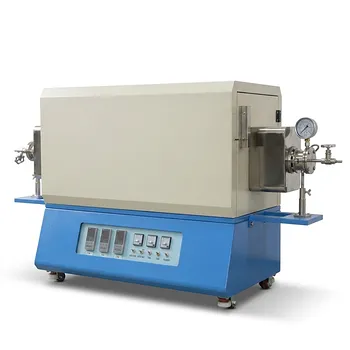
Three Temperature Zone High Temperature Vacuum Tube Furnace for CVD and Material Sintering
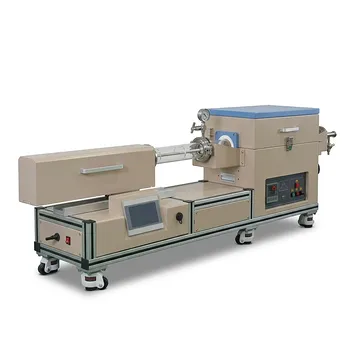
1200C Sliding Internal Crucible Tube Furnace for Controlled Atmosphere Thin Film Deposition and Material Sublimation Research
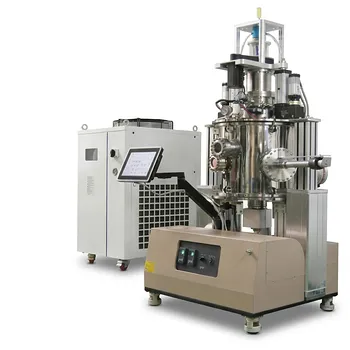
950C Rapid Thermal Processing Furnace for 12 Inch Wafer CSS Coating with Rotating Substrate Holder