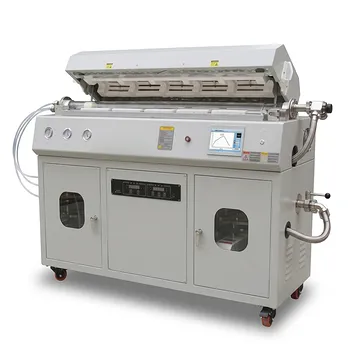
Why is a double-zone tube furnace required for CVD of WS2? Master Thermal Precision for High-Quality 2D Materials
Updated 3 months ago
The requirement for a double-zone tube furnace in WS2 synthesis stems from the fundamental thermal mismatch between its precursors. A double-zone furnace allows for the independent regulation of the low-temperature environment needed for sulfur sublimation and the high-temperature environment required for the tungsten precursor reaction. Without this spatial and thermal separation, it is impossible to synchronize the delivery of sulfur vapor with the activation of the tungsten source, leading to poor crystal quality or failed deposition.
Core Takeaway: A double-zone furnace provides the necessary "kinetic synchronization" by decoupling sulfur vapor pressure control from the reaction energy required at the substrate. This independent control is the primary lever for managing crystal orientation, layer thickness, and chemical stoichiometry.
Managing Precursor Thermal Mismatch
Decoupling Sublimation and Reaction Temperatures
Sulfur powder typically requires relatively low temperatures (around 200°C to 280°C) to sublimate into a stable vapor. In contrast, tungsten precursors like tungsten trioxide (WO3) require significantly higher temperatures, often between 800°C and 900°C, to undergo solid-gas phase transformation and sulfurization.
A single-zone furnace cannot maintain these two distinct thermal profiles simultaneously. If the furnace is hot enough to react the tungsten, the sulfur will evaporate instantly and exhaust before the reaction begins; if it is cool enough for the sulfur, the tungsten remains inert.
Precise Control of Sulfur Vapor Pressure
The first heating zone (upstream) acts as a dedicated source controller. By precisely adjusting this zone's temperature, researchers can maintain a stable partial pressure of sulfur vapor throughout the growth process.
This stability is critical because the sulfur vapor must be transported by a carrier gas (like Argon) to the second zone at a constant rate. An inconsistent sulfur supply leads to non-uniform films and unwanted secondary phases.
Achieving Structural and Crystalline Quality
Regulating Growth Orientation and Morphology
The dual-zone configuration is the primary tool for determining whether WS2 crystals grow horizontally (flat) or vertically on the substrate. The temperature gradient between the two zones influences the supersaturation levels of the reactants at the substrate surface.
This micro-level control ensures that the growth energy is directed toward high-quality, large-scale crystal domains. It also allows for the synthesis of specific structures like nanobelts or few-layered nanosheets by matching the vapor pressure of the reactants to the transformation rate.
Optimization of Doping and Stoichiometry
When specialized materials like niobium-doped (Nb-doped) WS2 are required, a double-zone furnace becomes even more vital. It allows the sulfur source to be managed independently of the complex precursor mixtures and substrates in the reaction zone.
This ensures that the dopant and the sulfur reach the reaction site at the optimal time. Such precision is necessary to control the final doping concentration and maintain the electronic properties of the semiconductor.
Understanding the Trade-offs
The Complexity of Gradient Management
While dual zones offer control, they also introduce a temperature gradient boundary between the zones. If the transition between the low-temp and high-temp zones is too abrupt or too gradual, it can cause precursors to prematurely condense on the tube walls.
System Calibration Challenges
Operating a double-zone system requires more rigorous calibration than a single-zone setup. Users must account for the thermal lag between zones and the effect of gas flow on the actual temperature profile of the precursors, which can differ from the furnace's digital setpoints.
How to Apply This to Your Synthesis
Making the Right Choice for Your Goal
To achieve the best results with a double-zone furnace, align your thermal parameters with your specific material objectives:
- If your primary focus is large-area monolayer films: Set the upstream sulfur zone to a lower, stable temperature (approx. 200°C) to ensure a slow, controlled delivery that promotes epitaxial growth.
- If your primary focus is vertical growth or nanostructures: Increase the sulfur vapor pressure by raising the Zone-1 temperature while maintaining a high thermal gradient in Zone-2 to drive vertical orientation.
- If your primary focus is doped or alloyed WS2: Use the dual-zone capability to precisely time the arrival of sulfur vapor to match the sublimation window of your specific dopant (e.g., Nb or P).
By mastering the independent thermal controls of a double-zone furnace, you transform the CVD process from a blunt chemical reaction into a precision engineering tool for 2D materials.
Summary Table:
| Feature | Purpose in WS2 Synthesis | Impact on Material Quality |
|---|---|---|
| Zone 1 (Upstream) | Low-temp sulfur sublimation (200-280°C) | Ensures stable sulfur vapor pressure & delivery |
| Zone 2 (Downstream) | High-temp reaction (800-900°C) | Enables tungsten source activation & deposition |
| Thermal Separation | Decouples sublimation from reaction | Prevents precursor depletion & ensures stoichiometry |
| Gradient Control | Manages heating boundaries | Controls crystal orientation (horizontal vs. vertical) |
| Kinetic Sync | Matches arrival of different precursors | Promotes large-area monolayer growth & doping |
Elevate Your 2D Material Research with THERMUNITS
Achieving the perfect crystal structure in WS2 synthesis requires more than just heat—it requires precision control. THERMUNITS is a leading manufacturer of high-performance laboratory equipment tailored for material science and industrial R&D.
Our advanced Double-Zone Tube Furnaces and CVD/PECVD systems are specifically designed to handle the critical thermal profiles needed for high-quality chemical vapor deposition. Beyond CVD, we offer a comprehensive range of thermal solutions, including:
- Furnaces: Muffle, Vacuum, Atmosphere, Tube, Rotary, and Hot Press.
- Specialized Systems: Dental Furnaces, Electric Rotary Kilns, and Vacuum Induction Melting (VIM) furnaces.
- Components: High-quality Thermal Elements and lab heat treatment accessories.
Whether you are focusing on monolayer films or doped nanostructures, our expert team is ready to provide the reliable equipment your research demands.
Ready to optimize your thermal processing? Contact THERMUNITS today to discuss your project requirements!
References
- Yuxin Zhang, Yue Wang. WS2 with Controllable Layer Number Grown Directly on W Film. DOI: 10.3390/nano14161356
Mentioned Products
- High Temperature Dual Zone Vacuum Tube Furnace for Material Research and CVD Processing
- Double Temperature Zone Double Cover Tube Furnace for High Temperature CVD and Vacuum Annealing
- 5 Inch Two Zone Rotary Tube Furnace 1100C for Powder CVD and Material Synthesis
- High Temperature Dual Zone Split Tube Furnace for Advanced Atmosphere Sintering and Vacuum CVD Applications
- Two Zone Rotary Tube Furnace for Powder CVD Coating and Core Shell Material Synthesis 1100C
People Also Ask
- What are the primary technical advantages of using a dual-zone tube furnace for MoS2? Optimize CVD Precision & Yield
- What is the primary function of an industrial-grade dual-zone tube furnace? Mastering CuInP2S6 CVT Crystal Growth
- What are the advantages of using a dual-zone tube furnace for MoS2 CVD? Optimize Precursor Control and Material Quality
- Purpose of the reverse gradient step in CVT growth? Master Crystal Purity with Dual-Zone Furnaces
- What are the technical advantages of using a dual-zone tube furnace for growing large PdCoO2 crystals via CVT? Expert Tips

Tech Team · ThermUnits
Last updated on Jun 02, 2026
Related Products
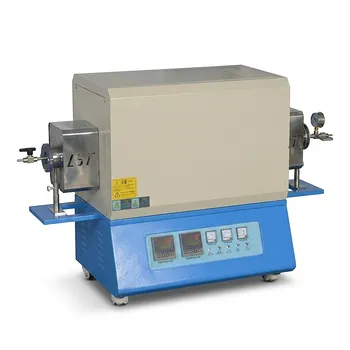
High Temperature Dual Zone Vacuum Tube Furnace for Material Research and CVD Processing
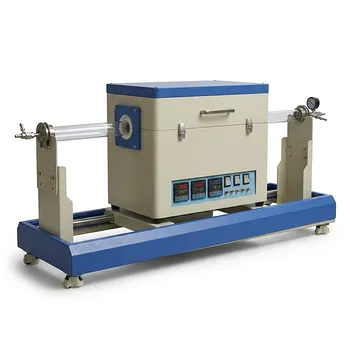
Double Temperature Zone Double Cover Tube Furnace for High Temperature CVD and Vacuum Annealing
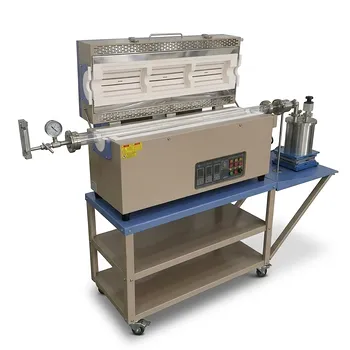
5 Inch Two Zone Rotary Tube Furnace 1100C for Powder CVD and Material Synthesis
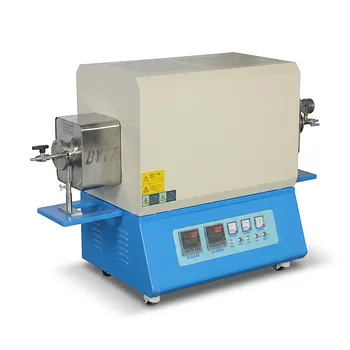
High Temperature Dual Zone Split Tube Furnace for Advanced Atmosphere Sintering and Vacuum CVD Applications
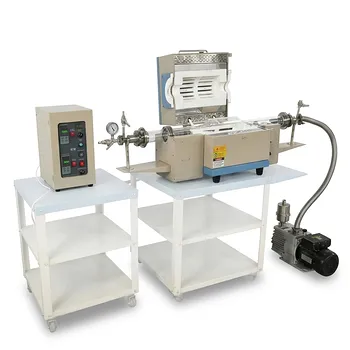
Two Zone Rotary Tube Furnace for Powder CVD Coating and Core Shell Material Synthesis 1100C
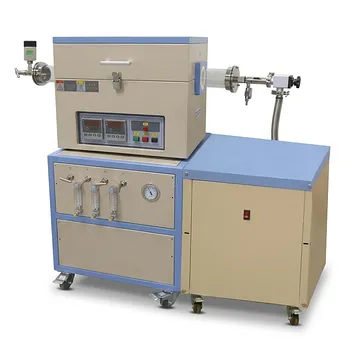
Dual Zone Quartz Tube Furnace with 80mm Diameter 1200C Max Temperature 3 Channel Gas Mixer and Vacuum Pump System
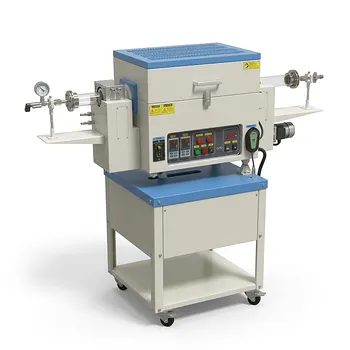
4 Inch Two Zone Rotary CVD Tube Furnace for High Temperature Battery Material Synthesis and Advanced Material Calcination
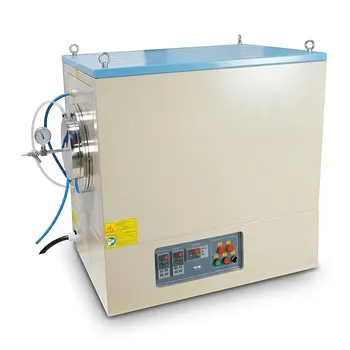
Dual Zone Tube Furnace 1100C with 11 Inch Quartz Tube and Vacuum Flanges for 8 Inch Wafer Processing
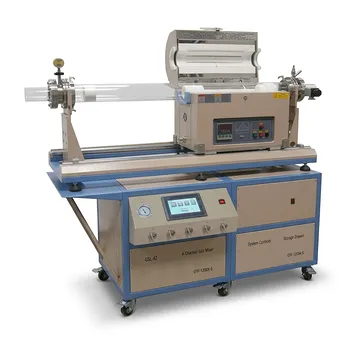
Dual Tube 100mm 80mm CVD Sliding Furnace with 4 Channel Gas Mixing and Vacuum System
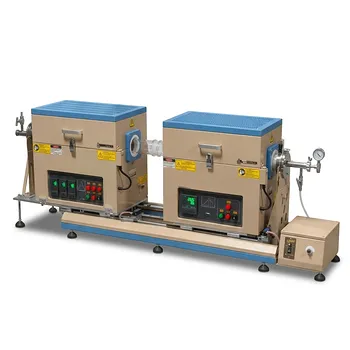
1200C Dual Temperature Zone Slidable Tube Furnace for 2D Material Growth and TCVD Synthesis
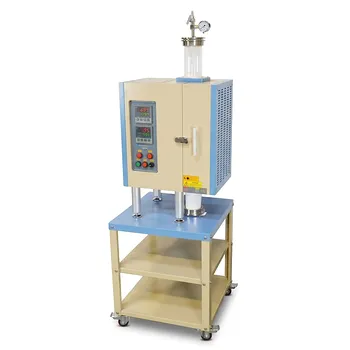
1100°C Dual Zone Split Vertical Tube Furnace with 4 Inch Quartz Tube and Vacuum Sealing Flanges
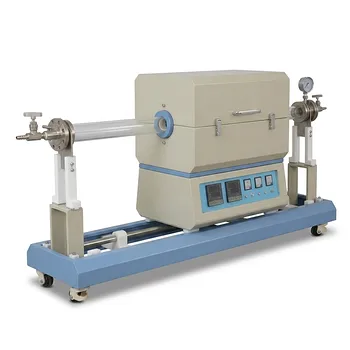
Double Zone Fast Heating Tube Furnace High Temperature Vacuum Atmosphere System
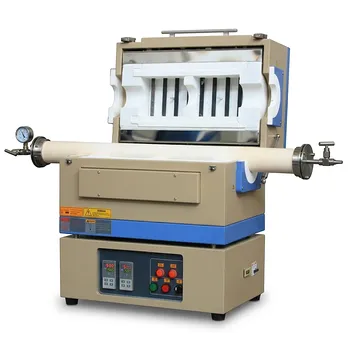
1500C Two Zone Split Tube Furnace with Vacuum Flange and 80mm Alumina Tube
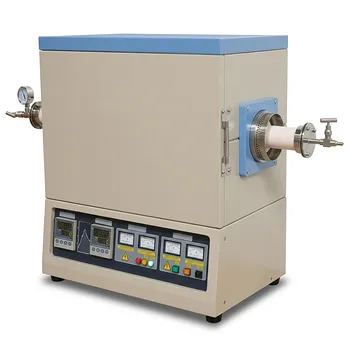
High Temperature 1700C Dual Zone Tube Furnace for Material Science and Industrial Chemical Vapor Deposition Research
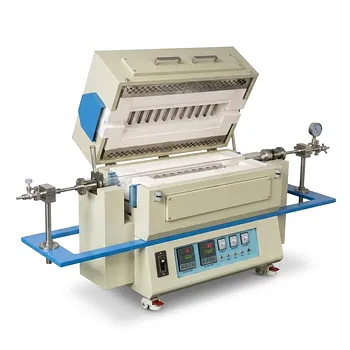
High Temperature Dual Zone Rotating Tube Furnace 1500C Silicon Carbide Heating for Advanced Material Synthesis
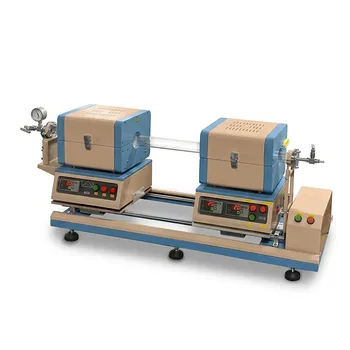
High Temperature 1200C Automatic Sliding Dual Zone Tube Furnace for 2D Transition Metal Dichalcogenides Growth and Material Sublimation Research
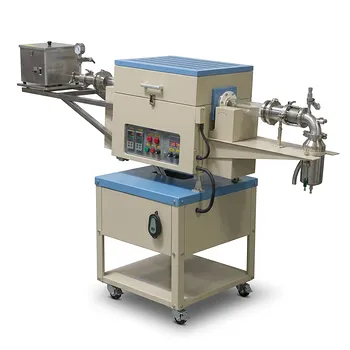
Two Zone Rotary CVD Furnace with Automatic Feeding and Receiving System for Powder Processing
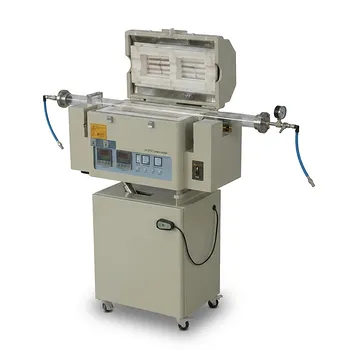
Double Temperature Revolving Tube Furnace with Precision Rotation and Adjustable Inclination for Advanced Material Research
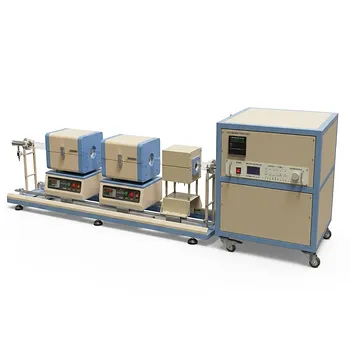
1200C Dual Sliding Tube Furnace with Dual Tubes and Flanges for PECVD Processes