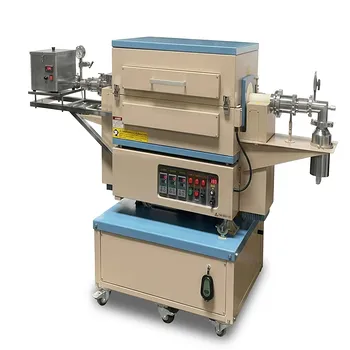
What are the temperature zone requirements for high-purity MoO3 and sulfur/selenium in CVD? Enhance TMD Film Quality
Updated 3 months ago
For successful Chemical Vapor Deposition (CVD), high-purity Molybdenum Trioxide (MoO3) must be positioned in the central high-temperature reaction zone, while sulfur or selenium powder precursors are placed in the upstream low-temperature heating zone. This specific spatial arrangement allows for independent control over volatilization rates, ensuring that the chalcogen (sulfur or selenium) vapor reaches the substrate before the molybdenum oxide vapor to facilitate uniform film growth.
Core Takeaway: Effective TMD synthesis depends on a temperature gradient that prioritizes the early arrival of sulfur or selenium vapors at the substrate, creating the stoichiometric conditions necessary for high-quality, single-layer Molybdenum Disulfide (MoS2) or Molybdenum Diselenide (MoSe2) films.
Spatial Dynamics of Precursor Placement
The Upstream Low-Temperature Zone
The upstream zone is reserved for sulfur or selenium powders because these materials have significantly lower volatilization temperatures than metal oxides. By placing them upstream in a lower temperature range, the system can precisely regulate the density of the chalcogen vapor stream entering the reaction area.
The Central High-Temperature Reaction Zone
The high-purity MoO3 is placed in the center of the furnace, where temperatures are highest. This zone provides the thermal energy required to volatilize the molybdenum oxide and provides the necessary environment for the chemical reaction to occur on the target substrate.
Maintaining the Stoichiometric Environment
The goal of this dual-zone configuration is to ensure the substrate is "pre-soaked" in sulfur or selenium vapor. When the MoO3 eventually volatilizes and reaches the substrate, the abundance of chalcogen atoms ensures a precise stoichiometric reaction, preventing the formation of sub-oxides or non-uniform crystal structures.
Understanding the Trade-offs and Pitfalls
The Risk of Improper Thermal Offsets
If the temperature zones are not correctly offset, the MoO3 may volatilize before a sufficient concentration of sulfur or selenium vapor has reached the substrate. This leads to poor stoichiometry, resulting in films with high defect densities or incomplete crystal lattices.
Managing Precursor Depletion
Independent control is a double-edged sword; if the upstream zone is too hot, the sulfur or selenium will deplete rapidly, causing the growth process to fail mid-cycle. Conversely, if the temperature is too low, the lack of chalcogen vapor will prevent the reduction of MoO3, halting the formation of the desired single-layer film.
Substrate Positioning Sensitivities
The physical distance between the MoO3 source and the substrate within the high-temperature zone is critical. Small shifts in position can lead to variations in film thickness, as the concentration of molybdenum vapor decreases significantly as it moves away from the source boat.
Implementing Zone Control for Specific Research Goals
How to Apply This to Your Process
To achieve the best results in your CVD synthesis, you must calibrate your furnace ramp rates and gas flow speeds in conjunction with these temperature zones.
- If your primary focus is single-layer uniformity: Ensure the upstream zone reaches its target temperature several minutes before the central zone to establish a saturated chalcogen atmosphere.
- If your primary focus is crystal grain size: Increase the central zone temperature slightly to enhance surface mobility, while maintaining a high chalcogen-to-metal ratio via the upstream zone.
- If your primary focus is minimizing defects: Use a carrier gas to precisely tune the transport speed of the vapors from the low-temperature zone to the high-temperature reaction site.
By mastering the independent management of these thermal zones, you ensure the repeatable production of high-quality, high-purity two-dimensional materials.
Summary Table:
| Precursor | Furnace Zone | Temperature Profile | Key Role in CVD |
|---|---|---|---|
| High-Purity MoO3 | Central Reaction Zone | High Temperature | Volatilization and chemical reaction on substrate. |
| Sulfur/Selenium | Upstream Zone | Low Temperature | Early volatilization to saturate the reaction atmosphere. |
| Carrier Gas | Flow Path | Controlled Velocity | Transports chalcogen vapors to the high-temp reaction site. |
Optimize Your TMD Synthesis with THERMUNITS Precision Systems
Successful 2D material growth requires more than just heat; it demands the surgical precision of multi-zone thermal control. THERMUNITS is a leading manufacturer of high-temperature laboratory equipment, providing advanced CVD/PECVD systems, Tube furnaces, and Vacuum solutions tailored for material science and industrial R&D.
Our thermal processing equipment is engineered to provide the stable temperature gradients necessary for stoichiometric perfection in high-purity Molybdenum Trioxide (MoO3) and chalcogen reactions. From Muffle and Rotary furnaces to specialized Dental and Hot Press systems, we empower researchers to achieve repeatable, high-quality results.
Ready to elevate your heat treatment capabilities? Contact THERMUNITS Today to explore our comprehensive range of laboratory thermal solutions and expert technical support.
References
- Jitendra Singh, Hung‐Wei Yen. Growth of Wafer‐Scale Single‐Crystal 2D Semiconducting Transition Metal Dichalcogenide Monolayers. DOI: 10.1002/advs.202307839
Mentioned Products
- Multi Heating Zones CVD Tube Furnace System for Precision Chemical Vapor Deposition and Advanced Material Synthesis
- Chemical Vapor Deposition CVD System Slide PECVD Tube Furnace with Liquid Gasifier PECVD Machine
- Dual Tube 100mm 80mm CVD Sliding Furnace with 4 Channel Gas Mixing and Vacuum System
- High Temperature 1700C Tube Furnace with High Vacuum Turbomolecular Pump System and Multi Channel Mass Flow Controller Gas Mixer
- Split Chamber CVD Tube Furnace with Vacuum Station Chemical Vapor Deposition System Machine
People Also Ask
- How does a sliding rail design benefit the CVD process within a furnace ventilation hood? Enhance Control & Quenching
- How does the deposition process occur within a Chemical Vapor Deposition (CVD) reactor? Explore the 5-Stage Growth Cycle
- What are the primary differences between hot-wall and cold-wall CVD reactors? Choose the Best System for High Purity
- What is the primary function of a CVD system in the synthesis of Bi2O2Se thin films? Master High-Quality Crystal Growth
- What is the core function of a CVD system in FG-FET fabrication? High-Quality Graphene Synthesis for Research

Tech Team · ThermUnits
Last updated on Jun 03, 2026
Related Products
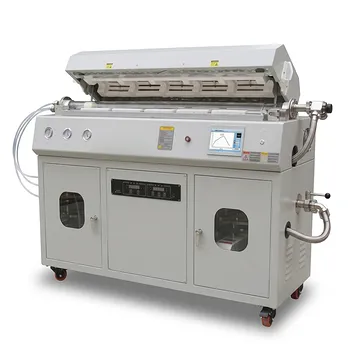
Multi Heating Zones CVD Tube Furnace System for Precision Chemical Vapor Deposition and Advanced Material Synthesis
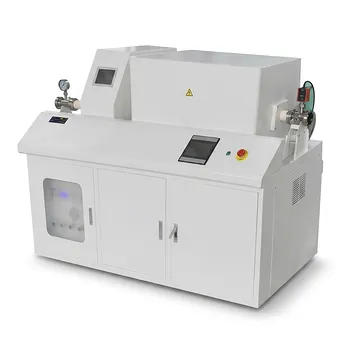
Chemical Vapor Deposition CVD System Slide PECVD Tube Furnace with Liquid Gasifier PECVD Machine
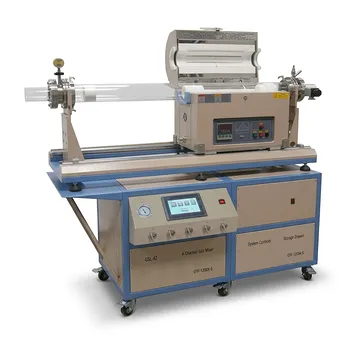
Dual Tube 100mm 80mm CVD Sliding Furnace with 4 Channel Gas Mixing and Vacuum System

High Temperature 1700C Tube Furnace with High Vacuum Turbomolecular Pump System and Multi Channel Mass Flow Controller Gas Mixer
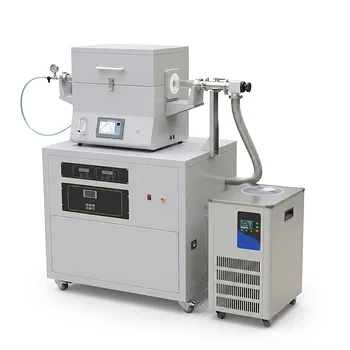
Split Chamber CVD Tube Furnace with Vacuum Station Chemical Vapor Deposition System Machine
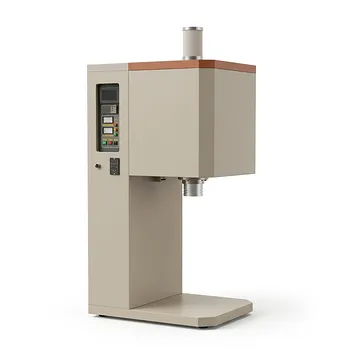
Vertical Openable Tube Furnace 0-1700c High Temperature Laboratory System for CVD and Vacuum Heat Treatment
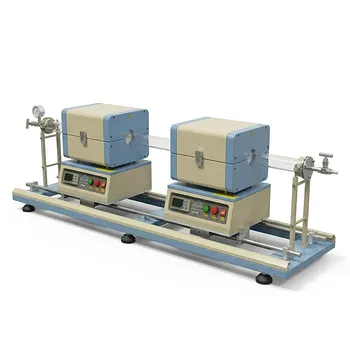
1200C Max Dual Sliding Tube Furnace with 50 mm Tube Flanges for CVD
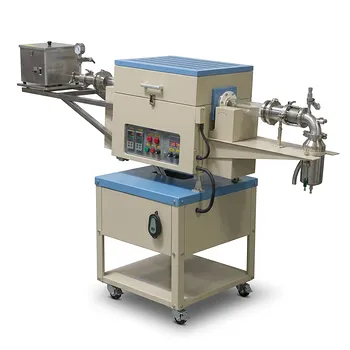
Two Zone Rotary CVD Furnace with Automatic Feeding and Receiving System for Powder Processing
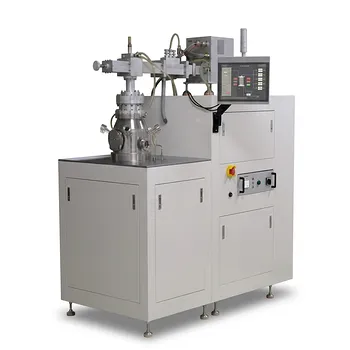
Cylindrical Resonator MPCVD Machine System for Microwave Plasma Chemical Vapor Deposition and Lab Diamond Growth
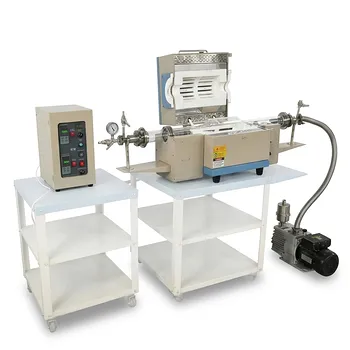
Two Zone Rotary Tube Furnace for Powder CVD Coating and Core Shell Material Synthesis 1100C
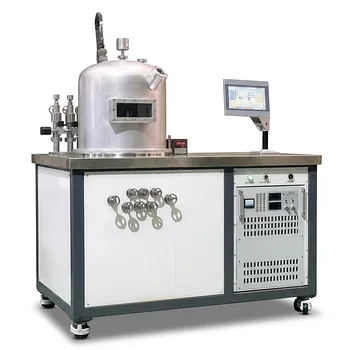
HFCVD Machine System for Nano Diamond Coating on Drawing Dies and Industrial Tools
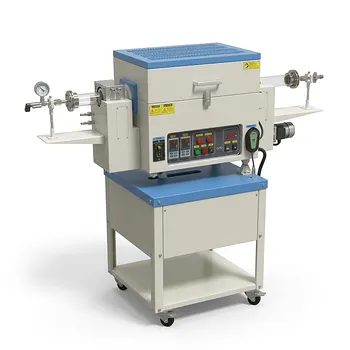
4 Inch Two Zone Rotary CVD Tube Furnace for High Temperature Battery Material Synthesis and Advanced Material Calcination
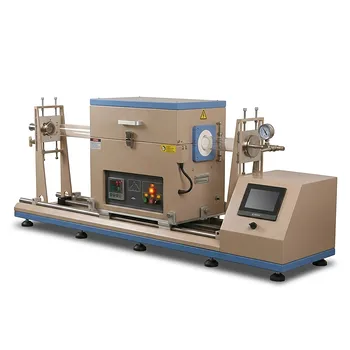
1200C Sliding Tube Furnace for Rapid Thermal Processing and CVD Graphene Growth with 100mm OD Capacity
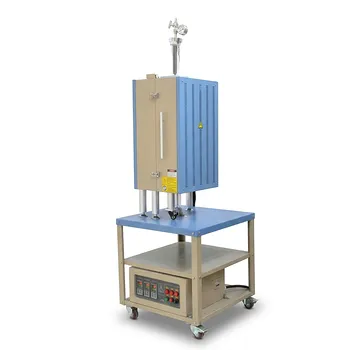
1200C Three Zone Vertical Tube Furnace with 2 Inch Quartz Tube and Vacuum Flanges
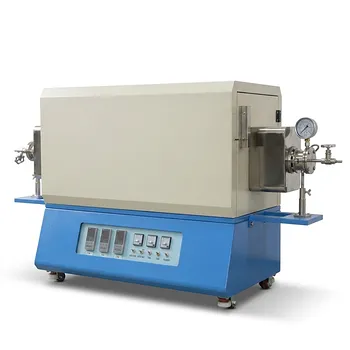
Three Temperature Zone High Temperature Vacuum Tube Furnace for CVD and Material Sintering
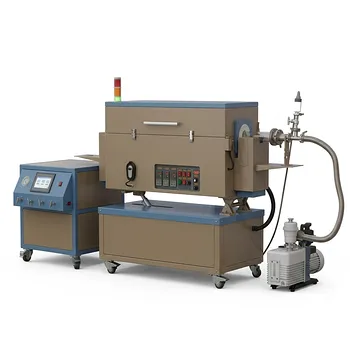
5 Inch Three Zone Rotary Tube Furnace with Integrated Gas Delivery System and 1200C Capability for Advanced Material CVD Processing
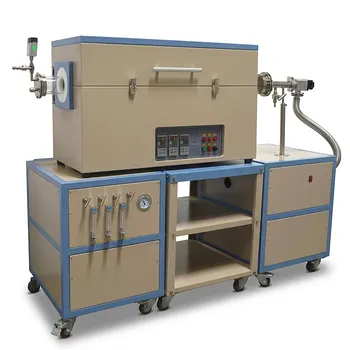
Three Zone Quartz Tube Furnace with 3 Channel Gas Mixer Vacuum Pump and Anti Corrosive Vacuum Gauge
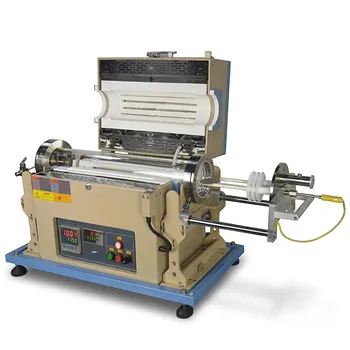
1200°C High Temperature 4 Inch Tube Furnace with Sliding Flange for CVD Systems
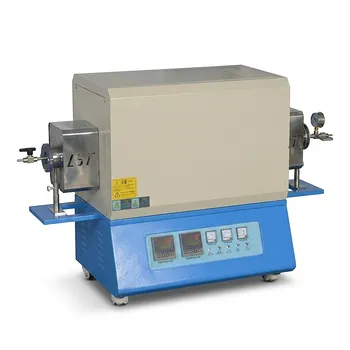
High Temperature Dual Zone Vacuum Tube Furnace for Material Research and CVD Processing