What core conditions does a vacuum tube furnace provide for PI/HAP/rGO aerogels? Optimize your thermal processing.
Updated 3 months ago
A vacuum tube furnace provides a precise, multi-stage programmable heating environment under a strictly controlled atmosphere. This setup allows for the simultaneous thermal imidization of polyamic acid (PAA) into polyimide (PI) and the thermal reduction of graphene oxide (GO) into reduced graphene oxide (rGO) at specific temperature holds, typically at 100, 200, and 300 degrees Celsius.
Core Takeaway: The vacuum tube furnace acts as a specialized reactor that uses precise thermal gradients and oxygen-deficient atmospheres to trigger specific chemical transformations—dehydration ring-closure for polyimide and oxygen desorption for graphene—ensuring the resulting aerogel is mechanically strong and hydrophobic.
The Role of Precise Thermal Gradients
The furnace provides a highly stable thermal field that is essential for the step-by-step conversion of the aerogel's molecular structure.
Multi-Stage Temperature Programming
The furnace executes a pre-set heating program that holds the material at 100°C, 200°C, and 300°C. These specific stages provide the necessary activation energy for atomic diffusion and chemical bonding without overshooting and damaging the delicate aerogel framework.
Facilitating Thermal Imidization
At these controlled temperatures, the polyamic acid (PAA) undergoes a dehydration and ring-closure reaction. This process transforms the precursor into polyimide (PI), which is responsible for the final material's high mechanical strength and thermal stability.
Driven Thermal Reduction
Simultaneously, the heat causes the desorption of oxygen-containing functional groups from the Graphene Oxide (GO) surface. This restores the sp2 carbon lattice, converting GO into reduced graphene oxide (rGO) and endowing the aerogel with photothermal conversion capabilities.
Atmospheric Isolation and Control
Beyond heat, the furnace manages the chemical environment to prevent unwanted side reactions that could compromise the aerogel.
Prevention of Oxidative Degradation
By maintaining a vacuum or an inert atmosphere (such as Nitrogen or Argon), the furnace protects the polyimide and carbon frameworks from burning. In an oxygen-rich environment, these organic components would undergo oxidative degradation at the high temperatures required for processing.
Management of Gaseous Byproducts
The furnace design allows for the controlled escape of water vapor and oxygen-containing gases released during imidization and reduction. Removing these byproducts is critical to preventing internal pressure buildup that could collapse the aerogel’s porous architecture.
Restoration of Electronic Networks
The oxygen-deficient environment is vital for the transition of carbon atoms from sp3 to sp2 hybridization. This restoration of the conjugated electronic network is what allows the rGO to gain its characteristic electrical and thermal properties.
Understanding the Trade-offs
While vacuum tube furnaces offer superior control, there are inherent limitations and risks to consider during the processing of PI/HAP/rGO aerogels.
Structural vs. Chemical Integrity
High temperatures are required to ensure full imidization and reduction, but excessive heat can lead to the "melting" or morphological collapse of nanostructures. Balancing the temperature to achieve chemical conversion while maintaining the high surface area of the aerogel is a constant challenge.
Heating Rate Sensitivity
If the temperature ramps too quickly between the 100°C and 300°C stages, the rapid escape of gases can create internal fractures. This "explosive" desorption can ruin the mechanical integrity of the hydroxyapatite (HAP) reinforced framework.
Atmospheric Purity Risks
Even trace amounts of oxygen leaking into the tube can result in partial oxidation of the graphene sheets. This reduces the efficiency of the photothermal conversion and diminishes the hydrophobicity of the final PI/HAP/rGO product.
How to Apply This to Your Project
To achieve the best results when using a vacuum tube furnace for aerogel synthesis, align your furnace settings with your specific material performance goals.
- If your primary focus is Maximum Mechanical Strength: Emphasize the 300°C hold stage to ensure complete ring-closure of the polyimide chains within the HAP framework.
- If your primary focus is Photothermal Efficiency: Prioritize an oxygen-free vacuum or reducing atmosphere to maximize the removal of oxygen groups from the graphene oxide.
- If your primary focus is Structural Porosity: Utilize a very slow temperature ramp-up (low degrees per minute) between stages to allow gaseous byproducts to escape without damaging the pores.
By mastering the furnace's thermal and atmospheric variables, you can precisely engineer the hydrophobicity and strength of PI/HAP/rGO aerogels.
Summary Table:
| Feature | Function in Aerogel Processing | Resulting Material Property |
|---|---|---|
| Multi-Stage Heating | Precise holds at 100°C, 200°C, and 300°C | High mechanical strength and thermal stability |
| Controlled Atmosphere | Maintains vacuum or inert environment (N2/Ar) | Prevents oxidative degradation & restores rGO lattice |
| Byproduct Removal | Manages escape of H2O vapor and oxygen gases | Maintains structural porosity and prevents fractures |
Elevate Your Material Research with THERMUNITS
Are you looking to master the synthesis of advanced materials like PI/HAP/rGO aerogels? THERMUNITS is a leading manufacturer of high-temperature laboratory equipment specifically designed for material science and industrial R&D. We provide the precision and reliability you need to achieve complete imidization and efficient thermal reduction.
Our comprehensive range of thermal processing solutions includes:
- Vacuum & Atmosphere Furnaces (Tube, Muffle, and Rotary)
- Advanced Systems: CVD/PECVD, Vacuum Induction Melting (VIM), and Hot Press furnaces
- Specialized Equipment: Dental Furnaces, Electric Rotary Kilns, and high-quality Thermal Elements
Maximize your lab's efficiency and ensure the chemical integrity of your nanostructures. Contact our technical experts today to find the perfect furnace configuration for your specific research goals!
References
- Pan Huang, Hongbo Zeng. Highly Robust, Compressible, Anisotropic, and Fire-Retardant Polyimide/Hydroxyapatite Nanowires/Reduced Graphene Oxide Aerogel for Rapid Adsorption of Viscous Oil Assisted by Sunlight. DOI: 10.34133/research.0512
Mentioned Products
- 1800C High Temperature Compact Vacuum Tube Furnace with 60mm OD Alumina Tube and Kanthal MoSi2 Heating Elements
- High Vacuum Compact Tube Furnace 1200C with Integrated Turbo Pump System and 8 Inch Heating Zone
- 500C Vacuum Vertical Tube Furnace 84mm OD Sample Rotation Lifting System
- 1750°C High Temperature Benchtop Vacuum Atmosphere Tube Furnace with Kanthal Super 1800 Heating Elements and 60mm Alumina Processing Tube
- 1200C High Temperature 5 Inch Split Vacuum Tube Furnace with 12 Inch Heating Zone and Separated PID Controller
People Also Ask
- What core functions does a high-temperature vacuum tube furnace provide? Optimize np-CuSn Sintering & Joint Integrity
- What is the primary function of a high-temperature tube furnace in Cu1-N-C synthesis? Precision Thermal Control.
- What impact does the heating rate of a tube furnace have on biochar microstructure? Optimize Your Material R&D.
- Role of Tube Furnace in KNNLST Ceramic Synthesis: Achieve High Phase Purity and Thermal Uniformity
- What is the role of a high-temperature tube furnace in the preparation of S-C3N4? Master Precision Material Synthesis

Tech Team · ThermUnits
Last updated on Jun 03, 2026
Related Products

1800C High Temperature Compact Vacuum Tube Furnace with 60mm OD Alumina Tube and Kanthal MoSi2 Heating Elements
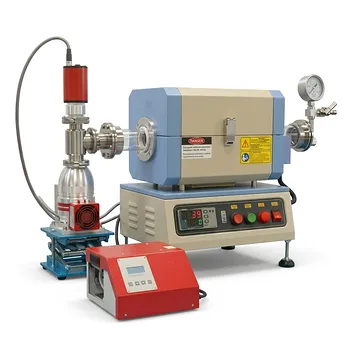
High Vacuum Compact Tube Furnace 1200C with Integrated Turbo Pump System and 8 Inch Heating Zone
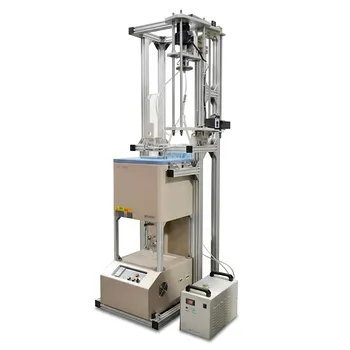
500C Vacuum Vertical Tube Furnace 84mm OD Sample Rotation Lifting System
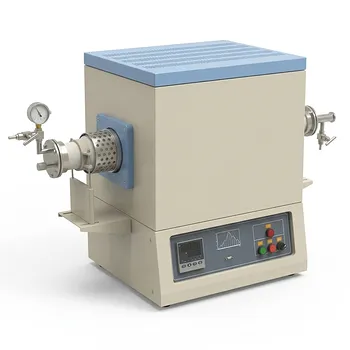
1750°C High Temperature Benchtop Vacuum Atmosphere Tube Furnace with Kanthal Super 1800 Heating Elements and 60mm Alumina Processing Tube
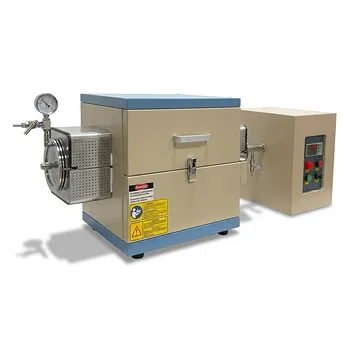
1200C High Temperature 5 Inch Split Vacuum Tube Furnace with 12 Inch Heating Zone and Separated PID Controller
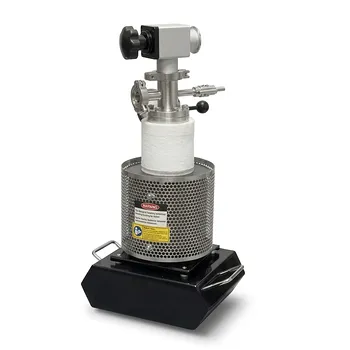
High Temperature 1100C Compact Top Loading Vertical Vacuum Tube Furnace for High Vacuum Noble Metal Melting and Material Research
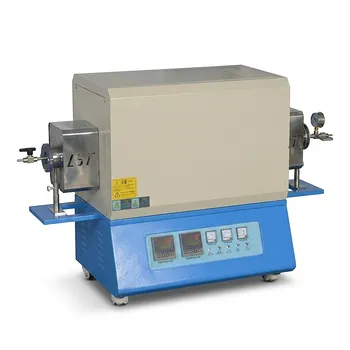
High Temperature Dual Zone Vacuum Tube Furnace for Material Research and CVD Processing

Vertical 1700C Vacuum and Atmosphere Tube Furnace with 80mm Alumina Tube

High Temperature 1700C Tube Furnace with High Vacuum Turbomolecular Pump System and Multi Channel Mass Flow Controller Gas Mixer

1100C Tube Furnace with Vacuum Flange and Programmable Temperature Controller for Material Science and Industrial Heat Treatment
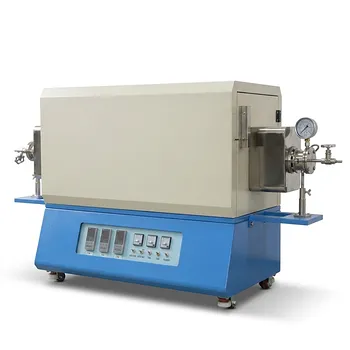
Three Temperature Zone High Temperature Vacuum Tube Furnace for CVD and Material Sintering
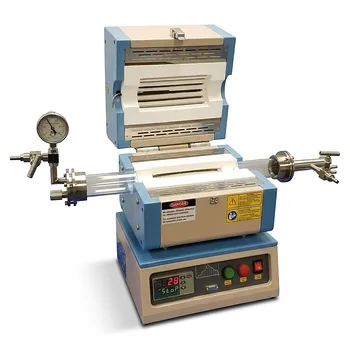
Compact Split Tube Furnace with Integrated Vacuum System and Precision Temperature Calibrator
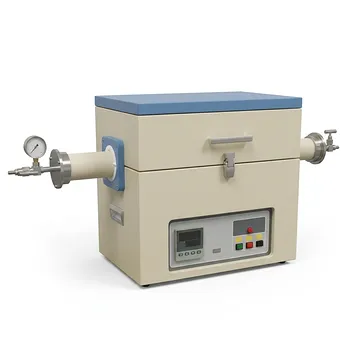
1250C Split Tube Furnace with 3 Inch Mullite Tube and Vacuum Sealing Flanges for Precision Thermal Processing
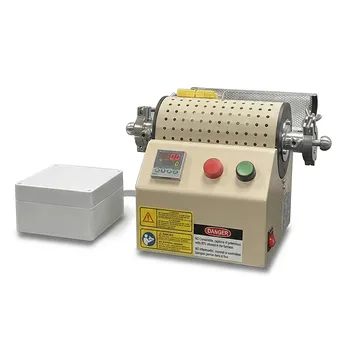
1000C Mini Tube Furnace with 20mm Quartz Tube and Vacuum Flanges for Material Science Research and Controlled Atmosphere Small Sample Processing

Compact High Temperature 1600C Tube Furnace with 50mm Alumina Tube and Vacuum Flanges for Material Sintering

Compact Vertical Split Quartz Tube Furnace with Stainless Steel Vacuum Flanges for Rapid Thermal Quenching and Controlled Atmosphere Material Processing
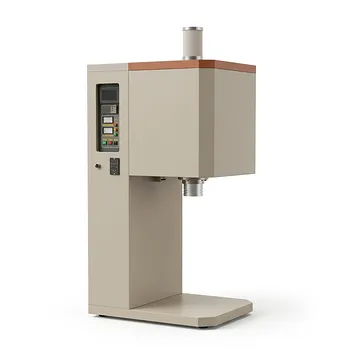
Vertical Openable Tube Furnace 0-1700c High Temperature Laboratory System for CVD and Vacuum Heat Treatment
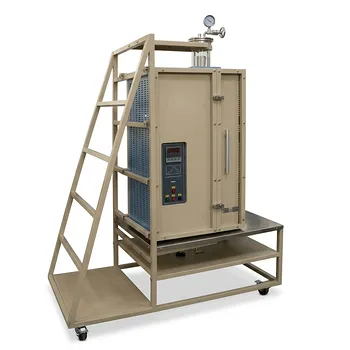
Split Vertical Tube Furnace with 1200C Quartz Tube and Stainless Steel Vacuum Flanges for Rapid Thermal Processing

High Temperature 1700C Vertical Tube Furnace for Powder Spherification and Material Sintering
