What conditions does an atmosphere tube furnace provide for NiAl VCS? Master High-Purity Alloy Synthesis & Precision
Updated 3 months ago
For the Volume Combustion Synthesis (VCS) of Nickel-Aluminum (NiAl) alloys, an atmosphere tube furnace provides a dual-purpose environment that delivers a precise ignition temperature of approximately 700°C while maintaining a continuous flow of high-purity argon. This combination triggers the self-sustaining exothermic reaction necessary for synthesis while simultaneously excluding oxygen to prevent the rapid oxidation of reactive aluminum and the resulting intermetallic phases.
An atmosphere tube furnace acts as a critical reactor that balances thermal energy delivery with chemical isolation. By providing a stable ignition point and an inert argon blanket, it ensures the formation of pure intermetallic compounds without the degradation caused by brittle oxide impurities.
The Role of Precise Thermal Management
Reaching the Critical Ignition Point
The primary function of the furnace is to elevate the nickel and aluminum precursors to their ignition temperature, typically around 700°C. This specific thermal threshold is required to trigger the self-sustaining exothermic reaction characteristic of Volume Combustion Synthesis.
Facilitating Atomic Diffusion
Beyond the initial ignition, the furnace provides the stable high-temperature environment necessary for atomic diffusion. This energy allows disordered atomic arrangements to transform into ordered intermetallic structures, ensuring the final alloy reaches its intended crystalline phase.
Uniform Temperature Distribution
A tube furnace is designed to provide a highly uniform temperature field. This consistency is vital for VCS, as localized cold spots could lead to incomplete reactions, while excessive heat could cause unintended grain growth or phase separation.
Atmospheric Isolation and Protection
Exclusion of Oxygen via Argon Flow
Aluminum is highly reactive, especially at the elevated temperatures reached during the exothermic synthesis. The furnace maintains a continuous flow of high-purity argon, creating an oxygen-free environment that prevents the formation of aluminum oxides.
Mitigation of Instantaneous Heat Spikes
Because the VCS reaction is strongly exothermic, it generates high instantaneous temperatures that can far exceed the furnace's set point. The presence of a stable argon atmosphere protects the sample during these spikes, ensuring that the resulting NiAl phases do not oxidize mid-reaction.
Preservation of Structural Integrity
By preventing the formation of brittle oxide impurities, the controlled atmosphere ensures the structural strength of the alloy. Without this protection, the porous framework of the NiAl alloy would be significantly degraded, compromising its functional performance.
Understanding the Trade-offs and Pitfalls
The Risk of Atmospheric Contamination
If the furnace seals are compromised or the argon purity is insufficient, even trace amounts of oxygen can lead to surface oxidation. This creates a "passivation layer" that can interfere with the heat transfer of the exothermic wave, potentially resulting in an incomplete synthesis.
Thermal Overrun and Sintering
While high temperatures are needed for ignition, failing to account for the heat generated by the reaction itself can lead to excessive sintering. If the furnace environment is not properly calibrated, the porous structure intended for the NiAl alloy may collapse into a dense, non-functional mass.
Gas Flow Dynamics
The rate of argon flow must be carefully regulated. A flow rate that is too low may fail to flush out residual oxygen, while a flow rate that is too high can act as a heat sink, potentially cooling the sample below the required ignition temperature and stalling the reaction.
How to Apply This to Your Project
Recommendations for Successful NiAl Synthesis
- If your primary focus is phase purity: Ensure you are using argon with a purity level of 99.99% or higher and perform a vacuum purge of the tube before introducing the gas flow.
- If your primary focus is structural porosity: Monitor the ramp rate closely as you approach 700°C to ensure the ignition is uniform, preventing localized "hot spots" that can cause pore collapse.
- If your primary focus is scalability: Use a furnace with a large "constant temperature zone" to ensure that multiple samples or larger batches experience identical thermal conditions for consistent batch-to-batch quality.
The atmosphere tube furnace is the indispensable foundation for NiAl synthesis, transforming a volatile exothermic reaction into a controlled metallurgical process.
Summary Table:
| Essential Condition | Specific Requirement | Impact on NiAl Synthesis |
|---|---|---|
| Ignition Temperature | Precise ~700°C | Triggers self-sustaining exothermic reaction (VCS) |
| Atmosphere Control | High-purity Argon flow | Prevents aluminum oxidation and brittle impurities |
| Thermal Uniformity | Stable temperature field | Ensures complete reaction and consistent grain growth |
| Gas Dynamics | Regulated flow rate | Maintains inert blanket without cooling the sample |
Elevate Your Material Research with THERMUNITS
Achieve uncompromising precision in your synthesis processes with THERMUNITS, a leading manufacturer of high-temperature laboratory equipment. From Atmosphere and Tube furnaces designed for VCS to advanced CVD/PECVD systems, Vacuum Induction Melting (VIM), and Hot Press furnaces, we provide the thermal processing solutions essential for material science and industrial R&D.
Our equipment ensures the stable environments required for high-purity intermetallic compounds and complex heat treatments. Contact our technical experts today to discuss your specific laboratory requirements and discover how our comprehensive furnace range can optimize your research outcomes.
References
- Gülizar Sarıyer, H. Erdem Çamurlu. Effect of Cold Compaction Pressure on Porous NiAl Articles Produced by Using Space Holder Urea via VCS. DOI: 10.55546/jmm.1460140
Mentioned Products
- 1750°C High Temperature Benchtop Vacuum Atmosphere Tube Furnace with Kanthal Super 1800 Heating Elements and 60mm Alumina Processing Tube
- 1700C Compact Hybrid Furnace with Dual Layer Box Sintering and Controlled Atmosphere Alumina Tubes
- Vertical 1700C Vacuum and Atmosphere Tube Furnace with 80mm Alumina Tube
- 1700C High Temperature Alumina Tube Furnace with 18 Inch Heated Zone and Vacuum Sealing Flanges
- Compact Hybrid Muffle and Tube Furnace for 1000C Controlled Atmosphere Laboratory Material Sintering
People Also Ask
- What core functions does a high-temperature vacuum tube furnace provide? Optimize np-CuSn Sintering & Joint Integrity
- What is the role of a high-temperature tube furnace in the calcination process of ZnO/In2O3 nanocomposites?
- What role does a high-temperature tube furnace play in the sulfidation heat treatment of CoS@C/MXene nanocomposites? Guide
- Why is a high-temperature tube furnace required for CuAlO2 heat treatment? Master Phase Transformation Today
- What role does a high-temperature tube furnace play in executing nitrogen absorption kinetic experiments? Expert Insights

Tech Team · ThermUnits
Last updated on Jun 02, 2026
Related Products

1750°C High Temperature Benchtop Vacuum Atmosphere Tube Furnace with Kanthal Super 1800 Heating Elements and 60mm Alumina Processing Tube
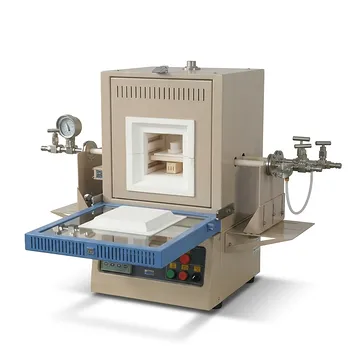
1700C Compact Hybrid Furnace with Dual Layer Box Sintering and Controlled Atmosphere Alumina Tubes

Vertical 1700C Vacuum and Atmosphere Tube Furnace with 80mm Alumina Tube
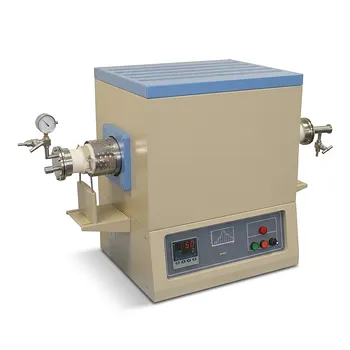
1700C High Temperature Alumina Tube Furnace with 18 Inch Heated Zone and Vacuum Sealing Flanges
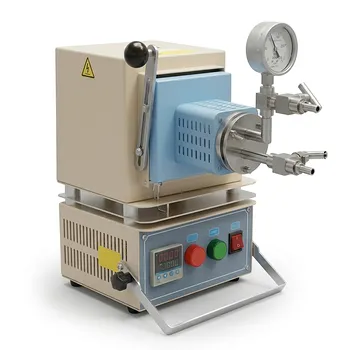
Compact Hybrid Muffle and Tube Furnace for 1000C Controlled Atmosphere Laboratory Material Sintering
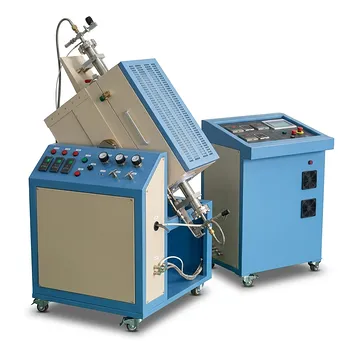
1100C High Pressure Rocking Tube Furnace with 2 Inch Super Alloy Processing Tube for Material Synthesis
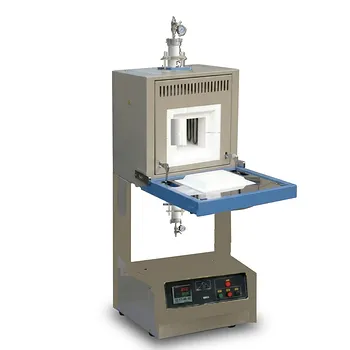
High Temperature Vertical Hybrid Furnace with Alumina Tube and SiC Heating for SOFC Coin Cell Testing and Atmosphere Processing
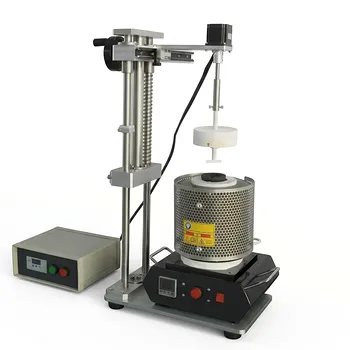
1100C Crucible Melting Furnace with Stirring Function for Glovebox and Air Sensitive Alloy Research

Compact High Temperature 1600C Tube Furnace with 50mm Alumina Tube and Vacuum Flanges for Material Sintering
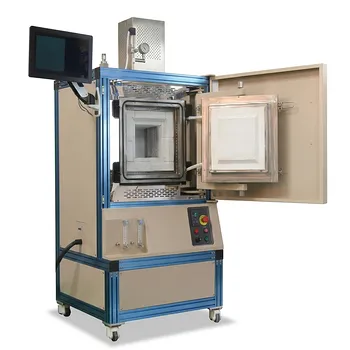
High Temperature Hydrogen Atmosphere Box Furnace 1650C Max Reducing Environment Material Synthesis System 8x8x8 Chamber
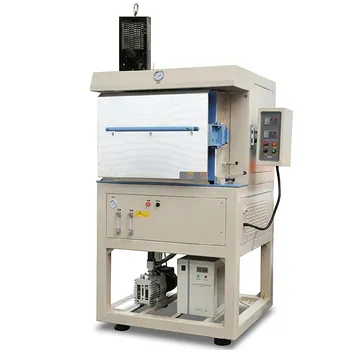
1200C Hydrogen Atmosphere Box Furnace with 5 Heated Sides and 64L Chamber
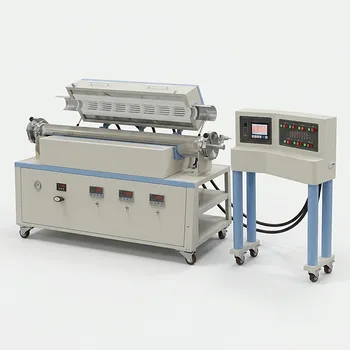
1100C Eight Zone High Pressure Super Alloy Tube Furnace with Integrated High Pressure Gas Control System
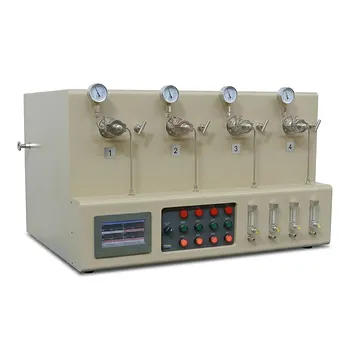
High Temperature 1700C 4 Channel Tube Furnace 1 Inch Alumina Tube for Hi-Throughput Annealing
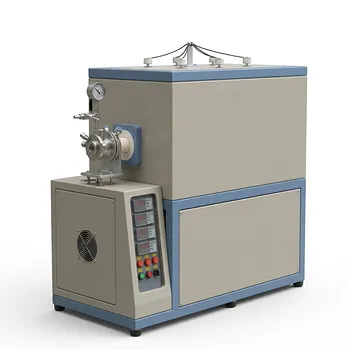
High Temperature 1700C Three Zone Tube Furnace with Alumina Tube 50mm 60mm 80mm OD for Material Research and Industrial Heat Treatment

High Temperature 1700C Six Zone Split Tube Furnace with Alumina Tube and Water Cooled Flanges

High Temperature 1700C Vertical Tube Furnace for Powder Spherification and Material Sintering

High Temperature 1700C Benchtop Tube Furnace with 5 Inch Heating Zone High Purity Alumina Tube and Vacuum Sealing Flanges
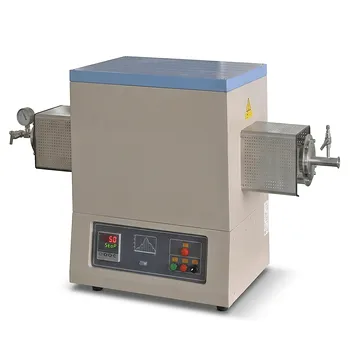
High Temperature 1700C Tube Furnace with 4 Inch OD Alumina Tube and Vacuum Sealing Flanges
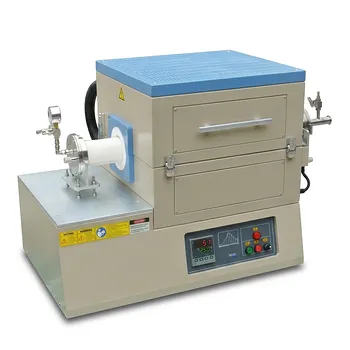
High Temperature 1700C Split Tube Furnace with Vacuum Flanges Valves and 60mm Alumina Tube
