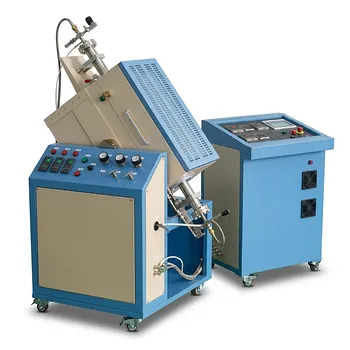
What function does a high-temperature tube furnace perform in the disproportionation reaction step of silicon quantum dot synthesis?
Updated 6 months ago
The high-temperature tube furnace serves as the precision thermal reactor for solid-state phase separation. In silicon quantum dot synthesis, the furnace provides the high-energy environment required to trigger the disproportionation of hydrogen silsesquioxane (HSQ) at temperatures typically around 1100°C. This process fundamentally transforms the amorphous precursor into crystalline silicon nanocrystals safely embedded within a protective silicon dioxide ($SiO_2$) matrix.
Core Takeaway: The tube furnace facilitates the controlled decomposition of HSQ into silicon and silica while maintaining a stable, oxygen-free atmosphere. This ensures uniform crystal nucleation and prevents the degradation of the resulting silicon quantum dots.
The Mechanism of Thermal Disproportionation
Driving the Phase Transformation
The primary function of the furnace is to supply the thermal energy necessary to break chemical bonds within the hydrogen silsesquioxane (HSQ) polymer. At temperatures between 800°C and 1100°C, the precursor undergoes a disproportionation reaction, where the silicon-hydrogen and silicon-oxygen bonds rearrange. This rearrangement forces the silicon atoms to aggregate, forming crystalline silicon quantum dots isolated within a rigid $SiO_2$ structure.
Ensuring Kinetic Consistency
A tube furnace is uniquely suited for this task because it features a constant temperature zone. This stability is critical for managing the nucleation and growth kinetics of the quantum dots. Because the temperature remains uniform across the precursor, the resulting silicon crystals achieve a high degree of size and structural consistency.
The Importance of Atmospheric Integrity
Preventing Premature Oxidation
Silicon is highly reactive and will oxidize into bulk silica if exposed to oxygen at high temperatures. The tube furnace provides a hermetically sealed environment that allows researchers to purge oxygen and introduce inert gases like Argon. This protection is essential to maintain the electrochemical and optical properties of the active silicon core.
Facilitating a Reducing Environment
In many synthesis protocols, the furnace is used to introduce a reducing atmosphere, such as a blend of 5% $H_2$ and 95% Ar. This specific chemical environment helps remove residual oxide films and ensures the lattice reorganizes into a high-crystallinity perovskite or cubic structure. The precise flow control systems integrated with the furnace allow for a dynamic equilibrium during the entire heating cycle.
Understanding the Trade-offs
Temperature Gradients and Uniformity
While tube furnaces offer a "constant zone," they naturally possess thermal gradients near the ends of the tube. If the precursor boat is placed slightly outside the center, the silicon quantum dots may exhibit non-uniform sizes due to variations in thermal energy. Precise placement and calibration are required to avoid polydispersity in the final nanomaterial.
Scalability vs. Precision
Tube furnaces are designed for high-precision, small-batch synthesis rather than mass production. The volume of the quartz or ceramic tube limits the amount of HSQ that can be processed at once. Attempting to overload the furnace can lead to insufficient heat penetration, resulting in incomplete disproportionation and poor crystal quality.
How to Apply This to Your Project
Recommendations for Synthesis Success
The success of your silicon quantum dot synthesis depends on how you calibrate the furnace parameters against your specific material goals.
- If your primary focus is precise size control: Prioritize the use of a furnace with a long constant temperature zone and utilize slow heating ramps to transition through the nucleation phase.
- If your primary focus is high crystallinity: Ensure the furnace can maintain a stable 1100°C environment for extended periods and use a high-purity reducing atmosphere (Ar/$H_2$) to facilitate lattice perfection.
- If your primary focus is preventing contamination: Use a high-purity quartz tube and ensure all seals are vacuum-tested to prevent the ingress of atmospheric oxygen or moisture.
The high-temperature tube furnace is the definitive tool for transforming amorphous precursors into high-performance silicon quantum dots through rigorous thermal and atmospheric control.
Summary Table:
| Function | Mechanism | Benefit |
|---|---|---|
| Phase Separation | Thermal energy (800°C-1100°C) | Transforms amorphous HSQ into crystalline silicon nanocrystals |
| Atmospheric Integrity | Hermetically sealed inert/reducing gas | Prevents oxidation and maintains electrochemical/optical properties |
| Kinetic Consistency | Constant temperature zone | Ensures uniform crystal nucleation and minimizes polydispersity |
Master Your Material Synthesis with THERMUNITS
As a leading manufacturer of high-temperature laboratory equipment, THERMUNITS empowers material science and industrial R&D with precision-engineered thermal solutions. Whether you are performing HSQ disproportionation for silicon quantum dots or complex chemical vapor deposition, our comprehensive range—including Tube, Muffle, Vacuum, Atmosphere, Rotary, and Hot Press furnaces, CVD/PECVD systems, Dental Furnaces, and Vacuum Induction Melting (VIM) furnaces—is designed for peak performance.
Our Value to Your Laboratory:
- Superior Thermal Control: Achieve high crystallinity and precise size control with stable 1100°C environments.
- Advanced Atmospheric Integrity: Integrated flow control for Argon and Hydrogen ($H_2$) to ensure a pure reducing atmosphere.
- Expert Engineering: High-purity quartz and ceramic solutions tailored for sensitive heat treatments.
Elevate your research with the right equipment. Contact us today to find the ideal furnace solution for your synthesis needs!
References
- Batu Ghosh, Naoto Shirahata. Rational Doping Strategy to Build the First Solution‐Processed p‐n Homojunction Architecture toward Silicon Quantum Dot Photodetectors. DOI: 10.1002/smsc.202400367
Mentioned Products
- High Temperature Tube Furnace 1500C with Sliding Flanges and 50mm OD for Rapid Thermal Processing Fast Heating and Cooling
- High Temperature 1700C Tube Furnace with High Vacuum Turbomolecular Pump System and Multi Channel Mass Flow Controller Gas Mixer
- 1750°C High Temperature Benchtop Vacuum Atmosphere Tube Furnace with Kanthal Super 1800 Heating Elements and 60mm Alumina Processing Tube
- High Temperature 1700C Benchtop Tube Furnace with 5 Inch Heating Zone High Purity Alumina Tube and Vacuum Sealing Flanges
- 1700C High Temperature Alumina Tube Furnace with 18 Inch Heated Zone and Vacuum Sealing Flanges
People Also Ask
- How are high-temperature tube furnaces utilized to repair etching damage? Precision Lattice Restoration Solutions
- What role does a high-temperature tube furnace play in the sulfidation heat treatment of CoS@C/MXene nanocomposites? Guide
- How does precision tube furnace control influence CoFe nanoparticle formation? Master Your Bimetallic Synthesis.
- What core conditions does a high-temperature tube furnace provide for rGO aerogels? Mastering Precision Synthesis.
- What role does a high-temperature tube furnace play in CVD synthesis of silicon nanowires? Master VLS Growth Precision.

Tech Team · ThermUnits
Last updated on Apr 14, 2026
Related Products
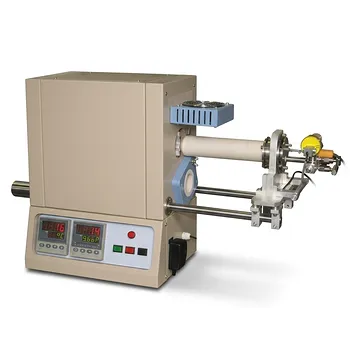
High Temperature Tube Furnace 1500C with Sliding Flanges and 50mm OD for Rapid Thermal Processing Fast Heating and Cooling
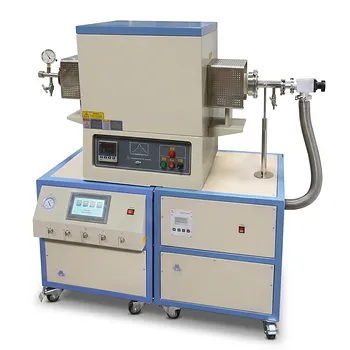
High Temperature 1700C Tube Furnace with High Vacuum Turbomolecular Pump System and Multi Channel Mass Flow Controller Gas Mixer
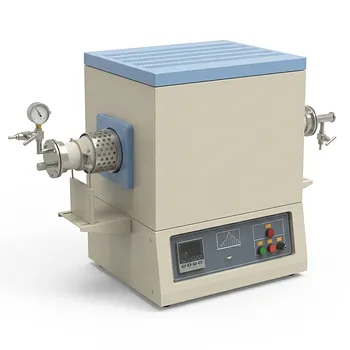
1750°C High Temperature Benchtop Vacuum Atmosphere Tube Furnace with Kanthal Super 1800 Heating Elements and 60mm Alumina Processing Tube
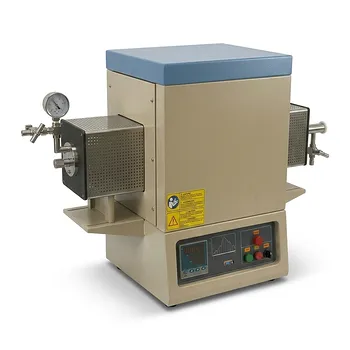
High Temperature 1700C Benchtop Tube Furnace with 5 Inch Heating Zone High Purity Alumina Tube and Vacuum Sealing Flanges
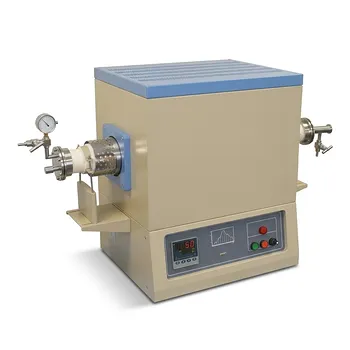
1700C High Temperature Alumina Tube Furnace with 18 Inch Heated Zone and Vacuum Sealing Flanges
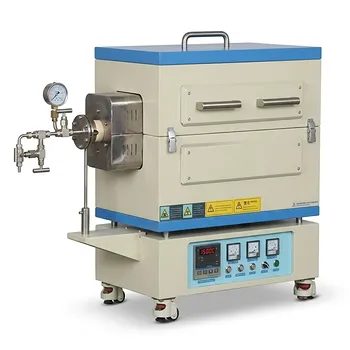
High Temperature Split Tube Furnace 1500C for Material Research Vacuum and Atmosphere Thermal Processing
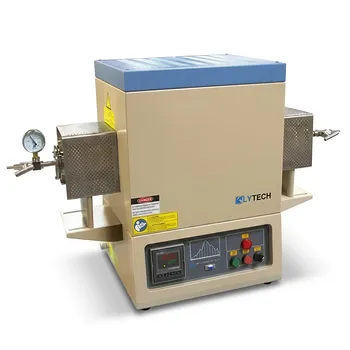
1800C High Temperature Compact Vacuum Tube Furnace with 60mm OD Alumina Tube and Kanthal MoSi2 Heating Elements
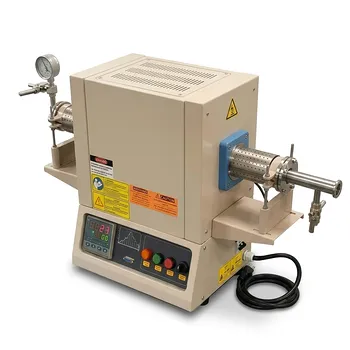
Compact High Temperature 1600C Tube Furnace with 50mm Alumina Tube and Vacuum Flanges for Material Sintering
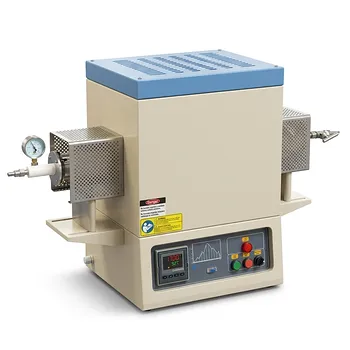
High Temperature Three Zone Tube Furnace 1700C with Alumina Tube and Water Cooled Flanges
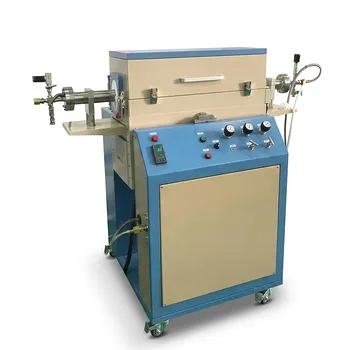
High Temperature Rocking Tube Furnace 1700°C Alumina Processing Tube with Precision Oscillation for Material Synthesis
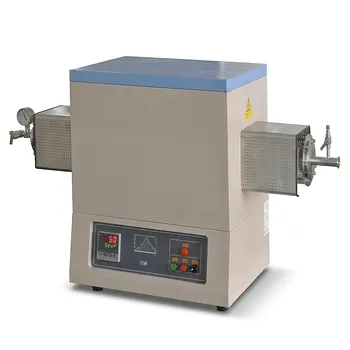
High Temperature 1700C Tube Furnace with 4 Inch OD Alumina Tube and Vacuum Sealing Flanges
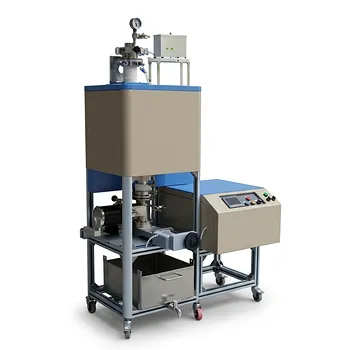
High Temperature 1700C Vertical Tube Furnace for Powder Spherification and Material Sintering
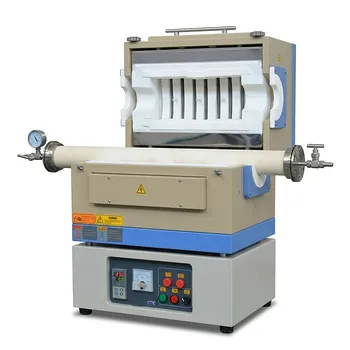
High Temperature 1600C Split Tube Furnace Vacuum Flanges Valves Optional 60mm 80mm Alumina Tube
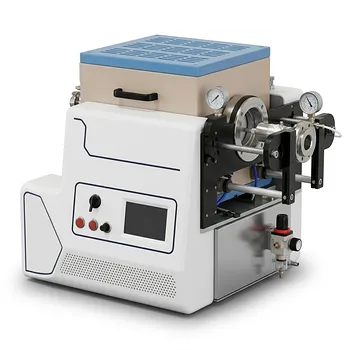
High Temperature Automated 5 Inch Tube Furnace for Autonomous Material Research and Advanced Laboratory R&D
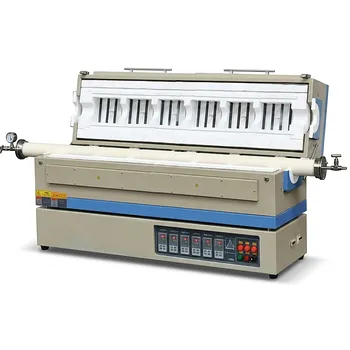
High Temperature 1700C Six Zone Split Tube Furnace with Alumina Tube and Water Cooled Flanges
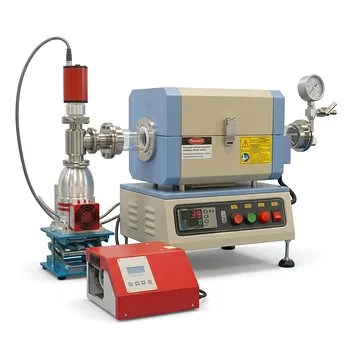
High Vacuum Compact Tube Furnace 1200C with Integrated Turbo Pump System and 8 Inch Heating Zone
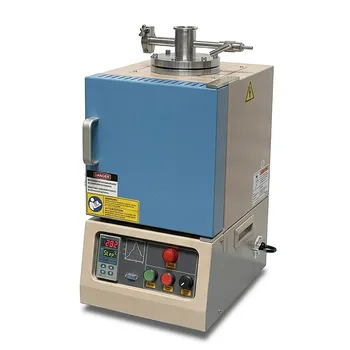
High Temperature Hybrid Muffle and Tube Furnace with Vacuum Capability and PID Control
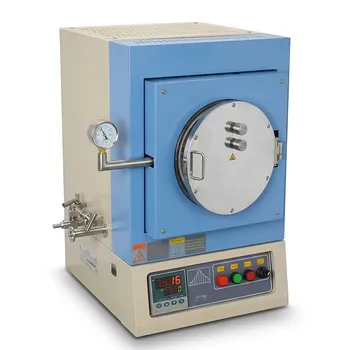
1100°C High Temperature Quartz Chamber Furnace 8 Inch OD with 7.6 Liter Capacity and Vacuum Atmosphere Capability
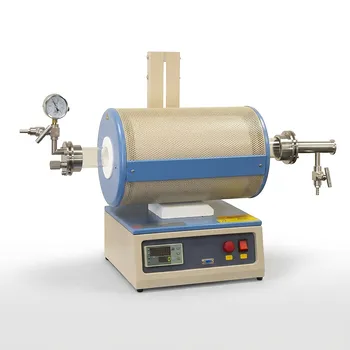
1100C Tube Furnace with Vacuum Flange and Programmable Temperature Controller for Material Science and Industrial Heat Treatment