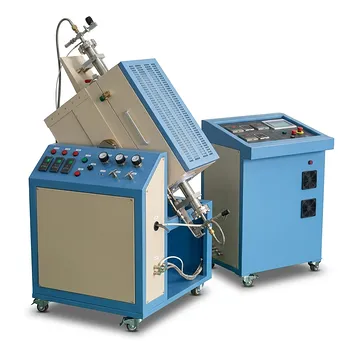
What is the function of a high-temperature tube furnace in the preparation of FeCoNiMnCr high-entropy alloy catalysts?
Updated 3 months ago
In the synthesis of FeCoNiMnCr high-entropy alloy (HEA) catalysts, the high-temperature tube furnace acts as the primary reactor for controlled pyrolysis and alloying sintering. It provides the precise thermal and chemical environment required to transform metal-organic precursors into stable, single-phase crystalline structures, specifically the face-centered cubic (FCC) phase. By strictly managing heating rates and atmospheric composition, the furnace ensures the successful formation of high-entropy alloys while preventing the oxidation of sensitive transition metal components.
The high-temperature tube furnace is the indispensable tool for achieving high-entropy alloying through a combination of programmed thermal treatment and rigorous atmospheric sealing. It enables the simultaneous reduction of multiple metal ions and their subsequent integration into a homogenized, stable crystalline lattice.
Facilitating Phase Transformation and Alloying
Achieving Single-Phase FCC Structures
The furnace is critical for the pyrolysis and alloying sintering of precursors, such as metal-organic frameworks (MOFs). By maintaining specific multi-stage insulation processes, it provides the energy necessary to overcome the mixing enthalpy of the five transition metals (Fe, Co, Ni, Mn, Cr). This results in a stable single-phase face-centered cubic (FCC) structure, which is the hallmark of a successful high-entropy alloy.
In-Situ Reduction of Metal Ions
During the heating process, the furnace facilitates the in-situ reduction of metal nitrates or precursors into their metallic states. This occurs within a controlled environment that allows these different metals to diffuse and alloy at the atomic level. Without the furnace's ability to maintain high temperatures (often ranging from 500°C to over 1000°C), the transition metals would remain isolated rather than forming a cohesive HEA.
Environmental Sealing and Atmospheric Control
Preventing Oxidation of Transition Metals
Transition metals like Cr and Mn are highly susceptible to oxidation at elevated temperatures. The tube furnace’s excellent sealing properties allow for a strictly controlled, anaerobic atmosphere using high-purity inert gases like Argon or Nitrogen. This ensures that the final catalyst consists of active metallic sites rather than inactive metal oxides.
Creating a Reducing Environment
Beyond simple protection, the furnace can provide a reducing atmosphere necessary for the chemical conversion of precursors. By controlling the gas flow, the furnace enables the removal of oxygen and other volatile byproducts during the carbonization of organic components. This is essential for forming clean interfaces between the alloy nanoparticles and their supports.
Structural Templating and Carbonization
Formation of Conductive Carbon Frameworks
The furnace is responsible for the pyrolytic carbonization of organic precursors (like melamine or citric acid) into nitrogen-doped graphene or carbon nanotubes. This process occurs simultaneously with alloying, embedding the FeCoNiMnCr nanoparticles within a conductive carbon skeleton. This encapsulation prevents nanoparticle agglomeration and enhances the overall electrical conductivity of the catalyst.
Precise Control of Thermal Kinetics
Using a specific heating curve (such as a rate of 5 °C/min) is vital to ensure the structural integrity of the catalyst. Slow, controlled heating prevents the rapid release of gases that could collapse the porous structure of the MOF-derived supports. This precision allows for the creation of high-surface-area catalysts with a high density of active sites.
Understanding the Trade-offs
Temperature Uniformity vs. Throughput
While tube furnaces offer excellent atmospheric control, they often suffer from thermal gradients along the length of the tube. If the precursor is not placed precisely in the "constant temperature zone," the resulting alloy may lack homogeneity or phase purity. Furthermore, the batch nature of tube furnaces limits the volume of catalyst that can be produced in a single run compared to continuous flow reactors.
Material Degradation and Contamination
Operating at the extreme temperatures required for some HEAs (up to 1550 °C) can lead to tube embrittlement or the diffusion of impurities from the furnace tube (e.g., alumina or quartz) into the catalyst. Selection of the correct tube material is a critical trade-off between cost and the required purity of the FeCoNiMnCr alloy.
Applying This to Your Catalyst Synthesis
To achieve the best results when using a high-temperature tube furnace for HEA preparation, tailor your parameters to your specific material goals.
- If your primary focus is phase purity: Prioritize a slow heating rate (5 °C/min) and extended multi-stage insulation periods to allow for full atomic diffusion into the FCC lattice.
- If your primary focus is preventing oxidation: Use high-purity Argon (99.999%) and ensure the furnace is purged for at least 30 minutes before initiating the heating cycle.
- If your primary focus is high surface area: Optimize the carbonization temperature (typically between 800°C and 1000°C) to balance the formation of conductive carbon with the prevention of nanoparticle sintering.
The high-temperature tube furnace remains the definitive piece of equipment for researchers seeking to master the complex thermodynamics of high-entropy alloy catalyst preparation.
Summary Table:
| Key Function | Role in HEA Catalyst Synthesis | Critical Parameters |
|---|---|---|
| Alloying Sintering | Facilitates phase transformation into single-phase FCC structures. | Multi-stage insulation periods |
| Atmospheric Control | Prevents oxidation of sensitive metals like Cr and Mn using inert gases. | High-purity Argon/Nitrogen flow |
| Pyrolytic Carbonization | Converts organic precursors into conductive carbon frameworks (e.g., graphene). | 800°C – 1000°C heating range |
| Thermal Kinetics | Ensures structural integrity and prevents pore collapse in MOF supports. | Precise heating rate (e.g., 5°C/min) |
Elevate Your Material Research with THERMUNITS
Are you looking to master the complex thermodynamics of high-entropy alloy synthesis? THERMUNITS is a leading manufacturer of high-temperature laboratory equipment specifically designed for material science and industrial R&D.
Our advanced thermal processing solutions, including Tube, Vacuum, Atmosphere, and Muffle furnaces, provide the exceptional atmospheric sealing and precise temperature uniformity required for the successful preparation of FeCoNiMnCr catalysts and other advanced materials. Whether you need CVD/PECVD systems, electric rotary kilns, or vacuum induction melting furnaces (VIM), we deliver the reliability your research demands.
Enhance your lab’s efficiency and achieve superior phase purity today.
Contact our technical experts for a custom solution
References
- Zhiyuan Wang, Jue Hu. Ultrasound-Assisted Synthesis of High-Entropy Materials for Enhanced Oxygen Evolution Electrocatalysis. DOI: 10.3390/met14040384
Mentioned Products
- High Temperature Tube Furnace 1500C with Sliding Flanges and 50mm OD for Rapid Thermal Processing Fast Heating and Cooling
- High Temperature 1700C Tube Furnace with High Vacuum Turbomolecular Pump System and Multi Channel Mass Flow Controller Gas Mixer
- 1750°C High Temperature Benchtop Vacuum Atmosphere Tube Furnace with Kanthal Super 1800 Heating Elements and 60mm Alumina Processing Tube
- High Temperature 1700C Benchtop Tube Furnace with 5 Inch Heating Zone High Purity Alumina Tube and Vacuum Sealing Flanges
- 1700C High Temperature Alumina Tube Furnace with 18 Inch Heated Zone and Vacuum Sealing Flanges
People Also Ask
- How are high-temperature tube furnaces utilized to repair etching damage? Precision Lattice Restoration Solutions
- What role does a high-temperature tube furnace play in CVD synthesis of silicon nanowires? Master VLS Growth Precision.
- What core conditions does a high-temperature tube furnace provide for rGO aerogels? Mastering Precision Synthesis.
- What role does a high-temperature tube furnace play in the sulfidation heat treatment of CoS@C/MXene nanocomposites? Guide
- How does precision tube furnace control influence CoFe nanoparticle formation? Master Your Bimetallic Synthesis.

Tech Team · ThermUnits
Last updated on Jun 03, 2026
Related Products

High Temperature Tube Furnace 1500C with Sliding Flanges and 50mm OD for Rapid Thermal Processing Fast Heating and Cooling

High Temperature 1700C Tube Furnace with High Vacuum Turbomolecular Pump System and Multi Channel Mass Flow Controller Gas Mixer

1750°C High Temperature Benchtop Vacuum Atmosphere Tube Furnace with Kanthal Super 1800 Heating Elements and 60mm Alumina Processing Tube

High Temperature 1700C Benchtop Tube Furnace with 5 Inch Heating Zone High Purity Alumina Tube and Vacuum Sealing Flanges
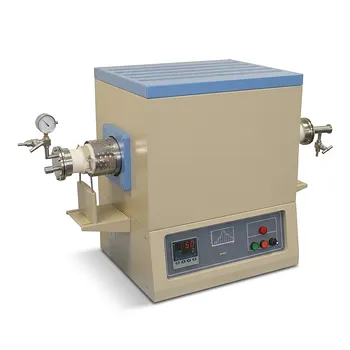
1700C High Temperature Alumina Tube Furnace with 18 Inch Heated Zone and Vacuum Sealing Flanges
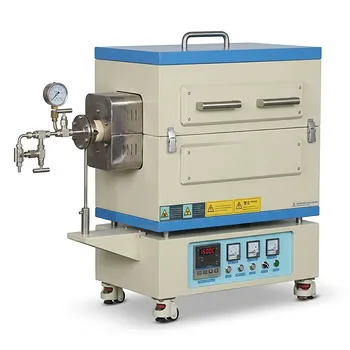
High Temperature Split Tube Furnace 1500C for Material Research Vacuum and Atmosphere Thermal Processing

1800C High Temperature Compact Vacuum Tube Furnace with 60mm OD Alumina Tube and Kanthal MoSi2 Heating Elements

Compact High Temperature 1600C Tube Furnace with 50mm Alumina Tube and Vacuum Flanges for Material Sintering
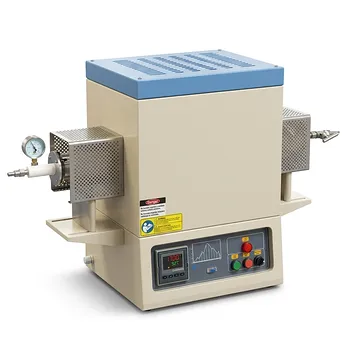
High Temperature Three Zone Tube Furnace 1700C with Alumina Tube and Water Cooled Flanges
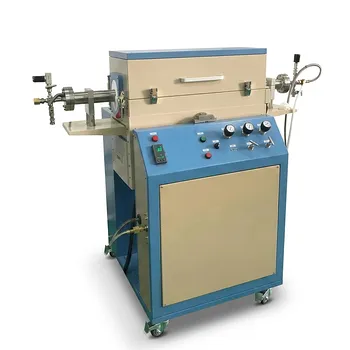
High Temperature Rocking Tube Furnace 1700°C Alumina Processing Tube with Precision Oscillation for Material Synthesis

High Temperature 1700C Tube Furnace with 4 Inch OD Alumina Tube and Vacuum Sealing Flanges

High Temperature 1700C Vertical Tube Furnace for Powder Spherification and Material Sintering
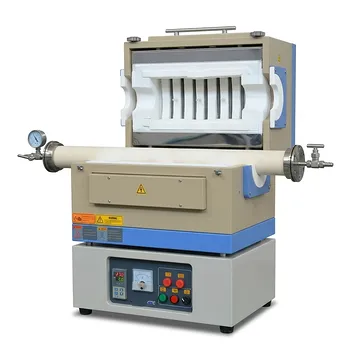
High Temperature 1600C Split Tube Furnace Vacuum Flanges Valves Optional 60mm 80mm Alumina Tube

High Temperature Automated 5 Inch Tube Furnace for Autonomous Material Research and Advanced Laboratory R&D

High Temperature 1700C Six Zone Split Tube Furnace with Alumina Tube and Water Cooled Flanges
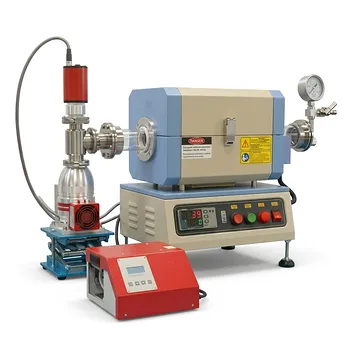
High Vacuum Compact Tube Furnace 1200C with Integrated Turbo Pump System and 8 Inch Heating Zone
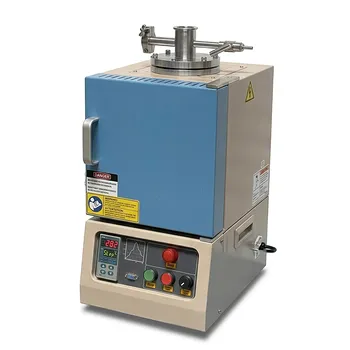
High Temperature Hybrid Muffle and Tube Furnace with Vacuum Capability and PID Control
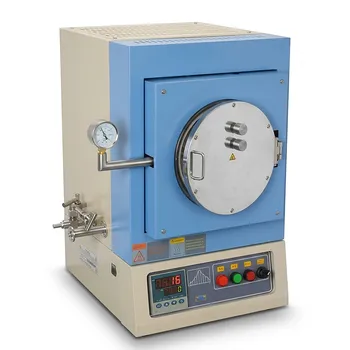
1100°C High Temperature Quartz Chamber Furnace 8 Inch OD with 7.6 Liter Capacity and Vacuum Atmosphere Capability

1100C Tube Furnace with Vacuum Flange and Programmable Temperature Controller for Material Science and Industrial Heat Treatment