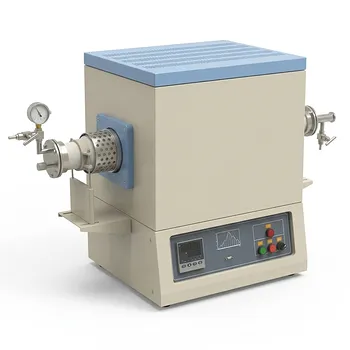
What is the function of a vacuum annealing furnace in enhancing a-ITZO/Bi2Se3 heterojunctions? Reduce Resistivity 73%.
Updated 3 months ago
A vacuum annealing furnace acts as a critical catalyst for a-ITZO/Bi2Se3 heterojunctions by providing a controlled thermal environment that restructures the material interface. It specifically induces energy band bending to facilitate efficient charge carrier migration while simultaneously reducing material resistivity by up to 73.57%.
Vacuum annealing optimizes heterojunction performance by balancing precise thermal energy with a non-reactive atmosphere. This process stabilizes the physical structure, eliminates internal stresses, and enhances electrical conductivity by manipulating interface energy levels.
The Mechanism of Performance Enhancement
Inducing Interface Band Bending
The furnace applies a constant temperature treatment, typically around 250 °C, to the heterojunction. This thermal energy induces energy band bending at the interface between the a-ITZO and Bi2Se3 layers.
This shift in energy levels is vital for device efficiency. It creates a favorable gradient that facilitates the migration of electrons and holes, allowing the heterojunction to function effectively in electronic applications.
Optimizing Charge Carrier Dynamics
By refining the interface, the furnace reduces the barriers to charge transport. This is similar to how vacuum annealing in other systems, such as MoS2 field-effect transistors, removes adsorbates to improve Ohmic contact.
In the case of a-ITZO/Bi2Se3, this optimization leads to a dramatic reduction in resistivity. Improvements of up to 73.57% have been observed, significantly boosting the device's electrical responsiveness.
Preserving Material Integrity and Stability
Prevention of Sample Oxidation
The vacuum environment is essential because it maintains a low oxygen partial pressure. This prevents the a-ITZO and Bi2Se3 from oxidizing during the high-temperature phase.
Without this protection, brittle oxide scales could form, much like the degradation seen in titanium alloys heated in open air. The vacuum ensures the chemical purity of the heterojunction remains intact.
Elimination of Internal Stresses
The deposition phase of thin films often leaves behind internal stresses and structural irregularities. The annealing process provides the energy needed for atoms to rearrange into a more stable configuration.
This structural "relaxation" enhances the overall structural stability of the heterojunction. It ensures that the device can withstand subsequent processing or operational wear without delamination or failure.
Understanding the Trade-offs and Technical Constraints
Precision vs. Thermal Degradation
While heat is necessary for band bending, excessive temperatures can lead to unwanted diffusion or morphological changes. For instance, in Bi2Se3 synthesis, temperatures reach 600 °C for growth, but heterojunction treatment must be lower to prevent layer damage.
Precise programmed temperature control is a non-negotiable requirement. If the temperature fluctuates or exceeds the threshold, the interface may degrade, reversing the gains in conductivity.
Seal Integrity and Vacuum Quality
The performance of the furnace is entirely dependent on its sealing integrity. Even minor leaks can introduce oxygen, leading to the formation of defects instead of the desired oxygen vacancies or band alignments.
High-vacuum conditions (often near 1.0×10^-2 Torr or better) are required to ensure the atmosphere remains truly non-oxidizing. Maintaining this level of purity requires rigorous maintenance of the furnace chamber and pump systems.
How to Apply Vacuum Annealing to Your Project
Recommendations for Implementation
- If your primary focus is maximizing electrical conductivity: Prioritize the precise calibration of the 250 °C setpoint to achieve the maximum 73.57% reduction in resistivity.
- If your primary focus is long-term device stability: Focus on extended, lower-temperature annealing cycles to ensure the complete elimination of internal stresses from the deposition phase.
- If your primary focus is preventing interface defects: Invest in high-sensitivity vacuum monitoring to ensure oxygen levels remain low enough to prevent surface oxidation.
The strategic use of a vacuum annealing furnace transforms a raw deposition into a high-performance heterojunction by aligning its internal energy structures and purging physical defects.
Summary Table:
| Key Function | Impact on Heterojunction Performance | Critical Technical Requirement |
|---|---|---|
| Interface Band Bending | Facilitates efficient charge carrier migration | Precise thermal energy at ~250 °C |
| Resistivity Reduction | Boosts electrical responsiveness by up to 73.57% | Controlled non-reactive atmosphere |
| Oxidation Prevention | Maintains chemical purity and prevents brittle scales | High vacuum levels (≤ 1.0×10⁻² Torr) |
| Stress Elimination | Improves structural stability and prevents delamination | Programmed temperature control/relaxation |
Elevate Your Material Research with THERMUNITS
Are you looking to achieve precise interface engineering for your heterojunctions or thin-film materials? THERMUNITS is a leading manufacturer of high-performance thermal processing solutions designed for the most demanding material science and industrial R&D applications.
We provide a comprehensive range of laboratory equipment to help you achieve the exact thermal environments needed for superior conductivity and structural stability:
- Advanced Furnaces: Muffle, Vacuum, Atmosphere, Tube, Rotary, and Hot Press furnaces.
- Specialized Systems: CVD/PECVD systems, Vacuum Induction Melting (VIM), and Electric Rotary Kilns.
- Precision Solutions: Dental Furnaces, Thermal Elements, and custom laboratory heat treatment equipment.
Ready to optimize your heat treatment process? Our experts are here to provide the technical support and high-quality equipment you need to drive innovation.
Contact THERMUNITS Today to Get a Quote
References
- Chih-Chiang Wang, He-Ting Tsai. Enhanced electrical properties of amorphous In-Sn-Zn oxides through heterostructuring with Bi2Se3 topological insulators. DOI: 10.1038/s41598-023-50809-7
Mentioned Products
- High Temperature 1000C Vacuum Furnace with 8 Inch ID Chamber for Material Sintering and Research Annealing
- High Temperature Cold Wall Vacuum Furnace for Advanced Material Sintering and Annealing 1600C Heating Area 200x200x300mm
- Three Temperature Zone High Temperature Vacuum Tube Furnace for CVD and Material Sintering
- High Temperature Vertical Atmosphere Controlled Furnace with Automatic Bottom Loading and 1700°C Capacity for Advanced Material Research
- 1200°C Bottom Loading Vacuum Furnace with Rapid Gas Cooling and 8.6 Inch Diameter Quartz Chamber
People Also Ask
- How does the temperature control precision of a high-temperature sintering furnace affect Na1+xLa1-xZr2O6-δ ceramics?
- How does a high-temperature sintering furnace environment enhance NdFeB magnets? Achieve 98%+ density with precision.
- What role does a high-temperature annealing furnace play in forming ordered Pt3(CoNi) intermetallic catalysts?
- What is the function of high-vacuum furnaces in (Mo2/3V1/3)n+1AlCn MAX phase synthesis? Ensure Purity & Diffusion.
- How does a vacuum or atmosphere sintering furnace contribute to the congener-welding process of carbon nitride membranes?

Tech Team · ThermUnits
Last updated on Jun 02, 2026
Related Products
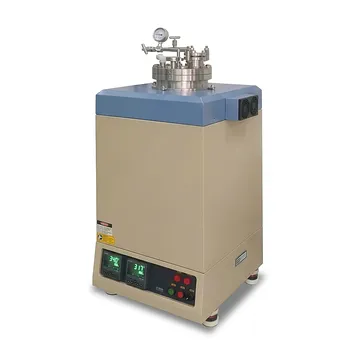
High Temperature 1000C Vacuum Furnace with 8 Inch ID Chamber for Material Sintering and Research Annealing
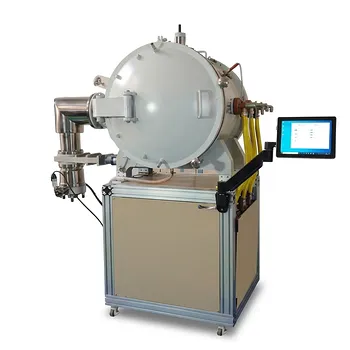
High Temperature Cold Wall Vacuum Furnace for Advanced Material Sintering and Annealing 1600C Heating Area 200x200x300mm
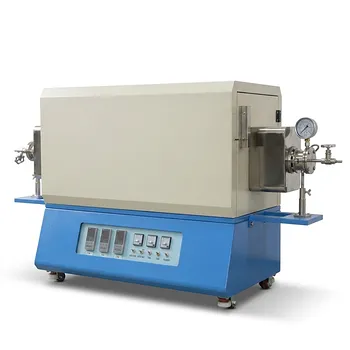
Three Temperature Zone High Temperature Vacuum Tube Furnace for CVD and Material Sintering
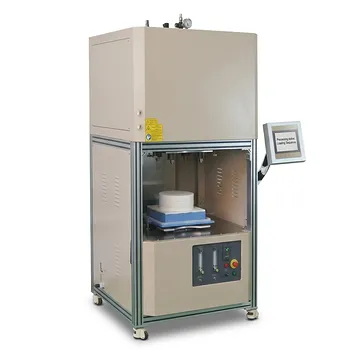
High Temperature Vertical Atmosphere Controlled Furnace with Automatic Bottom Loading and 1700°C Capacity for Advanced Material Research
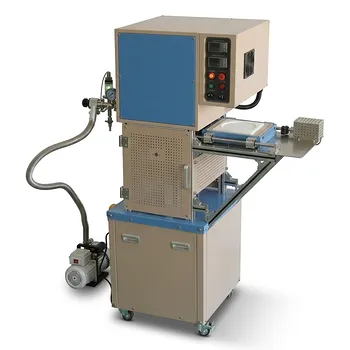
1200°C Bottom Loading Vacuum Furnace with Rapid Gas Cooling and 8.6 Inch Diameter Quartz Chamber
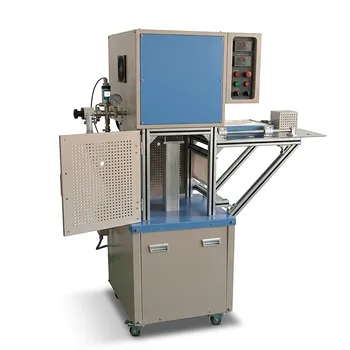
Bottom Loading Vacuum Furnace 1200C Rapid Cooling Atmosphere Control Quartz Chamber
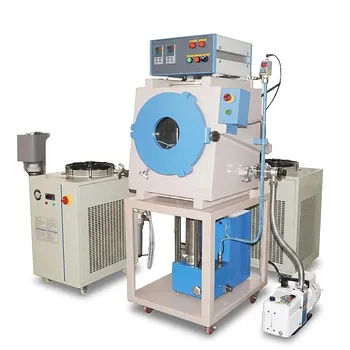
High Temperature Vacuum Lamination Hot Press Furnace Machine for Semiconductor Wafer Bonding and Advanced Composite Thermal Processing
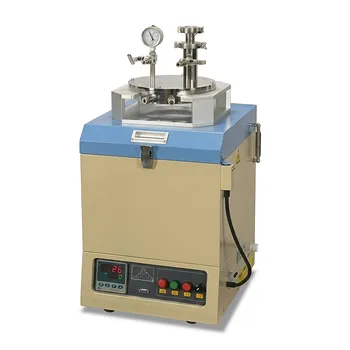
Vertical Vacuum Furnace 1100C High Temperature 8 Inch Quartz Chamber Water Cold Flange System
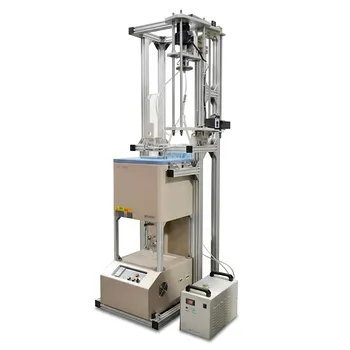
500C Vacuum Vertical Tube Furnace 84mm OD Sample Rotation Lifting System
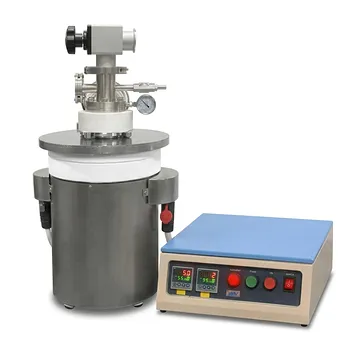
1100C High Temperature Vacuum Crucible Furnace with Quartz Chamber for Thermal Processing and Sintering
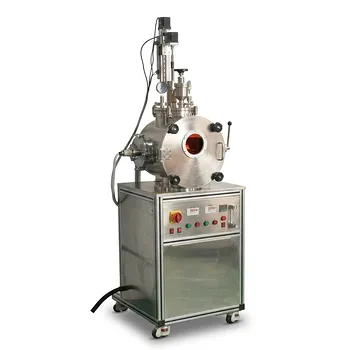
High Vacuum Melting Casting Furnace with Mechanical Stirring and Secondary Charge for Metallic Alloy Research
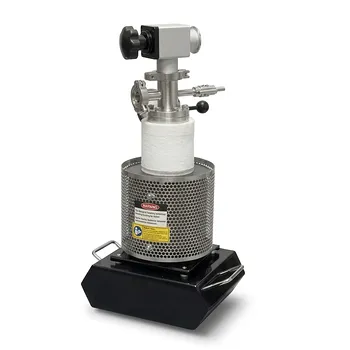
High Temperature 1100C Compact Top Loading Vertical Vacuum Tube Furnace for High Vacuum Noble Metal Melting and Material Research
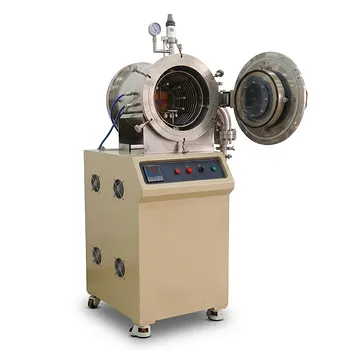
High Temperature Cold Wall High Vacuum Chamber Furnace 1400C for Advanced Material Processing
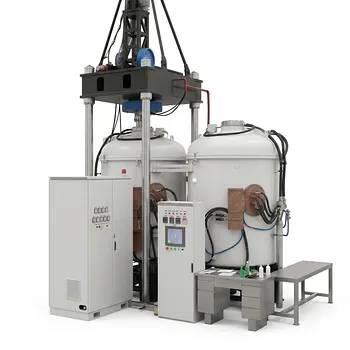
High Pressure 600T Vacuum Induction Hot Press Furnace for Advanced Material Heat Treatment and Sintering
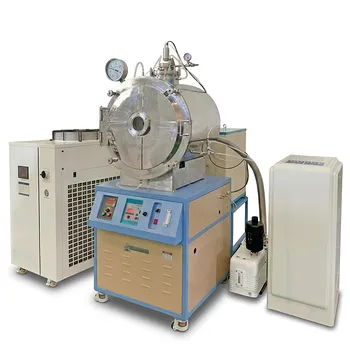
Ultra High Temperature Induction Heated Vacuum Furnace with Molten Salt Electrolysis Capability and 3000 Degree Precision Control
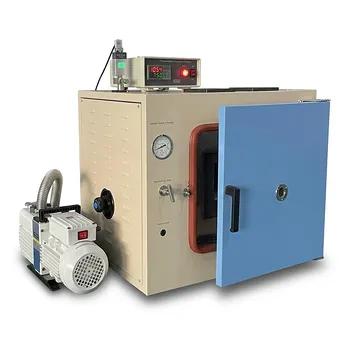
Compact High Vacuum Box Furnace 1050C Max 6.2L Ceramic Chamber Stainless Steel Shell Programmable Temperature Controller for Material Science Research
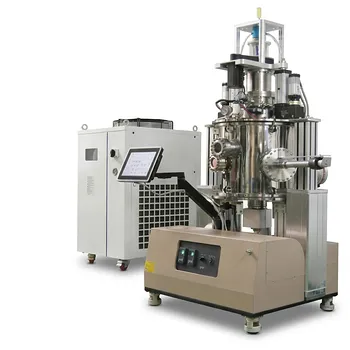
950C Rapid Thermal Processing Furnace for 12 Inch Wafer CSS Coating with Rotating Substrate Holder
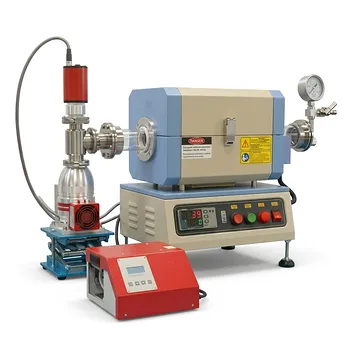
High Vacuum Compact Tube Furnace 1200C with Integrated Turbo Pump System and 8 Inch Heating Zone
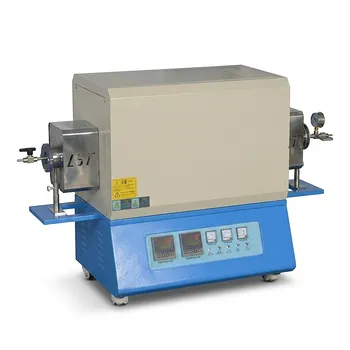
High Temperature Dual Zone Vacuum Tube Furnace for Material Research and CVD Processing