Why is high-purity argon critical for uranium fuel heat treatment? Ensure Oxidation Control and Material Purity
Updated 3 months ago
A high-purity argon atmosphere is the critical safeguard that prevents the catastrophic oxidation of uranium and its carbon-based components during high-temperature processing. By maintaining an environment with extremely low oxygen partial pressure, the system ensures that the carbothermic reduction reaction follows precise stoichiometric ratios while simultaneously protecting the furnace’s internal hardware from corrosive failure.
Core Takeaway: For uranium-based fuel synthesis, an argon atmosphere is not merely a preference but a functional necessity; it isolates highly reactive materials from oxygen and moisture to ensure chemical purity, process repeatability, and equipment longevity.
Preventing Chemical Degradation and Oxidative Loss
Preservation of Stoichiometric Ratios
Uranium and its carbides exhibit extreme reactivity with oxygen, particularly at the elevated temperatures (1000°C to 1700°C) required for fuel synthesis. Without a high-purity argon shield, oxygen would prematurely consume the carbon source intended for the carbothermic reduction reaction. This shielding is vital to ensure the final fuel monomer achieves the exact chemical stoichiometry required for nuclear performance.
Protection of Carbon Carriers
Beyond the uranium itself, many nuclear fuel precursors utilize carbon-based structures or nanoboxes to facilitate specific material properties. High-purity argon prevents these carbon carriers from being eroded by atmospheric oxygen. This preservation allows metal precursors to undergo selective agglomeration or diffusion without the interference of unintended oxide layers.
Mitigation of Phase Impurities
Inert environments prevent the formation of secondary phases, such as uranium oxides or nitrides, which can degrade the fuel's thermal and mechanical properties. Similar to the production of High-Entropy Alloys (HEAs), maintaining a pure argon flow ensures that high-activity elements do not suffer oxidative loss. This leads to the successful formation of the target phases, such as C14 Laves or specific carbide phases, which are essential for fuel stability.
Safeguarding Process Infrastructure and Stability
Extending Heating Element Lifespan
The internal heating elements of high-temperature furnaces are highly susceptible to oxidative corrosion when exposed to air at 1700°C. A continuous flow of high-purity argon creates a protective barrier that significantly extends the operational life of these expensive components. By excluding moisture and oxygen, the system prevents the structural thinning and eventual "burn-out" of the furnace's core heating units.
Maintaining Consistent Internal Pressure
Stable gas flow rates, often measured in NLPM (Normal Liters Per Minute), help maintain a consistent internal furnace pressure. This stability is critical for process repeatability, ensuring that every batch of fuel monomer is treated under identical thermal and chemical conditions. Consistent pressure also assists in achieving uniform heat transfer, which is essential for maintaining the mechanical integrity of the fuel joints or pellets.
Understanding the Trade-offs and Challenges
The Risk of Trace Impurities
Even "high-purity" argon can contain trace amounts of moisture or oxygen if the delivery system is compromised. In uranium processing, even parts-per-million (ppm) levels of contamination can lead to the formation of thin oxide films that inhibit essential diffusion reactions. Therefore, the atmosphere must be constantly monitored using oxygen and moisture sensors to ensure the "high-purity" status is maintained.
Balancing Flow Rate and Cost
While a higher flow rate provides better protection against leaks, it increases the operational cost and can lead to excessive cooling of the furnace zone. Engineers must find the "sweet spot" where the argon partial pressure is high enough to exclude air (e.g., maintaining 1000 Pa or slightly positive pressure) without wasting gas. Inadequate flow can lead to "back-diffusion" of air, while excessive flow can disrupt the delicate thermal gradients required for grain growth.
How to Optimize Your Atmosphere Protection
To achieve the best results in uranium-based fuel heat treatment, the atmosphere strategy should be tailored to the specific material goals of the project.
- If your primary focus is stoichiometric precision: Implement a closed-loop argon purification system that filters oxygen and moisture to sub-ppm levels before the gas enters the furnace.
- If your primary focus is equipment longevity: Prioritize maintaining a slight positive pressure within the furnace to ensure no external air can leak through seals or gaskets.
- If your primary focus is microstructural evolution: Ensure the argon flow is laminar and pre-heated to avoid creating localized cold spots that could lead to non-uniform grain structures.
By mastering the high-purity argon environment, you transform a volatile chemical process into a controlled, repeatable science that ensures the safety and efficacy of nuclear fuel.
Summary Table:
| Key Function | Impact on Nuclear Fuel | Equipment Advantage |
|---|---|---|
| Oxidation Prevention | Eliminates degradation of uranium and carbon carriers | Prevents heating element corrosion at 1700°C |
| Stoichiometric Control | Ensures precise carbothermic reduction ratios | Improves process repeatability and reliability |
| Pressure Stability | Promotes uniform heat transfer and grain growth | Reduces risk of air back-diffusion and leaks |
Partner with THERMUNITS for Precision Thermal Processing
At THERMUNITS, we are a leading manufacturer of high-temperature laboratory equipment dedicated to the advancement of material science and industrial R&D. We understand that in nuclear fuel synthesis, atmosphere purity is non-negotiable.
Our comprehensive range of Atmosphere, Vacuum, Tube, and Rotary furnaces, along with our CVD/PECVD systems and Vacuum Induction Melting (VIM) units, are engineered to provide the ultra-low oxygen environments required for sensitive materials. Whether you are managing stoichiometric precision or protecting complex carbon carriers, our thermal solutions deliver the stability and control your research demands.
Ready to enhance your lab’s capabilities? Contact us today to discuss your specific heat treatment requirements and see how THERMUNITS can optimize your results.
References
- Alice Zanini, Giorgia Franchin. First Structured Uranium‐Based Monoliths Produced via Vat Photopolymerization for Nuclear Applications. DOI: 10.1002/adfm.202406916
Mentioned Products
- High Temperature Vertical Atmosphere Controlled Furnace with Automatic Bottom Loading and 1700°C Capacity for Advanced Material Research
- 1650C High Temperature Atmosphere Controlled Box Furnace with 65L Chamber for Advanced Material Sintering and Industrial Heat Treatment
- High Temperature 1700C Benchtop Tube Furnace with 5 Inch Heating Zone High Purity Alumina Tube and Vacuum Sealing Flanges
- High Temperature Cold Wall High Vacuum Chamber Furnace 1400C for Advanced Material Processing
- 1200C Five Side Heating Muffle Furnace with Sliding Door 125L Volume High Temperature Heat Treatment System for Large Scale Sintering and Annealing
People Also Ask
- What role does atmosphere control play in technical ceramics and glass? Master Material Purity and Precision
- What is the function of a vertical tube furnace in MnOx-SiO2 research? Precision Control & Quenching
- What's the Role of Tube Furnaces in FeCuS-N-C Synthesis? Precision Pyrolysis & Atmosphere Control
- What role does a high-temperature atmosphere furnace play in the direct electrochemical reduction of CO2? - Key Insights
- What is the function of a high-temperature tube furnace with atmosphere control? Optimize Carbonization of Composites

Tech Team · ThermUnits
Last updated on Jun 02, 2026
Related Products
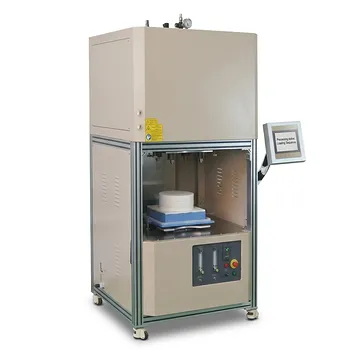
High Temperature Vertical Atmosphere Controlled Furnace with Automatic Bottom Loading and 1700°C Capacity for Advanced Material Research
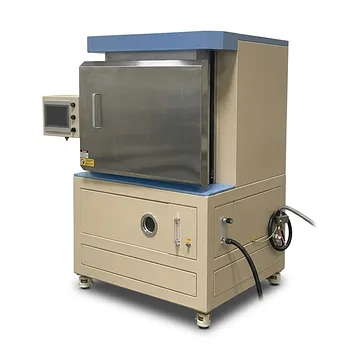
1650C High Temperature Atmosphere Controlled Box Furnace with 65L Chamber for Advanced Material Sintering and Industrial Heat Treatment

High Temperature 1700C Benchtop Tube Furnace with 5 Inch Heating Zone High Purity Alumina Tube and Vacuum Sealing Flanges
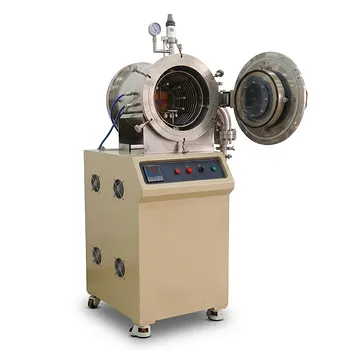
High Temperature Cold Wall High Vacuum Chamber Furnace 1400C for Advanced Material Processing
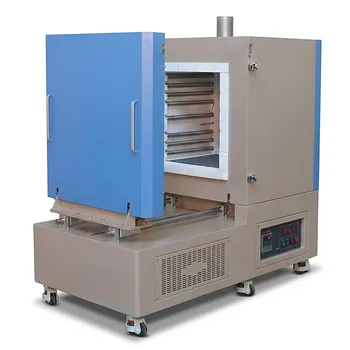
1200C Five Side Heating Muffle Furnace with Sliding Door 125L Volume High Temperature Heat Treatment System for Large Scale Sintering and Annealing
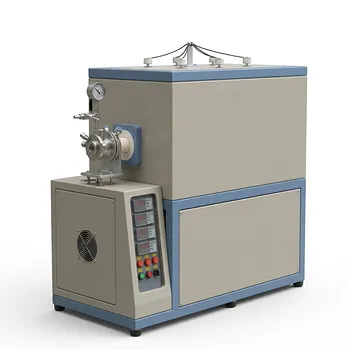
High Temperature 1700C Three Zone Tube Furnace with Alumina Tube 50mm 60mm 80mm OD for Material Research and Industrial Heat Treatment
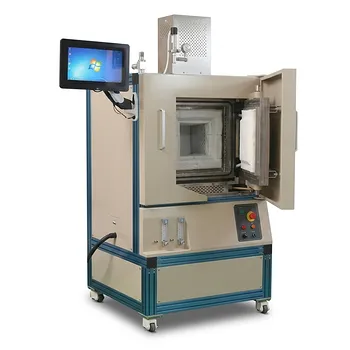
High Temperature Oxygen and Inert Atmosphere Controlled Furnace 8 Liter 1700C Sintering System for Advanced Materials RD
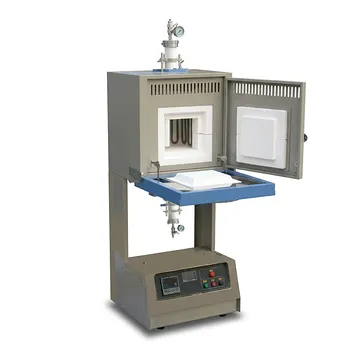
Vertical Hybrid High Temperature Furnace 1500C Alumina Tube SOFC Fuel Cell Testing Laboratory Heat Treatment Research Equipment
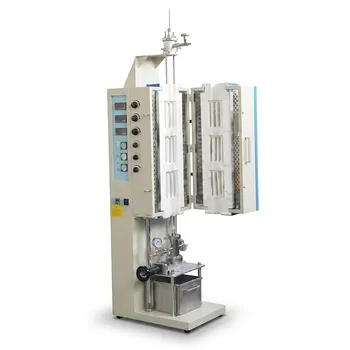
High Temperature Dual Zone Tube Furnace for Material Science Research and Professional Thermal Processing
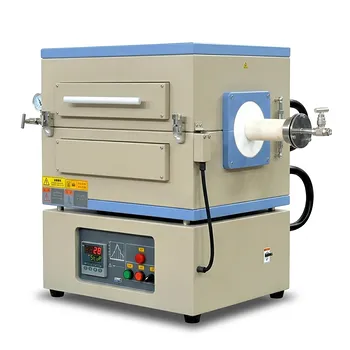
1500°C Split Tube Furnace with Alumina Tube and Vacuum Sealing Flanges for Material Research
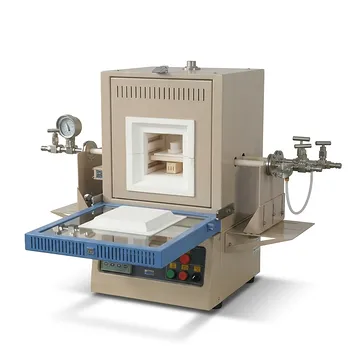
1700C Compact Hybrid Furnace with Dual Layer Box Sintering and Controlled Atmosphere Alumina Tubes
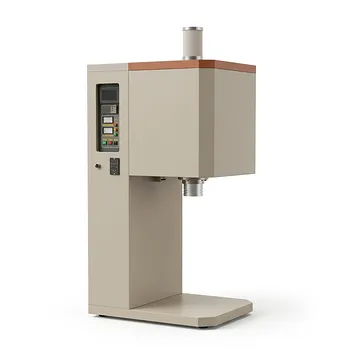
Vertical Openable Tube Furnace 0-1700c High Temperature Laboratory System for CVD and Vacuum Heat Treatment
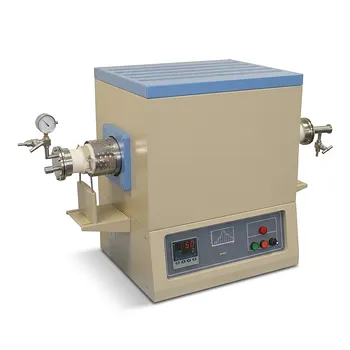
1700C High Temperature Alumina Tube Furnace with 18 Inch Heated Zone and Vacuum Sealing Flanges
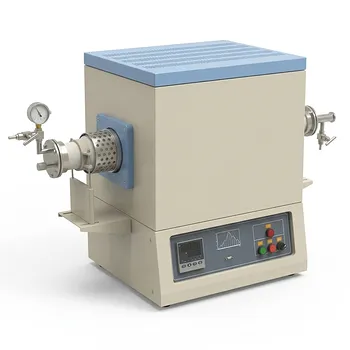
1750°C High Temperature Benchtop Vacuum Atmosphere Tube Furnace with Kanthal Super 1800 Heating Elements and 60mm Alumina Processing Tube
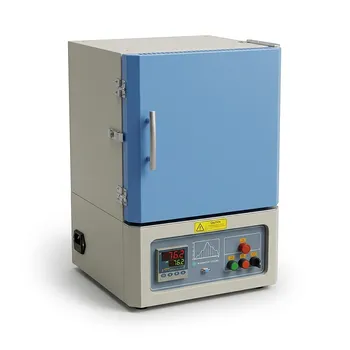
1750C Bench Top Muffle Furnace 3.6L High Grade Molybdenum Disilicide Heating Elements Laboratory Heat Treatment Equipment

Vertical 1700C Vacuum and Atmosphere Tube Furnace with 80mm Alumina Tube
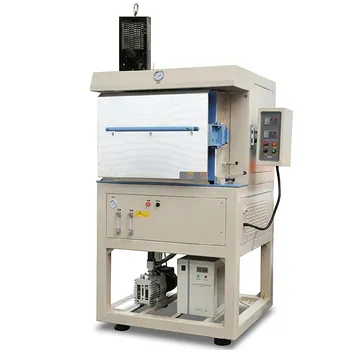
1200C Hydrogen Atmosphere Box Furnace with 5 Heated Sides and 64L Chamber
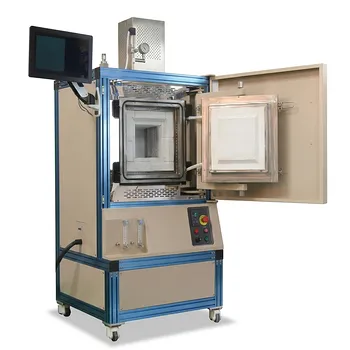
High Temperature Hydrogen Atmosphere Box Furnace 1650C Max Reducing Environment Material Synthesis System 8x8x8 Chamber
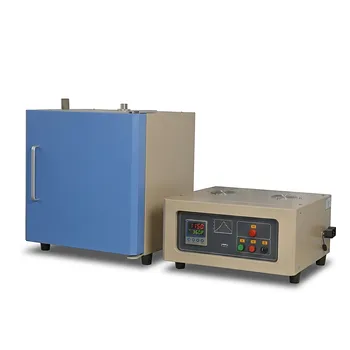
High Temperature Muffle Furnace with Alloy Chamber for Debinding and Sintering Applications