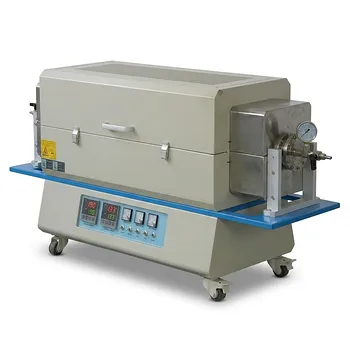
What is the primary function of a dual-zone tube furnace in CVD MoS2 synthesis? Achieve Precise Thermal Control
Updated 3 months ago
The primary function of a dual-zone tube furnace is the independent thermal regulation of precursor materials. In the synthesis of Molybdenum Disulfide (MoS2), this equipment allows for the decoupled control of evaporation temperatures for sulfur powder and molybdenum precursors (typically MoO3). This precise segmentation is essential for maintaining the specific vapor concentration gradients required to grow high-quality, large-area monolayer films.
A dual-zone furnace provides the necessary thermal environment to sublimate sulfur and molybdenum sources at their distinct, optimal temperatures simultaneously. By decoupling these heating profiles, the system ensures a stable and reproducible chemical reaction that is critical for achieving uniform MoS2 crystal growth.
The Critical Need for Decoupled Thermal Zones
Managing Disparate Sublimation Points
Sulfur and Molybdenum Trioxide (MoO3) have significantly different physical properties and evaporation temperatures. Sulfur sublimates at relatively low temperatures (typically around 200°C), while MoO3 requires much higher temperatures (often between 750°C and 800°C) to volatilize.
Establishing Stable Vapor Concentration
A dual-zone configuration allows the "upstream" zone to be set specifically for sulfur sublimation while the "downstream" zone reaches the high temperatures needed for the molybdenum source. This independence prevents one material from exhausting its vapor supply before the other has reached its reaction threshold, ensuring a steady stoichiometry during the deposition process.
Regulating the Reaction Gradient
By controlling each zone separately, researchers can create a precise temperature gradient field. This gradient is vital for directing the flow of vapor-phase reactants toward the substrate, facilitating the chemical reaction at the exact moment the precursors meet under optimal thermal conditions.
Enhancing Film Quality and Uniformity
Promoting Controlled Nucleation
The quality of monolayer MoS2 depends heavily on the initial nucleation phase on the substrate. The dual-zone furnace allows for the fine-tuning of the precursor vapor pressure, which directly influences whether the MoS2 forms as high-quality, large-area triangular grains or as fragmented, multi-layer clusters.
Optimizing the Deposition Environment
Beyond temperature, the furnace provides a sealed gas channel for carrier gases like Argon to transport vapors. The ability to maintain a high-precision thermal environment—often stable within a few degrees—ensures that the chemical vapor deposition (CVD) process remains consistent across the entire surface of the substrate.
Controlling Crystal Orientation
In specialized applications, precise temperature profiles and gas flow regulation allow for the growth of MoS2 with a vertical orientation. This specific morphology is achieved by adjusting the furnace to favor the exposure of active edge sites, which is critical for electrochemical and catalytic performance.
Understanding the Trade-offs and Challenges
Complexity of Gradient Calibration
While dual zones offer superior control, they introduce complexity in managing the transition region between the two heating zones. If the temperature drops too sharply between zones, precursors can re-condense on the tube walls, leading to "clogging" and inconsistent film thickness.
Thermal Lag and Stabilization Time
Managing two independent heating elements requires longer stabilization times to ensure both zones have reached a steady state. Rapidly changing the temperature in one zone can inadvertently affect the other through internal radiation, requiring sophisticated PID (Proportional-Integral-Derivative) controllers to maintain equilibrium.
Substrate Positioning Sensitivity
In a dual-zone setup, the physical placement of the substrate relative to the heating zones is a critical variable. Small shifts in position can move the substrate out of the "sweet spot" of the temperature gradient, resulting in non-uniform growth or unwanted multi-layer formation.
Making the Right Choice for Your Goal
How to Apply This to Your Project
When configuring a CVD process for MoS2, your furnace settings should align with your specific material requirements:
- If your primary focus is large-area monolayer uniformity: Utilize the dual-zone control to maintain a low, steady sulfur evaporation rate while keeping the deposition zone at a constant high temperature (e.g., 750°C-800°C).
- If your primary focus is high-density active edge sites: Adjust the temperature profiles and carrier gas flow to promote vertical growth rather than horizontal film coalescence.
- If your primary focus is rapid prototyping: Ensure your furnace has high-precision cooling and stabilization capabilities to reduce the time between experimental cycles.
Mastering the independent thermal profiles of a dual-zone furnace is the most effective way to transition from inconsistent flakes to high-quality, wafer-scale MoS2 synthesis.
Summary Table:
| Feature | Function in MoS2 CVD Synthesis |
|---|---|
| Independent Heating | Separates sulfur sublimation (~200°C) from MoO3 volatilization (750-800°C). |
| Vapor Regulation | Maintains stable stoichiometry and precise precursor concentration gradients. |
| Nucleation Control | Optimizes vapor pressure to promote high-quality, large-area triangular grains. |
| Thermal Gradient | Directs vapor-phase reactants toward the substrate for uniform film deposition. |
Elevate Your R&D with THERMUNITS Precision Thermal Solutions
High-quality 2D material synthesis requires the rigorous thermal control that only industry-leading equipment can provide. THERMUNITS is a premier manufacturer of high-temperature laboratory equipment specifically designed for material science and industrial R&D.
Our comprehensive range of thermal processing solutions includes:
- CVD & PECVD Systems: Optimized for MoS2, Graphene, and Nanotube growth.
- Tube & Rotary Furnaces: Available in multi-zone configurations for precise gradient control.
- Specialized Equipment: Muffle, Vacuum, Atmosphere, Hot Press, and Dental furnaces.
- Advanced Melting: Vacuum induction melting furnaces (VIM) and high-performance thermal elements.
Whether you are scaling up monolayer production or conducting fundamental research, our expert team is ready to provide customized furnace configurations tailored to your specific process parameters.
Contact THERMUNITS today to optimize your heat treatment workflow
References
- Salvatore Ethan Panasci, Filippo Giannazzo. Interface Properties of MoS2 van der Waals Heterojunctions with GaN. DOI: 10.3390/nano14020133
Mentioned Products
- High Temperature Dual Zone Vacuum Tube Furnace for Material Research and CVD Processing
- 5 Inch Two Zone Rotary Tube Furnace 1100C for Powder CVD and Material Synthesis
- Two Zone Rotary Tube Furnace for Powder CVD Coating and Core Shell Material Synthesis 1100C
- Double Temperature Zone Double Cover Tube Furnace for High Temperature CVD and Vacuum Annealing
- High Temperature Dual Zone Split Tube Furnace for Advanced Atmosphere Sintering and Vacuum CVD Applications
People Also Ask
- What are the primary technical advantages of using a dual-zone tube furnace for MoS2? Optimize CVD Precision & Yield
- What is the primary function of an industrial-grade dual-zone tube furnace? Mastering CuInP2S6 CVT Crystal Growth
- What are the advantages of using a dual-zone tube furnace for MoS2 CVD? Optimize Precursor Control and Material Quality
- Purpose of the reverse gradient step in CVT growth? Master Crystal Purity with Dual-Zone Furnaces
- What are the technical advantages of using a dual-zone tube furnace for growing large PdCoO2 crystals via CVT? Expert Tips

Tech Team · ThermUnits
Last updated on Jun 02, 2026
Related Products
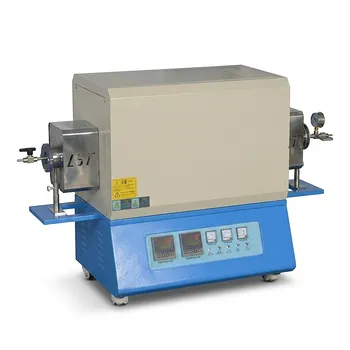
High Temperature Dual Zone Vacuum Tube Furnace for Material Research and CVD Processing
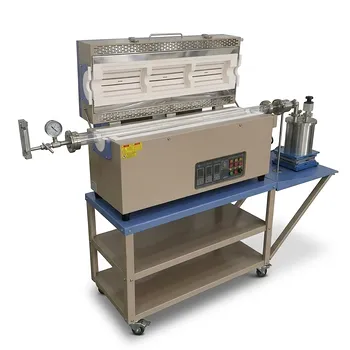
5 Inch Two Zone Rotary Tube Furnace 1100C for Powder CVD and Material Synthesis
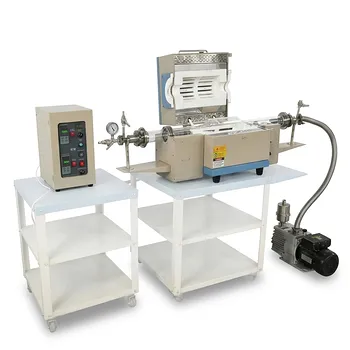
Two Zone Rotary Tube Furnace for Powder CVD Coating and Core Shell Material Synthesis 1100C
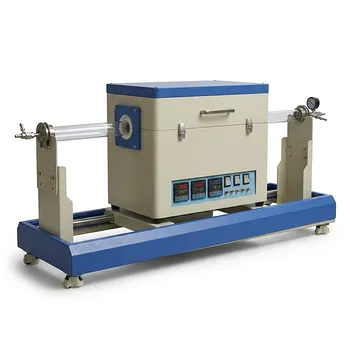
Double Temperature Zone Double Cover Tube Furnace for High Temperature CVD and Vacuum Annealing
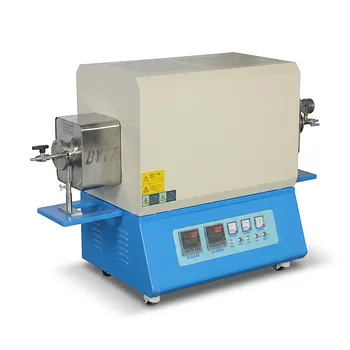
High Temperature Dual Zone Split Tube Furnace for Advanced Atmosphere Sintering and Vacuum CVD Applications
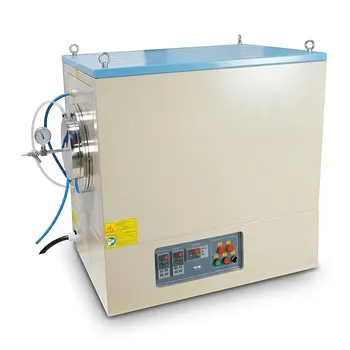
Dual Zone Tube Furnace 1100C with 11 Inch Quartz Tube and Vacuum Flanges for 8 Inch Wafer Processing
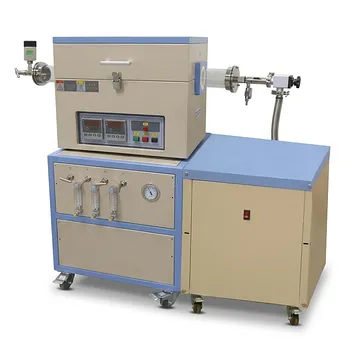
Dual Zone Quartz Tube Furnace with 80mm Diameter 1200C Max Temperature 3 Channel Gas Mixer and Vacuum Pump System
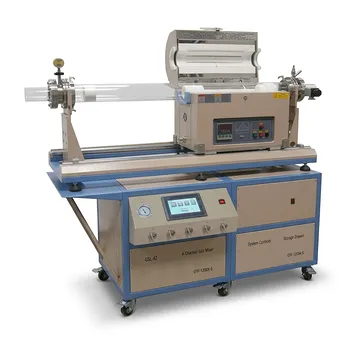
Dual Tube 100mm 80mm CVD Sliding Furnace with 4 Channel Gas Mixing and Vacuum System
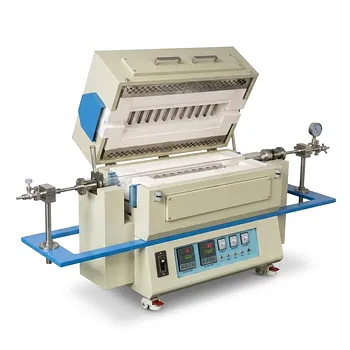
High Temperature Dual Zone Rotating Tube Furnace 1500C Silicon Carbide Heating for Advanced Material Synthesis
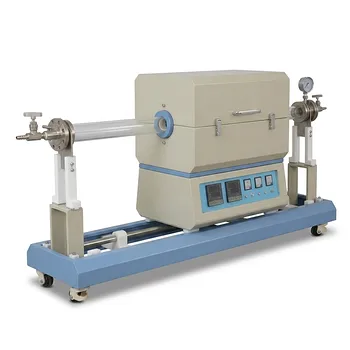
Double Zone Fast Heating Tube Furnace High Temperature Vacuum Atmosphere System
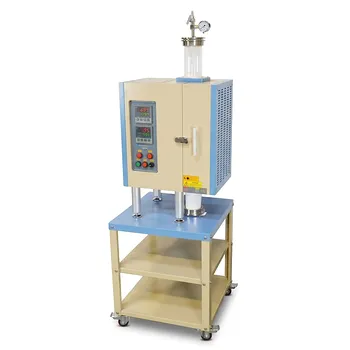
1100°C Dual Zone Split Vertical Tube Furnace with 4 Inch Quartz Tube and Vacuum Sealing Flanges
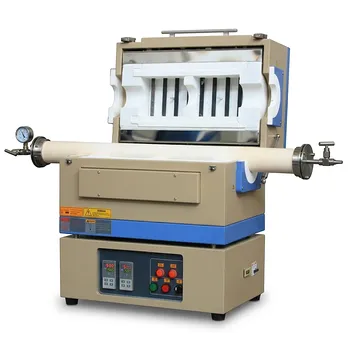
1500C Two Zone Split Tube Furnace with Vacuum Flange and 80mm Alumina Tube
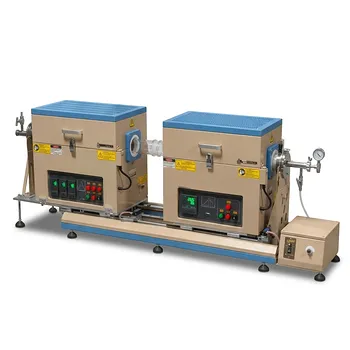
1200C Dual Temperature Zone Slidable Tube Furnace for 2D Material Growth and TCVD Synthesis
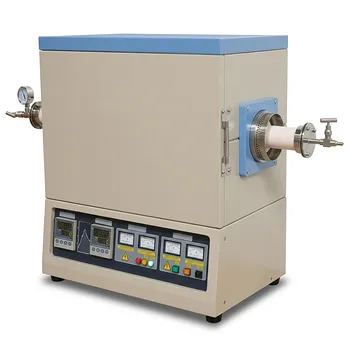
High Temperature 1700C Dual Zone Tube Furnace for Material Science and Industrial Chemical Vapor Deposition Research
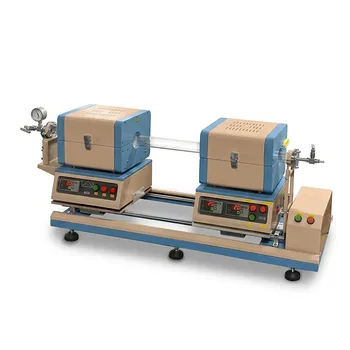
High Temperature 1200C Automatic Sliding Dual Zone Tube Furnace for 2D Transition Metal Dichalcogenides Growth and Material Sublimation Research
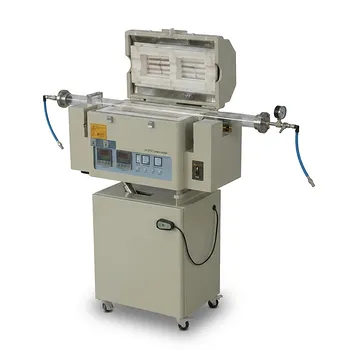
Double Temperature Revolving Tube Furnace with Precision Rotation and Adjustable Inclination for Advanced Material Research
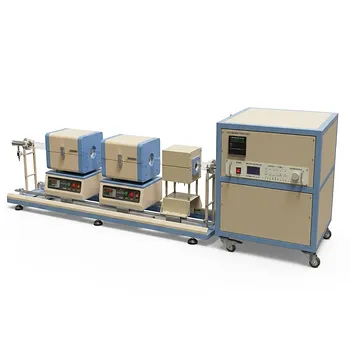
1200C Dual Sliding Tube Furnace with Dual Tubes and Flanges for PECVD Processes
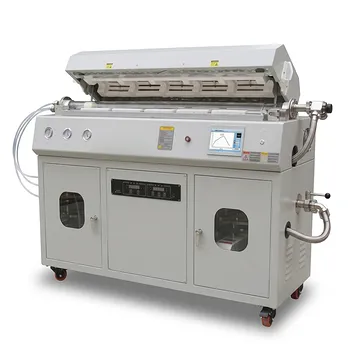
Multi Heating Zones CVD Tube Furnace System for Precision Chemical Vapor Deposition and Advanced Material Synthesis
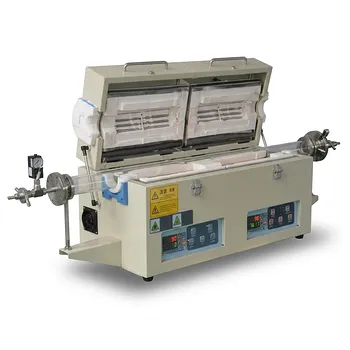
Elongated Two Temperature Zone Pipe Furnace for Industrial Heat Treatment and Material Science Research