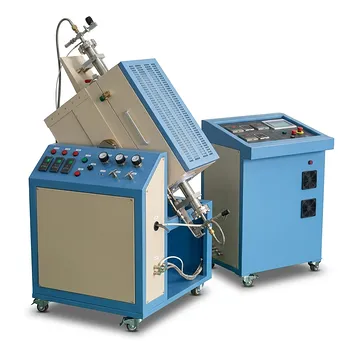
What is the primary function of a high-temperature tube furnace for nCoNi-NC synthesis? Achieve Precise MOF Pyrolysis.
Updated 5 months ago
The primary role of a high-temperature tube furnace is to facilitate the pyrolytic carbonization of CoNi-ZIF precursors. In the synthesis of nCoNi-NC carbon-based supports, the furnace provides a controlled nitrogen protective atmosphere and a constant thermal environment of 1000 °C. This specific environment is necessary to transform metal-organic frameworks (MOFs) into nitrogen-doped carbon skeletons while ensuring metal components remain uniformly embedded as nanoclusters.
Core Takeaway: A high-temperature tube furnace acts as the reactor for "deep pyrolysis," converting organic precursors into conductive, porous carbon frameworks. This thermal processing is the critical step that defines the material's specific surface area and ensures the stable anchoring of nickel and cobalt active sites.
Mechanisms of Thermal Transformation
Pyrolytic Carbonization of Precursors
The furnace enables the thermal decomposition of metal-organic framework (MOF) precursors under strictly controlled conditions. At the target temperature of 1000 °C, the organic links within the CoNi-ZIF structure break down and reorganize into a carbonaceous matrix.
This process is not merely heating; it is a chemical transformation that converts a crystalline MOF into a robust, nitrogen-doped carbon skeleton. Without this precise high-temperature environment, the organic components would not achieve the necessary level of carbonization required for high electrical conductivity.
Development of Porous Nanostructures
The high-temperature tube furnace is responsible for generating the high specific surface area characteristic of nCoNi-NC supports. As the precursors decompose, they create hierarchical pore structures that are essential for catalytic applications.
These pores allow for better mass transport and more accessible active sites. The furnace ensures that this porosity is developed uniformly throughout the material, rather than just on the surface.
Maintaining Chemical and Structural Integrity
Controlled Nitrogen Protective Atmosphere
One of the furnace's most critical functions is maintaining a stable, oxygen-free nitrogen atmosphere. This environment prevents the carbon skeleton from oxidizing or burning away at 1000 °C.
Furthermore, the nitrogen atmosphere, combined with the presence of nitrogen in the precursors, facilitates nitrogen doping into the carbon framework. This doping enhances the chemical stability and electronic properties of the support, making it more effective for subsequent loading or anchoring of active components.
Stabilization of Metal Nanoclusters
The furnace environment controls how cobalt and nickel atoms behave during the carbonization process. It ensures that these metal components are uniformly embedded as nanoclusters rather than aggregating into large, inactive particles.
By maintaining a constant high temperature, the furnace allows the metal atoms to reach their most stable configuration within the nitrogen-doped carbon substrate. This results in the formation of efficient catalytic active sites that are securely anchored against leaching or sintering.
Understanding the Trade-offs and Pitfalls
Temperature Precision and Sintering Risks
While 1000 °C is the benchmark for nCoNi-NC, deviations can significantly alter the final product. Temperatures that are too low may result in incomplete carbonization and poor conductivity, while temperatures that are too high can lead to the excessive sintering of metal clusters.
Sintering reduces the effective surface area and destroys the fine dispersion of the nanoclusters. A tube furnace must provide a constant thermal environment to avoid "hot spots" that cause localized structural collapse.
Atmospheric Contamination
The success of the synthesis depends entirely on the "strict" nature of the protective atmosphere. Even trace amounts of oxygen leaking into the tube furnace can result in the formation of metal oxides (like Co3O4) instead of the desired metal-nanocluster/carbon-skeleton composite.
Maintaining a high flow rate of inert gas and ensuring a gas-tight seal in the furnace are technical requirements that cannot be ignored. Failure to do so changes the chemical state of the catalytic sites, potentially rendering the material ineffective.
How to Optimize Synthesis for Your Goal
Choosing the Right Parameters
Identifying the correct furnace settings is essential for tailoring the properties of the carbon-based support to your specific application.
- If your primary focus is maximised surface area: Ensure the furnace ramp rate is carefully controlled to allow for organized pore development without structural collapse.
- If your primary focus is high electrical conductivity: Prioritize the "deep pyrolysis" stage by maintaining the 1000 °C environment for a sufficient duration to maximize graphitization.
- If your primary focus is stable active sites: Focus on the nitrogen protective atmosphere flow to ensure that nitrogen atoms are successfully incorporated into the carbon lattice for stable metal anchoring.
The high-temperature tube furnace is the fundamental tool that bridges the gap between raw organic precursors and high-performance, functionalized carbon catalysts.
Summary Table:
| Key Function | Process Mechanism | Final Outcome |
|---|---|---|
| Pyrolytic Carbonization | Thermal decomposition of CoNi-ZIF at 1000 °C | Transformation into a conductive carbon matrix |
| Atmosphere Control | Constant nitrogen protective environment | Prevents oxidation and enables nitrogen-doped framework |
| Structural Development | Regulated organic link breakage | High specific surface area with hierarchical pores |
| Metal Stabilization | Uniform thermal zone management | Anchored metal nanoclusters without sintering |
Elevate Your Material Research with THERMUNITS Precision
High-performance catalyst synthesis like nCoNi-NC requires uncompromising thermal stability and atmospheric purity. THERMUNITS is a leading manufacturer of high-temperature laboratory equipment specifically designed for material science and industrial R&D.
We provide a comprehensive range of thermal solutions to meet your synthesis needs:
- Tube & Atmosphere Furnaces: Optimized for nitrogen-doped carbonization and CVD applications.
- Vacuum & Muffle Furnaces: For high-purity heat treatment and calcination.
- Advanced Systems: Including CVD/PECVD, Rotary Kilns, Hot Press furnaces, and Vacuum Induction Melting (VIM).
- Specialized Equipment: Dental Furnaces and high-quality Thermal Elements.
Ensure your metal nanoclusters are perfectly anchored and your carbon skeletons are fully graphitized. Trust THERMUNITS for uniform heating and reliable performance.
Contact Our Engineering Team for a Custom Solution
References
- Shiqi Song, Jianyong Zheng. Pt3(CoNi) Ternary Intermetallic Nanoparticles Immobilized on N-Doped Carbon Derived from Zeolitic Imidazolate Frameworks for Oxygen Reduction. DOI: 10.3390/ma17194775
Mentioned Products
- High Temperature Tube Furnace 1500C with Sliding Flanges and 50mm OD for Rapid Thermal Processing Fast Heating and Cooling
- High Temperature 1700C Tube Furnace with High Vacuum Turbomolecular Pump System and Multi Channel Mass Flow Controller Gas Mixer
- 1750°C High Temperature Benchtop Vacuum Atmosphere Tube Furnace with Kanthal Super 1800 Heating Elements and 60mm Alumina Processing Tube
- High Temperature 1700C Benchtop Tube Furnace with 5 Inch Heating Zone High Purity Alumina Tube and Vacuum Sealing Flanges
- 1700C High Temperature Alumina Tube Furnace with 18 Inch Heated Zone and Vacuum Sealing Flanges
People Also Ask
- How are high-temperature tube furnaces utilized to repair etching damage? Precision Lattice Restoration Solutions
- What role does a high-temperature tube furnace play in CVD synthesis of silicon nanowires? Master VLS Growth Precision.
- What core conditions does a high-temperature tube furnace provide for rGO aerogels? Mastering Precision Synthesis.
- What role does a high-temperature tube furnace play in the sulfidation heat treatment of CoS@C/MXene nanocomposites? Guide
- How does precision tube furnace control influence CoFe nanoparticle formation? Master Your Bimetallic Synthesis.

Tech Team · ThermUnits
Last updated on Apr 14, 2026
Related Products

High Temperature Tube Furnace 1500C with Sliding Flanges and 50mm OD for Rapid Thermal Processing Fast Heating and Cooling

High Temperature 1700C Tube Furnace with High Vacuum Turbomolecular Pump System and Multi Channel Mass Flow Controller Gas Mixer
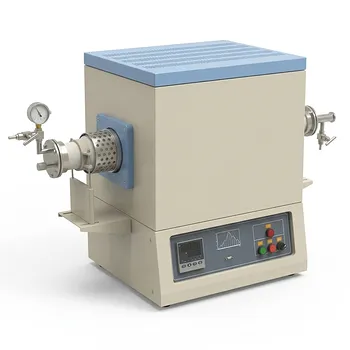
1750°C High Temperature Benchtop Vacuum Atmosphere Tube Furnace with Kanthal Super 1800 Heating Elements and 60mm Alumina Processing Tube

High Temperature 1700C Benchtop Tube Furnace with 5 Inch Heating Zone High Purity Alumina Tube and Vacuum Sealing Flanges
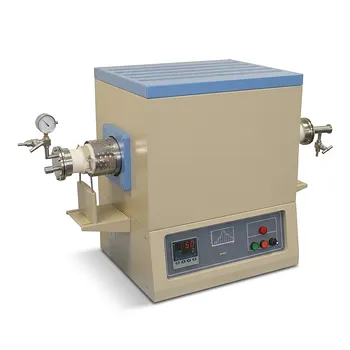
1700C High Temperature Alumina Tube Furnace with 18 Inch Heated Zone and Vacuum Sealing Flanges
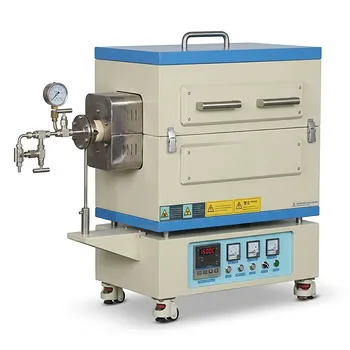
High Temperature Split Tube Furnace 1500C for Material Research Vacuum and Atmosphere Thermal Processing

Compact High Temperature 1600C Tube Furnace with 50mm Alumina Tube and Vacuum Flanges for Material Sintering

1800C High Temperature Compact Vacuum Tube Furnace with 60mm OD Alumina Tube and Kanthal MoSi2 Heating Elements
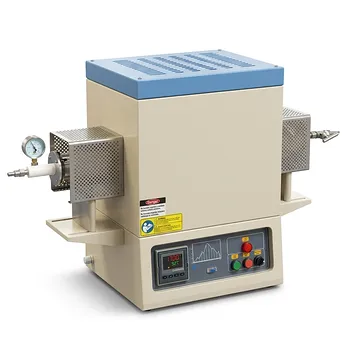
High Temperature Three Zone Tube Furnace 1700C with Alumina Tube and Water Cooled Flanges
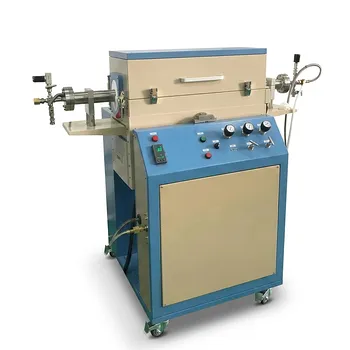
High Temperature Rocking Tube Furnace 1700°C Alumina Processing Tube with Precision Oscillation for Material Synthesis
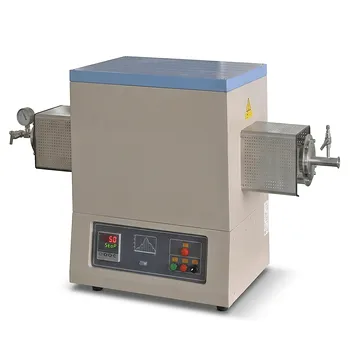
High Temperature 1700C Tube Furnace with 4 Inch OD Alumina Tube and Vacuum Sealing Flanges

High Temperature 1700C Vertical Tube Furnace for Powder Spherification and Material Sintering
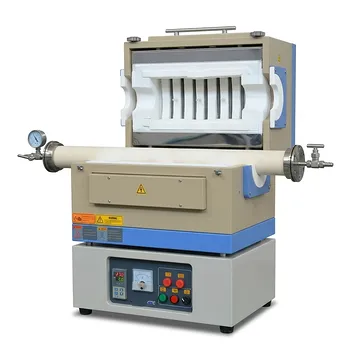
High Temperature 1600C Split Tube Furnace Vacuum Flanges Valves Optional 60mm 80mm Alumina Tube

High Temperature Automated 5 Inch Tube Furnace for Autonomous Material Research and Advanced Laboratory R&D

High Temperature 1700C Six Zone Split Tube Furnace with Alumina Tube and Water Cooled Flanges
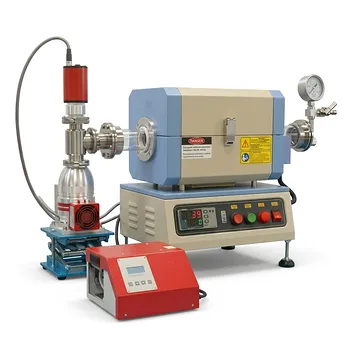
High Vacuum Compact Tube Furnace 1200C with Integrated Turbo Pump System and 8 Inch Heating Zone
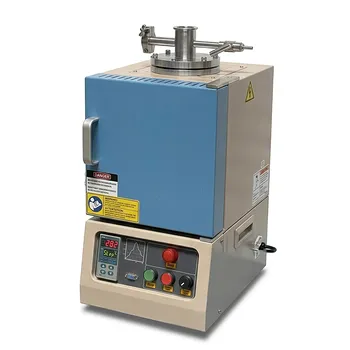
High Temperature Hybrid Muffle and Tube Furnace with Vacuum Capability and PID Control
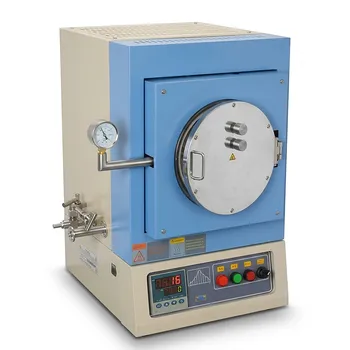
1100°C High Temperature Quartz Chamber Furnace 8 Inch OD with 7.6 Liter Capacity and Vacuum Atmosphere Capability
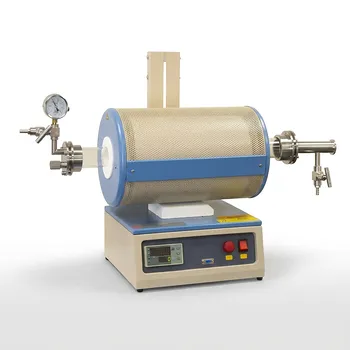
1100C Tube Furnace with Vacuum Flange and Programmable Temperature Controller for Material Science and Industrial Heat Treatment