What is the primary function of a Vacuum Tube Furnace in NbC/Cr7C3 preparation? Master high-purity ceramic synthesis.
Updated 3 months ago
The vacuum tube furnace is the critical enabler for the in-situ synthesis of NbC and Cr7C3 ceramic particles. It provides a precise high-temperature environment ranging from 1160°C to 1200°C while maintaining high vacuum protection. This specific combination is required to prevent the oxidation of metallic powders and graphene, ensuring the chemical synthesis of carbide reinforcement phases at exact stoichiometric ratios.
Core Takeaway: A vacuum tube furnace facilitates the in-situ synthesis of high-quality NbC and Cr7C3 by providing a stable, high-temperature thermal field that prevents material degradation and ensures precise chemical reaction control.
Thermal Precision and Kinetic Control
Maintaining the Synthesis Window
The formation of Niobium Carbide (NbC) and Chromium Carbide (Cr7C3) requires a narrow temperature window between 1160°C and 1200°C. The vacuum tube furnace provides the thermal stability necessary to drive these specific chemical reactions to completion without overshooting into undesirable phases.
Ensuring Reaction Stoichiometry
Precise temperature control ensures that the carbide particles complete their synthesis at specific ratios. This chemical precision is fundamental for obtaining high-quality ceramic reinforcement phases that provide the desired mechanical properties in the final material.
The Necessity of High Vacuum Protection
Preventing Metallic Oxidation
At temperatures exceeding 1000°C, Chromium (Cr) and Niobium (Nb) metallic powders are highly reactive with oxygen. The furnace’s high vacuum environment eliminates oxygen from the chamber, preventing the formation of brittle oxides that would otherwise weaken the ceramic structure.
Safeguarding Graphene and Carbon Sources
Graphene and other carbon precursors are susceptible to thermal degradation and oxidation in the presence of air. The vacuum atmosphere ensures that these carbon sources remain intact and available for the in-situ reaction, allowing them to bond effectively with the metallic powders.
Microstructural Development and Uniformity
Achieving Uniform Ceramic Distribution
The tube furnace provides a superior temperature field uniformity, which is essential for in-situ preparation. This consistency ensures that the NbC and Cr7C3 particles are distributed uniformly throughout the matrix, rather than clustering in "hot spots."
Facilitating Particle Rearrangement
The controlled thermal environment allows for proper particle rearrangement and grain growth. By managing the heating rates and holding times, the furnace facilitates the removal of impurities and the formation of a dense, stable ceramic reinforcement phase.
Understanding the Trade-offs and Limitations
Equipment and Operational Costs
Maintaining a vacuum of approximately 10⁻³ mbar at 1200°C requires sophisticated pumping systems and high-quality seals. These requirements increase both the initial capital expenditure and the ongoing maintenance costs compared to standard atmospheric furnaces.
Throughput and Volume Constraints
Tube furnaces are often limited by the diameter of the ceramic furnace tube, which can restrict the volume of material processed in a single batch. While they offer extreme precision for experimental and small-batch production, scaling to massive industrial volumes requires specialized, larger-scale vacuum systems.
How to Apply This to Your Project
Making the Right Choice for Your Goal
- If your primary focus is material purity: Prioritize a furnace with high-vacuum capabilities (10⁻³ mbar or better) to eliminate all traces of oxygen during the 1200°C soak.
- If your primary focus is phase consistency: Invest in a multi-zone vacuum tube furnace to ensure maximum temperature uniformity across the entire length of your sample.
- If your primary focus is carbon integrity: Utilize an inert gas backfill (such as high-purity Argon) following the vacuum stage to further protect graphene structures during cooling.
The vacuum tube furnace remains the definitive tool for researchers seeking to master the delicate chemical balance required for high-performance ceramic synthesis.
Summary Table:
| Key Feature | Functional Role in Synthesis | Critical Parameter |
|---|---|---|
| Thermal Precision | Ensures exact stoichiometry & reaction completion | 1160°C – 1200°C |
| Vacuum Environment | Prevents oxidation of Nb, Cr, and Graphene | ~10⁻³ mbar |
| Field Uniformity | Prevents clustering; ensures uniform distribution | High Thermal Stability |
| Kinetic Control | Manages grain growth and removes impurities | Controlled Heating/Cooling |
Elevate Your Advanced Material Synthesis with THERMUNITS
Achieving the delicate chemical balance required for NbC and Cr7C3 ceramic synthesis demands uncompromising precision. THERMUNITS is a leading manufacturer of high-temperature laboratory equipment, providing the material science and industrial R&D sectors with the tools necessary for groundbreaking discoveries.
Our advanced Vacuum Tube Furnaces deliver the high-vacuum protection and thermal uniformity essential to prevent oxidation and ensure the integrity of your carbon sources. Beyond tube furnaces, we offer a comprehensive suite of thermal processing solutions, including:
- Muffle, Atmosphere, and Vacuum Furnaces
- Rotary, Hot Press, and Dental Furnaces
- CVD/PECVD Systems
- Vacuum Induction Melting Furnaces (VIM)
- High-Quality Thermal Elements
Let our experts help you configure the perfect system for your specific heat treatment requirements. Contact THERMUNITS today to optimize your laboratory efficiency!
References
- Lina Bai, Jie Liu. Effect of In Situ NbC-Cr7C3@graphene/Fe Nanocomposite Inoculant Modification and Refinement on the Microstructure and Properties of W18Cr4V High-Speed Steel. DOI: 10.3390/ma17050976
Mentioned Products
- 1800C High Temperature Compact Vacuum Tube Furnace with 60mm OD Alumina Tube and Kanthal MoSi2 Heating Elements
- High Vacuum Compact Tube Furnace 1200C with Integrated Turbo Pump System and 8 Inch Heating Zone
- 1750°C High Temperature Benchtop Vacuum Atmosphere Tube Furnace with Kanthal Super 1800 Heating Elements and 60mm Alumina Processing Tube
- 500C Vacuum Vertical Tube Furnace 84mm OD Sample Rotation Lifting System
- 1200C High Temperature 5 Inch Split Vacuum Tube Furnace with 12 Inch Heating Zone and Separated PID Controller
People Also Ask
- What core functions does a high-temperature vacuum tube furnace provide? Optimize np-CuSn Sintering & Joint Integrity
- What is the primary function of a high-temperature tube furnace in Cu1-N-C synthesis? Precision Thermal Control.
- What impact does the heating rate of a tube furnace have on biochar microstructure? Optimize Your Material R&D.
- Role of Tube Furnace in KNNLST Ceramic Synthesis: Achieve High Phase Purity and Thermal Uniformity
- What is the role of a high-temperature tube furnace in the preparation of S-C3N4? Master Precision Material Synthesis

Tech Team · ThermUnits
Last updated on Jun 03, 2026
Related Products

1800C High Temperature Compact Vacuum Tube Furnace with 60mm OD Alumina Tube and Kanthal MoSi2 Heating Elements
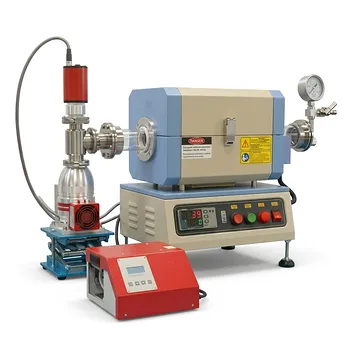
High Vacuum Compact Tube Furnace 1200C with Integrated Turbo Pump System and 8 Inch Heating Zone

1750°C High Temperature Benchtop Vacuum Atmosphere Tube Furnace with Kanthal Super 1800 Heating Elements and 60mm Alumina Processing Tube
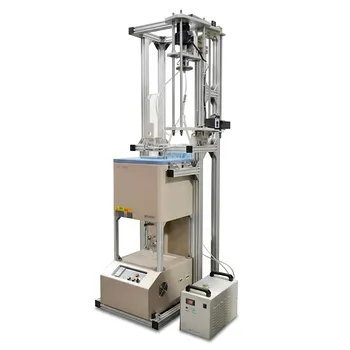
500C Vacuum Vertical Tube Furnace 84mm OD Sample Rotation Lifting System
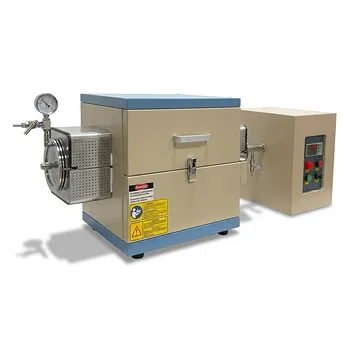
1200C High Temperature 5 Inch Split Vacuum Tube Furnace with 12 Inch Heating Zone and Separated PID Controller
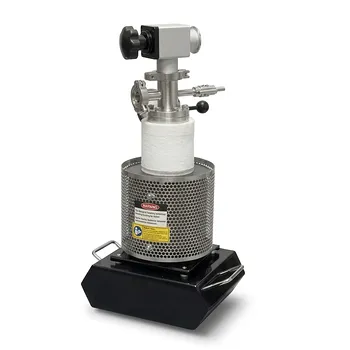
High Temperature 1100C Compact Top Loading Vertical Vacuum Tube Furnace for High Vacuum Noble Metal Melting and Material Research
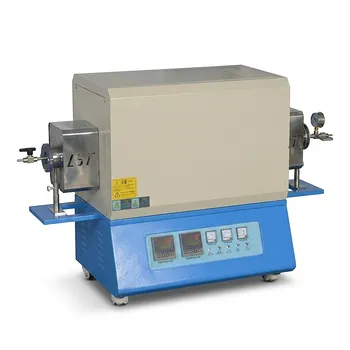
High Temperature Dual Zone Vacuum Tube Furnace for Material Research and CVD Processing

High Temperature 1700C Tube Furnace with High Vacuum Turbomolecular Pump System and Multi Channel Mass Flow Controller Gas Mixer

Vertical 1700C Vacuum and Atmosphere Tube Furnace with 80mm Alumina Tube
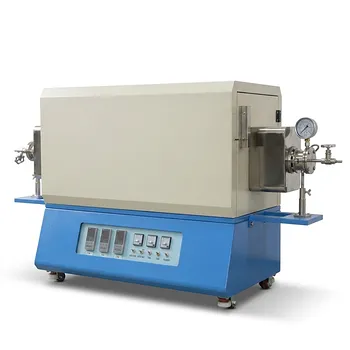
Three Temperature Zone High Temperature Vacuum Tube Furnace for CVD and Material Sintering

1100C Tube Furnace with Vacuum Flange and Programmable Temperature Controller for Material Science and Industrial Heat Treatment
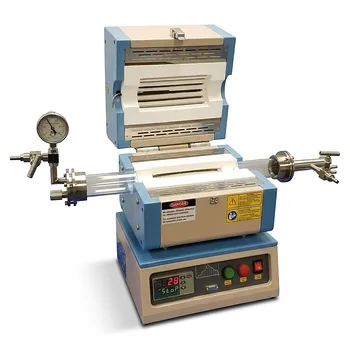
Compact Split Tube Furnace with Integrated Vacuum System and Precision Temperature Calibrator
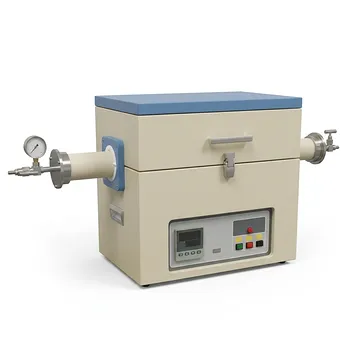
1250C Split Tube Furnace with 3 Inch Mullite Tube and Vacuum Sealing Flanges for Precision Thermal Processing
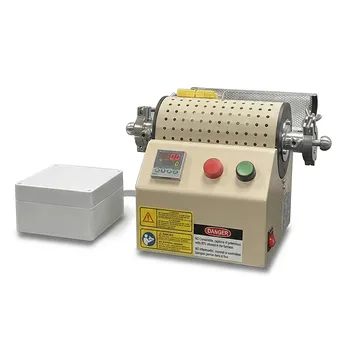
1000C Mini Tube Furnace with 20mm Quartz Tube and Vacuum Flanges for Material Science Research and Controlled Atmosphere Small Sample Processing

Compact High Temperature 1600C Tube Furnace with 50mm Alumina Tube and Vacuum Flanges for Material Sintering

Compact Vertical Split Quartz Tube Furnace with Stainless Steel Vacuum Flanges for Rapid Thermal Quenching and Controlled Atmosphere Material Processing
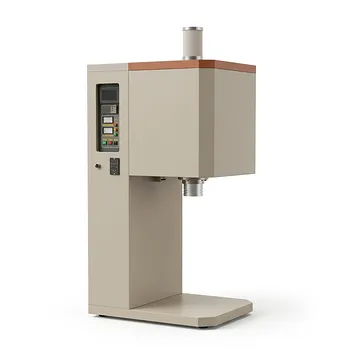
Vertical Openable Tube Furnace 0-1700c High Temperature Laboratory System for CVD and Vacuum Heat Treatment
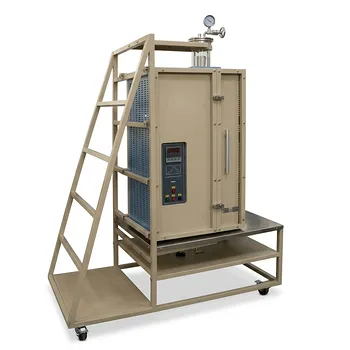
Split Vertical Tube Furnace with 1200C Quartz Tube and Stainless Steel Vacuum Flanges for Rapid Thermal Processing

High Temperature 1700C Six Zone Split Tube Furnace with Alumina Tube and Water Cooled Flanges
