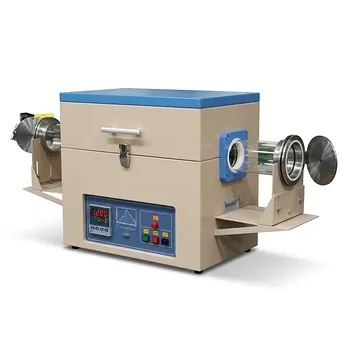
What is the role of a horizontal quartz tube furnace in 2D MoS2-MoSe2 synthesis? Master CVD for Precise Superlattices
Updated 3 months ago
The primary function of an industrial-grade horizontal hot-wall quartz tube furnace is to provide a stable and uniform high-temperature reaction environment for Chemical Vapor Deposition (CVD). By precisely regulating thermal gradients and carrier gas flow fields, this equipment facilitates the sequential growth of Molybdenum Disulfide (MoS2) and Molybdenum Diselenide (MoSe2). This control is fundamental to forming high-quality 2D monolayers with the sharp, well-defined lateral interfaces required for functional superlattices.
The furnace acts as the master controller for the thermodynamics and kinetics of the synthesis process. It ensures consistent precursor sublimation and controlled deposition, transforming solid powders into atomically thin, patterned semiconductor heterostructures.
Precise Regulation of Precursor Vaporization
Independent Temperature Control for Sublimation
Industrial tube furnaces, particularly dual-zone models, allow for the independent heating of different precursor materials like Molybdenum Trioxide (MoO3), Sulfur (S), and Selenium (Se). This independence is critical because each material has a distinct sublimation point, and maintaining the correct vapor pressure ratio is essential for stoichiometric balance.
Programmable Thermal Curves
High-precision furnaces utilize programmable heating curves to manage the energy delivered to the reaction zone. These curves ensure that the reductive sulfurization or selenization reactions occur at specific intervals, allowing the furnace to switch between material phases without degrading the existing crystal lattice.
Consistent Reaction Rates
The stability of the high-temperature zone ensures a consistent reaction rate of precursor vapors on the substrate surface. This consistency is the primary factor in achieving high structural and electrical uniformity across the resulting 2D films.
Engineering the Growth Environment
Leveraging Axial Temperature Gradients
The horizontal design and high aspect ratio of the quartz tube naturally facilitate an axial temperature gradient. This allows precursor materials to evaporate in high-heat zones and migrate downstream to cooler zones where they can undergo controlled deposition on the substrate.
Chemical and Atmospheric Stability
The quartz tube serves as a chemically stable, sealed reaction chamber that can operate under high vacuum or specific atmospheric pressures. This environment prevents contamination while providing a clear channel for the laminar flow of carrier gases, which transport the reactants to the growth site.
Regulating Crystal Morphology and Defects
By maintaining constant temperatures (often around 800°C to 850°C), the furnace provides the energy needed to regulate crystal growth kinetics. Precise temperature adjustments can even be used to induce sulfur vacancies or other defects, which are sometimes necessary to tune the electronic or magnetic properties of the superlattice.
Challenges and Technical Trade-offs
Thermal Inertia and Transition Speed
When synthesizing lateral superlattices, the speed at which a furnace can change temperatures is a significant constraint. Thermal inertia in large industrial furnaces can make it difficult to achieve the near-instantaneous atmospheric transitions required for perfectly sharp interfaces between MoS2 and MoSe2.
Quartz Tube Longevity and Contamination
Repeated cycling between extreme temperatures and exposure to corrosive sulfur/selenium vapors can lead to quartz devitrification. Over time, the tube may release particulates or develop microscopic cracks, potentially introducing impurities that degrade the semiconducting properties of the 2D layers.
Gradient Uniformity across Large Substrates
While the furnace creates a gradient, maintaining uniformity across a large-area substrate is a constant engineering challenge. Minor fluctuations in gas flow or heater coil performance can lead to variations in flake thickness or incomplete monolayer coverage at the substrate edges.
How to Optimize Your Synthesis Process
Achieving high-quality lateral superlattices requires aligning your furnace parameters with your specific material objectives.
- If your primary focus is interface sharpness: Prioritize a furnace with high-speed gas switching and minimal dead volume to ensure rapid transitions between sulfur and selenium environments.
- If your primary focus is large-scale uniformity: Utilize a multi-zone furnace with a long isothermal (constant temperature) zone to ensure the reaction rate remains identical across the entire substrate surface.
- If your primary focus is defect engineering: Select a system with high-precision programmable cooling rates and high-vacuum capabilities to accurately control the formation of chalcogen vacancies.
The quartz tube furnace is the foundational tool that translates complex chemical precursors into the precise, atomically thin architectures required for next-generation electronics.
Summary Table:
| Key Feature | Role in CVD Synthesis | Benefit for 2D Superlattices |
|---|---|---|
| Dual-Zone Heating | Independent precursor vaporization | Precise stoichiometric balance of MoS2/MoSe2 |
| Thermal Gradients | Directs vapor flow to substrate | Controlled deposition and crystal morphology |
| Programmable Curves | Manages energy cycles | Ensures sharp, well-defined lateral interfaces |
| Atmospheric Control | High-vacuum or gas-specific sealing | High-purity environment for defect-free growth |
Elevate Your Research with THERMUNITS Precision Heating
Are you looking to achieve the ultimate precision in 2D material synthesis or industrial R&D? THERMUNITS is a leading manufacturer of high-temperature laboratory equipment tailored for the most demanding material science applications.
We offer a comprehensive range of high-performance thermal processing solutions, including:
- Specialized CVD/PECVD Systems & Tube Furnaces for advanced 2D crystal growth.
- Vacuum, Atmosphere, and Muffle Furnaces for versatile heat treatments.
- Rotary, Hot Press, and Vacuum Induction Melting (VIM) Furnaces.
- Dental Furnaces, Thermal Elements, and custom laboratory heating equipment.
Our equipment is designed to provide the stable thermal environments and precise control necessary for synthesizing complex lateral superlattices and functional semiconductors. Contact us today to discover how THERMUNITS can optimize your laboratory’s efficiency and deliver superior results for your research.
References
- Jeongwon Park, Kibum Kang. Area-selective atomic layer deposition on 2D monolayer lateral superlattices. DOI: 10.1038/s41467-024-46293-w
Mentioned Products
- Compact Vertical Split Quartz Tube Furnace with Stainless Steel Vacuum Flanges for Rapid Thermal Quenching and Controlled Atmosphere Material Processing
- 1200°C 5 Inch Vertical Quartz Tube Furnace with Stainless Steel Vacuum Flanges
- 1200C High Temperature Atmosphere Controlled Vertical Quenching Tube Furnace with 4 Inch Quartz Tube
- 1200°C 10-Zone Split Tube Furnace with Horizontal and Vertical Mounting for Multi-Zone Thermal Gradients and Large Diameter Material Processing
- Split Vertical Tube Furnace with 1200C Quartz Tube and Stainless Steel Vacuum Flanges for Rapid Thermal Processing
People Also Ask
- Why integrate a vertical split tube furnace with hydraulic loading for HSECC? Essential for In-Situ Fire Simulation.
- What is the role of a split vertical tube furnace during flash sintering of 8YSZ and 20SDC? Master Ultra-Fast R&D
- What is the primary engineering purpose for using a customized ventilation hood when operating a split tube furnace? RCF Safety
- Why is a quartz tube furnace necessary for phosphorus-doped MoS2/GO preparation? Ensure Purity & Precise Synthesis
- What is the primary function of a Quartz Tube Furnace in ZnO VLS growth? Master High-Precision Nanowire Synthesis

Tech Team · ThermUnits
Last updated on Jun 03, 2026
Related Products

Compact Vertical Split Quartz Tube Furnace with Stainless Steel Vacuum Flanges for Rapid Thermal Quenching and Controlled Atmosphere Material Processing

1200°C 5 Inch Vertical Quartz Tube Furnace with Stainless Steel Vacuum Flanges
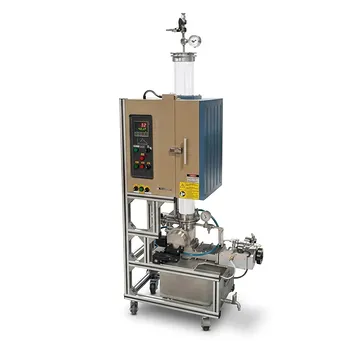
1200C High Temperature Atmosphere Controlled Vertical Quenching Tube Furnace with 4 Inch Quartz Tube
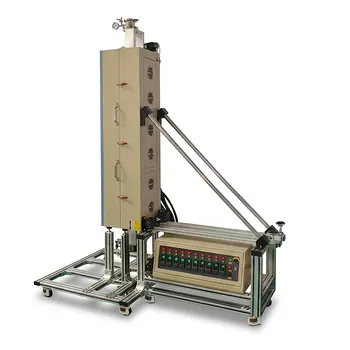
1200°C 10-Zone Split Tube Furnace with Horizontal and Vertical Mounting for Multi-Zone Thermal Gradients and Large Diameter Material Processing
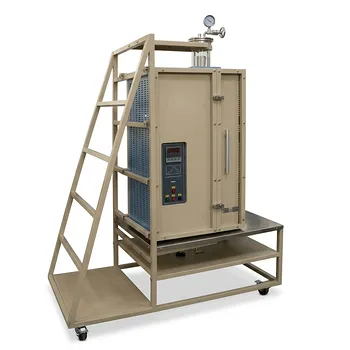
Split Vertical Tube Furnace with 1200C Quartz Tube and Stainless Steel Vacuum Flanges for Rapid Thermal Processing
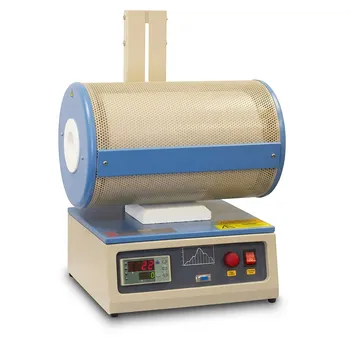
Multi Position Tube Furnace 1100C for Laboratory Material Research and Advanced Industrial Thermal Processing
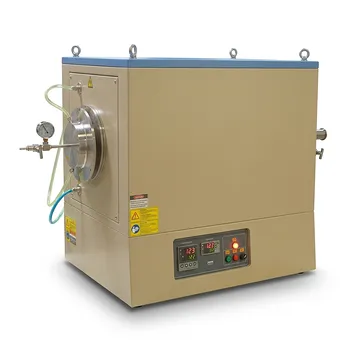
1100°C Large Diameter Quartz Tube Furnace with 24 Inch Heating Zone and Water Cooled Flanges
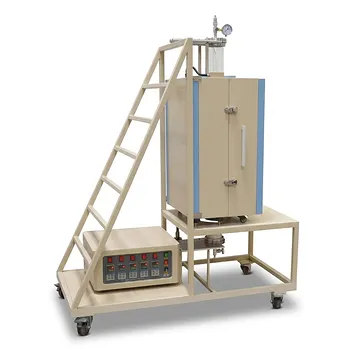
Five Zone Split Vertical Tube Furnace 1200C Max with 4 Inch Quartz Tube and Stainless Steel Vacuum Flanges
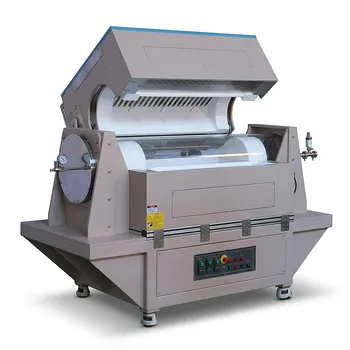
Three Zone Tube Furnace with 11 Inch or 15 Inch Quartz Tube and Hinged Flanges for Vacuum Atmosphere Heat Treatment
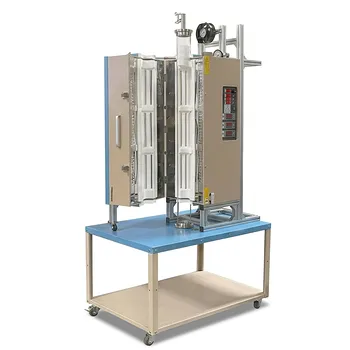
1200C Three Zone Split Vertical Tube Furnace 4 Inch Quartz Tube Stainless Steel Vacuum Flanges
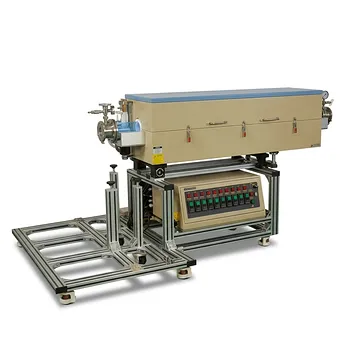
Ten Zone Multi Orientation Laboratory Tube Furnace for 1200C High Temperature Gradient Thermal Processing
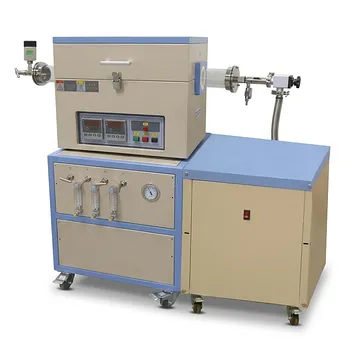
Dual Zone Quartz Tube Furnace with 80mm Diameter 1200C Max Temperature 3 Channel Gas Mixer and Vacuum Pump System
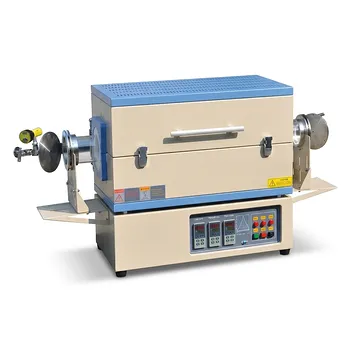
Three Zone Tube Furnace with 24 Inch Heating Length and Hinged Flange Quartz Tube System
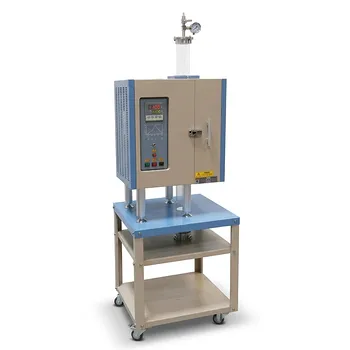
1100°C Split Vertical Tube Furnace with 80mm Quartz Tube and Stainless Steel Vacuum Flanges
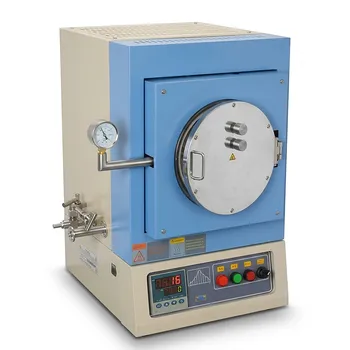
1100°C High Temperature Quartz Chamber Furnace 8 Inch OD with 7.6 Liter Capacity and Vacuum Atmosphere Capability
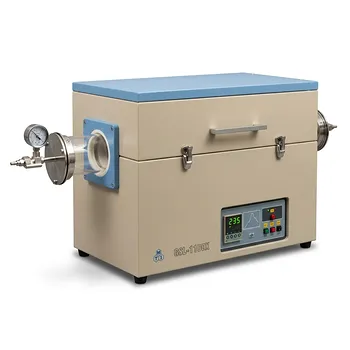
Single Zone Tube Furnace 5 Inch Quartz Tube 36 Inch Heating Zone Vacuum Flanges
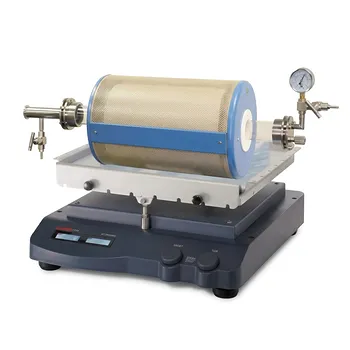
High Temperature Rocking Tube Furnace with Quartz Tube and Vacuum Flange for Materials Synthesis
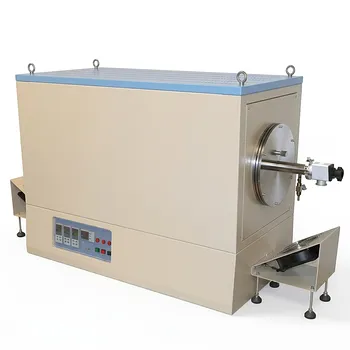
1100°C Three Zone Tube Furnace with 8.5 to 11 Inch OD Quartz Tube and Vacuum Flanges for Large Wafer Processing
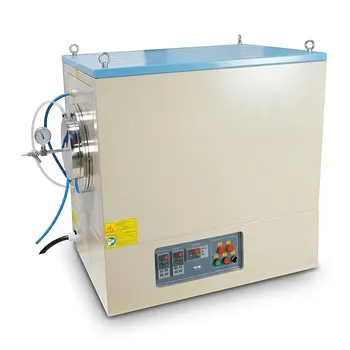
Dual Zone Tube Furnace 1100C with 11 Inch Quartz Tube and Vacuum Flanges for 8 Inch Wafer Processing