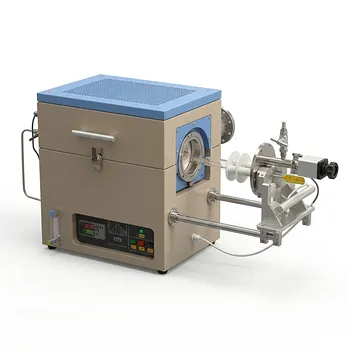
What is the purpose of a vacuum pumping system prior to the high-temperature annealing step of silicon quantum dots? (Guide)
Updated 6 months ago
The vacuum pumping system serves as the critical first line of defense against material contamination. By reducing the internal pressure of the reaction chamber to an extremely low level—typically around 5 Pa—the system exhausts residual air and humidity. This establishes a "clean slate" that allows for the precise introduction of inert gases, ensuring the silicon quantum dots are not compromised by uncontrolled oxidation during the high-heat phase.
Creating a high-purity vacuum prior to annealing is essential to eliminate oxygen and moisture that would otherwise trigger side reactions. This process ensures that the subsequent introduction of reducing gases remains controlled, protecting the structural and electronic integrity of the silicon nanostructures.
Establishing an Inert Environment
Eliminating Residual Atmospheric Gases
The primary role of the vacuum pump is to physically remove the nitrogen, oxygen, and water vapor present in the ambient air. If these molecules remain in the quartz tube, they will react aggressively with the silicon atoms once the temperature begins to rise.
Facilitating Effective Purging Cycles
An initial vacuum state makes the subsequent gas purging cycles significantly more effective. By removing the bulk of the air first, the system requires fewer cycles of inert gas (such as a 5% H2 and 95% Ar mixture) to reach the required purity levels.
Controlling the Starting Pressure
Achieving a specific low-pressure set point, such as 5 Pa, provides a consistent baseline for the experimental procedure. This repeatability is vital for ensuring that every batch of silicon quantum dots undergoes the exact same chemical conditions.
Preventing Uncontrolled Oxidation
The Risk of Oxygen Interference
Silicon is highly reactive at high temperatures; the presence of even trace amounts of oxygen can lead to the formation of an unwanted silica layer. This uncontrolled oxidation can alter the size of the quantum dots and degrade their unique photoluminescent properties.
Optimizing Reducing Gas Chemistry
Once the vacuum has removed the air, a reducing gas mixture is introduced to create a protective atmosphere. The hydrogen in the mixture acts as a scavenging agent, reacting with any localized oxygen that might have outgassed from the chamber walls.
Maintaining Product Purity
By ensuring the environment is free of impurities, the vacuum system allows the silicon to undergo the annealing process without undergoing side reactions. This result is a high-purity end product where the oxygen vacancy levels and crystalline structure are precisely controlled.
Understanding the Trade-offs
Vacuum Depth vs. Processing Time
While a deeper vacuum (lower Pa) provides a cleaner environment, it takes significantly longer to achieve and places higher demands on the system seals. Most laboratories must balance the need for extreme purity with the operational efficiency of the annealing schedule.
Equipment Sensitivity and Leak Risks
High-vacuum systems are sensitive to microscopic leaks at the joints of the quartz tube. If the vacuum pump is underpowered or the seals are degraded, the "vacuum" may actually pull in more oxygen from the external atmosphere during the initial drawdown, counteracting its purpose.
Applying This to Your Research Goal
How to Apply This to Your Project
To achieve the best results with silicon quantum dots, the vacuum process must be integrated into a broader atmospheric control strategy.
- If your primary focus is Maximum Purity: Prioritize a lower base pressure (below 5 Pa) and increase the number of inert gas purging cycles to ensure no residual oxygen remains.
- If your primary focus is High Throughput: Focus on optimizing the "pump-down" time by using a higher-capacity vacuum pump while maintaining strict seal maintenance to prevent air ingress.
- If your primary focus is Surface Passivation: Ensure the vacuum is stable before introducing hydrogen-rich gas blends to facilitate the proper termination of surface bonds during annealing.
By strictly controlling the pre-annealing environment through vacuum technology, you ensure that the final properties of the silicon quantum dots are a result of your intentional design rather than atmospheric contamination.
Summary Table:
| Aspect | Role in Annealing | Benefit to Quantum Dots |
|---|---|---|
| Atmospheric Removal | Eliminates O2 and moisture | Prevents unwanted silica layer formation |
| Environment Control | Facilitates inert gas purging | Ensures precise structural/electronic integrity |
| Process Stability | Establishes low-pressure baseline | Guarantees batch repeatability and purity |
Optimize Your Thermal Processing with THERMUNITS
As a leading manufacturer of high-temperature laboratory equipment for material science, THERMUNITS provides the precision needed for advanced R&D. Our comprehensive range of solutions—including Vacuum, Atmosphere, Tube, and Muffle furnaces, as well as CVD/PECVD systems—is designed to deliver the high-purity environments essential for silicon quantum dot annealing and industrial heat treatment.
Ensure the integrity of your nanostructures with our expert thermal technology. Contact us today to discuss your project requirements!
References
- Batu Ghosh, Naoto Shirahata. Rational Doping Strategy to Build the First Solution‐Processed p‐n Homojunction Architecture toward Silicon Quantum Dot Photodetectors. DOI: 10.1002/smsc.202400367
Mentioned Products
- High Temperature Cold Wall Vacuum Furnace for Advanced Material Sintering and Annealing 1600C Heating Area 200x200x300mm
- High Temperature 1000C Vacuum Furnace with 8 Inch ID Chamber for Material Sintering and Research Annealing
- Induction Heating System with Temperature Control for High Temperature Vacuum Sintering and Melting
- 2500C High Vacuum Ultrafast Heating Pellet Press with Automated 8 Sample Loading System
- High Temperature Vacuum Lamination Hot Press Furnace Machine for Semiconductor Wafer Bonding and Advanced Composite Thermal Processing
People Also Ask
- What is the function of a high-temperature vacuum furnace in Ni-Fe-Cu alloy anode preparation for OER performance?
- What is the purpose of coating ceramic sheets with platinum paste? Achieve Stable High-Temp Ohmic Contacts
- What is the function of high-vacuum furnaces in (Mo2/3V1/3)n+1AlCn MAX phase synthesis? Ensure Purity & Diffusion.
- Why is high-vacuum annealing treatment essential in the preparation of multilayer composite separation membranes such as Pd/Ti?
- What Role Does a Vacuum Sintering Furnace Play in Ni-Mn-Ga Alloy Fabrication? Optimizing Porous Structures

Tech Team · ThermUnits
Last updated on Apr 14, 2026
Related Products
High Temperature Cold Wall Vacuum Furnace for Advanced Material Sintering and Annealing 1600C Heating Area 200x200x300mm
High Temperature 1000C Vacuum Furnace with 8 Inch ID Chamber for Material Sintering and Research Annealing
Induction Heating System with Temperature Control for High Temperature Vacuum Sintering and Melting
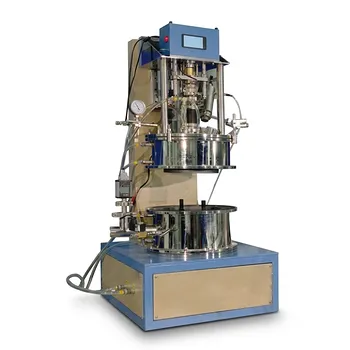
2500C High Vacuum Ultrafast Heating Pellet Press with Automated 8 Sample Loading System
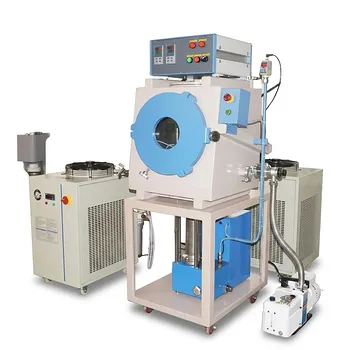
High Temperature Vacuum Lamination Hot Press Furnace Machine for Semiconductor Wafer Bonding and Advanced Composite Thermal Processing
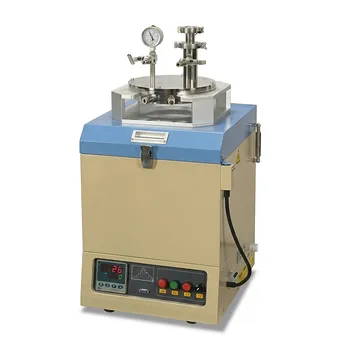
Vertical Vacuum Furnace 1100C High Temperature 8 Inch Quartz Chamber Water Cold Flange System
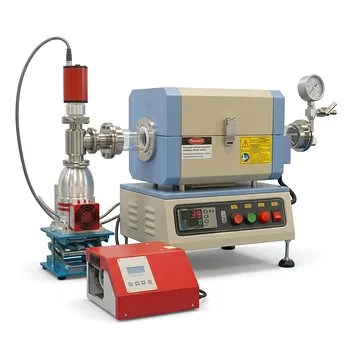
High Vacuum Compact Tube Furnace 1200C with Integrated Turbo Pump System and 8 Inch Heating Zone
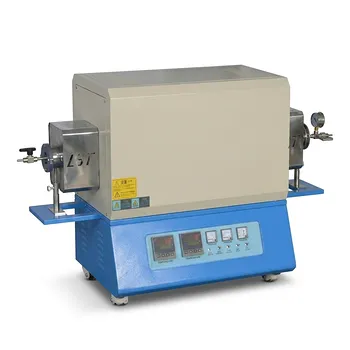
High Temperature Dual Zone Vacuum Tube Furnace for Material Research and CVD Processing
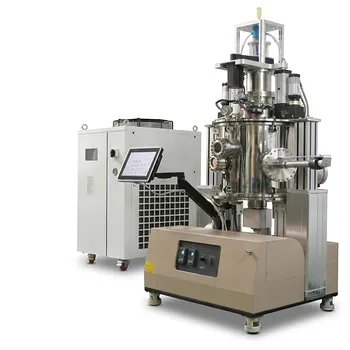
950C Rapid Thermal Processing Furnace for 12 Inch Wafer CSS Coating with Rotating Substrate Holder
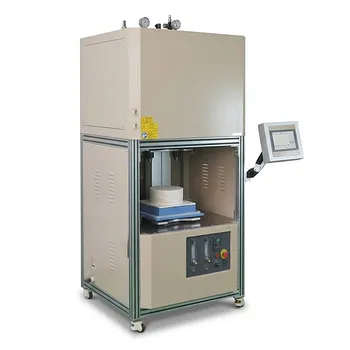
High Temperature Vertical Atmosphere Controlled Furnace 1700C Automatic Bottom Loading 13 Liter Vacuum Thermal System
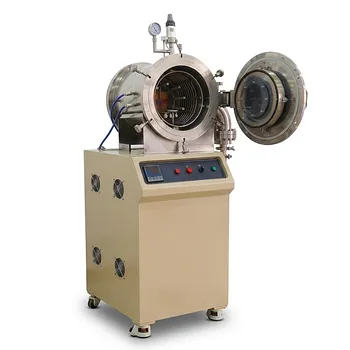
High Temperature Cold Wall High Vacuum Chamber Furnace 1400C for Advanced Material Processing
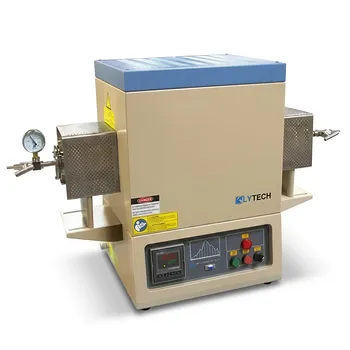
1800C High Temperature Compact Vacuum Tube Furnace with 60mm OD Alumina Tube and Kanthal MoSi2 Heating Elements
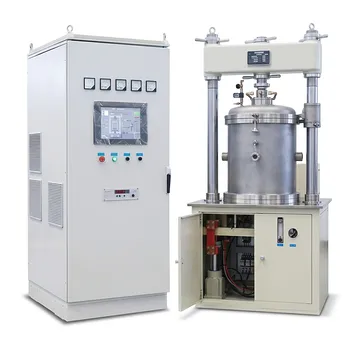
Industrial Vacuum Hot Press Furnace Machine and High Temperature Heated Vacuum Press for Advanced Material Sintering
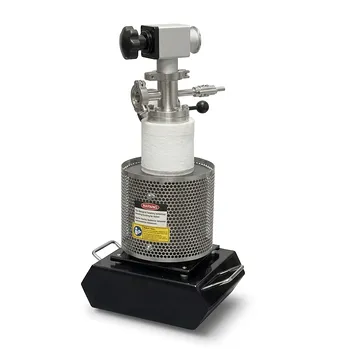
High Temperature 1100C Compact Top Loading Vertical Vacuum Tube Furnace for High Vacuum Noble Metal Melting and Material Research
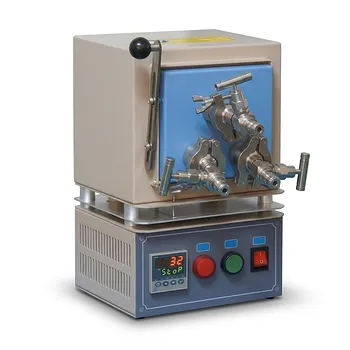
Triple Tube Compact Hybrid Muffle Furnace 1000C High Vacuum Thermal Processing System
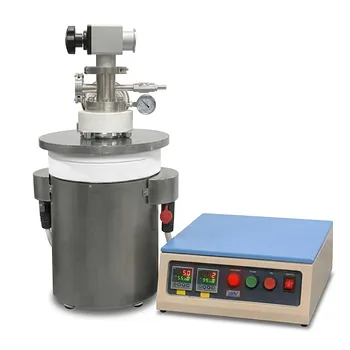
1100C High Temperature Vacuum Crucible Furnace with Quartz Chamber for Thermal Processing and Sintering
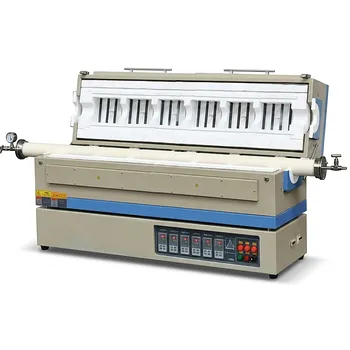
High Temperature 1700C Six Zone Split Tube Furnace with Alumina Tube and Water Cooled Flanges
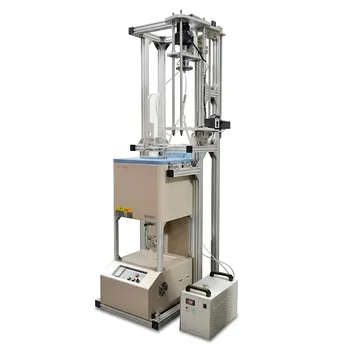
500C Vacuum Vertical Tube Furnace 84mm OD Sample Rotation Lifting System
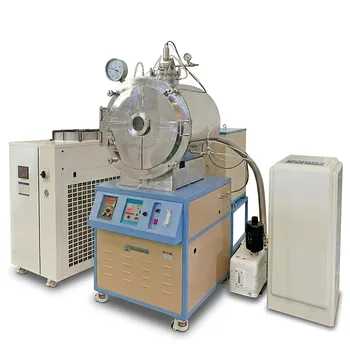
Ultra High Temperature Induction Heated Vacuum Furnace with Molten Salt Electrolysis Capability and 3000 Degree Precision Control