What is the purpose of using a tube furnace for argon (Ar) atmosphere protective annealing? Graphene Oxide Optimization
Updated 3 months ago
The primary purpose of using a tube furnace for argon (Ar) atmosphere annealing is to isolate the pure thermal effects of temperature on graphene oxide (GO) by eliminating oxygen-driven reactions. By creating an inert environment, researchers can distinguish between changes caused by heat alone and those caused by chemical interaction with the surrounding air.
Core Takeaway: Argon annealing serves as a critical "control" environment that prevents the oxidative combustion of graphene layers. This allows for the precise study of functional group modification, thermal reduction, and structural evolution without the interference of atmospheric oxygen.
Isolating Thermal vs. Chemical Effects
Establishing a Scientific Baseline
A tube furnace allows for an inert environment that is completely isolated from oxygen. This isolation is essential for comparing results against "air calcination" performed in a standard muffle furnace.
By stripping away the oxygen variable, researchers can identify the specific role that atmospheric oxygen plays in modifying functional groups at high temperatures. This comparison often reveals that while inert annealing preserves structure, oxygen is sometimes necessary to create specific catalytic sites.
Preventing Oxidative Combustion
Graphene and its derivatives are susceptible to oxidative combustion—essentially burning away—when heated to high temperatures in the presence of oxygen. The argon atmosphere acts as a protective shield, ensuring the carbon lattice remains intact even at extreme temperatures.
This protection is vital for maintaining the intended micro-morphology of the material. Without it, the graphene layers would undergo uncontrolled secondary oxidation, leading to significant mass loss and structural degradation.
Precise Control of Material Properties
Facilitating Controlled Thermal Reduction
Thermal energy in an argon environment triggers the removal of oxygen-containing functional groups between carbon lattices. This process transforms graphene oxide from an electrical insulator into a conductive "reduced graphene oxide" (rGO) network.
Unlike reduction in air, which can be erratic, the tube furnace provides a stable thermal field. This stability allows for the precise tuning of electrical properties, which is critical for applications like strain sensors or conductive coatings.
Managing Interlayer Spacing and Defects
High-temperature treatment (up to 900°C) under inert conditions can cause a "thermal shock" that decomposes functional groups into gases. These gases create internal pressure that expands the spacing between graphene layers.
This expansion is used to create rGO with a high density of surface defects. In a controlled argon environment, these defects can be engineered for specific uses, such as enhancing electrocatalytic activity, without the risk of the material being consumed by fire.
Supporting Secondary Modifications
Enabling Precise Lattice Doping
When researchers want to "dope" graphene with atoms like nitrogen, an argon atmosphere is mandatory. It prevents the nitrogen source (such as urea) and the graphene itself from oxidizing before the doping reaction can occur.
The stable inert atmosphere ensures that nitrogen atoms are precisely integrated into the carbon lattice. This precision is required to form high-performance nitrogen-doped sites that are essential for modern energy storage and catalysis.
Cleaning and Improving Interfaces
Argon, sometimes mixed with hydrogen, is used to remove residual polymer masks and environmental impurities from graphene surfaces. This "cleaning" effect is vital when graphene is integrated into electronic devices.
By eliminating oxide layers at contact points, the inert annealing process improves the interface between metal electrodes and the graphene. This results in higher carrier transport efficiency and reduced charge scattering in the final device.
Understanding the Trade-offs
The Cost of Complexity
While a tube furnace offers superior control, it is significantly more complex and expensive to operate than a standard muffle furnace. It requires specialized gas handling systems, vacuum pumps, and precise flow meters to maintain the integrity of the argon atmosphere.
Limitations of "Pure" Thermal Treatment
Inert annealing is excellent for preserving structure, but it may fall short if the goal is to enhance chemical reactivity. As noted in primary research, annealing in an air atmosphere is often "irreplaceable" for creating the specific oxygen-rich functional groups required for certain catalytic applications.
How to Apply Atmospheric Annealing to Your Project
Recommendations Based on Research Goals
- If your primary focus is improving electrical conductivity: Use argon or nitrogen atmosphere annealing to reduce GO to rGO while preventing the carbon layers from burning.
- If your primary focus is creating specific catalytic sites: Consider comparing argon annealing with air calcination, as oxygen interaction is often necessary to enhance catalytic performance.
- If your primary focus is nitrogen or chemical doping: Utilize a strictly inert argon flow to ensure that the dopant atoms integrate into the lattice rather than reacting with oxygen.
- If your primary focus is device fabrication and contact resistance: Use an Ar/H2 mix to remove surface impurities and eliminate oxide layers at the electrode interface.
Selecting the correct gaseous environment is just as critical as selecting the temperature, as the atmosphere defines the chemical "pathway" the graphene oxide will follow during its transformation.
Summary Table:
| Feature | Argon Atmosphere Purpose | Key Benefit for Graphene Oxide |
|---|---|---|
| Environment Control | Eliminates atmospheric oxygen | Prevents oxidative combustion & mass loss |
| Thermal Reduction | Provides stable thermal field | Converts GO to conductive rGO precisely |
| Structural Integrity | Isolates pure thermal effects | Manages interlayer spacing and surface defects |
| Lattice Doping | Prevents precursor oxidation | Enables precise nitrogen/chemical doping |
| Interface Cleaning | Removes polymer/oxide residues | Improves carrier transport & contact resistance |
Elevate Your Material Research with THERMUNITS Precision
Are you looking to achieve flawless thermal reduction or precise lattice doping in your graphene research? THERMUNITS is a leading manufacturer of high-performance laboratory equipment designed for the rigors of material science and industrial R&D.
Our advanced Atmosphere and Vacuum Tube Furnaces provide the ultra-stable inert environments necessary to protect your samples from oxidative degradation and ensure repeatable results. Whether you require Muffle, Rotary, or Hot Press furnaces, CVD/PECVD systems, or Vacuum Induction Melting (VIM) units, we offer comprehensive thermal processing solutions tailored to your specific research goals.
Ready to optimize your heat treatment process? Contact our technical experts today to find the perfect furnace for your laboratory and experience the THERMUNITS advantage in precision and durability.
References
- Kui Lu, Guosheng Shi. Graphene Oxide Treated by Temperature with Enhancement of Adsorption for Organic Pollutants and Catalytic Degradation with Hydrogen Peroxide. DOI: 10.1007/s10562-023-04575-w
Mentioned Products
- 1200C High Throughput Multi Channel Tube Furnace with 50mm Quartz Tubes for Annealing and Material Phase Diagram Research
- High Temperature Vertical Atmosphere Controlled Furnace with Automatic Bottom Loading and 1700°C Capacity for Advanced Material Research
- Compact Atmosphere Controlled Rapid Thermal Processing RTP Furnace with 4 Inch ID Quartz Tube 1100C
- Double Temperature Zone Double Cover Tube Furnace for High Temperature CVD and Vacuum Annealing
- High Temperature 1700C 4 Channel Tube Furnace 1 Inch Alumina Tube for Hi-Throughput Annealing
People Also Ask
- Why is high-purity alumina selected for sample trays? Key to High-Throughput Sintering Success
- How does a high-throughput tube furnace achieve precise sulfurization? Expert Control for CoS2–Co(OH)F Nanostructures
- How does the precise temperature control of a tube furnace influence the formation of V2AlC MAX phase? Expert Insights.
- What is the function of argon gas flow within a tube furnace during the selenization of MOFs? Essential Process Guide
- What is the effect of introducing camphor as a carbon source in a tube furnace CVD? Boost CNT Density and Growth

Tech Team · ThermUnits
Last updated on Jun 02, 2026
Related Products
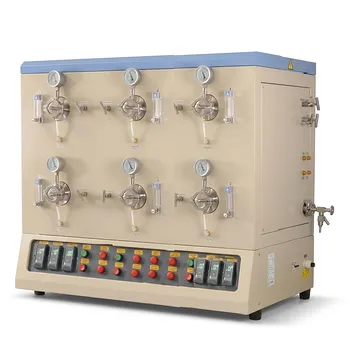
1200C High Throughput Multi Channel Tube Furnace with 50mm Quartz Tubes for Annealing and Material Phase Diagram Research
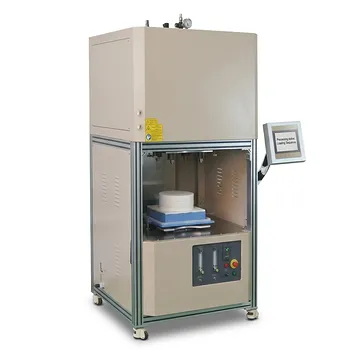
High Temperature Vertical Atmosphere Controlled Furnace with Automatic Bottom Loading and 1700°C Capacity for Advanced Material Research
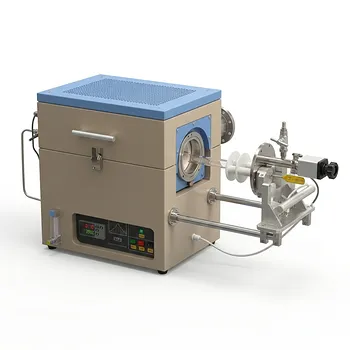
Compact Atmosphere Controlled Rapid Thermal Processing RTP Furnace with 4 Inch ID Quartz Tube 1100C
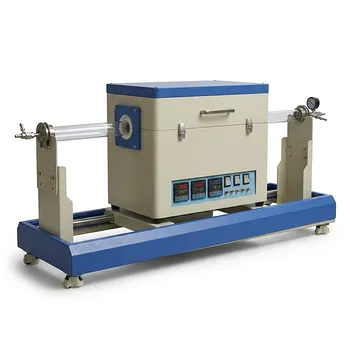
Double Temperature Zone Double Cover Tube Furnace for High Temperature CVD and Vacuum Annealing
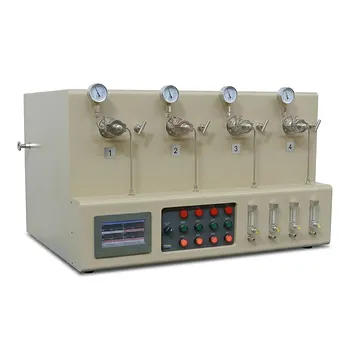
High Temperature 1700C 4 Channel Tube Furnace 1 Inch Alumina Tube for Hi-Throughput Annealing

Vertical 1700C Vacuum and Atmosphere Tube Furnace with 80mm Alumina Tube
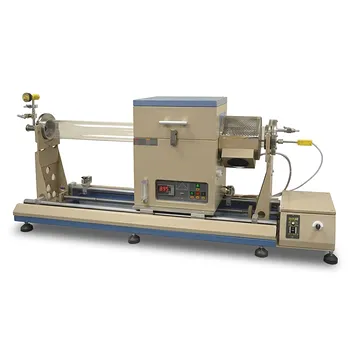
900 ºC Max Sliding RTP Tube Furnace with Rapid IR Heating and 4 Inch OD Quartz Tube
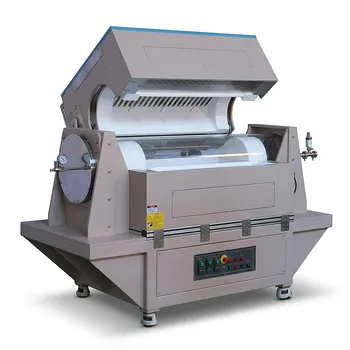
Three Zone Tube Furnace with 11 Inch or 15 Inch Quartz Tube and Hinged Flanges for Vacuum Atmosphere Heat Treatment
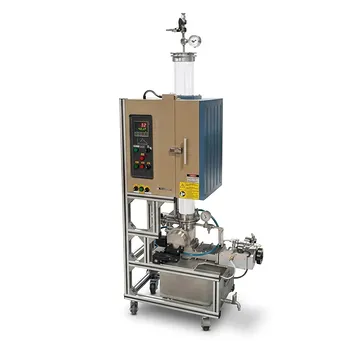
1200C High Temperature Atmosphere Controlled Vertical Quenching Tube Furnace with 4 Inch Quartz Tube
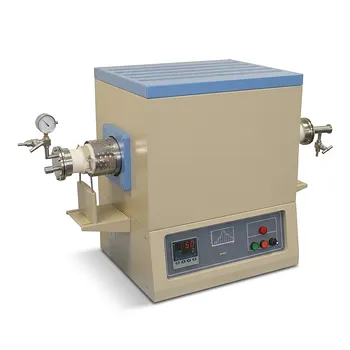
1700C High Temperature Alumina Tube Furnace with 18 Inch Heated Zone and Vacuum Sealing Flanges
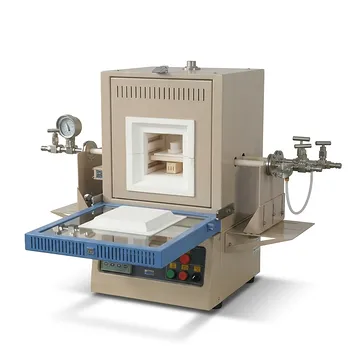
1700C Compact Hybrid Furnace with Dual Layer Box Sintering and Controlled Atmosphere Alumina Tubes

1750°C High Temperature Benchtop Vacuum Atmosphere Tube Furnace with Kanthal Super 1800 Heating Elements and 60mm Alumina Processing Tube

High Temperature 1700C Vertical Tube Furnace for Powder Spherification and Material Sintering
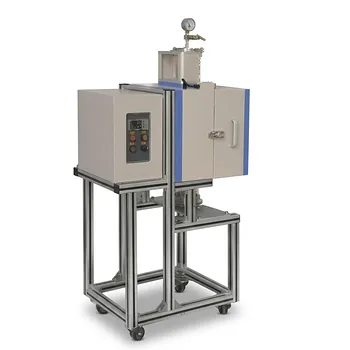
1200°C 5 Inch Vertical Quartz Tube Furnace with Stainless Steel Vacuum Flanges

Compact High Temperature 1600C Tube Furnace with 50mm Alumina Tube and Vacuum Flanges for Material Sintering
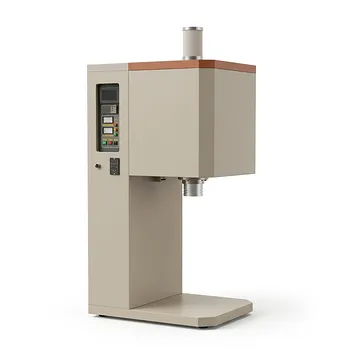
Vertical Openable Tube Furnace 0-1700c High Temperature Laboratory System for CVD and Vacuum Heat Treatment
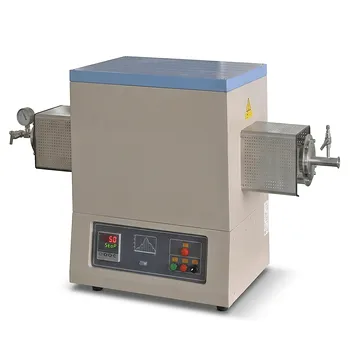
High Temperature 1700C Tube Furnace with 4 Inch OD Alumina Tube and Vacuum Sealing Flanges
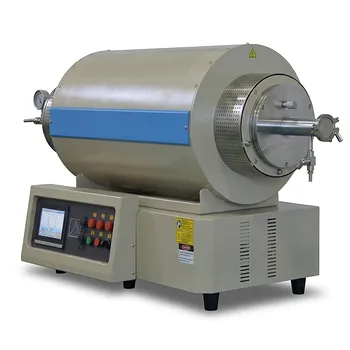
1200C Max Three Zone Tube Furnace 6 Inch OD Max with Tube and Flange
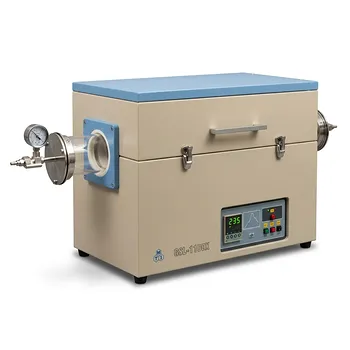
Single Zone Tube Furnace 5 Inch Quartz Tube 36 Inch Heating Zone Vacuum Flanges