What is the purpose of using a vacuum annealing furnace during the ageing treatment of W-MMC? Achieve Peak Performance
Updated 3 months ago
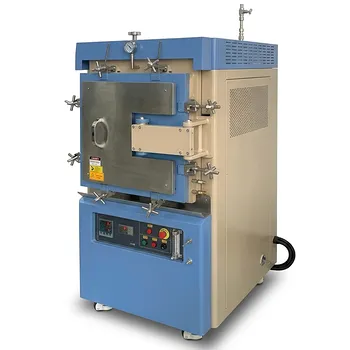
The vacuum annealing furnace is the critical tool used to apply controlled thermal treatment to forged tungsten-based multi-metal composites (W-MMC) within a specific temperature range of 400 to 500 °C. This specialized equipment creates an oxygen-free environment that prevents surface oxidation while simultaneously refining the material's internal microstructure. By doing so, it ensures the composite achieves a precise balance of high hardness and toughness, maintaining the necessary plasticity required for demanding engineering applications.
Core Takeaway: A vacuum annealing furnace enables the precise "ageing" of W-MMCs by optimizing their microstructural properties in a protective environment. This process allows the material to achieve ultra-high strength without sacrificing the ductility and plasticity needed for structural integrity.
Achieving Microstructural Excellence
Optimizing the Hardness-Toughness Balance
During the ageing process, the controlled heat of 400 to 500 °C triggers a reorganization of the microstructural grains within the composite. This transformation is essential for ensuring that the material does not become overly brittle as its strength increases. The furnace allows for a fine-tuned equilibrium where the hardness of the tungsten is maintained while the overall toughness of the multi-metal matrix is enhanced.
Maintaining Engineering Plasticity
W-MMCs are often used in environments where ultra-high strength is a prerequisite, but strength alone can lead to catastrophic failure if the material is too rigid. The vacuum annealing process ensures that plasticity indicators remain within the necessary margins for engineering use. This means the final product can withstand significant stress and deformation without immediate fracturing.
Homogenization of the Binder Phase
While the primary focus is on the tungsten particles, the furnace also helps in the homogenization of solute atoms within the binder phase. This creates a more uniform material profile, reducing localized weak points that could lead to failure under pressure. A consistent microstructure is the foundation of the composite's superior mechanical performance.
The Necessity of the Vacuum Environment
Preventing Surface Oxidation
Tungsten and its associated alloying elements are highly susceptible to oxidation when heated in the presence of oxygen. The vacuum environment removes reactive gases, ensuring that the surface of the W-MMC remains pure and free of oxide layers. This is vital for maintaining the dimensional accuracy and surface integrity of forged components.
Eliminating Residual Stresses
The forging process used to shape W-MMCs often introduces significant internal residual stresses due to extreme temperature gradients and mechanical force. The controlled heating and subsequent cooling cycles within the vacuum furnace allow these stresses to redistribute and relax. This stabilization prevents the part from warping or cracking during subsequent machining or in-field use.
Ensuring Chemical Purity
High-vacuum environments (often reaching levels of 10^-3 to 10^-4 Pa) can help further purify the material by removing adsorbed gas molecules or volatile impurities. This results in a "cleaner" grain boundary interaction, which directly contributes to the fatigue resistance and longevity of the composite. By operating in a pure state, the microstructural evolution—such as precipitate strengthening—occurs without interference from atmospheric contaminants.
Understanding the Trade-offs
Process Time and Throughput
Vacuum annealing is inherently slower than atmospheric heat treatment due to the time required to evacuate the chamber and the slower heat transfer rates in a vacuum. This can create a bottleneck in high-volume production environments. Manufacturers must balance the need for material perfection with the increased cycle times associated with high-vacuum operations.
Equipment and Operational Costs
The specialized nature of vacuum furnaces involves significant capital expenditure and higher maintenance costs compared to standard muffle furnaces. Maintaining high-vacuum seals and specialized heating elements requires expert oversight. These costs must be justified by the critical performance requirements of the final W-MMC product.
Temperature Limitations
While 400 to 500 °C is the sweet spot for ageing forged W-MMCs, exceeding these temperatures can lead to grain coarsening or unwanted phase changes. Precise temperature control is mandatory; even minor fluctuations can shift the material properties away from the desired balance of hardness and toughness.
How to Apply This to Your Project
When integrating vacuum annealing into your W-MMC manufacturing workflow, your strategy should shift based on your final application requirements.
- If your primary focus is Maximum Tensile Strength: Prioritize the lower end of the ageing temperature range (near 400 °C) to maximize hardness while using the vacuum to ensure zero surface degradation.
- If your primary focus is High-Impact Resistance: Target the higher end of the ageing range (near 500 °C) to favor toughness and plasticity, ensuring the vacuum soak time is sufficient to fully homogenize the binder phase.
- If your primary focus is Dimensional Stability: Focus on the cooling rate within the vacuum furnace to ensure that residual stresses are eliminated without introducing new thermal gradients.
By carefully controlling the vacuum environment and thermal parameters, you transform a brittle composite into a high-performance engineering material capable of surviving the most extreme mechanical environments.
Summary Table:
| Key Feature | Process Benefit | Impact on W-MMC Performance |
|---|---|---|
| Vacuum Environment | Prevents Surface Oxidation | Maintains dimensional accuracy and high chemical purity. |
| Controlled Ageing | Microstructure Refinement | Achieves an optimal balance between hardness and plasticity. |
| Homogenization | Uniform Binder Phase | Eliminates localized weak points for superior fatigue resistance. |
| Stress Relief | Thermal Redistribution | Prevents warping or cracking by relaxing internal residual stresses. |
Elevate Your Material R&D with THERMUNITS High-Performance Thermal Solutions
As a premier manufacturer of high-temperature laboratory equipment, THERMUNITS provides the precision and reliability required for advanced material science and industrial R&D. Our vacuum annealing systems are engineered to help you achieve exact microstructural control over tungsten-based composites and other advanced alloys.
Our Comprehensive Thermal Solutions Include:
- Furnaces: Vacuum, Atmosphere, Muffle, Tube, Rotary, and Hot Press models.
- Advanced Systems: CVD/PECVD systems and Vacuum Induction Melting (VIM) furnaces.
- Specialized Equipment: Dental furnaces, electric rotary kilns, and premium thermal elements.
Ready to optimize your heat treatment process for maximum hardness, toughness, and purity? Contact our technical experts today to discuss how THERMUNITS can provide a tailored solution for your specific engineering challenges.
References
- Adéla Macháčková, Silvie Brožová. Applications of Tungsten Pseudo-Alloys in the Energy Sector. DOI: 10.3390/app14020647
Mentioned Products
- High Temperature 1000C Vacuum Furnace with 8 Inch ID Chamber for Material Sintering and Research Annealing
- High Temperature Cold Wall Vacuum Furnace for Advanced Material Sintering and Annealing 1600C Heating Area 200x200x300mm
- Three Temperature Zone High Temperature Vacuum Tube Furnace for CVD and Material Sintering
- High Temperature Vertical Atmosphere Controlled Furnace with Automatic Bottom Loading and 1700°C Capacity for Advanced Material Research
- 950C Rapid Thermal Processing Furnace for 12 Inch Wafer CSS Coating with Rotating Substrate Holder
People Also Ask
- How does the temperature control precision of a high-temperature sintering furnace affect Na1+xLa1-xZr2O6-δ ceramics?
- How does a high-temperature sintering furnace environment enhance NdFeB magnets? Achieve 98%+ density with precision.
- What role does a high-temperature annealing furnace play in forming ordered Pt3(CoNi) intermetallic catalysts?
- What is the function of high-vacuum furnaces in (Mo2/3V1/3)n+1AlCn MAX phase synthesis? Ensure Purity & Diffusion.
- How does a vacuum or atmosphere sintering furnace contribute to the congener-welding process of carbon nitride membranes?

Tech Team · ThermUnits
Last updated on Jun 03, 2026
Related Products
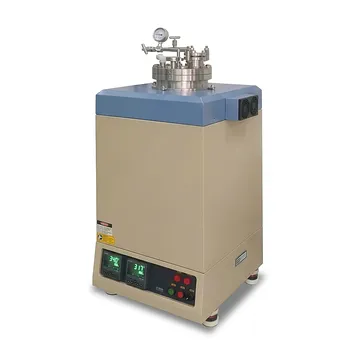
High Temperature 1000C Vacuum Furnace with 8 Inch ID Chamber for Material Sintering and Research Annealing
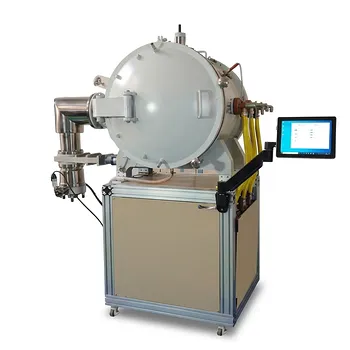
High Temperature Cold Wall Vacuum Furnace for Advanced Material Sintering and Annealing 1600C Heating Area 200x200x300mm
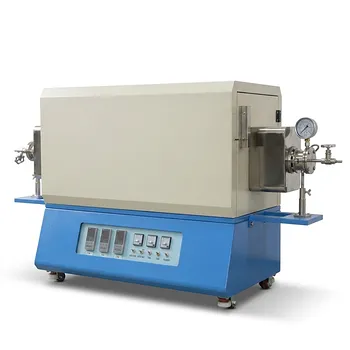
Three Temperature Zone High Temperature Vacuum Tube Furnace for CVD and Material Sintering
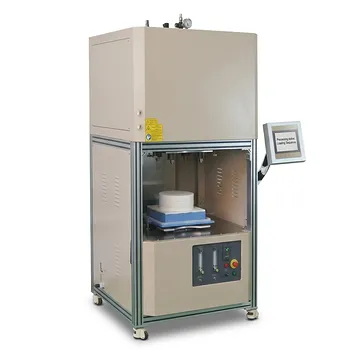
High Temperature Vertical Atmosphere Controlled Furnace with Automatic Bottom Loading and 1700°C Capacity for Advanced Material Research
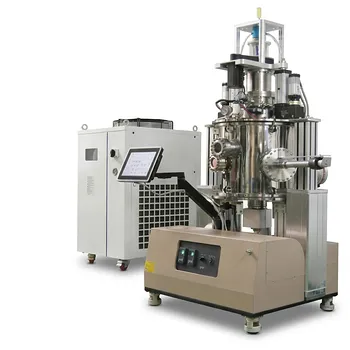
950C Rapid Thermal Processing Furnace for 12 Inch Wafer CSS Coating with Rotating Substrate Holder
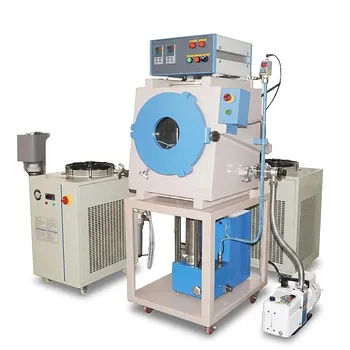
High Temperature Vacuum Lamination Hot Press Furnace Machine for Semiconductor Wafer Bonding and Advanced Composite Thermal Processing
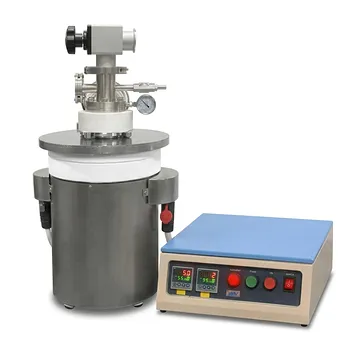
1100C High Temperature Vacuum Crucible Furnace with Quartz Chamber for Thermal Processing and Sintering
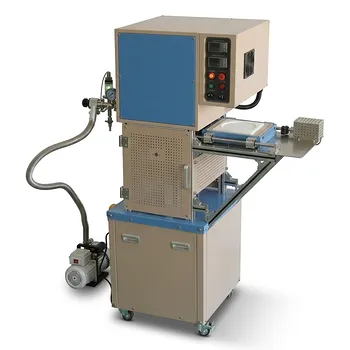
1200°C Bottom Loading Vacuum Furnace with Rapid Gas Cooling and 8.6 Inch Diameter Quartz Chamber
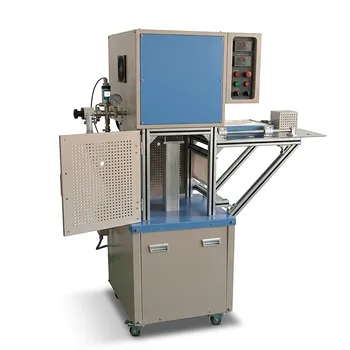
Bottom Loading Vacuum Furnace 1200C Rapid Cooling Atmosphere Control Quartz Chamber
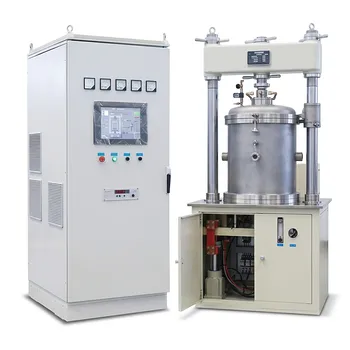
Industrial Vacuum Hot Press Furnace Machine and High Temperature Heated Vacuum Press for Advanced Material Sintering
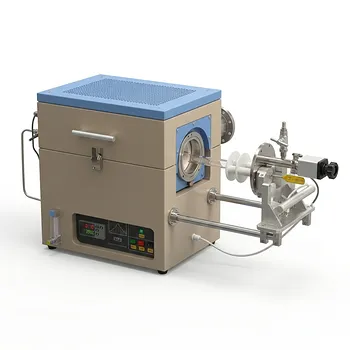
Compact Atmosphere Controlled Rapid Thermal Processing RTP Furnace with 4 Inch ID Quartz Tube 1100C
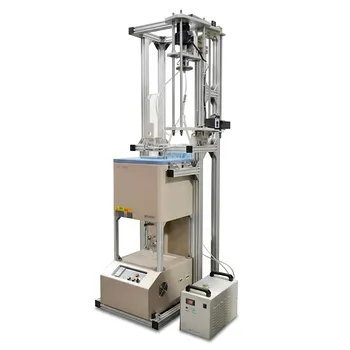
500C Vacuum Vertical Tube Furnace 84mm OD Sample Rotation Lifting System
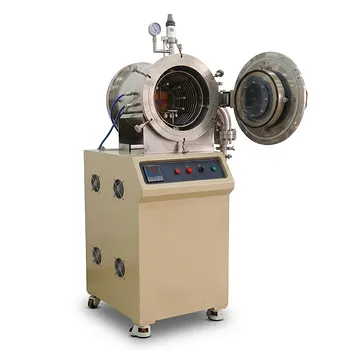
High Temperature Cold Wall High Vacuum Chamber Furnace 1400C for Advanced Material Processing
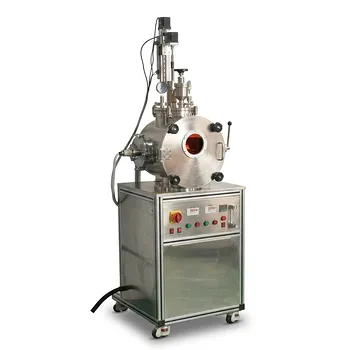
High Vacuum Melting Casting Furnace with Mechanical Stirring and Secondary Charge for Metallic Alloy Research

1750°C High Temperature Benchtop Vacuum Atmosphere Tube Furnace with Kanthal Super 1800 Heating Elements and 60mm Alumina Processing Tube
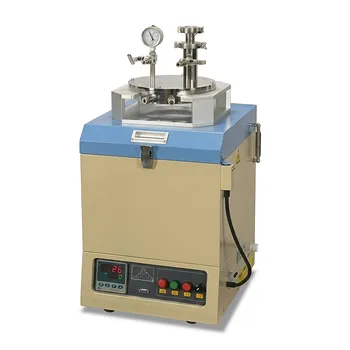
Vertical Vacuum Furnace 1100C High Temperature 8 Inch Quartz Chamber Water Cold Flange System
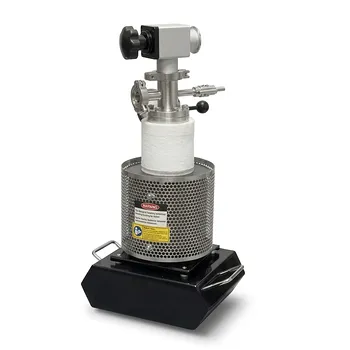
High Temperature 1100C Compact Top Loading Vertical Vacuum Tube Furnace for High Vacuum Noble Metal Melting and Material Research
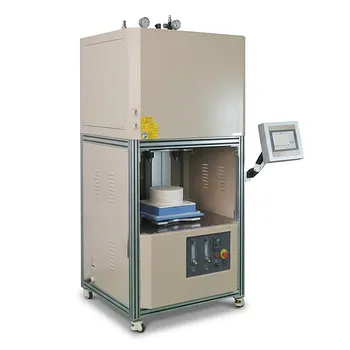
High Temperature Vertical Atmosphere Controlled Furnace 1700C Automatic Bottom Loading 13 Liter Vacuum Thermal System

Vertical 1700C Vacuum and Atmosphere Tube Furnace with 80mm Alumina Tube