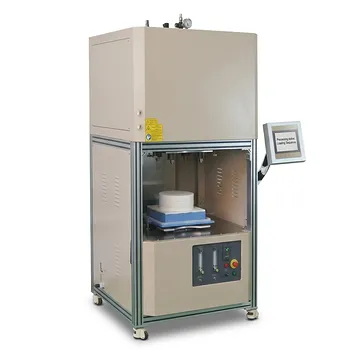
What is the role of a high-vacuum arc melting furnace in the initial melting stage of Fe-Pd binary alloys? Explained
Updated 3 months ago
The high-vacuum arc melting furnace is the primary tool for synthesizing Fe-Pd binary alloys with high precision. By utilizing a high-intensity electric arc under a controlled argon shielding atmosphere, the furnace provides the thermal energy necessary to thoroughly melt high-purity iron and palladium blocks. This initial stage is critical for ensuring macroscopic chemical uniformity and preventing the degradation of the alloy's purity through oxidation or environmental contamination.
Core Takeaway: The high-vacuum arc melting furnace acts as a controlled synthesis environment that transforms raw Fe and Pd blocks into high-quality parent alloy ingots. It achieves this by balancing extreme temperatures with a protective atmosphere to ensure chemical homogeneity and purity for subsequent phase equilibrium research.
Achieving Chemical Homogeneity and Fusion
High-Temperature Arc Fusion
The furnace utilizes an electric arc to generate the extreme temperatures required to fuse high-purity Fe and Pd blocks. This concentrated energy source allows for the rapid melting of both components, regardless of their individual melting points, ensuring they transition into a unified liquid phase.
Macroscopic Uniform Mixing
During the initial melting stage, the furnace ensures the macroscopic uniform mixing of alloy components. By liquifying the iron and palladium simultaneously, it facilitates the diffusion and distribution of atoms throughout the melt, which is essential for creating a consistent parent alloy.
Foundation for Phase Equilibrium Studies
The resulting ingots serve as the "parent" material for detailed phase equilibrium studies. Without this initial high-energy melting stage, the alloy would lack the structural and chemical consistency required for accurate experimental analysis in later stages of research.
Protecting Material Integrity through Atmospheric Control
Prevention of Oxidation
The use of an argon shielding atmosphere is vital for protecting active components from reacting with oxygen. In high-temperature environments, metals like iron are highly susceptible to oxidation, which would alter the final alloy's composition and introduce unwanted oxides.
Minimizing Impurity Contamination
By operating within a controlled inert environment, the furnace effectively blocks contamination from nitrogen, hydrogen, and other atmospheric impurities. This ensures that the high-purity nature of the raw Fe and Pd blocks is maintained throughout the melting process.
Removal of Gaseous Impurities
The vacuum capabilities of the system assist in reducing gaseous impurities that may be trapped within the raw materials. This results in a "cleaner" melt with fewer non-metallic inclusions, which is critical for the mechanical and thermal integrity of the alloy.
Understanding the Trade-offs and Process Requirements
Limitations of Single-Pass Melting
While the arc furnace is powerful, a single melting cycle often fails to achieve perfect microscopic uniformity. To compensate for this, researchers typically employ multiple flipping and re-melting cycles to ensure the alloy is truly homogeneous across the entire ingot.
Temperature Gradients and Cooling
The use of water-cooled copper crucibles prevents the furnace itself from melting, but it also creates significant temperature gradients. This rapid cooling can lead to localized solidification patterns that require further heat treatment to resolve if a specific microstructure is desired.
Volatilization Risks
In alloys containing elements with lower boiling points, the extreme heat of the arc can cause volatilization loss. While Fe and Pd are relatively stable, precise control of the arc duration and power is necessary to maintain the exact stoichiometric ratios intended for the binary alloy.
How to Apply This to Your Research Project
The effectiveness of the melting process depends heavily on your specific experimental requirements and the purity of your starting materials.
- If your primary focus is Phase Equilibrium Research: Prioritize multiple re-melting cycles (flipping the ingot) to ensure macroscopic homogeneity before performing any thermal analysis.
- If your primary focus is High-Purity Material Synthesis: Ensure the vacuum chamber reaches a high-vacuum state (often below 6 Pa) and use high-purity argon (99.9%+) to prevent any trace oxidation of the iron.
- If your primary focus is Precise Composition Control: Weigh the ingots before and after melting to account for any potential mass loss and confirm the final Fe-Pd ratio.
By mastering the initial melting stage in a high-vacuum arc furnace, you establish the high-purity material foundation necessary for definitive scientific discovery.
Summary Table:
| Key Feature | Role in Fe-Pd Alloy Synthesis |
|---|---|
| High-Temp Arc | Achieves rapid fusion of Fe and Pd blocks regardless of melting points. |
| Argon Shielding | Prevents oxidation and atmospheric contamination of metal components. |
| Vacuum System | Removes gaseous impurities to ensure high-purity parent material. |
| Remelting Cycles | Ensures macroscopic chemical homogeneity for phase equilibrium studies. |
Ready to Elevate Your Material Research?
As a global leader in high-temperature laboratory equipment, THERMUNITS provides the precision tools essential for advanced material science and industrial R&D. Whether you are synthesizing high-purity binary alloys or conducting complex phase equilibrium studies, our systems ensure unmatched purity and uniform chemical distribution.
Our Comprehensive Thermal Solutions Include:
- Melting Solutions: Vacuum Induction Melting (VIM), Arc Melting, and Hot Press Furnaces.
- R&D Equipment: CVD/PECVD Systems, Muffle, Vacuum, Tube, and Atmosphere Furnaces.
- Specialized Tools: Dental Furnaces, Electric Rotary Kilns, and high-quality Thermal Elements.
Don't compromise on the integrity of your parent alloys. Contact THERMUNITS today to consult with our experts and find the perfect heat treatment solution for your laboratory's needs.
References
- Adrian Savovici, Jerrold A. Floro. Ordered-Phase Equilibria in the Eutectoid Region of Bulk Fe-Pd. DOI: 10.1007/s11661-024-07577-4
Mentioned Products
- High Vacuum Melting Casting Furnace with Mechanical Stirring and Secondary Charge for Metallic Alloy Research
- High Temperature 1100C Compact Top Loading Vertical Vacuum Tube Furnace for High Vacuum Noble Metal Melting and Material Research
- 1900C Maximum High Temperature 7KW Vacuum Induction Melting System with 60mm Quartz Tube and Manual Temperature Control for Metallic Alloy Research
- Atmosphere Controlled Induction Melting Granulating Casting Furnace 1500C 5kg Capacity
- High Temperature 1000C Vacuum Furnace with 8 Inch ID Chamber for Material Sintering and Research Annealing
People Also Ask
- What are the core technical advantages of vacuum levels between 10^-3 and 10^-6 Torr? Ensure Superior Material Purity.
- Why is an integrated vacuum furnace necessary for RHEAs? Ensure data integrity and prevent oxidative embrittlement.
- How is heat transferred within a vacuum furnace? Master radiation and convection for uniform thermal processing.
- Why is a vacuum or atmosphere furnace necessary for the preparation of air-sensitive chemical materials? Ensure Purity.
- What is a vacuum furnace and what are its primary functions? Master High-Purity Thermal Processing & Metallurgy

Tech Team · ThermUnits
Last updated on Jun 03, 2026
Related Products
High Vacuum Melting Casting Furnace with Mechanical Stirring and Secondary Charge for Metallic Alloy Research
High Temperature 1100C Compact Top Loading Vertical Vacuum Tube Furnace for High Vacuum Noble Metal Melting and Material Research
1900C Maximum High Temperature 7KW Vacuum Induction Melting System with 60mm Quartz Tube and Manual Temperature Control for Metallic Alloy Research
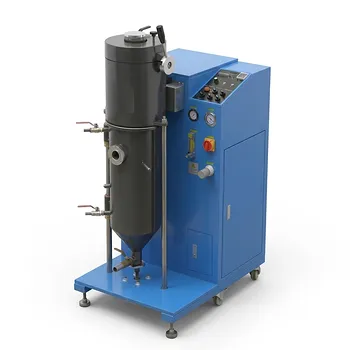
Atmosphere Controlled Induction Melting Granulating Casting Furnace 1500C 5kg Capacity
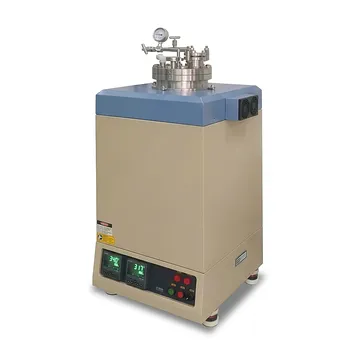
High Temperature 1000C Vacuum Furnace with 8 Inch ID Chamber for Material Sintering and Research Annealing
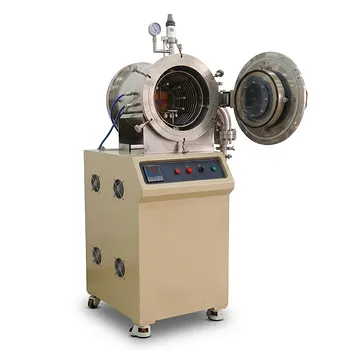
High Temperature Cold Wall High Vacuum Chamber Furnace 1400C for Advanced Material Processing
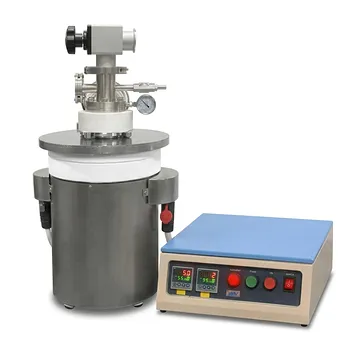
1100C High Temperature Vacuum Crucible Furnace with Quartz Chamber for Thermal Processing and Sintering
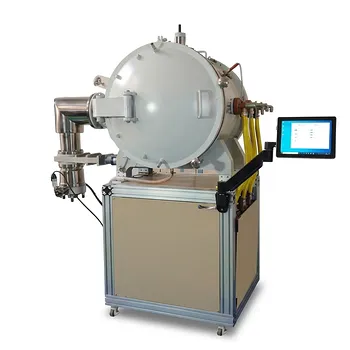
High Temperature Cold Wall Vacuum Furnace for Advanced Material Sintering and Annealing 1600C Heating Area 200x200x300mm
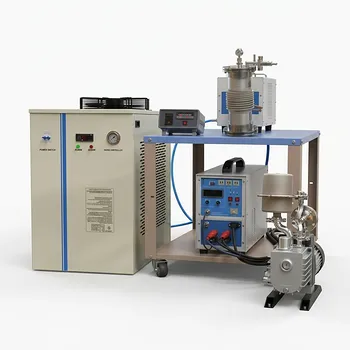
Induction Heating System with Temperature Control for High Temperature Vacuum Sintering and Melting
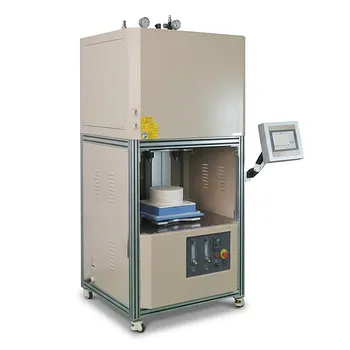
High Temperature Vertical Atmosphere Controlled Furnace 1700C Automatic Bottom Loading 13 Liter Vacuum Thermal System
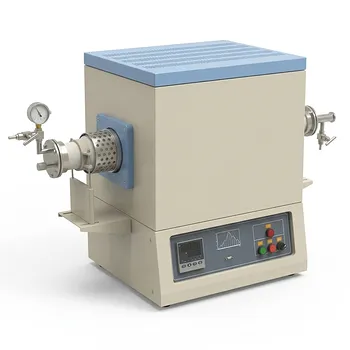
1750°C High Temperature Benchtop Vacuum Atmosphere Tube Furnace with Kanthal Super 1800 Heating Elements and 60mm Alumina Processing Tube
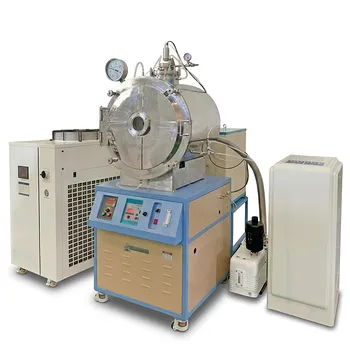
Ultra High Temperature Induction Heated Vacuum Furnace with Molten Salt Electrolysis Capability and 3000 Degree Precision Control
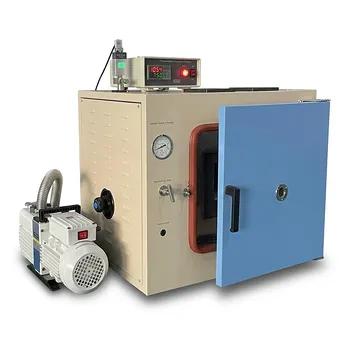
Compact High Vacuum Box Furnace 1050C Max 6.2L Ceramic Chamber Stainless Steel Shell Programmable Temperature Controller for Material Science Research

1800C High Temperature Compact Vacuum Tube Furnace with 60mm OD Alumina Tube and Kanthal MoSi2 Heating Elements
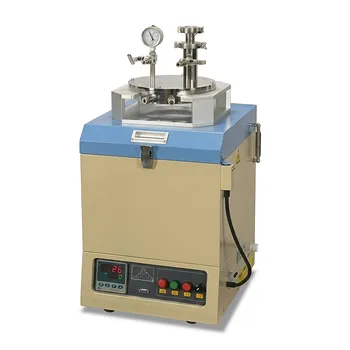
Vertical Vacuum Furnace 1100C High Temperature 8 Inch Quartz Chamber Water Cold Flange System
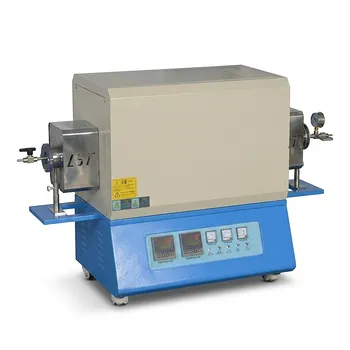
High Temperature Dual Zone Vacuum Tube Furnace for Material Research and CVD Processing
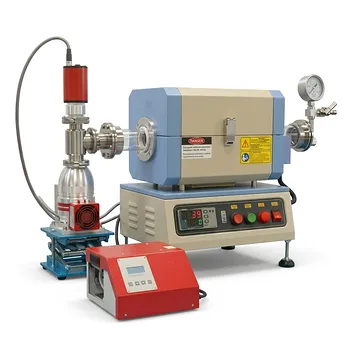
High Vacuum Compact Tube Furnace 1200C with Integrated Turbo Pump System and 8 Inch Heating Zone

High Temperature 1700C Tube Furnace with High Vacuum Turbomolecular Pump System and Multi Channel Mass Flow Controller Gas Mixer
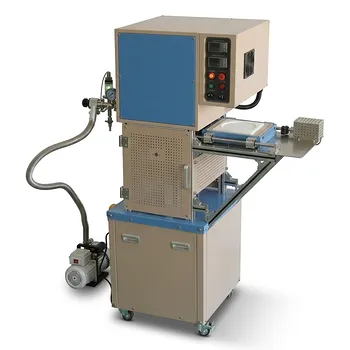
1200°C Bottom Loading Vacuum Furnace with Rapid Gas Cooling and 8.6 Inch Diameter Quartz Chamber