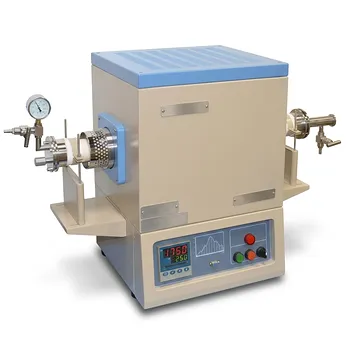
What is the role of a vacuum carbon tube furnace in the sintering of Ni-15Cr-5Al-XGe alloys? Key to Alloy Densification
Updated 3 months ago
The vacuum carbon tube furnace serves as the essential thermal and atmospheric control center for the sintering of Ni-15Cr-5Al-XGe alloys. By providing a precise 1260°C environment under high-vacuum conditions, it ensures the alloy reaches full densification while protecting the sensitive chemical composition from oxidation and elemental loss. This specific equipment is what allows the material to transition from a green compact into a high-strength alloy with stable phase structures.
Core Takeaway: The vacuum carbon tube furnace facilitates the transition of Ni-15Cr-5Al-XGe alloys into a dense solid by providing a high-temperature environment that drives atomic diffusion while simultaneously using a vacuum to prevent the oxidation or volatilization of critical alloying elements.
Preventing Chemical Degradation and Elemental Loss
Protection Against High-Temperature Oxidation
The furnace operates under vacuum conditions to isolate the alloy from oxygen and moisture. At 1260°C, active elements such as aluminum (Al) and chromium (Cr) are highly susceptible to oxidation, which would compromise the alloy's structural integrity and purity.
Inhibiting the Volatilization of Alloy Elements
Vacuum control is not only about keeping oxygen out but also about managing the vapor pressure within the chamber. This environment prevents the volatilization—the "boiling off"—of specific alloy elements that might otherwise escape at elevated temperatures, ensuring the final chemical stoichiometric ratio remains accurate.
Removal of Residual Impurities
The vacuum environment facilitates the removal of residual gases trapped between powder particles. By extracting these gases during the heating phase, the furnace prevents the formation of internal voids and promotes a cleaner metallurgical bond between grains.
Facilitating Microstructural Evolution and Densification
Driving Solid-State Diffusion
The furnace provides the intense thermal energy required to initiate solid-state diffusion. During the 360-minute heating and 120-minute holding cycles, atoms move across particle boundaries, filling gaps and creating "sintering necks" that fuse the particles together.
Achieving Full Densification
Through precise temperature management, the furnace ensures the alloy achieves full densification. This process eliminates porosity, which is critical for maximizing the mechanical strength and durability of the Ni-15Cr-5Al-XGe system.
Formation of Strengthening Phases
The stable thermal field allows for the precipitation and stabilization of essential phases. Specifically, it enables the formation of the Ni matrix and the Ni3Al strengthening phase, which are the primary contributors to the material's high-temperature performance.
Understanding the Trade-offs and Technical Challenges
Balancing Temperature and Time
While high temperatures are necessary for diffusion, excessive heat or overly long holding times can lead to grain overgrowth. The furnace's control system must strictly adhere to the 120-minute holding cycle to balance densification against the risk of coarsening the microstructure.
Risks of Material Volatilization
Despite the vacuum's protective role, certain elements may still volatilize if the vacuum level and temperature are not perfectly calibrated. If the atmosphere is not strictly controlled, the loss of elements like Germanium (Ge) or Aluminum could result in a failure to form the intended strengthening phases.
Maintenance of the Carbon Heating Element
In a carbon tube furnace, the heating element itself is made of carbon, which requires a vacuum or inert environment to prevent it from burning away. This creates a dependency where the vacuum is as much about protecting the furnace components as it is about protecting the alloy samples.
How to Optimize Your Sintering Process
Successful sintering of complex Ni-based alloys requires a focus on both the thermal cycle and the atmosphere. Depending on your specific metallurgical goals, your approach to using the vacuum furnace will vary.
- If your primary focus is Maximum Strength: Prioritize the 120-minute holding cycle at 1260°C to ensure the complete formation of the Ni3Al strengthening phase.
- If your primary focus is Chemical Purity: Ensure the vacuum system reaches the necessary high-vacuum threshold before initiating the heating cycle to prevent the early oxidation of Cr and Al.
- If your primary focus is Dimensional Accuracy: Monitor the 360-minute heating ramp-up closely to manage the rate of densification and shrinkage without inducing thermal stress.
The vacuum carbon tube furnace is the indispensable tool that transforms a powder mixture into a high-performance alloy by masterfully balancing heat and atmospheric purity.
Summary Table:
| Process Function | Technical Requirement | Benefit to Ni-15Cr-5Al-XGe Alloy |
|---|---|---|
| Atmosphere Control | High Vacuum Environment | Prevents oxidation of Al/Cr and removes residual impurities. |
| Thermal Precision | 1260°C Temperature | Drives solid-state diffusion and grain fusion. |
| Phase Stability | 120-minute Holding Cycle | Facilitates formation of Ni3Al strengthening phases. |
| Structural Integrity | Controlled Cooling/Heating | Achieves full densification while minimizing internal porosity. |
Elevate Your Advanced Material Research with THERMUNITS
Achieving precise metallurgical results in Ni-based alloys requires superior thermal and atmospheric control. THERMUNITS is a leading manufacturer of high-temperature laboratory equipment specifically designed for material science and industrial R&D.
We provide a comprehensive range of high-performance thermal processing solutions, including:
- Furnaces: Vacuum, Atmosphere, Carbon Tube, Muffle, Tube, Rotary, and Hot Press Furnaces.
- Advanced Systems: CVD/PECVD systems, Vacuum Induction Melting (VIM), and Dental Furnaces.
- Components: Electric rotary kilns, Thermal Elements, and specialized heat treatment equipment.
Whether you are refining sintering cycles or developing new alloy compositions, our equipment ensures the reliability and precision your research demands.
Contact THERMUNITS Today for a Consultation
References
- Huiling Gu, Zongwu Wei. Effect of Ge Contents on Oxidation Resistance of Ni‐15Cr‐5Al Alloy at 1000°C. DOI: 10.1155/2024/4720038
Mentioned Products
- 1000C Mini Tube Furnace with 20mm Quartz Tube and Vacuum Flanges for Material Science Research and Controlled Atmosphere Small Sample Processing
- High Vacuum Compact Tube Furnace 1200C with Integrated Turbo Pump System and 8 Inch Heating Zone
- Compact Split Tube Furnace with Integrated Vacuum System and Precision Temperature Calibrator
- High Temperature 1100C Compact Top Loading Vertical Vacuum Tube Furnace for High Vacuum Noble Metal Melting and Material Research
- Three Temperature Zone High Temperature Vacuum Tube Furnace for CVD and Material Sintering
People Also Ask
- Why is a Tube Furnace typically utilized for CVD? Achieve Precision in Graphene and 2D Material Synthesis
- Why is a tube furnace required for pre-oxidation? Enhance Ti(Nb)-Si-C coating adhesion and substrate durability.
- How does the precision temperature control system of a laboratory tube furnace affect the structural evolution of SiCN(Ni)/BN ceramics?
- How does a lab tube furnace facilitate RuAl thermal stability assessment? Advanced Research for Microelectronics
- What role does a laboratory tube furnace play during the carbonization stage of seaweed-residue carbon aerogel materials?

Tech Team · ThermUnits
Last updated on Jun 02, 2026
Related Products
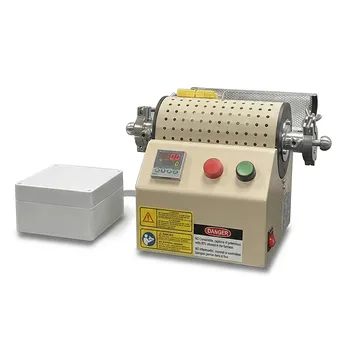
1000C Mini Tube Furnace with 20mm Quartz Tube and Vacuum Flanges for Material Science Research and Controlled Atmosphere Small Sample Processing
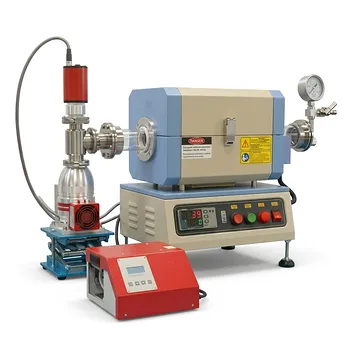
High Vacuum Compact Tube Furnace 1200C with Integrated Turbo Pump System and 8 Inch Heating Zone
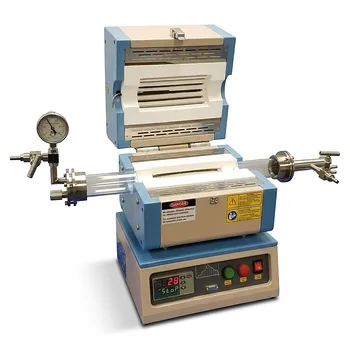
Compact Split Tube Furnace with Integrated Vacuum System and Precision Temperature Calibrator
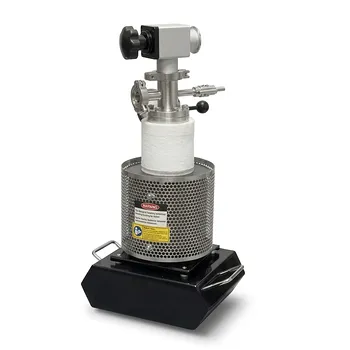
High Temperature 1100C Compact Top Loading Vertical Vacuum Tube Furnace for High Vacuum Noble Metal Melting and Material Research
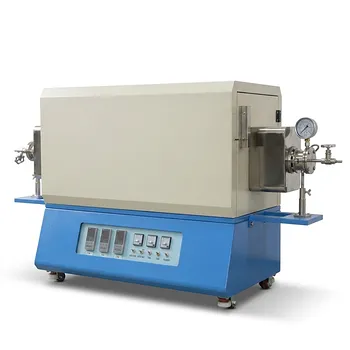
Three Temperature Zone High Temperature Vacuum Tube Furnace for CVD and Material Sintering
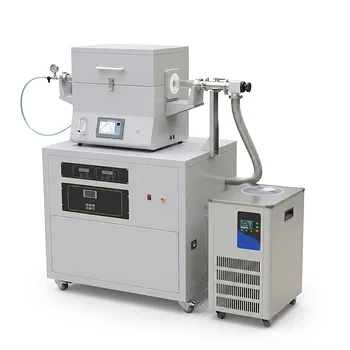
Split Chamber CVD Tube Furnace with Vacuum Station Chemical Vapor Deposition System Machine
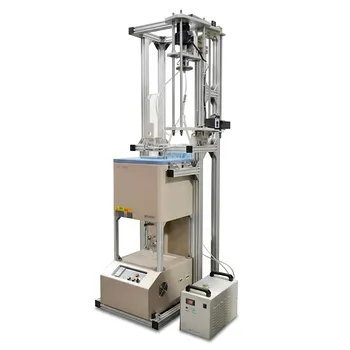
500C Vacuum Vertical Tube Furnace 84mm OD Sample Rotation Lifting System
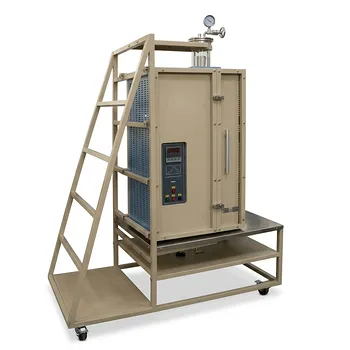
Split Vertical Tube Furnace with 1200C Quartz Tube and Stainless Steel Vacuum Flanges for Rapid Thermal Processing

High Temperature 1700C Tube Furnace with High Vacuum Turbomolecular Pump System and Multi Channel Mass Flow Controller Gas Mixer
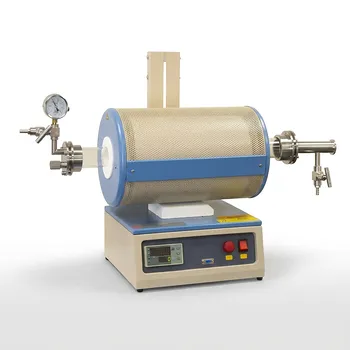
1100C Tube Furnace with Vacuum Flange and Programmable Temperature Controller for Material Science and Industrial Heat Treatment
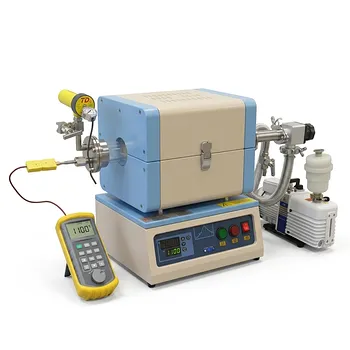
Compact Split Tube Furnace with Insertable Temperature Calibrator and Integrated Vacuum System
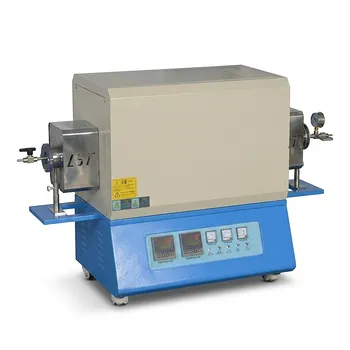
High Temperature Dual Zone Vacuum Tube Furnace for Material Research and CVD Processing
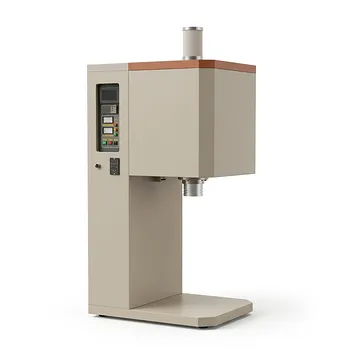
Vertical Openable Tube Furnace 0-1700c High Temperature Laboratory System for CVD and Vacuum Heat Treatment

High Temperature 1700C Vertical Tube Furnace for Powder Spherification and Material Sintering

Compact Vertical Split Quartz Tube Furnace with Stainless Steel Vacuum Flanges for Rapid Thermal Quenching and Controlled Atmosphere Material Processing

1800C High Temperature Compact Vacuum Tube Furnace with 60mm OD Alumina Tube and Kanthal MoSi2 Heating Elements

Vertical 1700C Vacuum and Atmosphere Tube Furnace with 80mm Alumina Tube

Compact High Temperature 1600C Tube Furnace with 50mm Alumina Tube and Vacuum Flanges for Material Sintering
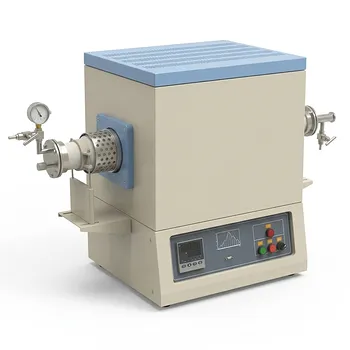
1750°C High Temperature Benchtop Vacuum Atmosphere Tube Furnace with Kanthal Super 1800 Heating Elements and 60mm Alumina Processing Tube