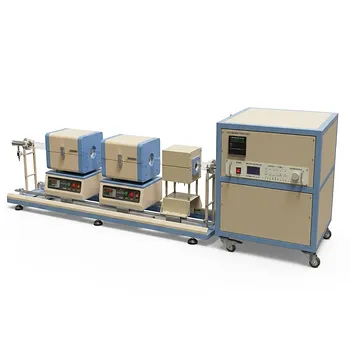
What is the role of the tube furnace in the CVD synthesis of carbon nanocoils? Mastering Precision Growth & Pyrolysis
Updated 3 months ago
In the Chemical Vapor Deposition (CVD) synthesis of carbon nanocoils (CNCs), the tube furnace serves as the primary reaction vessel and thermal regulator. It provides the high-temperature environment—typically ranging from 750°C to 780°C—required to decompose carbon-rich precursor gases like acetylene. By maintaining a stable thermal field and controlled atmospheric pressure, the furnace enables carbon atoms to deposit onto nanocatalysts and grow into their characteristic helical structures.
The tube furnace acts as the physical foundation for CNC growth, transforming gaseous precursors into solid nanostructures through precise thermal and atmospheric control. It is the critical hardware that ensures structural controllability and repeatable crystalline quality.
The Role of the Thermal Field in CNC Formation
Driving Carbon Source Pyrolysis
The furnace provides the necessary activation energy to break the chemical bonds of precursors such as acetylene (C2H2). Without this sustained high-temperature environment, the carbon source gas would not decompose on the surface of the catalysts. This thermal energy is what allows carbon atoms to rearrange and form the solid carbon backbone of the nanocoil.
Facilitating Directional Helical Growth
The precision of the temperature control within the furnace determines the specific morphology of the nanomaterial. For CNCs, a stable and uniform temperature field ensures that the carbon growth proceeds at a consistent rate across the catalyst surface. This stability is what allows the material to transition from a simple fiber into a complex, coiled helical structure.
Ensuring Crystalline Quality and Uniformity
The uniformity of the temperature zone directly impacts the thickness and structural integrity of the resulting nanocoils. Fluctuations in heat can lead to defects or inconsistent coil diameters across the substrate. A high-quality tube furnace minimizes these gradients, producing a more homogeneous batch of nanomaterials.
Atmospheric and Pressure Management
Maintaining a Controlled Reaction Environment
The tube furnace, often utilizing a sealed quartz tube, creates an isolated environment where the atmosphere can be strictly regulated. By introducing inert gases like nitrogen (N2) alongside the precursor, the furnace prevents unwanted oxidation or contamination. This ensures that the chemical reaction is limited strictly to the intended carbon source and catalyst.
Regulating Gas Flow and Residence Time
The furnace works in conjunction with gas control systems to manage how long the precursors remain in the reaction zone. This "residence time" is critical for controlling the density and length of the nanocoils. The sealed nature of the tube allows for precise pressure adjustments, which further influences the growth kinetics on the graphite or metallic substrates.
Understanding the Trade-offs
Thermal Gradients and Edge Effects
While tube furnaces aim for uniformity, a common pitfall is the existence of temperature gradients near the ends of the heating zone. Samples placed too close to the edges may exhibit different morphologies or lower quality compared to those in the "sweet spot" at the center.
Throughput vs. Cooling Rates
High-temperature synthesis requires significant time for both heating and cooling cycles to protect the integrity of the quartz tube and the catalysts. Attempting to increase throughput by rapid cooling can lead to thermal shock in the equipment or structural stress in the synthesized nanocoils.
Optimizing Your CVD Setup for Nanocoil Quality
To achieve the best results in CNC synthesis, you must align your furnace parameters with your specific material requirements.
- If your primary focus is Helical Precision: Prioritize a furnace with multi-zone heating to ensure a perfectly uniform thermal field across the entire length of your substrate.
- If your primary focus is High Yield and Density: Focus on the gas delivery system's integration with the furnace to maintain high precursor concentrations without turbulent flow.
- If your primary focus is Structural Purity: Ensure the furnace has high-grade sealing and vacuum capabilities to eliminate trace oxygen that can degrade the nanocoils during growth.
By viewing the tube furnace as a precision instrument rather than a simple heater, you can master the complex growth mechanics required for high-quality carbon nanocoils.
Summary Table:
| Key Function | Impact on CNC Synthesis |
|---|---|
| Thermal Regulation | Provides activation energy for carbon precursor pyrolysis (750°C–780°C). |
| Uniform Heat Field | Ensures consistent helical morphology and directional growth across the substrate. |
| Atmosphere Control | Prevents oxidation using sealed quartz tubes and inert gas regulation. |
| Pressure Management | Influences gas residence time, controlling nanocoil density and structural integrity. |
Elevate Your Nanomaterial Research with THERMUNITS
High-precision CVD synthesis requires the extreme thermal stability and atmospheric control that only professional-grade equipment can provide. THERMUNITS is a global leader in manufacturing high-temperature laboratory equipment specifically designed for material science and industrial R&D.
We offer a comprehensive range of thermal processing solutions tailored for advanced research, including:
- CVD/PECVD Systems & Tube Furnaces: Optimized for carbon nanocoil and nanotube growth.
- Muffle, Vacuum, and Atmosphere Furnaces: For versatile heat treatment applications.
- Specialized Equipment: Including Rotary furnaces, Hot Press furnaces, Vacuum Induction Melting (VIM) furnaces, and Electric Rotary Kilns.
- Precision Components: High-quality Thermal Elements and Dental Furnaces.
Whether you are refining helical precision or scaling up high-yield production, our equipment ensures the repeatable crystalline quality your project demands.
Ready to optimize your thermal processes? Contact our technical experts today to find the perfect solution for your lab!
References
- Huan Chen, Lujun Pan. Carbon Nanotube–Carbon Nanocoil Hybrid Film Decorated by Amorphous Silicon as Anodes for Lithium-Ion Batteries. DOI: 10.3390/jcs8090350
Mentioned Products
- 5 Inch Two Zone Rotary Tube Furnace 1100C for Powder CVD and Material Synthesis
- Two Zone Rotary Tube Furnace for Powder CVD Coating and Core Shell Material Synthesis 1100C
- 5 Inch Three Zone Rotary Tube Furnace with Integrated Gas Delivery System and 1200C Capability for Advanced Material CVD Processing
- High Temperature Dual Zone Rotating Tube Furnace 1500C Silicon Carbide Heating for Advanced Material Synthesis
- Three Zone Rotary Tube Furnace with Automatic Powder Feeding for Large Scale CVD Coating 1100C
People Also Ask
- Why is a Tube Furnace typically utilized for CVD? Achieve Precision in Graphene and 2D Material Synthesis
- How does a rotary tube furnace improve the processing of granular materials? Enhance Uniformity and Reaction Kinetics
- In what ways do rotary tube furnaces enhance chemical and specialty mineral processing? Drive Precision and Uniformity.
- Why is the precise optimization of residence time essential in the catalyst calcination process? Maximize Your Yields.
- Why use a rotary tube furnace for FACS carbonization? Ensure uniform morphology and prevent sphere agglomeration.

Tech Team · ThermUnits
Last updated on Jun 03, 2026
Related Products
5 Inch Two Zone Rotary Tube Furnace 1100C for Powder CVD and Material Synthesis
Two Zone Rotary Tube Furnace for Powder CVD Coating and Core Shell Material Synthesis 1100C
5 Inch Three Zone Rotary Tube Furnace with Integrated Gas Delivery System and 1200C Capability for Advanced Material CVD Processing
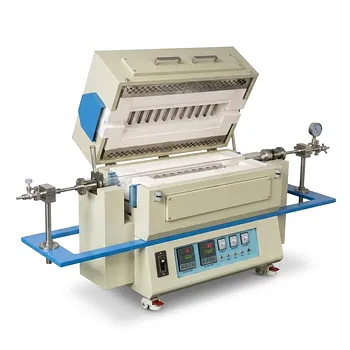
High Temperature Dual Zone Rotating Tube Furnace 1500C Silicon Carbide Heating for Advanced Material Synthesis
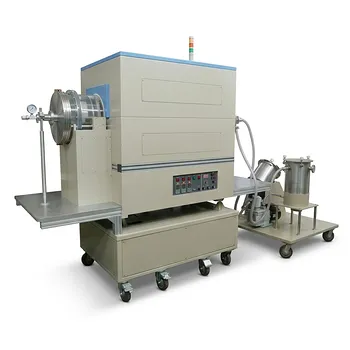
Three Zone Rotary Tube Furnace with Automatic Powder Feeding for Large Scale CVD Coating 1100C
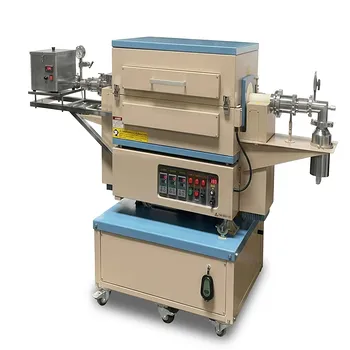
1500C 3-Zone Rotary Tube Furnace 60mm with Automatic Powder Feeding and Receiving System for Continuous Material Synthesis
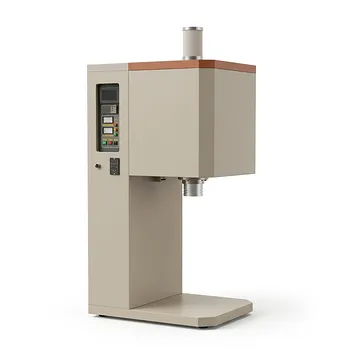
Vertical Openable Tube Furnace 0-1700c High Temperature Laboratory System for CVD and Vacuum Heat Treatment
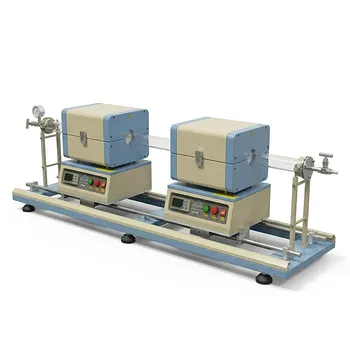
1200C Max Dual Sliding Tube Furnace with 50 mm Tube Flanges for CVD
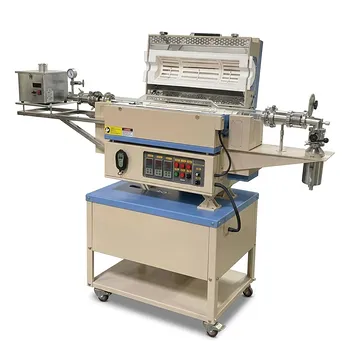
5 Inch Rotary Tube Furnace with Automatic Feeding and Receiving System 1200C Three Zone CVD Powder Processing
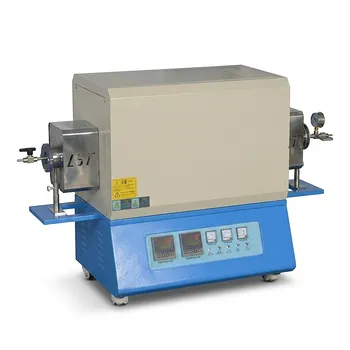
High Temperature Dual Zone Vacuum Tube Furnace for Material Research and CVD Processing
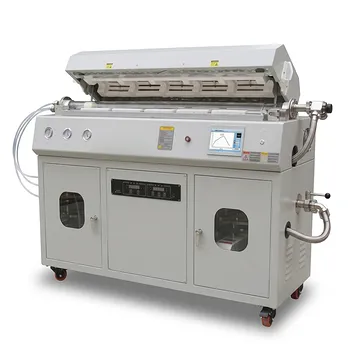
Multi Heating Zones CVD Tube Furnace System for Precision Chemical Vapor Deposition and Advanced Material Synthesis
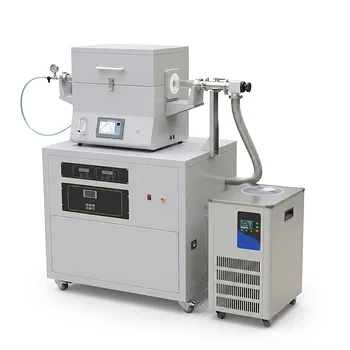
Split Chamber CVD Tube Furnace with Vacuum Station Chemical Vapor Deposition System Machine
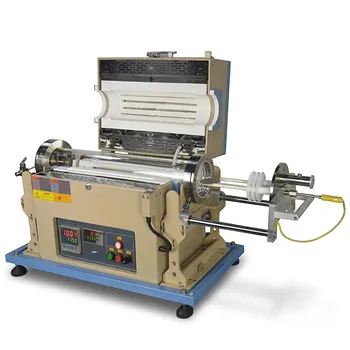
1200°C High Temperature 4 Inch Tube Furnace with Sliding Flange for CVD Systems
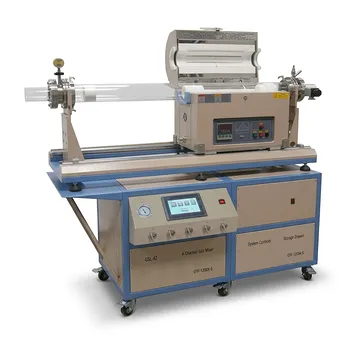
Dual Tube 100mm 80mm CVD Sliding Furnace with 4 Channel Gas Mixing and Vacuum System
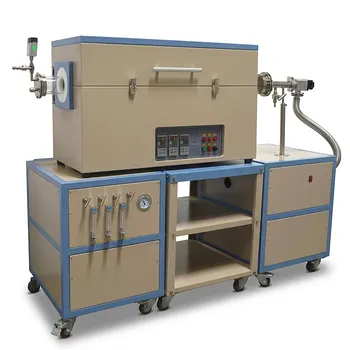
Three Zone Quartz Tube Furnace with 3 Channel Gas Mixer Vacuum Pump and Anti Corrosive Vacuum Gauge
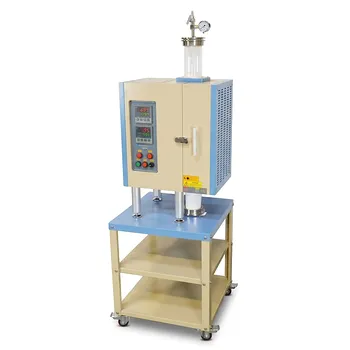
1100°C Dual Zone Split Vertical Tube Furnace with 4 Inch Quartz Tube and Vacuum Sealing Flanges
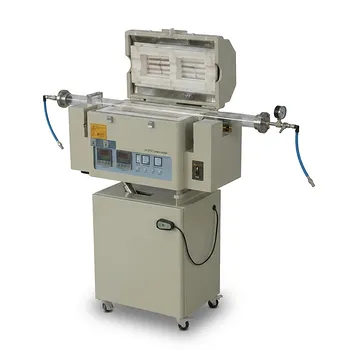
Double Temperature Revolving Tube Furnace with Precision Rotation and Adjustable Inclination for Advanced Material Research
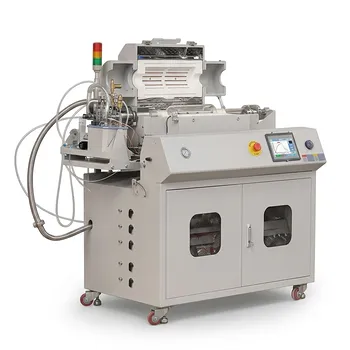
Versatile Chemical Vapor Deposition Tube Furnace System for Advanced Material Research and Industrial Coating Processes
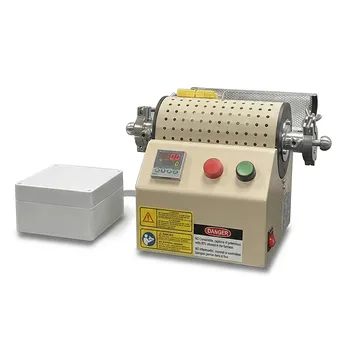
1000C Mini Tube Furnace with 20mm Quartz Tube and Vacuum Flanges for Material Science Research and Controlled Atmosphere Small Sample Processing