What makes PECVD effective for wear-resistant coatings? High-Hardness DLC & Low-Temp Precision for Material Science
Updated 3 months ago
PECVD is a cornerstone technology for tribological applications because it synthesizes high-performance coatings like Diamond-Like Carbon (DLC) at temperatures low enough to maintain the structural integrity of the substrate. By using RF or microwave-generated plasma to dissociate precursors, PECVD produces extremely dense, low-stress films that exhibit high hardness (often exceeding 20 GPa) and exceptionally low friction coefficients. This process ensures superior wear resistance on complex 3D geometries without the thermal distortion associated with traditional thermal CVD.
PECVD provides a critical advantage by decoupling the chemical reaction energy from the substrate temperature. This allows for the deposition of ultra-hard, conformal, and pinhole-free coatings on heat-sensitive materials, effectively extending the service life of industrial components by up to 10 times.
The Mechanics of High-Performance Coatings
The Role of Ion Bombardment
During the PECVD process, ion bombardment plays a decisive role in densifying the growing film. This kinetic energy flux collapses voids and rearranges atoms into a more tightly packed structure, resulting in high-density coatings with minimal internal stress. These characteristics are vital for preventing film delamination and ensuring the coating can withstand heavy mechanical loads.
Achieving Extreme Hardness and Low Friction
PECVD is the primary method for depositing Diamond-Like Carbon (DLC), a material that combines the hardness of diamond with the lubricity of graphite. These coatings can reach hardness levels exceeding 20 GPa, providing a formidable barrier against abrasive wear. The resulting low friction coefficient reduces heat generation and energy loss in moving parts, which is essential for tribological efficiency.
Enhancing Tool and Component Longevity
By creating a chemically inert and mechanically robust surface, PECVD coatings significantly enhance tool durability. In aggressive machining or industrial environments, these films provide a barrier against chemical attacks and mechanical erosion. This protection can extend the functional service life of components by 5 to 10 times compared to uncoated surfaces.
Overcoming Geometric and Thermal Constraints
Superior Step Coverage and Conformality
Unlike line-of-sight physical deposition methods, PECVD offers excellent step coverage on complex 3D geometries. This ensures that features such as threads, recesses, and internal bores receive a uniform coating thickness. This "conformal" nature is critical for maintaining the dimensional tolerances of precision engineering components.
Operating Within a Low Thermal Budget
Traditional thermal CVD requires temperatures between 600°C and 900°C, which can soften steel or melt aluminum. PECVD operates at a significantly lower thermal budget, typically between 200°C and 400°C. This lower temperature range preserves the mechanical properties of the substrate and prevents thermal distortion in precision-machined parts.
Pinhole-Free Environmental Protection
The plasma-assisted reaction facilitates the growth of pinhole-free films even at nanometer-scale thicknesses. These dense layers act as superior barriers against moisture and corrosive agents, providing environmental protection that outperforms traditional evaporated coatings. This is particularly valuable for protecting sensitive alloys in harsh operating conditions.
Understanding the Trade-offs
Process Complexity and Precursor Management
While PECVD offers superior results, the process involves complex plasma chemistry that requires precise control over gas flow, power, and pressure. Improper tuning of these parameters can lead to unintended chemical inclusions or variations in the refractive index and hardness. High-quality precursors are also necessary, which can increase the overall cost of the coating process.
Adhesion and Substrate Preparation
Because PECVD films are highly dense and often under compressive stress, substrate preparation is non-negotiable. Any residual surface contamination can lead to poor adhesion and premature coating failure. Ensuring a strong chemical bond often requires specialized pre-treatment steps, such as plasma etching, to activate the substrate surface.
Applying PECVD to Your Project
Recommendations for Implementation
Success with PECVD depends on aligning the coating properties with your specific operational environment. Consider the following guidelines based on your primary objectives:
- If your primary focus is extreme wear resistance: Prioritize DLC coatings deposited via high-density plasma to maximize hardness and minimize the friction coefficient.
- If your primary focus is coating complex geometries: Ensure the PECVD system is optimized for high conformality to maintain uniform protection on threads and internal recesses.
- If your primary focus is temperature-sensitive substrates: Utilize RF or microwave PECVD to keep deposition temperatures below 300°C, preserving the tempering of tool steels or the integrity of aluminum.
- If your primary focus is environmental or chemical barrier protection: Opt for silicon-based PECVD coatings (like SiO2 or Si3N4) to create dense, pinhole-free layers that prevent ion leaching and corrosion.
By leveraging the unique synergy of plasma energy and low-temperature chemistry, PECVD transforms standard industrial components into high-performance assets capable of surviving the most demanding tribological environments.
Summary Table:
| Feature | Advantage | Impact on Performance |
|---|---|---|
| Deposition Temp | 200°C - 400°C | Preserves substrate hardness; no thermal distortion. |
| Film Hardness | >20 GPa (DLC) | Extreme resistance to abrasive wear and erosion. |
| Step Coverage | Superior Conformality | Uniform protection for threads and internal bores. |
| Friction Level | Exceptionally Low | Reduced heat generation and energy loss in moving parts. |
| Structure | Pinhole-Free & Dense | Acts as a robust barrier against corrosion and moisture. |
Maximize Your Material Performance with THERMUNITS
Elevate your R&D and industrial heat treatment with THERMUNITS, a leading manufacturer of high-temperature laboratory equipment. We specialize in providing advanced CVD/PECVD systems designed for high-performance coatings, alongside a comprehensive range of thermal solutions including Muffle, Vacuum, Atmosphere, Tube, Rotary, and Hot Press furnaces.
From Dental Furnaces and Electric Rotary Kilns to Vacuum Induction Melting (VIM) systems and Thermal Elements, our equipment is engineered to provide the precision and durability required for cutting-edge material science.
Ready to optimize your coating process? Contact our engineering team today to find the perfect thermal processing solution for your specific application!
Mentioned Products
- Inclined Rotary Plasma Enhanced Chemical Vapor Deposition PECVD System for Thin Film Deposition and Nanomaterial Synthesis
- Radio Frequency Plasma Enhanced Chemical Vapor Deposition RF PECVD System for Laboratory and Industrial Thin Film Growth
- Chemical Vapor Deposition CVD System Slide PECVD Tube Furnace with Liquid Gasifier PECVD Machine
- 1200C Max Compact Auto-Sliding PECVD Furnace with 2 Inch Tube and Vacuum Pump
- 1200C Dual Sliding Tube Furnace with Dual Tubes and Flanges for PECVD Processes
People Also Ask
- What types of materials can be deposited using PECVD systems? Explore Versatile Thin-Film Coating Solutions
- How does the non-equilibrium nature of plasma facilitate low-temperature deposition in PECVD systems? Pro Tips for R&D
- How is Plasma-Enhanced Chemical Vapor Deposition (PECVD) utilized in the production of photovoltaic solar cells? Study
- How do RF frequency and power settings influence the characteristics of a PECVD process? Master Quality & Efficiency
- What are the advantages of PECVD systems for nano flame retardant films? Protect Heat-Sensitive Polymers with Precision

Tech Team · ThermUnits
Last updated on Jun 03, 2026
Related Products
Inclined Rotary Plasma Enhanced Chemical Vapor Deposition PECVD System for Thin Film Deposition and Nanomaterial Synthesis
Radio Frequency Plasma Enhanced Chemical Vapor Deposition RF PECVD System for Laboratory and Industrial Thin Film Growth
Chemical Vapor Deposition CVD System Slide PECVD Tube Furnace with Liquid Gasifier PECVD Machine
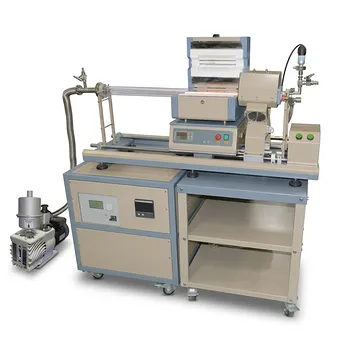
1200C Max Compact Auto-Sliding PECVD Furnace with 2 Inch Tube and Vacuum Pump
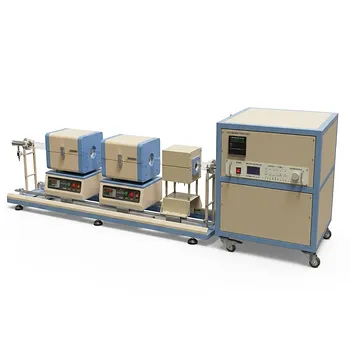
1200C Dual Sliding Tube Furnace with Dual Tubes and Flanges for PECVD Processes
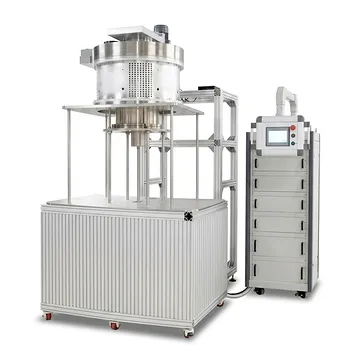
915MHz MPCVD Diamond Machine Microwave Plasma Chemical Vapor Deposition System Reactor
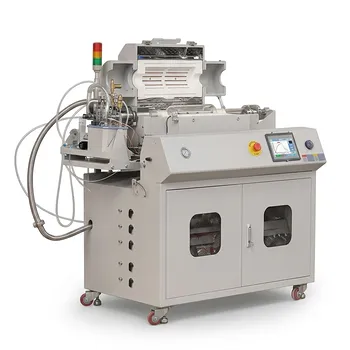
Versatile Chemical Vapor Deposition Tube Furnace System for Advanced Material Research and Industrial Coating Processes
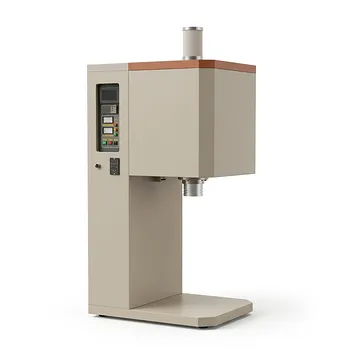
Vertical Openable Tube Furnace 0-1700c High Temperature Laboratory System for CVD and Vacuum Heat Treatment
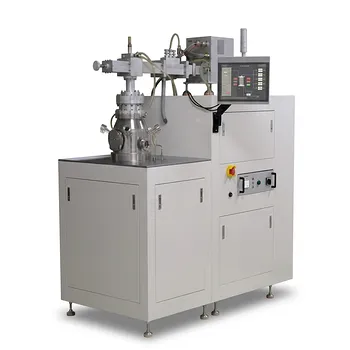
Cylindrical Resonator MPCVD Machine System for Microwave Plasma Chemical Vapor Deposition and Lab Diamond Growth
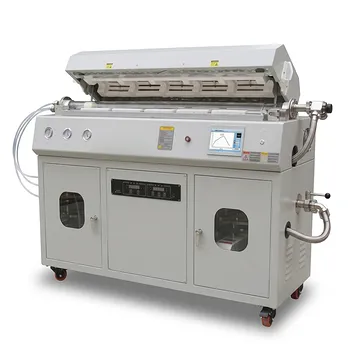
Multi Heating Zones CVD Tube Furnace System for Precision Chemical Vapor Deposition and Advanced Material Synthesis
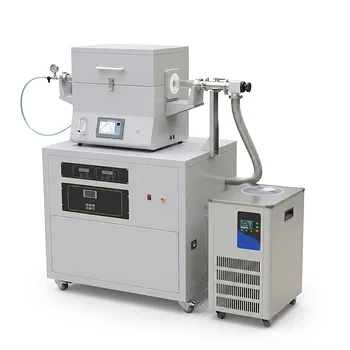
Split Chamber CVD Tube Furnace with Vacuum Station Chemical Vapor Deposition System Machine
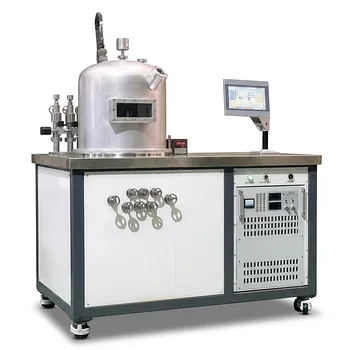
HFCVD Machine System for Nano Diamond Coating on Drawing Dies and Industrial Tools
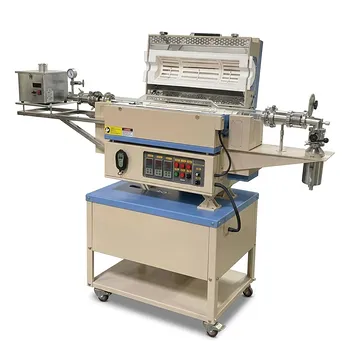
5 Inch Rotary Tube Furnace with Automatic Feeding and Receiving System 1200C Three Zone CVD Powder Processing

High Temperature 1700C Tube Furnace with High Vacuum Turbomolecular Pump System and Multi Channel Mass Flow Controller Gas Mixer
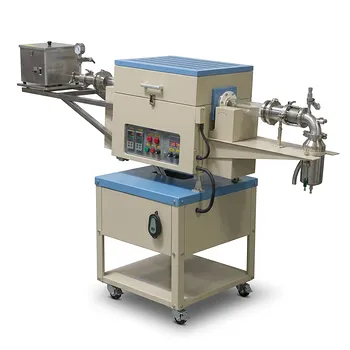
Two Zone Rotary CVD Furnace with Automatic Feeding and Receiving System for Powder Processing
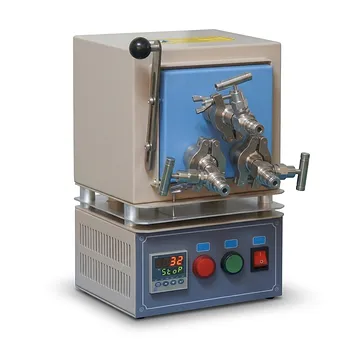
Triple Tube Compact Hybrid Muffle Furnace 1000C High Vacuum Thermal Processing System
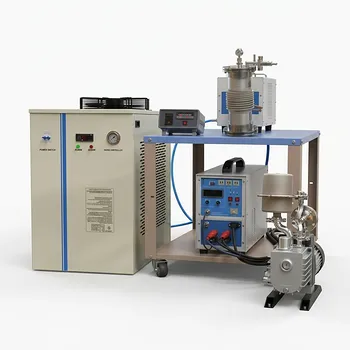
Induction Heating System with Temperature Control for High Temperature Vacuum Sintering and Melting
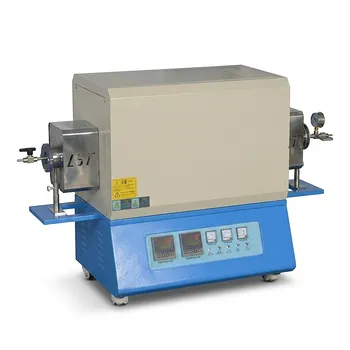
High Temperature Dual Zone Vacuum Tube Furnace for Material Research and CVD Processing
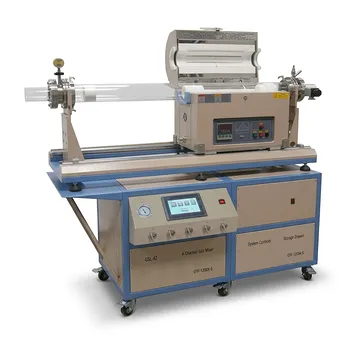
Dual Tube 100mm 80mm CVD Sliding Furnace with 4 Channel Gas Mixing and Vacuum System