What problem is solved by using high-temperature quartz wool in a fixed-bed reactor? Ensure Stable Catalyst Performance
Updated 3 months ago
High-temperature quartz wool solves the critical challenge of maintaining a stable, stationary catalyst bed while ensuring uniform gas distribution under extreme thermal and mechanical stress. It acts as a chemically inert "physical anchor" that prevents catalyst particles from shifting, migrating, or being carried away by high-velocity gas streams, thereby protecting both the reaction integrity and downstream analytical equipment.
Core Takeaway: Quartz wool provides a thermally stable and chemically inert solution for securing catalyst beds, ensuring that reactant gases pass uniformly through the catalyst zone without inducing displacement or significant pressure drops.
Mechanical Stabilization of the Catalyst Bed
Preventing Catalyst Migration and Displacement
In fixed-bed reactors, high-pressure or high-velocity gas flow creates significant force against the catalyst particles. Quartz wool is packed around the catalyst to fix its position, preventing the particles from shifting or blowing out of the reaction zone.
Maintaining Central Positioning in the Reaction Tube
For precise thermal control and consistent residence time, the catalyst must remain in the thermal center of the furnace or discharge zone. Quartz wool supports the bed at the exact specified coordinates within the tube, ensuring that the reaction occurs where heating and monitoring are most accurate.
Securing Fine Catalyst Powders
When working with specialized catalysts, such as Nickel-Cerium-Aluminum oxides, particles can be prone to fragmentation. The loose and porous structure of the wool acts as a filter, trapping fine catalyst powder and preventing it from entering downstream detection equipment where it could cause damage or provide false readings.
Optimization of Fluid Dynamics
Eliminating Reactant "Short-Circuiting"
If a catalyst bed is not properly secured, gaps or channels can form where gas flows around the catalyst rather than through it, a phenomenon known as short-circuiting. Quartz wool assists in the initial distribution of gases, forcing them through the porous structure and ensuring optimal contact between the gas phase and the active catalyst sites.
Minimizing Airflow Resistance
Unlike solid plugs, the high porosity of quartz wool allows for stabilization without creating a significant pressure drop. This allows the reactor to maintain stable fluid dynamics, which is essential for consistent kinetic measurements and operational safety.
Material Integrity in Extreme Environments
Total Chemical Inertness
A primary advantage of quartz wool is its chemical non-reactivity. It ensures that the support material does not participate in the reaction or poison the catalyst, which is vital for maintaining the objectivity of experimental data.
High Thermal Stability
Fixed-bed reactors often operate at temperatures where standard glass fibers would soften or melt. Quartz wool maintains its structural integrity and physical shape under extreme heat, ensuring the catalyst bed remains secure throughout the entire heating and cooling cycle.
Understanding the Trade-offs and Risks
Impact of Packing Density
One of the most common pitfalls involves improper packing of the wool. If the wool is packed too tightly, it can lead to an undesirable pressure drop; if packed too loosely, it may fail to prevent catalyst migration or gas bypassing.
Fiber Fracturing and Contamination
While quartz wool is durable, excessive handling can break the fibers into micro-shards. These fragments can potentially migrate into the catalyst bed or clog fine valves downstream if the material is of low purity or handled without proper care during the loading process.
How to Apply This to Your Reactor Setup
Making the Right Choice for Your Goal
- If your primary focus is gas-phase analysis: Ensure you use high-purity quartz wool to prevent any chemical background noise or downstream contamination of sensors.
- If your primary focus is high-velocity kinetics: Prioritize a secure, multi-layered packing technique to prevent any bed shifting that could alter the residence time calculations.
- If your primary focus is minimizing pressure drop: Use a less dense, porous grade of quartz wool and verify the flow resistance before introducing the catalyst.
By correctly integrating high-temperature quartz wool into your reactor design, you ensure a stable and predictable environment for complex chemical transformations.
Summary Table:
| Key Challenge | Quartz Wool Solution | Operational Benefit |
|---|---|---|
| Catalyst Migration | Acts as a physical anchor/plug | Prevents particles from shifting or blowing out |
| Gas Short-Circuiting | Distributes flow through porous structure | Ensures uniform contact between gas and catalyst |
| Thermal Degradation | High temperature resistance | Maintains integrity during extreme heat cycles |
| Equipment Damage | Traps fine catalyst fragments | Protects downstream sensors and valves |
| Chemical Interference | Chemically inert material | Prevents catalyst poisoning and data noise |
Optimize Your Thermal Research with THERMUNITS
At THERMUNITS, we understand that precision in the lab starts with high-quality equipment and accessories. As a leading manufacturer of high-temperature laboratory equipment for material science and industrial R&D, we offer a comprehensive range of thermal processing solutions designed to meet the most demanding reactor requirements.
Whether you are configuring a Tube or Atmosphere furnace for catalyst testing, or require advanced CVD/PECVD systems for material synthesis, our products provide the stability and control your work demands. Our expertise covers a wide spectrum, including:
- Precision Furnaces: Muffle, Vacuum, Rotary, and Hot Press furnaces.
- Industrial Solutions: Electric rotary kilns and vacuum induction melting furnaces (VIM).
- Specialized Tools: Dental furnaces and high-purity Thermal Elements.
Don't let unstable catalyst beds or inconsistent heating compromise your results. Explore how our advanced thermal solutions can enhance your laboratory’s efficiency and accuracy. Contact us today to discuss your project needs!
References
- Xuekai Shan, Qi Xu. Photothermal CO2 Hydrogenation to Methanol over Ni-In2O3/g-C3N4 Heterojunction Catalysts. DOI: 10.3390/catal14110756
Mentioned Products
- 1100°C High Temperature Quartz Chamber Furnace 8 Inch OD with 7.6 Liter Capacity and Vacuum Atmosphere Capability
- 1100°C Three Zone Tube Furnace with 8.5 to 11 Inch OD Quartz Tube and Vacuum Flanges for Large Wafer Processing
- 1100C High Temperature Vacuum Crucible Furnace with Quartz Chamber for Thermal Processing and Sintering
- Vertical Vacuum Furnace 1100C High Temperature 8 Inch Quartz Chamber Water Cold Flange System
- High Temperature Benchtop Muffle Furnace with Quartz Observation Window for Thermal Imaging and Material Analysis
People Also Ask
- Why is a quartz tube furnace necessary for phosphorus-doped MoS2/GO preparation? Ensure Purity & Precise Synthesis
- Benefits of high-vacuum quartz tube furnaces with N2 for Co3O4 nanosheets: Purity and Structural Integrity.
- What conditions does a quartz tube furnace provide for AlxCoCrFeNi steam corrosion tests? Achieve Precise R&D Control.
- Why is high-temperature annealing in a quartz tube furnace done after HfO2 deposition? Unlock peak film performance.
- Why is a high-purity quartz tube used for SP-Fe3O4-C? Ensure Chemical Purity & Catalytic Stability

Tech Team · ThermUnits
Last updated on Jun 03, 2026
Related Products
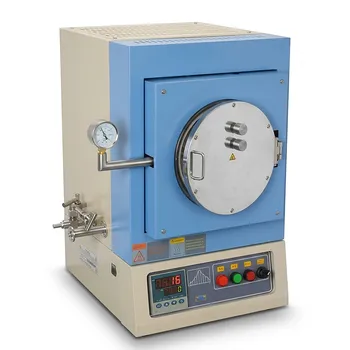
1100°C High Temperature Quartz Chamber Furnace 8 Inch OD with 7.6 Liter Capacity and Vacuum Atmosphere Capability
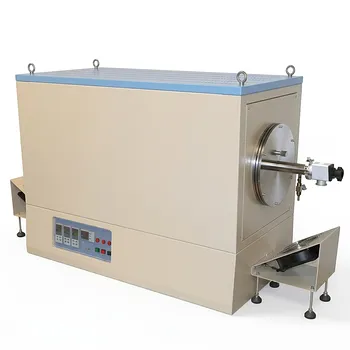
1100°C Three Zone Tube Furnace with 8.5 to 11 Inch OD Quartz Tube and Vacuum Flanges for Large Wafer Processing
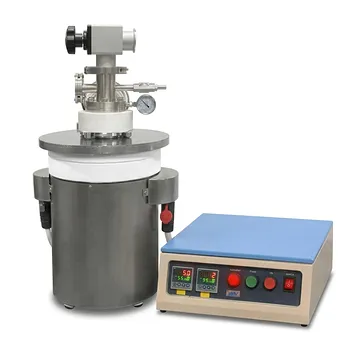
1100C High Temperature Vacuum Crucible Furnace with Quartz Chamber for Thermal Processing and Sintering
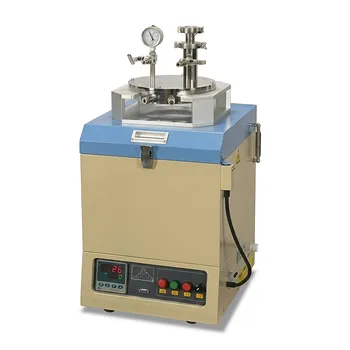
Vertical Vacuum Furnace 1100C High Temperature 8 Inch Quartz Chamber Water Cold Flange System
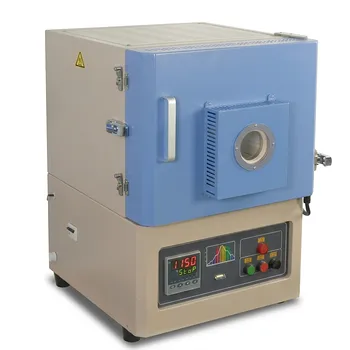
High Temperature Benchtop Muffle Furnace with Quartz Observation Window for Thermal Imaging and Material Analysis
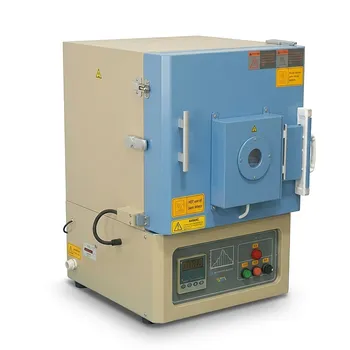
High Temperature Benchtop Muffle Furnace 1500C with 3.6L Chamber and Quartz Observation Window
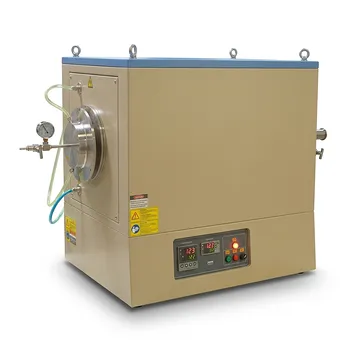
1100°C Large Diameter Quartz Tube Furnace with 24 Inch Heating Zone and Water Cooled Flanges
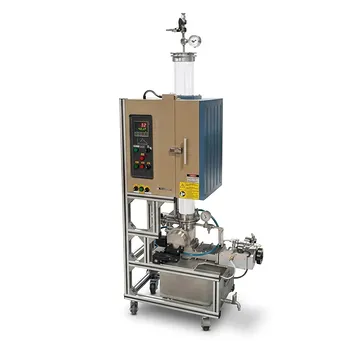
1200C High Temperature Atmosphere Controlled Vertical Quenching Tube Furnace with 4 Inch Quartz Tube

1200°C 5 Inch Vertical Quartz Tube Furnace with Stainless Steel Vacuum Flanges
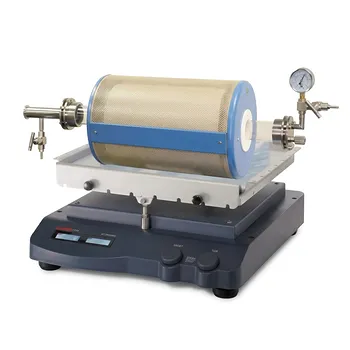
High Temperature Rocking Tube Furnace with Quartz Tube and Vacuum Flange for Materials Synthesis

High Temperature Automated 5 Inch Tube Furnace for Autonomous Material Research and Advanced Laboratory R&D
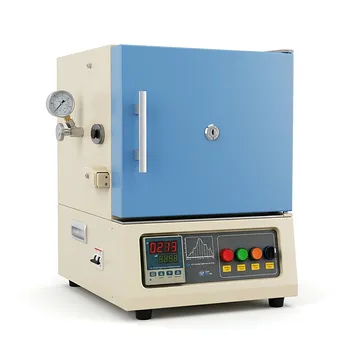
1200C Hybrid Muffle and Tube Furnace for Material Research with Dual Atmosphere Control Quartz Tubes
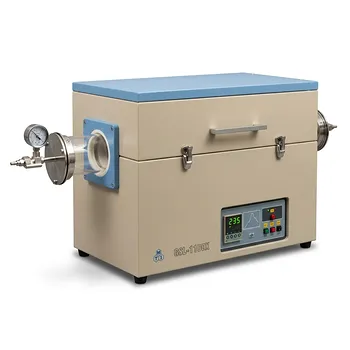
Single Zone Tube Furnace 5 Inch Quartz Tube 36 Inch Heating Zone Vacuum Flanges
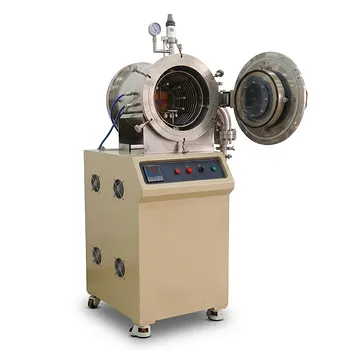
High Temperature Cold Wall High Vacuum Chamber Furnace 1400C for Advanced Material Processing
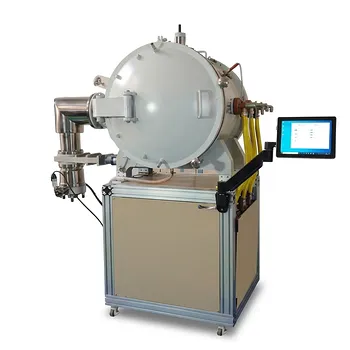
High Temperature Cold Wall Vacuum Furnace for Advanced Material Sintering and Annealing 1600C Heating Area 200x200x300mm
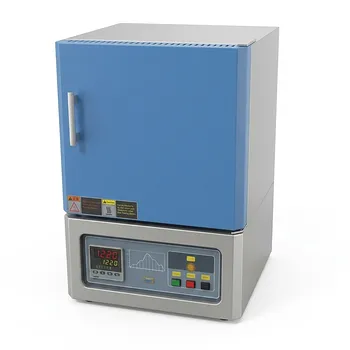
High Temperature Benchtop Muffle Furnace 1700C 10L Chamber Alumina Fiber Insulation MoSi2 Heating Elements

1750°C High Temperature Benchtop Vacuum Atmosphere Tube Furnace with Kanthal Super 1800 Heating Elements and 60mm Alumina Processing Tube
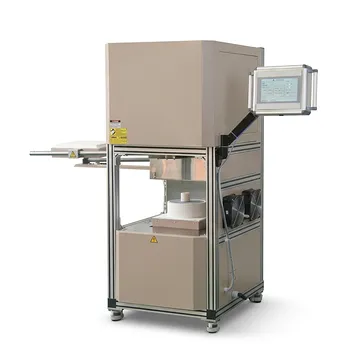
1600C High Temperature Automatic Bottom Loading Furnace for Thermal Shock Cycling and Material Fatigue Testing
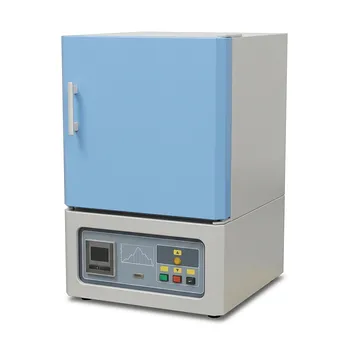
1800C Bench Top Muffle Furnace with Kanthal Super 1900 Heating Elements and 3.6L Alumina Fiber Chamber
