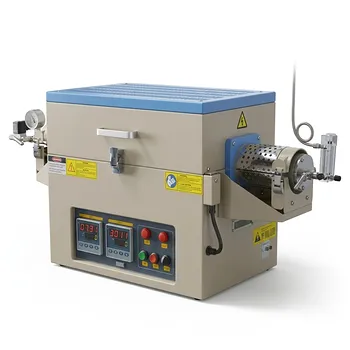
What role does a high-purity alumina tube play within the reaction core of a DTF? Ensuring Thermal & Chemical Purity
Updated 3 months ago
The high-purity alumina tube acts as the central reactor core of a Drop Tube Furnace (DTF), serving as the primary vessel where fuel devolatilization and combustion occur. It provides a stable, isothermal wall environment that is critical for the accurate calculation of particle residence times and temperature distributions. By maintaining structural integrity and chemical inertness at temperatures reaching 1673 K to 1773 K, the tube ensures that experimental results are not skewed by contamination or mechanical failure.
The alumina tube functions as a controlled, high-temperature reaction chamber that isolates the sample from external furnace components. Its core value lies in its ability to provide a chemically neutral and thermally stable environment, which is essential for producing reliable data on ash transformation and fuel behavior.
The Foundation of Thermal and Structural Integrity
Maintaining a Precise Isothermal Reaction Zone
The alumina tube works in tandem with external heating elements and aluminosilicate refractory linings to create a uniform temperature profile. This isothermal wall environment is vital for researchers who need to precisely calculate how long a particle remains in the furnace and the exact temperature it experiences. Without this stability, the resulting data on fuel devolatilization and char combustion would be mathematically unreliable.
High-Temperature Structural Stability
High-purity alumina (often referred to as corundum) is selected for its ability to maintain mechanical strength under extreme heat. While standard materials might warp or degrade, these tubes remain structurally sound at temperatures up to 1773 K. This stability allows the tube to serve as a reliable carrier for gas flow and a support structure for the furnace's internal components.
Optimizing Thermal Conductivity
Despite acting as a barrier, the alumina tube possesses excellent thermal conductivity. This allows for efficient heat transfer from the external heating elements to the internal reaction zone. This efficiency ensures that the internal atmosphere reaches the target temperature quickly and stays there, minimizing thermal lag during sensitive experiments.
Chemical Inertness and Sample Purity
Resistance to Volatile Ash and Alkali Metals
In biomass and coal research, fuels release volatile ash components such as alkali metals at temperatures between 1100 °C and 1300 °C. High-purity alumina is chemically inert and does not react with these aggressive species. This ensures that the collected residual ash and fine particulate matter (PM10) accurately represent the intrinsic characteristics of the fuel rather than a reaction with the furnace wall.
Preventing Cross-Contamination
The alumina tube acts as a physical shield between the reactants and the furnace's insulation or heating elements. This prevents cross-contamination from refractory materials, which is essential when analyzing the purity of bio-oil, bio-char, or multi-metal interfaces. By isolating the reaction, the tube guarantees that the chemical composition of the final product is a result of the process itself, not furnace impurities.
Facilitating Specific Chemical Environments
The tube serves as a sealed gas flow channel, allowing researchers to maintain a precisely defined atmosphere, such as specific oxygen pressures or O2/N2 mixtures. Its inert nature ensures that the tube does not consume the reactive gases or introduce byproduct gases into the stream. This level of control is necessary for studying specialized processes like pyrolysis or vertical growth of carbon nanotubes.
Understanding the Trade-offs
While high-purity alumina is the industry standard for DTFs, it is not without limitations that a technical advisor must consider. Its primary drawback is thermal shock sensitivity; rapid heating or cooling can lead to micro-cracking or catastrophic failure of the tube.
Furthermore, while it is more chemically resistant than quartz at extreme temperatures, it lacks the optical transparency of quartz. If your experiment requires visual monitoring or laser diagnostics of the particles in flight, the opaque nature of alumina becomes a significant constraint. Finally, at the highest end of the temperature spectrum (near 1800 K), even high-purity alumina can begin to soften, requiring careful support to prevent sagging.
Applying This Knowledge to Your Project
Guidelines for Component Selection
The choice of a reaction tube should be dictated by the specific temperature and chemical requirements of your fuel or material study.
- If your primary focus is biomass ash transformation: Use a high-purity corundum (alumina) tube to ensure alkali metals do not react with the tube walls.
- If your primary focus is visual particle tracking: Consider a high-purity quartz tube, provided your operating temperatures remain below 1373 K.
- If your primary focus is maximizing temperature for coal combustion: Select a thick-walled alumina tube rated for 1773 K and ensure a slow heating ramp to prevent thermal shock.
- If your primary focus is preventing metal interface contamination: Utilize alumina's inertness to prevent iron or copper from bonding with the furnace core.
By understanding the dual role of the alumina tube as both a thermal stabilizer and a chemical barrier, you can ensure the highest level of accuracy in your high-temperature reaction data.
Summary Table:
| Key Feature | Function & Benefit | Experimental Impact |
|---|---|---|
| Isothermal Zone | Maintains uniform temperature profile | Accurate particle residence time calculation |
| Chemical Inertness | Resists volatile ash and alkali metals | Prevents sample contamination and wall reactions |
| Structural Stability | Retains mechanical strength up to 1773 K | Reliable carrier for gas flow and internal components |
| Thermal Conductivity | Efficient heat transfer from heating elements | Ensures rapid and stable target temperatures |
Optimize Your Thermal Research with THERMUNITS
Enhance your material science and industrial R&D with THERMUNITS, a leading manufacturer of high-performance laboratory heat treatment equipment. We understand the critical role of high-purity components in achieving precise, repeatable results. Our comprehensive thermal processing solutions include:
- Furnaces: Tube, Muffle, Vacuum, Atmosphere, Rotary, and Hot Press models.
- Advanced Systems: CVD/PECVD systems, Vacuum Induction Melting (VIM), and electric rotary kilns.
- Specialized Equipment: Dental Furnaces, thermal elements, and custom high-purity alumina reactor components.
Whether you are analyzing fuel devolatilization or developing next-generation materials, our expert-engineered equipment provides the stability and purity your projects require.
Contact our technical team today to discuss your furnace requirements!
References
- Garikai T. Marangwanda, Daniel M. Madyira. Experimental investigation on the effect of blending bituminous coal with pinus sawdust on combustion performance parameters. DOI: 10.1016/j.heliyon.2024.e27287
Mentioned Products
- 1200C Sliding Tube Furnace for Rapid Thermal Processing and CVD Graphene Growth with 100mm OD Capacity
- 1250C Split Tube Furnace with 3 Inch Mullite Tube and Vacuum Sealing Flanges for Precision Thermal Processing
- Compact Vertical Split Quartz Tube Furnace with Stainless Steel Vacuum Flanges for Rapid Thermal Quenching and Controlled Atmosphere Material Processing
- 1200C Tube Furnace with Internal Magnetic Sample Sliding for Direct Vaporizing Deposition and Rapid Thermal Processing
- High Temperature 1700C Six Zone Split Tube Furnace with Alumina Tube and Water Cooled Flanges
People Also Ask
- Why is a Tube Furnace typically utilized for CVD? Achieve Precision in Graphene and 2D Material Synthesis
- CVD Tube Furnace Advantages for Pd-P Catalyst Durability: Precision Control for 40,000+ Cycles
- What is the function of CVD furnaces in graphene prep? Enhancing Photodetector Charge Transport
- Why use CVD and a tube furnace for Pd3P0.95/NC catalyst phosphidation? Ensure high phase purity and performance.
- How does a tube furnace system equipped with gas mass flow controllers facilitate the MCW process? Optimize Graphene Yield

Tech Team · ThermUnits
Last updated on Jun 03, 2026
Related Products
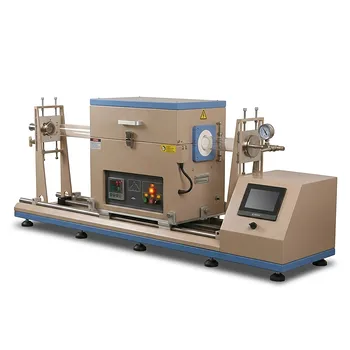
1200C Sliding Tube Furnace for Rapid Thermal Processing and CVD Graphene Growth with 100mm OD Capacity
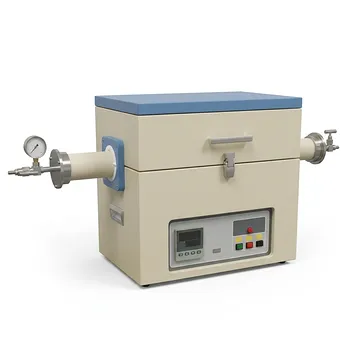
1250C Split Tube Furnace with 3 Inch Mullite Tube and Vacuum Sealing Flanges for Precision Thermal Processing

Compact Vertical Split Quartz Tube Furnace with Stainless Steel Vacuum Flanges for Rapid Thermal Quenching and Controlled Atmosphere Material Processing
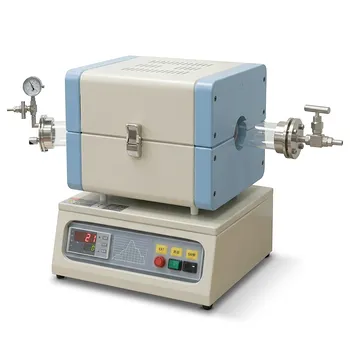
1200C Tube Furnace with Internal Magnetic Sample Sliding for Direct Vaporizing Deposition and Rapid Thermal Processing

High Temperature 1700C Six Zone Split Tube Furnace with Alumina Tube and Water Cooled Flanges
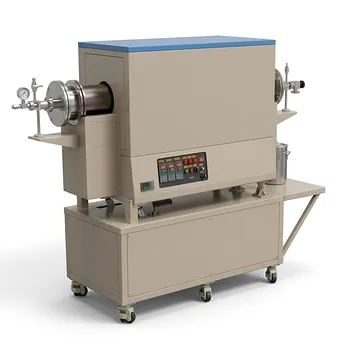
900°C Max Rotary Tube Furnace with 8 Inch 310S Alloy Tube and Optional Multi Zone Heating for Industrial Material Calcination

1100C Tube Furnace with Vacuum Flange and Programmable Temperature Controller for Material Science and Industrial Heat Treatment

Vertical 1700C Vacuum and Atmosphere Tube Furnace with 80mm Alumina Tube
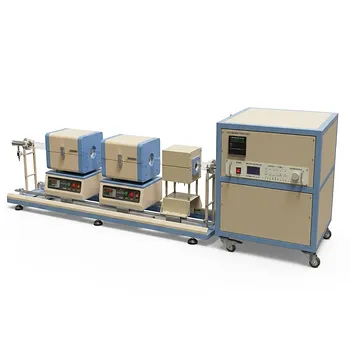
1200C Dual Sliding Tube Furnace with Dual Tubes and Flanges for PECVD Processes

1800C High Temperature Compact Vacuum Tube Furnace with 60mm OD Alumina Tube and Kanthal MoSi2 Heating Elements

1200°C 5 Inch Vertical Quartz Tube Furnace with Stainless Steel Vacuum Flanges

High Temperature 1700C Tube Furnace with High Vacuum Turbomolecular Pump System and Multi Channel Mass Flow Controller Gas Mixer

High Temperature 1700C Benchtop Tube Furnace with 5 Inch Heating Zone High Purity Alumina Tube and Vacuum Sealing Flanges

5 Inch Three Zone Rotary Tube Furnace with Integrated Gas Delivery System and 1200C Capability for Advanced Material CVD Processing
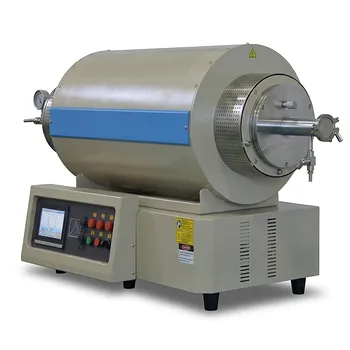
1200C Max Three Zone Tube Furnace 6 Inch OD Max with Tube and Flange
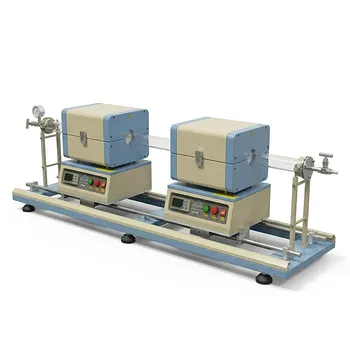
1200C Max Dual Sliding Tube Furnace with 50 mm Tube Flanges for CVD
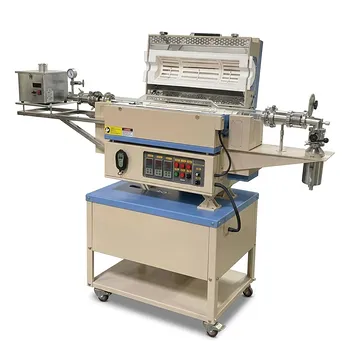
5 Inch Rotary Tube Furnace with Automatic Feeding and Receiving System 1200C Three Zone CVD Powder Processing
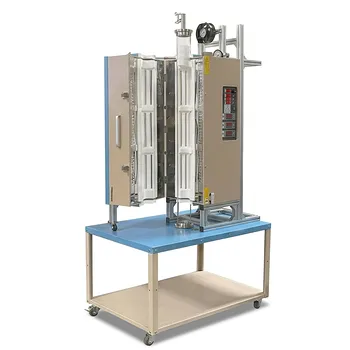
1200C Three Zone Split Vertical Tube Furnace 4 Inch Quartz Tube Stainless Steel Vacuum Flanges
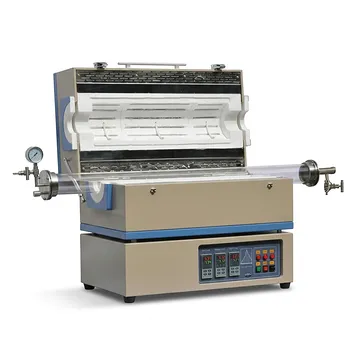
24 Inch Three Zone Split Tube Furnace with Optional Quartz Tube and Vacuum Flange System for High Temperature Material Synthesis