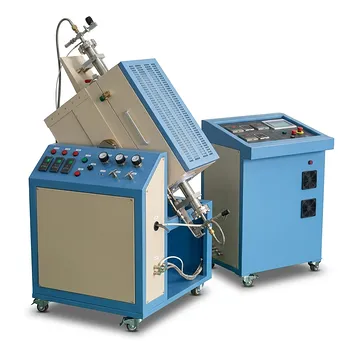
What role does a high-temperature tube furnace play in the carbonization process of lotus-root-like electrode materials?
Updated 3 months ago
In the synthesis of lotus-root-like electrode materials, a high-temperature tube furnace acts as the critical reactor for thermal decomposition and graphitization. Specifically, it provides a strictly controlled 1000 °C environment and a reducing atmosphere (such as hydrogen) to transform pre-oxidized fibers into highly conductive carbon nanofibers. This process ensures that metal oxides, like nickel oxide, anchor evenly onto the carbon substrate to form a stable, high-performance hybrid structure.
The high-temperature tube furnace is indispensable because it simultaneously manages chemical reduction, structural reorganization, and template removal. By precisely controlling heat and gas flow, it converts raw biomass or polymer precursors into a functional, porous carbon skeleton with high electrical conductivity.
Facilitating Structural and Chemical Transformation
Driving Graphitization and Conductivity
The furnace provides the high thermal energy—often reaching 1000 °C—required to trigger graphitization. During this stage, carbon chains within the precursor fibers are reorganized into a more ordered, crystalline structure. This transformation is essential for turning insulating organic materials into highly conductive carbon nanofibers capable of rapid electron transport.
Controlling the Reducing and Inert Atmosphere
A tube furnace allows for the introduction of specific gases, such as hydrogen or high-purity nitrogen, to create an oxygen-free environment. A reducing atmosphere prevents the carbon from combusting while facilitating the deoxygenation of the material. This precise atmospheric control is what allows nickel oxide to anchor evenly on the carbon substrate, ensuring the stability of the final electrode.
Managing Volatile Removal and Pore Development
As the temperature rises, the furnace facilitates dehydration, degassing, and pyrolysis. It enables the thermal decomposition of binders or hard templates (like polystyrene), which "burn off" as gases. This leave behind an interconnected macropore-mesopore structure that mimics the porous architecture of a lotus root, providing a high surface area for electrochemical reactions.
The Importance of Precise Process Control
Stable Gas Flow for Uniformity
The tube furnace ensures a stable gas flow, which is vital for uniform carbonization across the entire sample. Without this stability, the material could suffer from localized variations in conductivity or structural integrity. Uniformity is the key to creating a stable hybrid structure where the active material is distributed consistently throughout the carbon matrix.
Precise Heating Curves and Doping
By following specific programmed temperature increases, the furnace allows for the reorganization of carbon chains without destroying the desired morphology. This controlled environment also facilitates the effective doping of elements like nitrogen or boron into the carbon framework. These dopants create active sites that significantly enhance the material's electrocatalytic performance.
Understanding the Trade-offs
Thermal Stress and Cooling Rates
While high temperatures are necessary for graphitization, rapid heating or cooling can induce thermal stress. This stress can lead to cracks in the carbon skeleton or the detachment of anchored metal oxides. Achieving the perfect "lotus-root" structure requires a carefully balanced heating curve to maintain mechanical strength.
Atmosphere Sensitivity and Purity
The success of the carbonization depends heavily on the purity of the gas environment. Even trace amounts of oxygen can cause oxidative loss of the carbon fibers, reducing the overall yield and damaging the porous network. Maintaining a strictly airtight environment within the tube is a constant operational requirement.
Applying This Process to Your Material Goals
How to Apply This to Your Project
The specific settings of your tube furnace should be dictated by the intended application of your electrode material.
- If your primary focus is Maximum Conductivity: Prioritize higher temperatures (near 1000 °C) and longer dwell times to maximize the graphitization of the carbon nanofibers.
- If your primary focus is High Surface Area/Porosity: Focus on the precise thermal decomposition of templates at intermediate temperatures (700°C–800°C) to preserve the intricate "lotus-root" pore structure.
- If your primary focus is Stable Metal-Carbon Hybrids: Ensure a strictly controlled reducing atmosphere (H2) to facilitate the even anchoring of metal oxides onto the carbon substrate.
By mastering the thermal and atmospheric variables of the tube furnace, you can precisely engineer the electrochemical properties of your lotus-root-like electrode materials.
Summary Table:
| Process Step | Furnace Role | Key Outcome |
|---|---|---|
| Graphitization | Provides 1000°C thermal energy | Transforms fibers into conductive nanofibers |
| Atmosphere Control | Manages H2/N2 reducing environments | Anchors metal oxides & prevents combustion |
| Pore Development | Thermal decomposition of templates | Creates a porous, high-surface-area structure |
| Process Control | Precise heating & gas flow | Ensures structural integrity and uniform doping |
Elevate Your Material Research with THERMUNITS
Precision is the key to mastering the carbonization of complex electrode structures. THERMUNITS is a leading manufacturer of high-performance laboratory equipment, providing the advanced thermal processing solutions required for cutting-edge material science.
Whether you are developing lotus-root-like carbon skeletons or advanced hybrid composites, our range of Tube, Vacuum, Atmosphere, and CVD/PECVD furnaces offers the precise temperature and atmospheric control your R&D demands. We also specialize in Rotary, Hot Press, and Dental furnaces, as well as Vacuum Induction Melting (VIM) systems.
Ready to optimize your heat treatment results? Contact our engineering team today to find the perfect thermal solution for your lab and achieve superior material performance.
References
- Juhyeong Kim, Yoonkook Son. Lotus Root Type Nickel Oxide-Carbon Nanofibers: A Hybrid Supercapacitor Electrode Material. DOI: 10.3390/app14072977
Mentioned Products
- High Temperature Tube Furnace 1500C with Sliding Flanges and 50mm OD for Rapid Thermal Processing Fast Heating and Cooling
- High Temperature 1700C Tube Furnace with High Vacuum Turbomolecular Pump System and Multi Channel Mass Flow Controller Gas Mixer
- 1750°C High Temperature Benchtop Vacuum Atmosphere Tube Furnace with Kanthal Super 1800 Heating Elements and 60mm Alumina Processing Tube
- High Temperature 1700C Benchtop Tube Furnace with 5 Inch Heating Zone High Purity Alumina Tube and Vacuum Sealing Flanges
- 1700C High Temperature Alumina Tube Furnace with 18 Inch Heated Zone and Vacuum Sealing Flanges
People Also Ask
- How are high-temperature tube furnaces utilized to repair etching damage? Precision Lattice Restoration Solutions
- What core conditions does a high-temperature tube furnace provide for rGO aerogels? Mastering Precision Synthesis.
- What role does a high-temperature tube furnace play in CVD synthesis of silicon nanowires? Master VLS Growth Precision.
- How does precision tube furnace control influence CoFe nanoparticle formation? Master Your Bimetallic Synthesis.
- What role does a high-temperature tube furnace play in the sulfidation heat treatment of CoS@C/MXene nanocomposites? Guide

Tech Team · ThermUnits
Last updated on Jun 03, 2026
Related Products

High Temperature Tube Furnace 1500C with Sliding Flanges and 50mm OD for Rapid Thermal Processing Fast Heating and Cooling

High Temperature 1700C Tube Furnace with High Vacuum Turbomolecular Pump System and Multi Channel Mass Flow Controller Gas Mixer

1750°C High Temperature Benchtop Vacuum Atmosphere Tube Furnace with Kanthal Super 1800 Heating Elements and 60mm Alumina Processing Tube

High Temperature 1700C Benchtop Tube Furnace with 5 Inch Heating Zone High Purity Alumina Tube and Vacuum Sealing Flanges
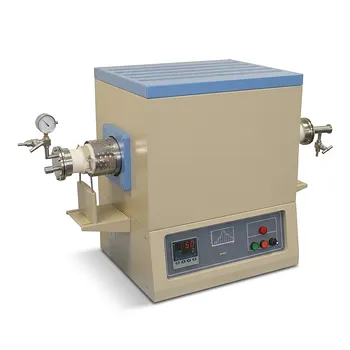
1700C High Temperature Alumina Tube Furnace with 18 Inch Heated Zone and Vacuum Sealing Flanges
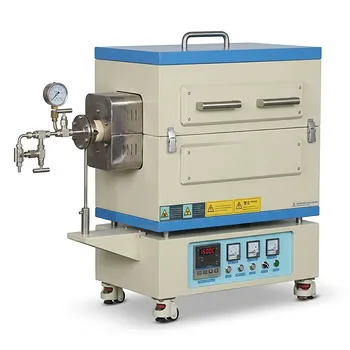
High Temperature Split Tube Furnace 1500C for Material Research Vacuum and Atmosphere Thermal Processing

1800C High Temperature Compact Vacuum Tube Furnace with 60mm OD Alumina Tube and Kanthal MoSi2 Heating Elements

Compact High Temperature 1600C Tube Furnace with 50mm Alumina Tube and Vacuum Flanges for Material Sintering
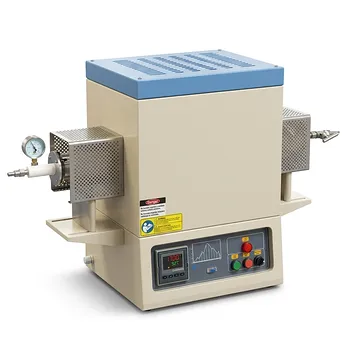
High Temperature Three Zone Tube Furnace 1700C with Alumina Tube and Water Cooled Flanges
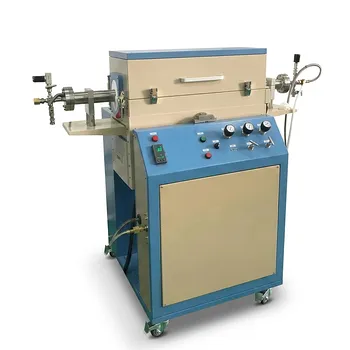
High Temperature Rocking Tube Furnace 1700°C Alumina Processing Tube with Precision Oscillation for Material Synthesis
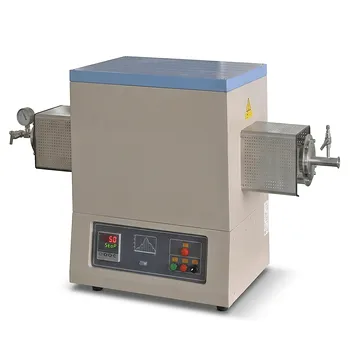
High Temperature 1700C Tube Furnace with 4 Inch OD Alumina Tube and Vacuum Sealing Flanges

High Temperature 1700C Vertical Tube Furnace for Powder Spherification and Material Sintering
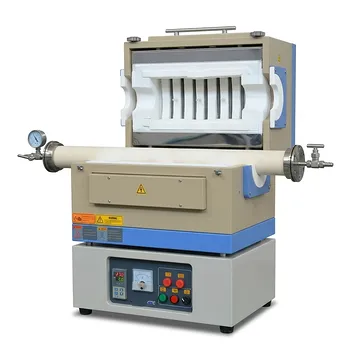
High Temperature 1600C Split Tube Furnace Vacuum Flanges Valves Optional 60mm 80mm Alumina Tube

High Temperature Automated 5 Inch Tube Furnace for Autonomous Material Research and Advanced Laboratory R&D

High Temperature 1700C Six Zone Split Tube Furnace with Alumina Tube and Water Cooled Flanges
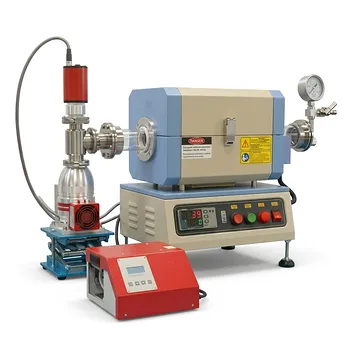
High Vacuum Compact Tube Furnace 1200C with Integrated Turbo Pump System and 8 Inch Heating Zone
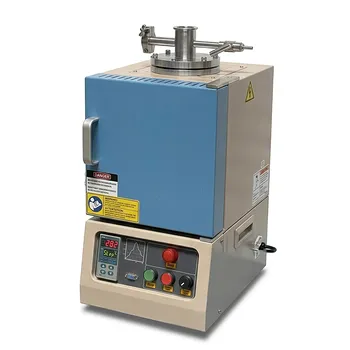
High Temperature Hybrid Muffle and Tube Furnace with Vacuum Capability and PID Control
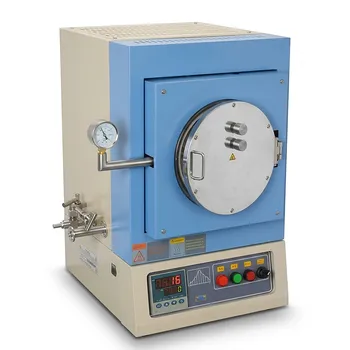
1100°C High Temperature Quartz Chamber Furnace 8 Inch OD with 7.6 Liter Capacity and Vacuum Atmosphere Capability

1100C Tube Furnace with Vacuum Flange and Programmable Temperature Controller for Material Science and Industrial Heat Treatment