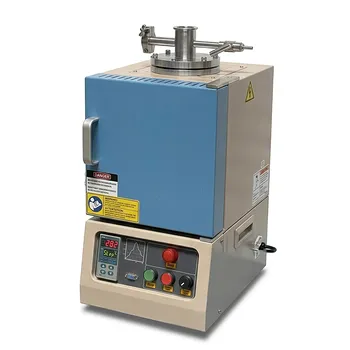
What role does a high-temperature tube furnace play in the Polymer Derived Ceramics (PDC) process? Pyrolysis Explained
Updated 3 months ago
In the Polymer Derived Ceramics (PDC) process, a high-temperature tube furnace serves as the reactor for the critical "precursor pyrolysis" stage. It provides the controlled thermal and atmospheric environment required to transform a cured polymer matrix into a stable ceramic phase, such as silicon oxycarbide (SiOC), through molecular chain breaking and recombination.
The high-temperature tube furnace is the essential "bridge" that converts organic precursors into inorganic ceramics. By precisely managing heat and atmosphere, it ensures the chemical evolution of the material while protecting its structural integrity from oxidation or defects.
Facilitating Molecular Transformation through Pyrolysis
The Mechanism of Precursor Conversion
The primary role of the furnace is to heat the polymer matrix to temperatures where organic bonds break and reorganize. This process, known as pyrolysis, allows the material to shed volatile components and transition into a solid ceramic structure.
Precise Temperature Control Profiles
The furnace must follow specific heating curves to manage the rate of transformation. If the temperature rises too quickly, the rapid escape of gases can lead to structural failure or unwanted porosity.
Achieving High-Temperature Stability
Modern tube furnaces can reach temperatures upwards of 1600°C. This capability is necessary to ensure the final ceramic product achieves the high degree of densification and phase stability required for industrial applications.
Critical Atmospheric Management
The Necessity of Inert Environments
During the PDC process, materials are highly susceptible to oxidation. The tube furnace utilizes superior sealing and gas flow controls to introduce inert gases like Argon or Nitrogen, which exclude oxygen from the reaction zone.
Preventing Material Degradation
Exposure to oxygen at high temperatures can lead to the oxidative combustion of the polymer or the degradation of reinforcing fibers. A vacuum-tight tube ensures that the chemical vapor environment remains pure, preserving the intended material properties.
Controlled Removal of Non-Carbon Components
In processes like carbonization or debinding, the furnace maintains a steady flow of gas to carry away non-carbon elements. This flow is vital for forming heteroatom-rich frameworks or nitrogen-doped conductive networks.
Managing Complex Thermal Kinetics
The Thermal Debinding Stage
Before full pyrolysis, the tube furnace manages the debinding phase. This involves a staged heating program that allows resins, dispersants, and photoinitiators to decompose and exit the "green body" slowly without causing cracks.
Controlling Graphitization and Conductivity
For specialized ceramics, the heating rate—often as precise as 5°C to 10°C per minute—determines the final electrical and thermal properties. This precision dictates the carrier concentration and the efficiency of the resulting carbonized product.
Ensuring Uniform Heat Distribution
The design of the tube furnace provides a constant temperature zone. This ensures that the entire precursor sample undergoes uniform chemical changes, preventing "soft spots" or internal stress gradients.
Understanding the Trade-offs and Pitfalls
The Risk of Rapid Outgassing
If the heating rate is not strictly controlled, the decomposition of polymers can release gases faster than they can diffuse through the material. This often results in bloating, internal pores, or catastrophic cracking of the ceramic part.
Sensitivity to Sealing Integrity
Even a minor leak in the furnace seals can introduce trace amounts of oxygen. This can lead to the formation of unintended silicon oxides or the premature burning of the organic framework, ruining the batch.
Equipment Limitations at Extreme Temps
Operating at the upper limits of a furnace's temperature range can accelerate the wear of the heating elements and the process tube. Users must balance the need for high-temperature densification with the long-term maintenance costs of the equipment.
How to Apply This to Your Project
When utilizing a high-temperature tube furnace for PDC, your strategy should shift based on your final material requirements:
- If your primary focus is structural integrity: Prioritize a slow, staged heating profile (less than 5°C/min) and high-purity Argon to minimize internal stresses and avoid oxidation.
- If your primary focus is electrical conductivity: Target higher pyrolysis temperatures (above 800°C) and use Nitrogen-rich atmospheres to promote the formation of conductive carbon frameworks.
- If your primary focus is complex geometry: Focus on the debinding stage with extended "soak times" at lower temperatures to ensure all organic binders are removed before the final ceramic transformation.
The tube furnace is the definitive tool for mastering the transition from polymer chemistry to ceramic engineering.
Summary Table:
| Stage/Feature | Role in PDC Process | Critical Control Parameter |
|---|---|---|
| Precursor Pyrolysis | Converts organic polymers to stable inorganic ceramics | Precise heating curves (5-10°C/min) |
| Atmospheric Management | Prevents oxidation and material degradation | High-purity inert gas (Argon/Nitrogen) |
| Thermal Debinding | Gradually removes binders to prevent structural cracks | Staged heating and extended soak times |
| Heat Distribution | Ensures uniform chemical transformation and densification | Constant temperature zone stability |
| Graphitization | Dictates final electrical and thermal conductivity | High-temperature stability (up to 1600°C+) |
Elevate Your Material Research with THERMUNITS
Precision is the difference between a high-performance ceramic and a failed batch. THERMUNITS is a leading manufacturer specializing in high-temperature laboratory equipment designed for the rigorous demands of material science and industrial R&D.
Whether you are mastering the PDC process, exploring CVD/PECVD applications, or requiring advanced Vacuum, Atmosphere, or Tube furnaces, our equipment provides the thermal stability and atmospheric purity your project deserves. Our comprehensive range includes:
- Furnaces: Muffle, Vacuum, Tube, Rotary, Hot Press, and Dental Furnaces.
- Advanced Systems: CVD/PECVD setups and Vacuum Induction Melting (VIM) furnaces.
- Specialized Tools: Electric rotary kilns and high-quality Thermal Elements.
Ready to optimize your heat treatment workflow? Contact our technical experts today to find the perfect thermal processing solution for your laboratory.
References
- Jayanta Bhusan Deb, Chiranjit Maiti. Machine Learning Approaches for Predicting the Ablation Performance of Ceramic Matrix Composites. DOI: 10.3390/jcs8030096
Mentioned Products
- High Temperature 1700C Vertical Tube Furnace for Powder Spherification and Material Sintering
- High Temperature Tube Furnace 1500C with Sliding Flanges and 50mm OD for Rapid Thermal Processing Fast Heating and Cooling
- Compact High Temperature 1600C Tube Furnace with 50mm Alumina Tube and Vacuum Flanges for Material Sintering
- High Temperature 1700C Tube Furnace with High Vacuum Turbomolecular Pump System and Multi Channel Mass Flow Controller Gas Mixer
- 1750C Compact Muffle Furnace 1.7L Ultra High Temperature Laboratory Sintering System for Advanced Ceramics and Material Science Research
People Also Ask
- What role does a high-temperature vertical tube furnace play in simulating high-carbon ferromanganese slag formation?
- What functions does a vertical high-temperature tube furnace perform? Master Industrial Sintering & R&D Simulation
- What is the primary function of a high-temperature tube furnace in Cu1-N-C synthesis? Precision Thermal Control.
- High-Temp Tube Furnace Role in Converting Microbial Proteins to Iron Single-Atom Sites: Expert Synthesis Guide
- What impact does the heating rate of a tube furnace have on biochar microstructure? Optimize Your Material R&D.

Tech Team · ThermUnits
Last updated on Jun 02, 2026
Related Products

High Temperature 1700C Vertical Tube Furnace for Powder Spherification and Material Sintering
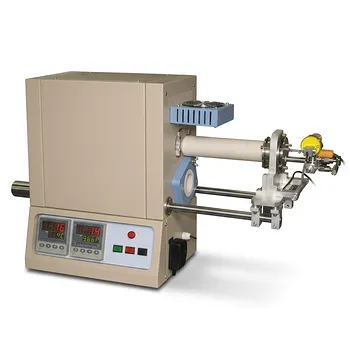
High Temperature Tube Furnace 1500C with Sliding Flanges and 50mm OD for Rapid Thermal Processing Fast Heating and Cooling

Compact High Temperature 1600C Tube Furnace with 50mm Alumina Tube and Vacuum Flanges for Material Sintering

High Temperature 1700C Tube Furnace with High Vacuum Turbomolecular Pump System and Multi Channel Mass Flow Controller Gas Mixer
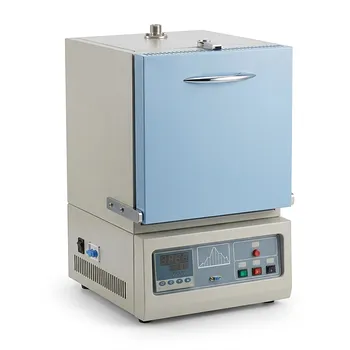
1750C Compact Muffle Furnace 1.7L Ultra High Temperature Laboratory Sintering System for Advanced Ceramics and Material Science Research
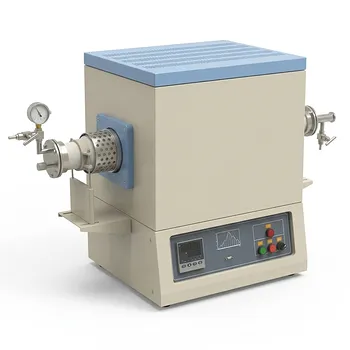
1750°C High Temperature Benchtop Vacuum Atmosphere Tube Furnace with Kanthal Super 1800 Heating Elements and 60mm Alumina Processing Tube
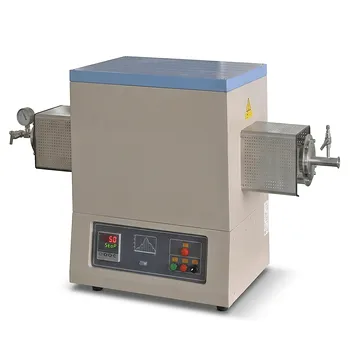
High Temperature 1700C Tube Furnace with 4 Inch OD Alumina Tube and Vacuum Sealing Flanges
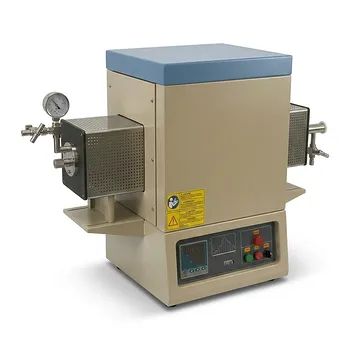
High Temperature 1700C Benchtop Tube Furnace with 5 Inch Heating Zone High Purity Alumina Tube and Vacuum Sealing Flanges

1800C High Temperature Compact Vacuum Tube Furnace with 60mm OD Alumina Tube and Kanthal MoSi2 Heating Elements
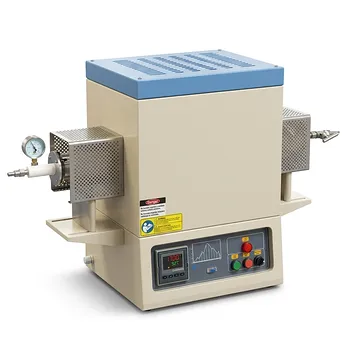
High Temperature Three Zone Tube Furnace 1700C with Alumina Tube and Water Cooled Flanges
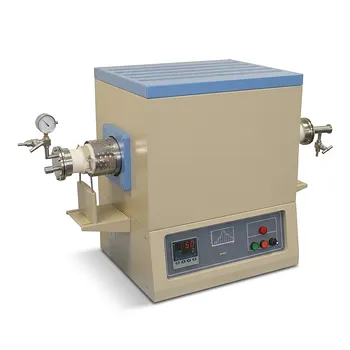
1700C High Temperature Alumina Tube Furnace with 18 Inch Heated Zone and Vacuum Sealing Flanges
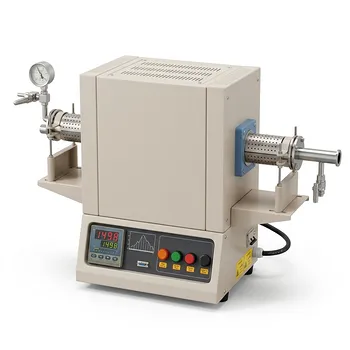
1500C High Temperature Compact Tube Furnace 2 Inch OD with Vacuum Flanges and Complete Accessories
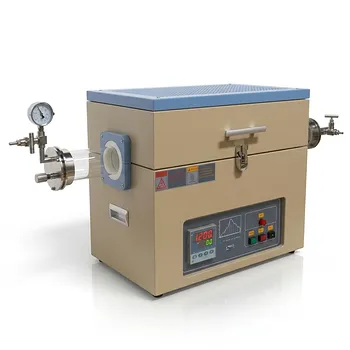
High Temperature 1200C Split Tube Furnace with Optional Quartz Tube Sizes and Vacuum Sealing Flanges for Material Science Research
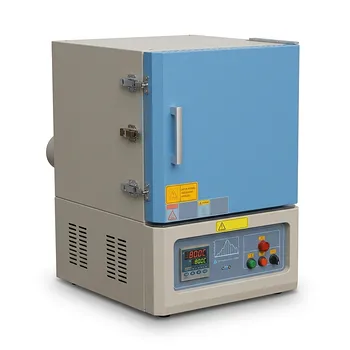
1800C Bench Top Muffle Furnace 18 Liters with Kanthal Super 1900 Heating Elements for High Purity Ceramic Sintering and Material Research

High Temperature Automated 5 Inch Tube Furnace for Autonomous Material Research and Advanced Laboratory R&D
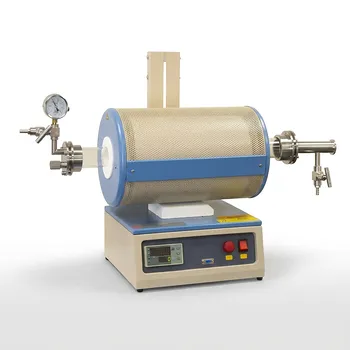
1100C Tube Furnace with Vacuum Flange and Programmable Temperature Controller for Material Science and Industrial Heat Treatment
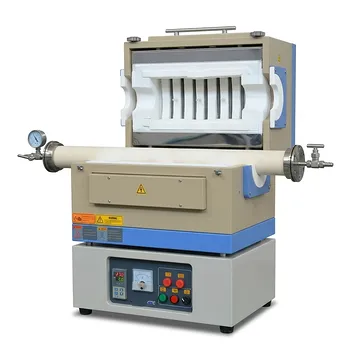
High Temperature 1600C Split Tube Furnace Vacuum Flanges Valves Optional 60mm 80mm Alumina Tube
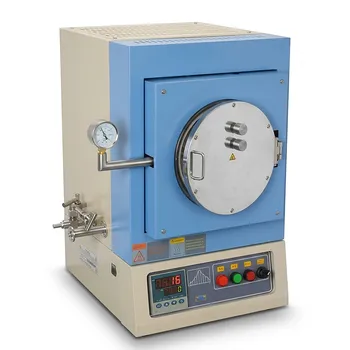
1100°C High Temperature Quartz Chamber Furnace 8 Inch OD with 7.6 Liter Capacity and Vacuum Atmosphere Capability
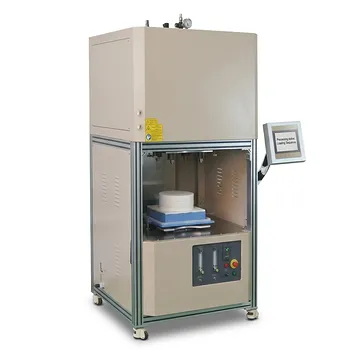
High Temperature Vertical Atmosphere Controlled Furnace with Automatic Bottom Loading and 1700°C Capacity for Advanced Material Research