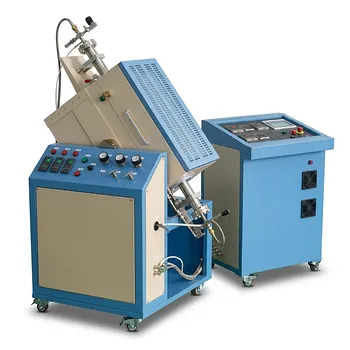
What role does a high-temperature tube furnace with nitrogen flow play in the preparation of Ni/N/C materials? Key Role
Updated 6 months ago
The high-temperature tube furnace serves as the reactive environment where thermal energy and chemical inertness converge to transform precursors into functional catalysts. Specifically, the furnace provides the precise thermal control (typically up to 900°C) required for carbonization, while the continuous nitrogen flow prevents oxidative combustion of the organic precursors. This dual role allows for the synthesis of a nitrogen-doped carbon matrix that effectively anchors nickel atoms, ensuring high electrical conductivity and a tailored pore structure.
Core Takeaway: A high-temperature tube furnace with nitrogen flow is the essential reactor for pyrolysis, enabling the controlled conversion of organic precursors into stable, nitrogen-doped carbon frameworks while preventing material loss through oxidation.
The Foundation of Thermal Transformation
Precise High-Temperature Control
The furnace provides a stable thermal environment necessary to reach the activation energy for pyrolysis. Temperatures typically ranging from 700°C to 900°C ensure that organic ligands or precursors, such as chitosan or metal-organic frameworks (MOFs), undergo deep carbonization.
Maintaining a Strict Inert Atmosphere
The continuous flow of nitrogen (N₂) is critical to exclude oxygen from the reaction chamber. Without this protective environment, the carbon skeleton would undergo oxidative combustion, resulting in the total loss of the material rather than its transformation into a carbon matrix.
Facilitating the Pyrolysis Reaction
The heat provided by the furnace triggers the thermal decomposition of precursors in a low-oxygen environment. This process converts complex organic molecules into a conductive carbon framework, which is the structural backbone of Ni/N/C materials.
Structuring the Ni/N/C Framework
Nitrogen Doping and Metal Anchoring
During the carbonization process, nitrogen atoms from the precursor are integrated into the emerging carbon lattice. This nitrogen doping creates specific coordination sites that "anchor" nickel atoms, preventing them from aggregating and ensuring they remain active for catalytic processes.
Development of Porous Architecture
The furnace environment facilitates the creation of a hierarchical pore structure, comprising micropores and mesopores. In some precursor systems, the high heat also causes volatile components (like zinc) to evaporate, leaving behind a highly developed surface area that improves mass transfer.
Enhancing Electrical Conductivity
High-temperature treatment promotes a higher degree of graphitization within the carbon material. This structural refinement is essential for ensuring the final Ni/N/C material has the electrical conductivity required for electrochemical applications.
Understanding the Trade-offs
Temperature Sensitivity
Selecting the correct temperature is a delicate balance; temperatures that are too low may result in incomplete carbonization and poor conductivity. Conversely, excessively high temperatures can lead to the collapse of the pore structure or the unwanted sintering of nickel particles, which reduces the active surface area.
Atmospheric Purity and Flow Rates
The effectiveness of the nitrogen flow depends on both the purity of the gas and the consistency of the flow rate. If the purge rate is insufficient, trace oxygen may still cause partial oxidation, leading to "ash" formation and inconsistent material properties across different batches.
Heating and Cooling Gradients
Rapid temperature changes can induce structural stresses in the carbon matrix. Precise control over the ramp rate (the speed at which the furnace heats up or cools down) is necessary to maintain the integrity of the nitrogen-doped framework and ensure uniform metal distribution.
How to Apply This to Your Project
Recommendations for Material Synthesis
- If your primary focus is maximizing surface area: Utilize higher temperatures (near 900°C-1000°C) to encourage the evaporation of sacrificial templates or volatile metals like zinc, which creates a richer pore network.
- If your primary focus is nitrogen retention: Maintain the furnace at a moderate temperature range (700°C-800°C), as extreme heat can sometimes drive nitrogen out of the carbon lattice, reducing the density of active sites.
- If your primary focus is high conductivity: Prioritize longer dwell times at higher temperatures to increase the degree of graphitization within the carbon framework.
- If your primary focus is preventing nickel aggregation: Ensure a steady, high-purity nitrogen flow and a controlled heating ramp to facilitate the gradual anchoring of nickel into nitrogen-doped sites.
Mastering the synergy between thermal energy and atmospheric control is the definitive step in engineering high-performance Ni/N/C materials.
Summary Table:
| Function | Key Mechanism | Material Outcome |
|---|---|---|
| Thermal Control | Controlled Pyrolysis | Optimal Graphitization & Conductivity |
| Nitrogen Flow | Inert Shielding | Prevents Oxidative Combustion |
| Metal Anchoring | Nitrogen Doping | Stable Ni Active Sites |
| Pore Engineering | Volatilization | High Surface Area Architecture |
Achieve Precision in Material Synthesis with THERMUNITS
THERMUNITS is a leading manufacturer of high-temperature laboratory equipment for material science and industrial R&D. We offer a comprehensive range of thermal processing solutions, including Tube, Muffle, Vacuum, Atmosphere, Rotary, and Hot Press furnaces, alongside CVD/PECVD systems and specialized heat treatment equipment.
Our advanced tube furnaces provide the stable thermal environments and strict atmospheric control essential for the preparation of high-performance catalysts like Ni/N/C materials.
Enhance your lab's efficiency and research outcomes—Contact us today to find the ideal thermal solution for your project!
References
- Elfirza Zain, Saepurahman Saepurahman. STUDY ON THE UTILIZATION OF TIO2/NISE/N/C FOR CR(VI) PHOTOREDUCTION. DOI: 10.11113/aej.v14.21314
Mentioned Products
- High Temperature Rotary Tube Furnace with Integrated Ball Milling and Gas Flow Function for Powder Nitriding
- High Temperature 1700C Tube Furnace with High Vacuum Turbomolecular Pump System and Multi Channel Mass Flow Controller Gas Mixer
- High Temperature Tube Furnace 1500C with Sliding Flanges and 50mm OD for Rapid Thermal Processing Fast Heating and Cooling
- High Temperature Split Tube Furnace 1500C for Material Research Vacuum and Atmosphere Thermal Processing
- 1750°C High Temperature Benchtop Vacuum Atmosphere Tube Furnace with Kanthal Super 1800 Heating Elements and 60mm Alumina Processing Tube
People Also Ask
- How does a rotary tube furnace improve the processing of granular materials? Enhance Uniformity and Reaction Kinetics
- Why use a rotary tube furnace for FACS carbonization? Ensure uniform morphology and prevent sphere agglomeration.
- Why is the precise optimization of residence time essential in the catalyst calcination process? Maximize Your Yields.
- In what ways do rotary tube furnaces enhance chemical and specialty mineral processing? Drive Precision and Uniformity.
- What are the typical operating temperature ranges and mechanical specifications for rotary furnaces? A Complete Guide

Tech Team · ThermUnits
Last updated on Apr 14, 2026
Related Products
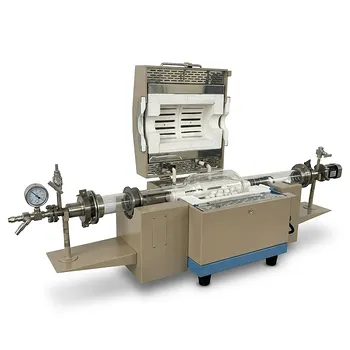
High Temperature Rotary Tube Furnace with Integrated Ball Milling and Gas Flow Function for Powder Nitriding
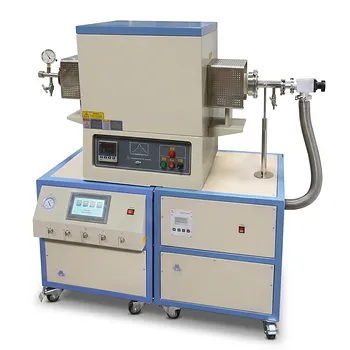
High Temperature 1700C Tube Furnace with High Vacuum Turbomolecular Pump System and Multi Channel Mass Flow Controller Gas Mixer
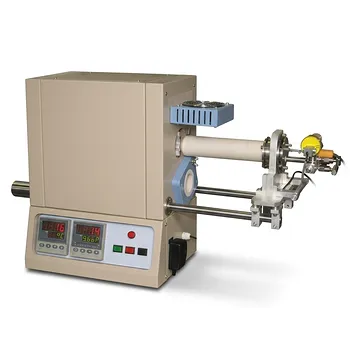
High Temperature Tube Furnace 1500C with Sliding Flanges and 50mm OD for Rapid Thermal Processing Fast Heating and Cooling
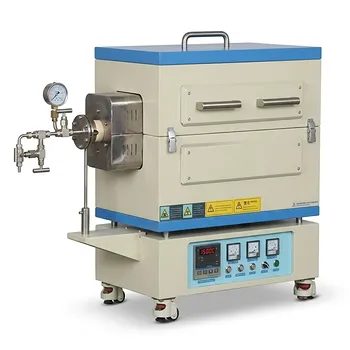
High Temperature Split Tube Furnace 1500C for Material Research Vacuum and Atmosphere Thermal Processing
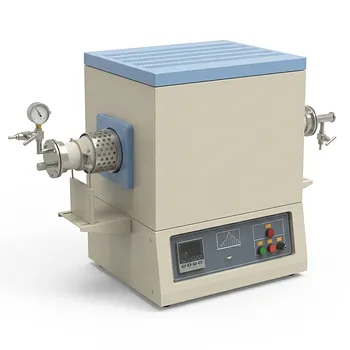
1750°C High Temperature Benchtop Vacuum Atmosphere Tube Furnace with Kanthal Super 1800 Heating Elements and 60mm Alumina Processing Tube
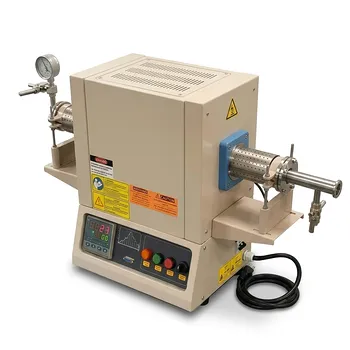
Compact High Temperature 1600C Tube Furnace with 50mm Alumina Tube and Vacuum Flanges for Material Sintering
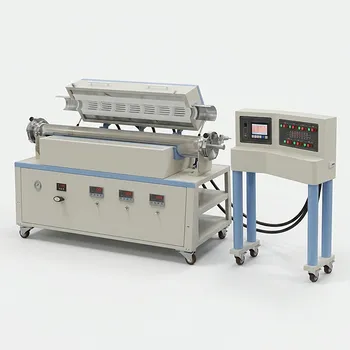
1100C Eight Zone High Pressure Super Alloy Tube Furnace with Integrated High Pressure Gas Control System
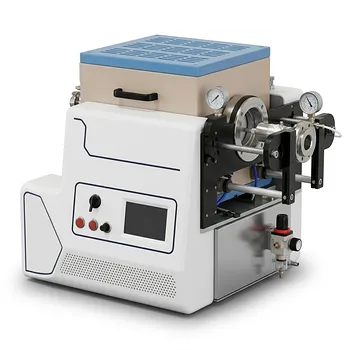
High Temperature Automated 5 Inch Tube Furnace for Autonomous Material Research and Advanced Laboratory R&D
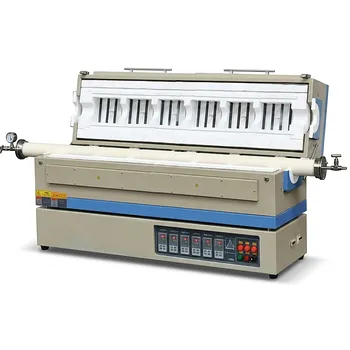
High Temperature 1700C Six Zone Split Tube Furnace with Alumina Tube and Water Cooled Flanges
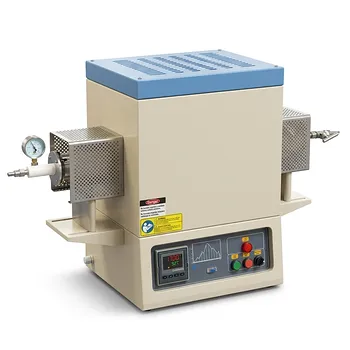
High Temperature Three Zone Tube Furnace 1700C with Alumina Tube and Water Cooled Flanges
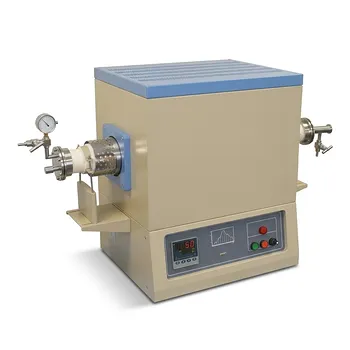
1700C High Temperature Alumina Tube Furnace with 18 Inch Heated Zone and Vacuum Sealing Flanges
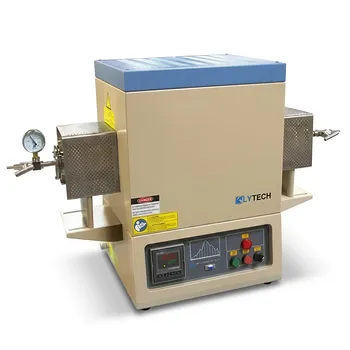
1800C High Temperature Compact Vacuum Tube Furnace with 60mm OD Alumina Tube and Kanthal MoSi2 Heating Elements
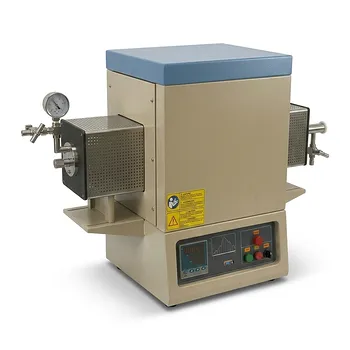
High Temperature 1700C Benchtop Tube Furnace with 5 Inch Heating Zone High Purity Alumina Tube and Vacuum Sealing Flanges
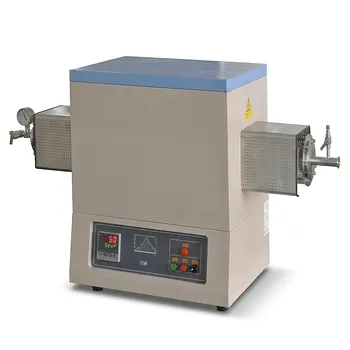
High Temperature 1700C Tube Furnace with 4 Inch OD Alumina Tube and Vacuum Sealing Flanges
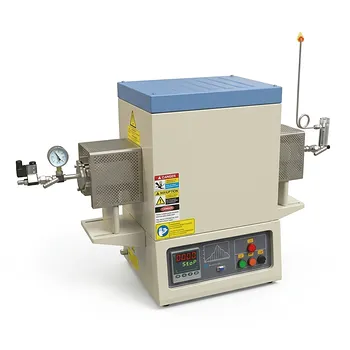
1700C Hydrogen Gas Tube Furnace with 60mm Alumina Process Tube and Integrated Hydrogen Safety Detector
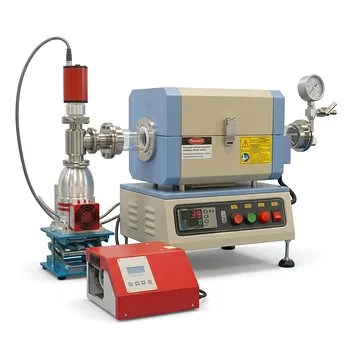
High Vacuum Compact Tube Furnace 1200C with Integrated Turbo Pump System and 8 Inch Heating Zone
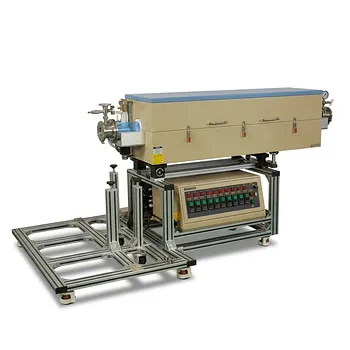
Ten Zone Multi Orientation Laboratory Tube Furnace for 1200C High Temperature Gradient Thermal Processing
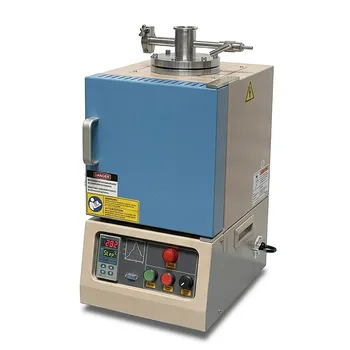
High Temperature Hybrid Muffle and Tube Furnace with Vacuum Capability and PID Control
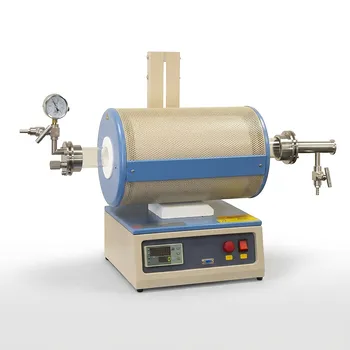
1100C Tube Furnace with Vacuum Flange and Programmable Temperature Controller for Material Science and Industrial Heat Treatment