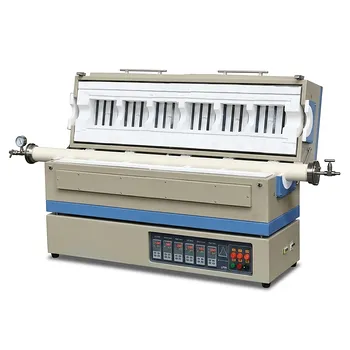
What role does a tube furnace play in R2R CNT growth? Powering Continuous Chemical Vapor Deposition
Updated 6 months ago
In the roll-to-roll (R2R) production of carbon nanotubes, the laboratory tube furnace serves as the central reactor that facilitates continuous Chemical Vapor Deposition (CVD). It provides the precise high-temperature environment and axial temperature gradients necessary for a moving substrate, such as a stainless steel wire or metal foil, to undergo a sequence of thermodynamic stages. These stages include thermal reorganization of the surface, adsorption of carbon sources, and the vertical growth of the nanotube structure as the material passes through the heating zone.
The tube furnace acts as a dynamic thermal reactor that synchronizes temperature, atmosphere, and substrate movement to enable the continuous transformation of raw precursors into organized carbon nanotube arrays.
Facilitating the Chemical Vapor Deposition (CVD) Process
Establishing the High-Temperature Reaction Zone
The tube furnace maintains the critical temperatures required for CVD, typically ranging from 600°C to 1000°C depending on the specific carbon source used. This heat provides the energy necessary for the catalytic cracking of gases like methane or ethanol, breaking them down into reactive carbon atoms.
Managing the Axial Temperature Gradient
In R2R systems, the furnace is designed to create a specific temperature profile along its length. As the substrate moves through the tube, it encounters different thermal stages that govern thermal reorganization and the subsequent precipitation of the nanotube structure.
Enabling Continuous Vertical Growth
By providing a stable thermal field, the furnace ensures that carbon atoms diffuse into catalyst particles at a consistent rate. This stability is what allows nanotubes to grow vertically and uniformly across the entire length of a moving wire or foil substrate.
Atmospheric Control and Catalyst Activation
Providing an Inert Protective Environment
The furnace chamber is used to maintain a strict inert atmosphere, often using nitrogen or argon. This is vital to prevent the oxidation of the carbon nanotubes and the metal substrate at high temperatures, which would otherwise degrade the material's structural integrity.
Supporting Catalyst Precursor Transformation
Before growth begins, the furnace facilitates the thermal decomposition of catalyst precursors, such as cobalt nitrate. By heating these materials to specific temperatures (e.g., 550°C), the furnace converts them into active metal oxide nanoparticles anchored to the substrate.
Promoting Carbonization and Graphitization
In the later stages of the process, the furnace manages the rearrangement of carbon atoms into a highly conductive, graphitic structure. This transformation is essential for creating nanotubes with high strength and superior electrical properties.
Understanding the Trade-offs
Thermal Uniformity vs. Processing Speed
Increasing the speed of the roll-to-roll substrate can improve throughput but may lead to insufficient residence time within the optimal heating zone. If the substrate moves too quickly, the carbon nanotubes may suffer from low crystallinity or inconsistent height.
Temperature Precision vs. Energy Consumption
Maintaining a precise axial gradient requires sophisticated heating elements and insulation, which increases energy requirements. However, even minor fluctuations in the thermal field can lead to non-uniform catalyst activity and defects in the nanotube lattice.
Gas Flow Dynamics in Horizontal Layouts
While horizontal tube furnaces are ideal for long-dimension substrates, they face challenges with laminar gas flow. Achieving a uniform distribution of the carbon source gas across a moving substrate requires careful calibration of the gas inlet and exhaust systems to avoid "dead zones" where growth is inhibited.
Optimizing Your Furnace Setup for R2R Growth
To achieve the best results in continuous carbon nanotube growth, your furnace configuration should align with your specific material requirements.
- If your primary focus is high-strength flexible substrates: Prioritize a furnace capable of maintaining 1000°C under a strict nitrogen atmosphere to ensure complete carbonization and a highly conductive framework.
- If your primary focus is ultra-long nanotube (UL-CNT) growth: Utilize a horizontal furnace layout to ensure stable, laminar gas flow and provide the long reaction zone required for extended growth times.
- If your primary focus is catalyst research and comparison: Choose a furnace with a high-precision uniform thermal field to ensure that every point on your catalyst microarray reacts under identical thermodynamic conditions.
The laboratory tube furnace is the fundamental engine of carbon nanotube synthesis, turning complex thermodynamics into a controllable and continuous industrial process.
Summary Table:
| Furnace Role | Key Function | Impact on CNT Quality |
|---|---|---|
| CVD Reactor | Facilitates catalytic gas cracking (600°C-1000°C) | Ensures consistent vertical growth and density |
| Gradient Management | Controls axial temperature profiles | Regulates thermal reorganization and crystallization |
| Atmosphere Control | Maintains inert (N2/Ar) environments | Prevents oxidation and structural degradation |
| Catalyst Activation | Thermally decomposes precursors (e.g., cobalt nitrate) | Creates active metal oxide nanoparticles for growth |
| Structural Refining | Manages graphitization stages | Enhances electrical conductivity and tensile strength |
Master Continuous CNT Synthesis with THERMUNITS
As a leading manufacturer of high-temperature laboratory equipment, THERMUNITS empowers material science and industrial R&D with precision-engineered thermal solutions. Whether you are scaling carbon nanotube production via roll-to-roll CVD or exploring catalyst development, our comprehensive range—including Tube furnaces, CVD/PECVD systems, Muffle, Vacuum, and Atmosphere furnaces—delivers the thermal uniformity and atmospheric precision you need to excel.
Ready to optimize your lab's efficiency? Contact THERMUNITS Today for a Custom Solution!
References
- Jean‐Luc Meunier, Jason R. Tavares. Continuous Reactive-Roll-to-Roll Growth of Carbon Nanotubes for Fog Water Harvesting Applications. DOI: 10.3390/c10010009
Mentioned Products
- 1200C Max Dual Sliding Tube Furnace with 50 mm Tube Flanges for CVD
- 1200C Sliding Tube Furnace for Rapid Thermal Processing and CVD Graphene Growth with 100mm OD Capacity
- Vertical Openable Tube Furnace 0-1700c High Temperature Laboratory System for CVD and Vacuum Heat Treatment
- 1200°C High Temperature 4 Inch Tube Furnace with Sliding Flange for CVD Systems
- 5 Inch Three Zone Rotary Tube Furnace with Integrated Gas Delivery System and 1200C Capability for Advanced Material CVD Processing
People Also Ask
- Why is a Tube Furnace typically utilized for CVD? Achieve Precision in Graphene and 2D Material Synthesis
- Why use CVD and a tube furnace for Pd3P0.95/NC catalyst phosphidation? Ensure high phase purity and performance.
- CVD Tube Furnace Advantages for Pd-P Catalyst Durability: Precision Control for 40,000+ Cycles
- What is the function of CVD furnaces in graphene prep? Enhancing Photodetector Charge Transport
- How does a Chemical Vapor Deposition (CVD) tube furnace facilitate synchronized nitridation? Precision Nano-Engineering.

Tech Team · ThermUnits
Last updated on Apr 14, 2026
Related Products
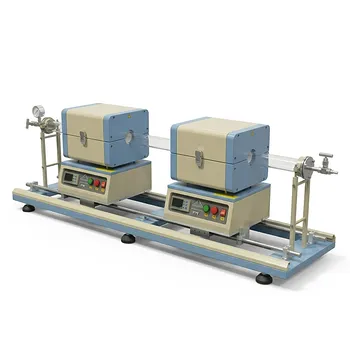
1200C Max Dual Sliding Tube Furnace with 50 mm Tube Flanges for CVD
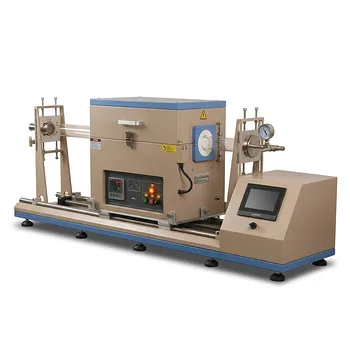
1200C Sliding Tube Furnace for Rapid Thermal Processing and CVD Graphene Growth with 100mm OD Capacity
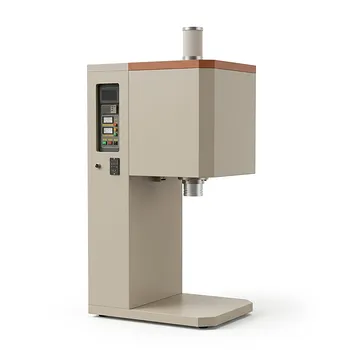
Vertical Openable Tube Furnace 0-1700c High Temperature Laboratory System for CVD and Vacuum Heat Treatment
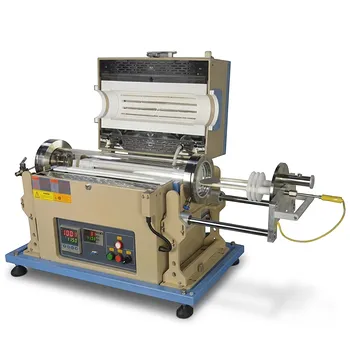
1200°C High Temperature 4 Inch Tube Furnace with Sliding Flange for CVD Systems
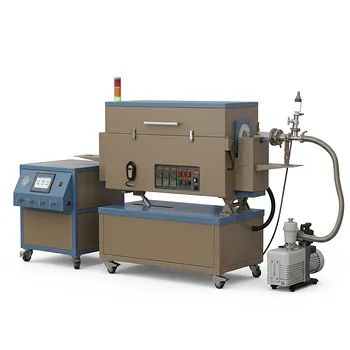
5 Inch Three Zone Rotary Tube Furnace with Integrated Gas Delivery System and 1200C Capability for Advanced Material CVD Processing
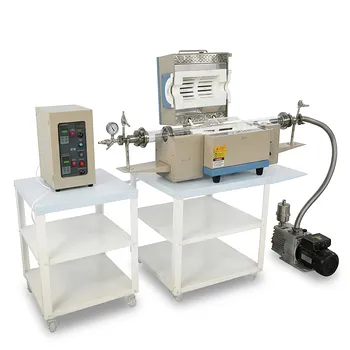
Two Zone Rotary Tube Furnace for Powder CVD Coating and Core Shell Material Synthesis 1100C
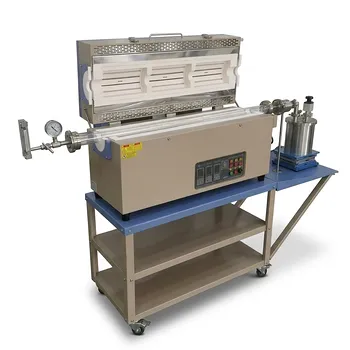
5 Inch Two Zone Rotary Tube Furnace 1100C for Powder CVD and Material Synthesis
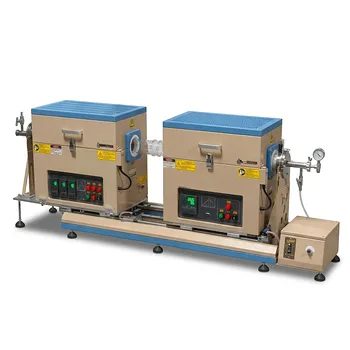
1200C Dual Temperature Zone Slidable Tube Furnace for 2D Material Growth and TCVD Synthesis
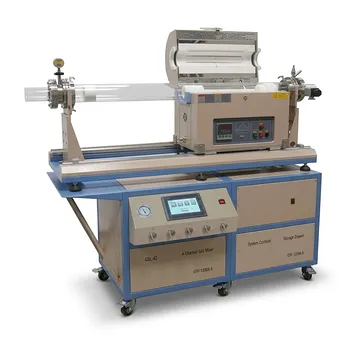
Dual Tube 100mm 80mm CVD Sliding Furnace with 4 Channel Gas Mixing and Vacuum System
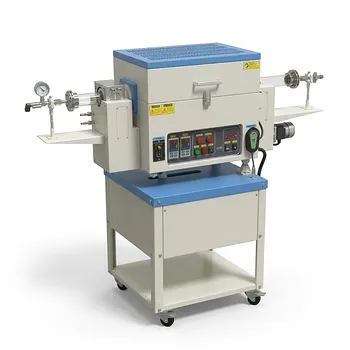
4 Inch Two Zone Rotary CVD Tube Furnace for High Temperature Battery Material Synthesis and Advanced Material Calcination
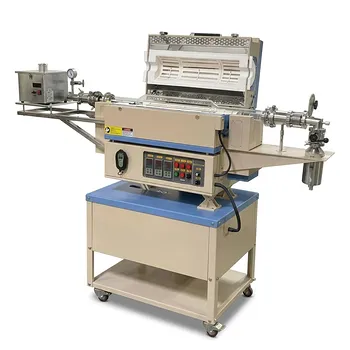
5 Inch Rotary Tube Furnace with Automatic Feeding and Receiving System 1200C Three Zone CVD Powder Processing
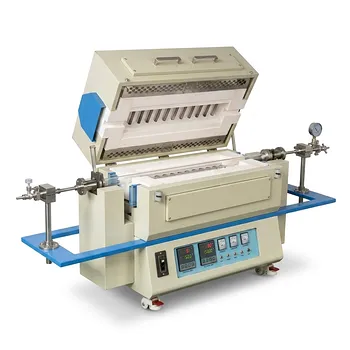
High Temperature Dual Zone Rotating Tube Furnace 1500C Silicon Carbide Heating for Advanced Material Synthesis
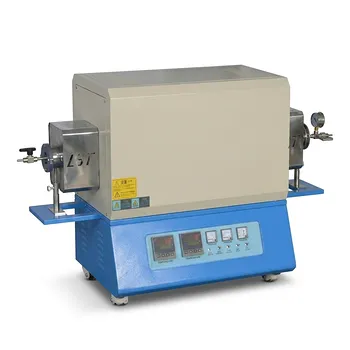
High Temperature Dual Zone Vacuum Tube Furnace for Material Research and CVD Processing
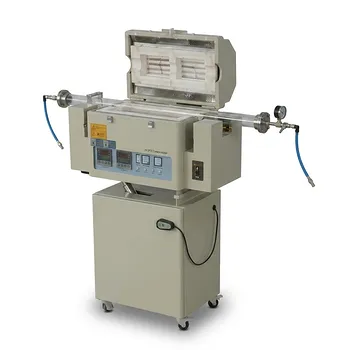
Double Temperature Revolving Tube Furnace with Precision Rotation and Adjustable Inclination for Advanced Material Research
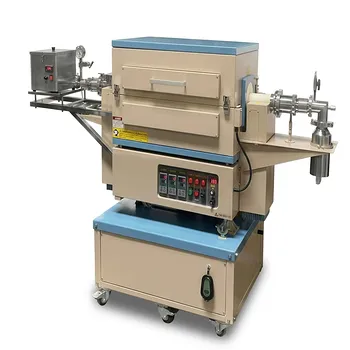
1500C 3-Zone Rotary Tube Furnace 60mm with Automatic Powder Feeding and Receiving System for Continuous Material Synthesis
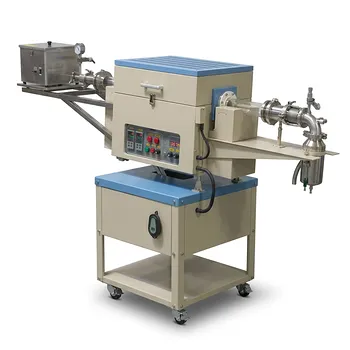
Two Zone Rotary CVD Furnace with Automatic Feeding and Receiving System for Powder Processing
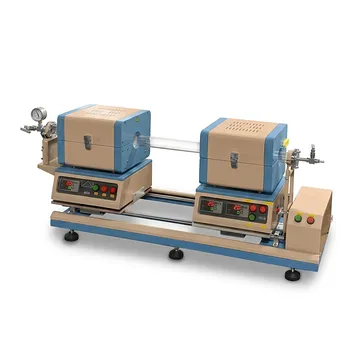
High Temperature 1200C Automatic Sliding Dual Zone Tube Furnace for 2D Transition Metal Dichalcogenides Growth and Material Sublimation Research
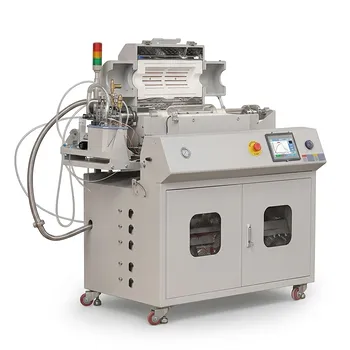
Versatile Chemical Vapor Deposition Tube Furnace System for Advanced Material Research and Industrial Coating Processes
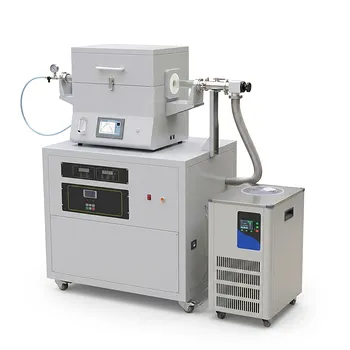
Split Chamber CVD Tube Furnace with Vacuum Station Chemical Vapor Deposition System Machine