What role does a vacuum tube furnace play in the sintering process of Lead Sulfide (PbS)? Achieve 99.3% Density.
Updated 3 months ago
A vacuum tube furnace acts as the primary reaction vessel and thermal regulator during the sintering of Lead Sulfide (PbS). It creates a specialized environment that couples intense heat with a high vacuum—typically around 10⁻³ torr—to transform loose PbS powder into a high-density solid. This process is essential for preventing oxidation and ensuring the material achieves its target structural and electronic properties.
The vacuum tube furnace is the critical enabler for achieving high-density, high-purity Lead Sulfide by facilitating atomic diffusion under oxygen-free conditions. Without the furnace's precise control over pressure and temperature, the resulting material would suffer from structural fragility and chemical degradation.
Preventing Oxidation and Chemical Degradation
The Role of a High-Vacuum Atmosphere
Lead Sulfide is highly sensitive to oxygen when exposed to the elevated temperatures required for sintering. The furnace maintains a vacuum level of approximately 10⁻³ torr to effectively evacuate reactive gases from the heating chamber. This vacuum ensures the chemical integrity of the sulfide is preserved by preventing unwanted oxidation reactions.
Creating a High-Purity Environment
Just as inert gases like Argon or Nitrogen protect reactive metals, the vacuum serves as a protective barrier for the PbS powder. By removing ambient air, the furnace prevents the formation of oxide layers on the surface of the particles. This purity is fundamental to achieving high-performance material microstructures.
Facilitating Densification and Microstructural Growth
Driving Atomic Diffusion
The furnace provides the precise thermal energy required for solid-state sintering. At these high temperatures, atoms gain the mobility necessary to migrate across particle boundaries. This process, known as thermal diffusion, is what allows individual powder grains to begin bonding.
Promoting Neck Growth and Pore Elimination
As the furnace maintains its soaking temperature, "necks" begin to form and grow at the contact points between particles. The controlled thermal field encourages these necks to expand, which gradually eliminates closed pores within the material. This mechanism is the primary driver of physical consolidation.
Achieving High Relative Density
Through accurately programmed heating and soaking cycles, the vacuum tube furnace enables the material to reach a relative density as high as 99.3%. This transformation from a loose, porous powder into a nearly fully dense solid is the definitive goal of the sintering process.
Ensuring Process Precision and Stability
The Impact of Programmable Temperature Control
Modern vacuum furnaces utilize precise programs to implement specific heating curves and multi-stage soaking periods. This level of control ensures that the temperature remains uniform throughout the "hot zone." Uniformity is critical to preventing internal stresses and ensuring the entire sample densifies at the same rate.
Sealing Integrity and Morphological Quality
The sealing integrity of the furnace chamber directly determines the morphological quality of the final product. Even minor leaks can introduce enough oxygen to disrupt the crystal structure or lead to carbon phase segregation. A stable, low-pressure atmosphere is required to maintain consistent crystal growth.
Understanding the Technical Trade-offs
Vacuum Depth vs. Processing Time
While a deeper vacuum ensures higher purity, achieving levels beyond 10⁻³ torr can significantly increase the time required for initial evacuation. Operators must balance the need for extreme purity with the practical constraints of production throughput.
Thermal Uniformity Constraints
In a tube furnace, the sample must be positioned precisely within the center of the heating elements. If the sample is too large for the furnace's primary "hot zone," inconsistent sintering may occur. This results in a gradient where the outer edges of the material are denser than the core.
Strategies for Successful PbS Sintering
To optimize the sintering of Lead Sulfide, the furnace parameters must be aligned with the specific structural goals of the project.
- If your primary focus is reaching maximum relative density (99%+): Prioritize long, stable soaking cycles and maintain a vacuum of at least 10⁻³ torr to ensure complete pore elimination and neck growth.
- If your primary focus is preventing oxidation or maintaining phase purity: Ensure the furnace's sealing integrity is verified before each run and use a slow temperature ramp to prevent trapped gases from creating internal voids.
The vacuum tube furnace is not merely a heat source, but a precision instrument that dictates the final density, purity, and performance of sintered Lead Sulfide.
Summary Table:
| Key Role | Technical Mechanism | Benefit for Lead Sulfide (PbS) |
|---|---|---|
| Oxidation Prevention | High Vacuum (10⁻³ torr) | Preserves chemical purity and prevents oxide layers. |
| Densification | Atomic Diffusion & Neck Growth | Transforms powder into a solid with 99.3% relative density. |
| Structural Precision | Multi-stage Soaking Cycles | Ensures uniform heating and eliminates internal stresses. |
| Atmosphere Control | Sealing Integrity | Maintains a stable environment for consistent crystal growth. |
Elevate Your Material Research with THERMUNITS Precision
Achieving 99.3% relative density in Lead Sulfide requires uncompromising vacuum integrity and thermal stability. THERMUNITS is a leading manufacturer of high-temperature laboratory equipment designed specifically for material science and industrial R&D. We provide the advanced thermal processing solutions you need to ensure high-purity results every time.
Our comprehensive product range includes:
- Furnaces: Vacuum Tube, Muffle, Atmosphere, Rotary, Hot Press, and Dental Furnaces.
- Advanced Systems: CVD/PECVD systems, Vacuum Induction Melting (VIM) furnaces, and Electric Rotary Kilns.
- Components: High-quality Thermal Elements and custom lab heat treatment equipment.
Whether you are sintering semiconductors or developing new alloys, our expert team is ready to help you configure the perfect system for your application.
Contact THERMUNITS today to optimize your sintering process!
References
- Bety Al-Saqarat, Ehab AlShamaileh. Study of Galena Ore Powder Sintering and Its Microstructure. DOI: 10.3390/met14040439
Mentioned Products
- 1800C High Temperature Compact Vacuum Tube Furnace with 60mm OD Alumina Tube and Kanthal MoSi2 Heating Elements
- High Vacuum Compact Tube Furnace 1200C with Integrated Turbo Pump System and 8 Inch Heating Zone
- 500C Vacuum Vertical Tube Furnace 84mm OD Sample Rotation Lifting System
- 1750°C High Temperature Benchtop Vacuum Atmosphere Tube Furnace with Kanthal Super 1800 Heating Elements and 60mm Alumina Processing Tube
- 1200C High Temperature 5 Inch Split Vacuum Tube Furnace with 12 Inch Heating Zone and Separated PID Controller
People Also Ask
- What core functions does a high-temperature vacuum tube furnace provide? Optimize np-CuSn Sintering & Joint Integrity
- What impact does the heating rate of a tube furnace have on biochar microstructure? Optimize Your Material R&D.
- What is the primary function of a high-temperature tube furnace in Cu1-N-C synthesis? Precision Thermal Control.
- How does a tube furnace facilitate CrMnFeCoCu alloy conversion? Master High-Entropy Oxide Synthesis with THERMUNITS.
- What is the function of a high-temperature tube furnace in the annealing of Ni-N-C composites? Optimize Catalyst Synthesis

Tech Team · ThermUnits
Last updated on Jun 02, 2026
Related Products

1800C High Temperature Compact Vacuum Tube Furnace with 60mm OD Alumina Tube and Kanthal MoSi2 Heating Elements
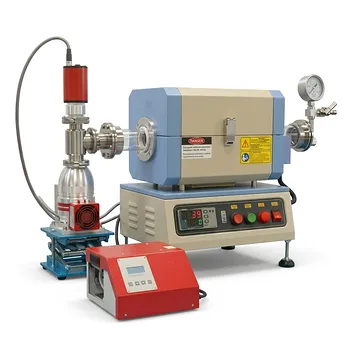
High Vacuum Compact Tube Furnace 1200C with Integrated Turbo Pump System and 8 Inch Heating Zone
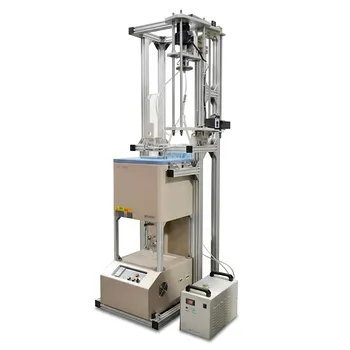
500C Vacuum Vertical Tube Furnace 84mm OD Sample Rotation Lifting System

1750°C High Temperature Benchtop Vacuum Atmosphere Tube Furnace with Kanthal Super 1800 Heating Elements and 60mm Alumina Processing Tube
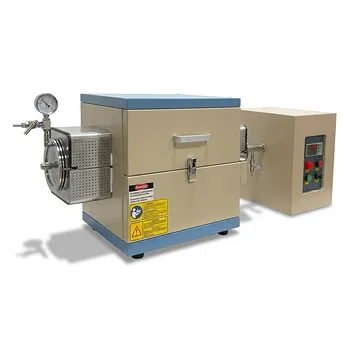
1200C High Temperature 5 Inch Split Vacuum Tube Furnace with 12 Inch Heating Zone and Separated PID Controller
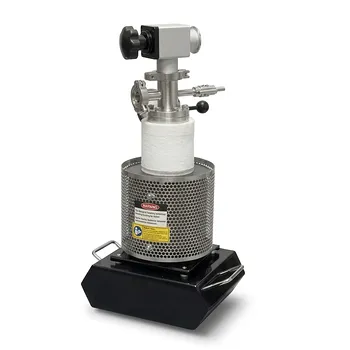
High Temperature 1100C Compact Top Loading Vertical Vacuum Tube Furnace for High Vacuum Noble Metal Melting and Material Research
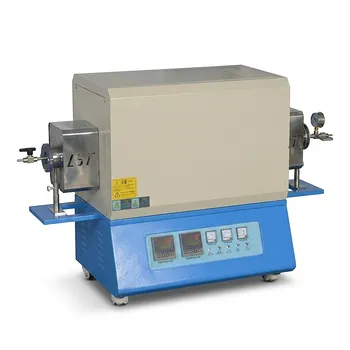
High Temperature Dual Zone Vacuum Tube Furnace for Material Research and CVD Processing

Vertical 1700C Vacuum and Atmosphere Tube Furnace with 80mm Alumina Tube

High Temperature 1700C Tube Furnace with High Vacuum Turbomolecular Pump System and Multi Channel Mass Flow Controller Gas Mixer
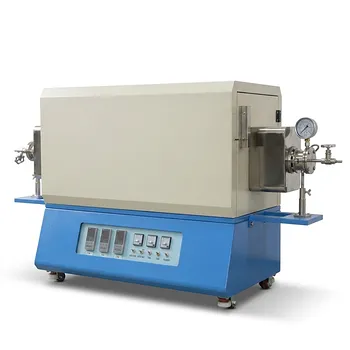
Three Temperature Zone High Temperature Vacuum Tube Furnace for CVD and Material Sintering

1100C Tube Furnace with Vacuum Flange and Programmable Temperature Controller for Material Science and Industrial Heat Treatment
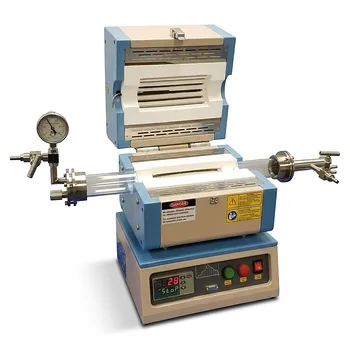
Compact Split Tube Furnace with Integrated Vacuum System and Precision Temperature Calibrator
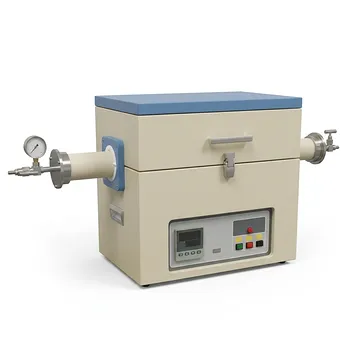
1250C Split Tube Furnace with 3 Inch Mullite Tube and Vacuum Sealing Flanges for Precision Thermal Processing
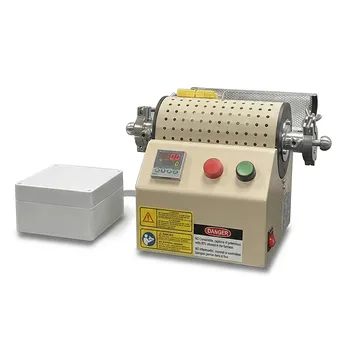
1000C Mini Tube Furnace with 20mm Quartz Tube and Vacuum Flanges for Material Science Research and Controlled Atmosphere Small Sample Processing

Compact High Temperature 1600C Tube Furnace with 50mm Alumina Tube and Vacuum Flanges for Material Sintering

Compact Vertical Split Quartz Tube Furnace with Stainless Steel Vacuum Flanges for Rapid Thermal Quenching and Controlled Atmosphere Material Processing
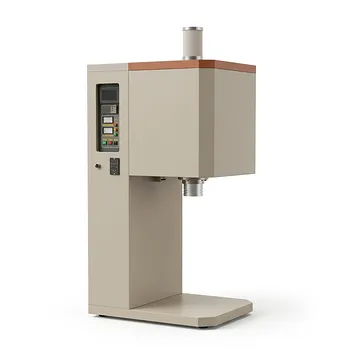
Vertical Openable Tube Furnace 0-1700c High Temperature Laboratory System for CVD and Vacuum Heat Treatment
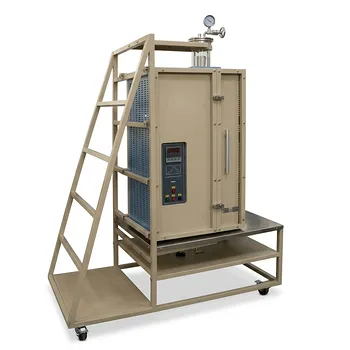
Split Vertical Tube Furnace with 1200C Quartz Tube and Stainless Steel Vacuum Flanges for Rapid Thermal Processing

High Temperature 1700C Vertical Tube Furnace for Powder Spherification and Material Sintering
