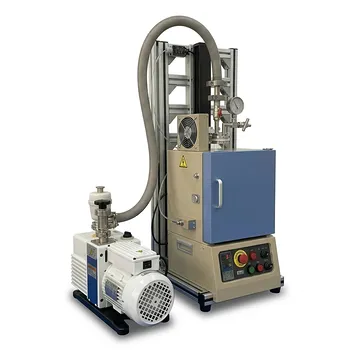
What role does a vertical electric heating tube furnace play in the smelting and reduction of lead anode slime?
Updated 3 months ago
The vertical electric heating tube furnace is the core thermal processing unit responsible for creating a stable, high-temperature environment necessary for the chemical reduction and separation of metals from lead anode slime. It provides the precise temperature regulation—often reaching 1200°C to 1300°C—and the specific atmospheric control required to maximize the recovery rates of critical elements like lead and antimony.
The vertical electric heating tube furnace serves as the foundational hardware for smelting, ensuring high metal recovery through a combination of strict isothermal control and a vertical design that facilitates rapid quenching and precise sample handling.
Providing a Stable and Precise Thermal Field
Establishing Isothermal Conditions
The primary role of the furnace is to provide a constant temperature zone where the lead anode slime can be maintained in a high-temperature molten state. This stability is critical for investigating reduction kinetics, as it allows researchers to observe reaction rates under rigorous, unchanging conditions.
Precise Regulation of Metal Recovery
High recovery rates of antimony (Sb) and lead (Pb) depend heavily on the ability to maintain specific holding times at exact temperatures. A high-precision temperature control system prevents fluctuations that could lead to incomplete reduction or the undesired volatilization of valuable metals.
The Advantages of Vertical Configuration
Optimized Sample Placement and Handling
The vertical design allows for the stable placement of crucibles and samples directly in the center of the thermal field. This configuration often utilizes suspension devices, ensuring that the material is exposed to uniform heat from all sides, which is essential for consistent smelting results.
Facilitating Instantaneous Water Quenching
A unique advantage of the vertical tube furnace is the ability to use a mechanical release device at the bottom of the furnace tube. This allows for the instantaneous water quenching of samples, which freezes the high-temperature phase equilibrium and microscopic structures for later analysis.
Creating a Controlled Reduction Environment
Atmospheric Flexibility for Chemical Reduction
The furnace acts as a sealed environment where specialized gas mixtures, such as hydrogen or methane, can be introduced. This creates the specific reduction atmosphere needed to strip oxygen from metal oxides within the anode slime, facilitating the transition to pure metal.
Standardized Activation and Pretreatment
Beyond simple smelting, these furnaces are used for the standardized activation of catalysts or reagents involved in the process. By performing these high-temperature pretreatments in a dedicated tube furnace, operators can optimize the design of downstream industrial reactors, focusing them on the reaction rather than the initial activation.
Understanding the Trade-offs
Scale and Throughput Limitations
While vertical tube furnaces offer unmatched precision, they are typically designed for laboratory or pilot-scale operations. Their batch-processing nature and limited internal volume mean they are not suitable for the high-volume throughput required in large-scale industrial smelting plants.
Maintenance and Material Stress
Operating consistently at temperatures like 1300°C places significant thermal stress on the furnace tube and heating elements. Frequent high-temperature cycles, especially when combined with corrosive smelting atmospheres, can lead to tube degradation and require specialized materials like alumina or quartz, which are brittle and costly.
How to Apply This to Your Project
Making the Right Choice for Your Goal
To effectively utilize a vertical tube furnace for lead anode slime processing, consider the following strategic applications:
- If your primary focus is Phase Analysis: Utilize the vertical configuration’s bottom-release mechanism to perform rapid quenching, preserving the high-temperature states for XRD or SEM analysis.
- If your primary focus is Kinetic Modeling: Prioritize a furnace with a long "constant temperature zone" to ensure that temperature gradients do not interfere with your reduction rate calculations.
- If your primary focus is Maximizing Metal Yield: Invest in a high-precision temperature control system (PID) to strictly regulate the holding times required for the efficient separation of lead and antimony.
By mastering the thermal and atmospheric precision of the vertical tube furnace, you can transform complex lead anode slime into a predictable source of high-purity metals.
Summary Table:
| Feature | Benefit | Key Application |
|---|---|---|
| Vertical Design | Facilitates rapid quenching & stable sample handling | Phase equilibrium analysis (XRD/SEM) |
| Thermal Precision | High isothermal stability (up to 1300°C) | Investigation of reduction kinetics |
| Atmospheric Control | Allows use of reduction gases (H2, CH4) | Stripping oxygen for high-purity metal yield |
| Mechanical Release | Enables instantaneous water quenching | Preserving high-temperature microscopic structures |
Maximize Your Metal Recovery with THERMUNITS
As a leading manufacturer of high-temperature laboratory equipment, THERMUNITS provides the precision thermal solutions necessary for advanced material science and industrial R&D. Our specialized Tube Furnaces, including vertical and atmospheric models, are engineered to deliver the exact isothermal control and reduction environments required for smelting lead anode slime and other complex heat treatments.
From Muffle, Vacuum, and Rotary furnaces to CVD/PECVD systems and Vacuum Induction Melting (VIM) units, our comprehensive range supports every stage of your laboratory workflow.
Ready to optimize your smelting results and achieve superior lead/antimony recovery?
Contact THERMUNITS today to explore our custom thermal solutions!
References
- Zhengqiang Dong, Sen Wang. Sb recovery from an As pre-removed lead anode slime using a ZnS-Na2CO3 smelting reduction. DOI: 10.2298/jmmb231230017d
Mentioned Products
- High Temperature 1700C Vertical Tube Furnace for Powder Spherification and Material Sintering
- High Temperature 1100C Compact Top Loading Vertical Vacuum Tube Furnace for High Vacuum Noble Metal Melting and Material Research
- Vertical Openable Tube Furnace 0-1700c High Temperature Laboratory System for CVD and Vacuum Heat Treatment
- Multi Position Tube Furnace 1100C for Laboratory Material Research and Advanced Industrial Thermal Processing
- High Temperature Vertical Hybrid Furnace with Alumina Tube and SiC Heating for SOFC Coin Cell Testing and Atmosphere Processing
People Also Ask
- What role does a high-temperature vertical tube furnace play in simulating high-carbon ferromanganese slag formation?
- What functions does a vertical high-temperature tube furnace perform? Master Industrial Sintering & R&D Simulation
- What is the primary function of a high-temperature tube furnace in Cu1-N-C synthesis? Precision Thermal Control.
- High-Temp Tube Furnace Role in Converting Microbial Proteins to Iron Single-Atom Sites: Expert Synthesis Guide
- What impact does the heating rate of a tube furnace have on biochar microstructure? Optimize Your Material R&D.

Tech Team · ThermUnits
Last updated on Jun 02, 2026
Related Products

High Temperature 1700C Vertical Tube Furnace for Powder Spherification and Material Sintering
High Temperature 1100C Compact Top Loading Vertical Vacuum Tube Furnace for High Vacuum Noble Metal Melting and Material Research
Vertical Openable Tube Furnace 0-1700c High Temperature Laboratory System for CVD and Vacuum Heat Treatment
Multi Position Tube Furnace 1100C for Laboratory Material Research and Advanced Industrial Thermal Processing
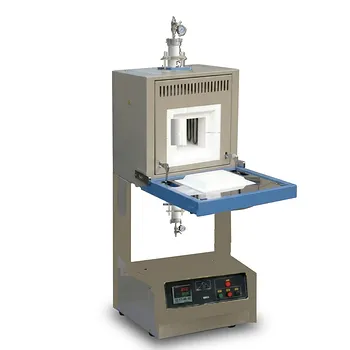
High Temperature Vertical Hybrid Furnace with Alumina Tube and SiC Heating for SOFC Coin Cell Testing and Atmosphere Processing
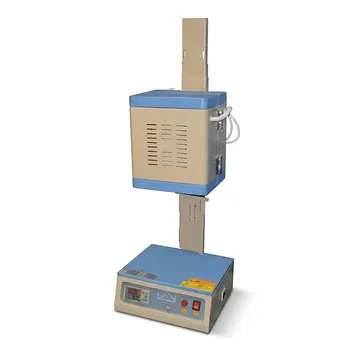
High Temperature Vertical Split Tube Furnace with PID Temperature Controller for 1 and 2 Inch Processing Tubes
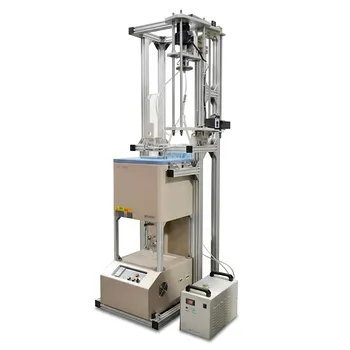
500C Vacuum Vertical Tube Furnace 84mm OD Sample Rotation Lifting System

Vertical 1700C Vacuum and Atmosphere Tube Furnace with 80mm Alumina Tube
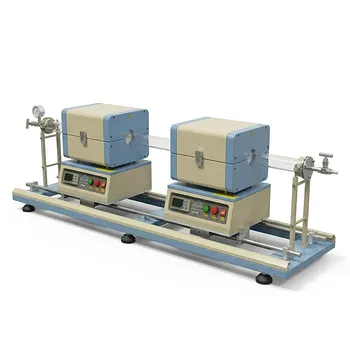
1200C Max Dual Sliding Tube Furnace with 50 mm Tube Flanges for CVD
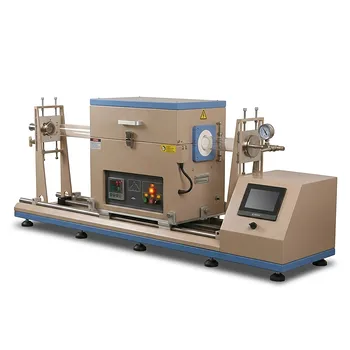
1200C Sliding Tube Furnace for Rapid Thermal Processing and CVD Graphene Growth with 100mm OD Capacity
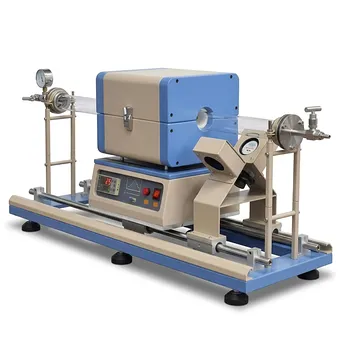
Automated Sliding Tube Furnace for Fast Heating and Cooling 2 Inch OD 1100C Max
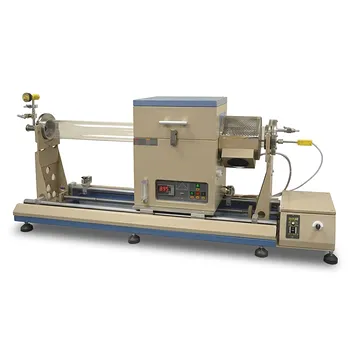
900 ºC Max Sliding RTP Tube Furnace with Rapid IR Heating and 4 Inch OD Quartz Tube
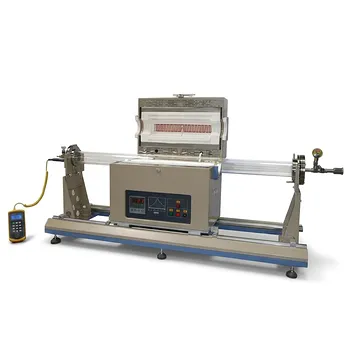
1200C Max Sliding Tube Furnace with 80mm OD Quartz Tube and Vacuum Flanges for Rapid Thermal Processing Fast Heating and Cooling

1100C Tube Furnace with Vacuum Flange and Programmable Temperature Controller for Material Science and Industrial Heat Treatment
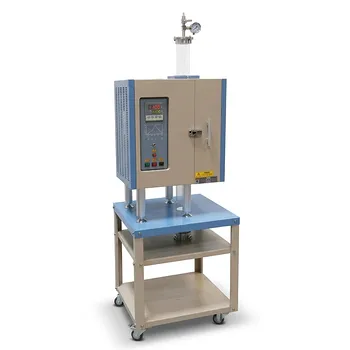
1100°C Split Vertical Tube Furnace with 80mm Quartz Tube and Stainless Steel Vacuum Flanges
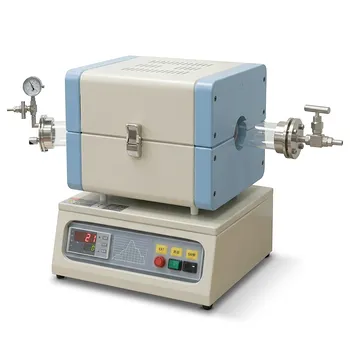
1200C Tube Furnace with Internal Magnetic Sample Sliding for Direct Vaporizing Deposition and Rapid Thermal Processing
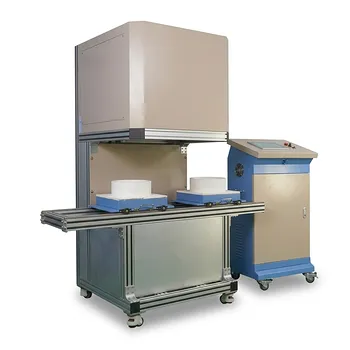
High Temperature Bottom Loading Vertical Furnace 1700C Dual Stage Sample Processing System 18L Large Capacity Thermal Treatment Equipment

1200°C 5 Inch Vertical Quartz Tube Furnace with Stainless Steel Vacuum Flanges
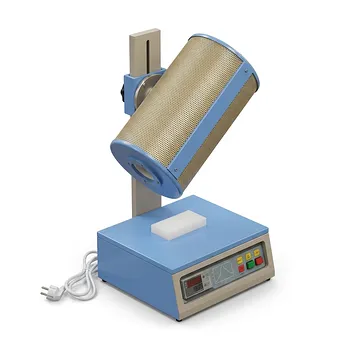
1100°C Vertical Laboratory Furnace for DIY Tubular Reactors with PID Temperature Controller