Why is a high-purity tube furnace essential for activated carbon? Master Precise Chemical Activation & Pore Control
Updated 3 months ago
The high-purity tube furnace is the fundamental engine of the chemical activation process. It provides a strictly controlled, high-temperature environment—often ranging from 700°C to 1100°C—that is necessary to facilitate the vigorous reaction between carbonized precursors and activating agents like potassium hydroxide (KOH). By maintaining an inert atmosphere, the furnace prevents the carbon from combusting while allowing for the precise thermal etching of the material’s surface to create a massive internal pore structure.
A high-purity tube furnace is essential because it isolates the carbon material from oxygen while providing the precise thermal energy required to ablate the carbon surface. This process transforms raw carbon into a high-surface-area material with optimized adsorption capabilities.
Precision Control of the Thermal Environment
Maintaining Isothermal Stability
Chemical activation requires a precise constant temperature to ensure the activating agent reacts uniformly with the carbon matrix. Fluctuations in heat can lead to inconsistent pore development or the structural collapse of the carbon skeleton. High-purity furnaces provide the stable thermal gradient necessary for repeatable, high-quality production.
Regulating Heating Rates
The rate at which the furnace reaches its target temperature, such as 5 °C/min, is critical for determining the final pore size distribution. Controlled heating prevents the rapid release of volatiles, which could otherwise damage the delicate forming micropores. This level of precision is only achievable through the advanced PID controllers found in professional tube furnaces.
Achieving High-Temperature Thresholds
To fully activate carbon materials, temperatures often need to exceed 850°C to ensure that agents like potassium bicarbonate or KOH react completely. Industrial-grade tube furnaces are designed to withstand these extremes without leaching impurities into the sample. This high-heat environment is what facilitates the isothermal holding time required for deep chemical etching.
The Role of Atmosphere Management
Preventing Material Oxidation
At temperatures above 500°C, carbon will readily react with oxygen and burn away. A tube furnace allows for the introduction of high-purity nitrogen (N2) or argon, creating a strictly oxygen-free environment. This protective atmosphere ensures that the carbon material is preserved so that only the chemical activator modifies its structure.
Facilitating Gaseous Etching
During the activation of materials like bamboo residues, the decomposition of activators produces gases that must interact precisely with the carbon matrix. The sealed environment of the tube furnace traps these reactive species long enough to etch a rich microporous structure. This "chemical drilling" is what increases the specific surface area to over 1900 m²/g.
Uniform Gas Flow Dynamics
In specific configurations, such as vertical tube furnaces, the gas flow is directed through the sample bed. This ensures that the activating agents and inert gases reach every particle of the carbon precursor. Uniformity in gas distribution leads to a more homogenous final product with consistent adsorption performance.
Understanding the Trade-offs
Equipment Cost vs. Material Purity
High-purity tubes, often made of quartz or high-alumina ceramics, are significantly more expensive than standard muffle furnaces. However, using lower-quality materials can result in the tube reacting with the activating agents (like KOH), leading to tube failure or sample contamination.
Batch Processing Limitations
Tube furnaces are generally designed for batch processing, which can limit throughput compared to continuous rotary kilns. While they offer superior control over the activation parameters, they require careful loading and cooling cycles, which increases the total production time per gram of material.
Handling Corrosive Activators
The use of strong bases like KOH or NaOH at high temperatures is inherently corrosive to the furnace internals. Users must balance the need for high activation intensity with the potential for accelerated wear and tear on the furnace tube and heating elements.
How to Apply This to Your Project
Recommendations for Production Goals
- If your primary focus is maximizing specific surface area: Use a furnace capable of reaching at least 900°C with precise nitrogen flow control to maximize the etching intensity of KOH.
- If your primary focus is energy storage (supercapacitors): Prioritize a furnace with high-purity quartz tubes to prevent metallic impurities from contaminating the carbon and affecting electrical conductivity.
- If your primary focus is carbon dioxide (CO2) adsorption: Utilize a vertical tube furnace to ensure uniform gas-solid contact, which facilitates the development of a balanced microporous and mesoporous structure.
By mastering the thermal and atmospheric variables within a high-purity tube furnace, you can precisely engineer the pore architecture of activated carbon for any specialized application.
Summary Table:
| Feature | Benefit in Chemical Activation | Key Parameter |
|---|---|---|
| Isothermal Stability | Ensures uniform pore development and prevents structural collapse. | PID Control (±1°C) |
| Atmosphere Control | Prevents carbon oxidation using high-purity N2 or Argon gas. | Oxygen-free sealing |
| Heating Precision | Regulates volatile release to optimize micropore distribution. | ~5 °C/min rate |
| High-Purity Tubes | Prevents sample contamination and resists corrosive activators (KOH). | Quartz / Alumina tubes |
| Surface Engineering | Facilitates gaseous etching to maximize specific surface area. | >1900 m²/g potential |
Elevate Your Material Research with THERMUNITS
Precision is the difference between a standard material and a high-performance one. THERMUNITS is a leading manufacturer of high-temperature laboratory equipment dedicated to supporting material science and industrial R&D. We provide the stable thermal environments and atmosphere management required for complex processes like chemical activation and thermal etching.
Our Comprehensive Thermal Solutions Include:
- Furnaces: Muffle, Vacuum, Atmosphere, Tube (Horizontal/Vertical), Rotary, and Hot Press Furnaces.
- Advanced Systems: CVD/PECVD systems, Dental Furnaces, Electric Rotary Kilns, and Vacuum Induction Melting (VIM) furnaces.
- Components: High-quality Thermal Elements and specialized heat treatment accessories.
Ready to achieve superior heat treatment results? Partner with THERMUNITS for reliable, high-purity equipment tailored to your research goals.
Contact Our Technical Experts Today
References
- Beata Doczekalska, Andrzej Świątkowski. Activated carbons prepared from stump wood of various tree species by chemical activation and their application for water purification. DOI: 10.1007/s00107-024-02148-1
Mentioned Products
- Electric Rotary Kiln Small Rotary Furnace for Activated Carbon Regeneration
- High Temperature Dual Zone Rotating Tube Furnace 1500C Silicon Carbide Heating for Advanced Material Synthesis
- High Temperature 1700C Benchtop Tube Furnace with 5 Inch Heating Zone High Purity Alumina Tube and Vacuum Sealing Flanges
- High Temperature Vertical Atmosphere Controlled Furnace with Automatic Bottom Loading and 1700°C Capacity for Advanced Material Research
- High Temperature 1700C Vertical Tube Furnace for Powder Spherification and Material Sintering
People Also Ask
- What are the primary components and heating mechanisms of an electric rotary kiln? Optimize High-Purity Heat Treatment
- Which minerals and specialty chemicals are commonly processed using electric rotary kilns? Precision Thermal Processing Guide
- What are the maintenance and service life advantages of an electric rotary kiln? 25+ Year Longevity & Low Maintenance
- How does the use of an electric rotary kiln facilitate CO2 capture in cement and lime production? Achieve High-Purity CCUS
- What thermal efficiency can be expected from an electric rotary kiln compared to fuel-fired alternatives? Gain 95% efficiency.

Tech Team · ThermUnits
Last updated on Jun 03, 2026
Related Products
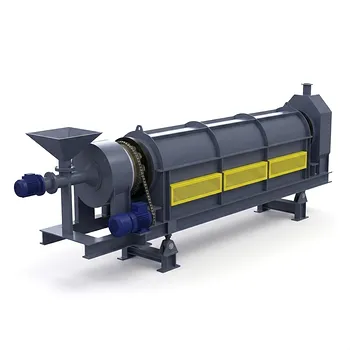
Electric Rotary Kiln Small Rotary Furnace for Activated Carbon Regeneration
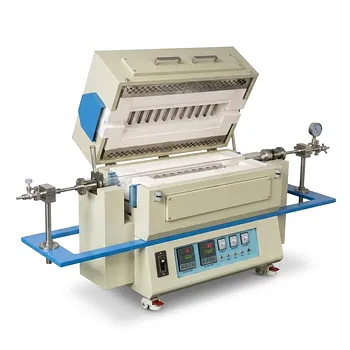
High Temperature Dual Zone Rotating Tube Furnace 1500C Silicon Carbide Heating for Advanced Material Synthesis

High Temperature 1700C Benchtop Tube Furnace with 5 Inch Heating Zone High Purity Alumina Tube and Vacuum Sealing Flanges
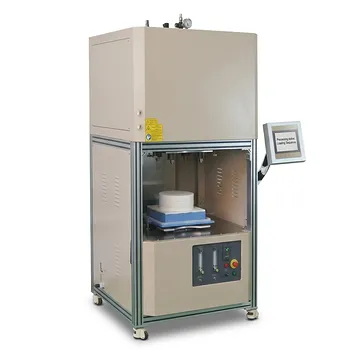
High Temperature Vertical Atmosphere Controlled Furnace with Automatic Bottom Loading and 1700°C Capacity for Advanced Material Research

High Temperature 1700C Vertical Tube Furnace for Powder Spherification and Material Sintering

Compact High Temperature 1600C Tube Furnace with 50mm Alumina Tube and Vacuum Flanges for Material Sintering

High Temperature Automated 5 Inch Tube Furnace for Autonomous Material Research and Advanced Laboratory R&D

1200C High Throughput Multi Channel Tube Furnace with 50mm Quartz Tubes for Annealing and Material Phase Diagram Research
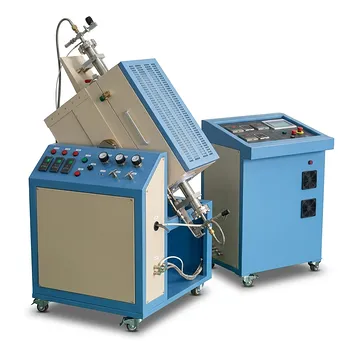
1100C High Pressure Rocking Tube Furnace with 2 Inch Super Alloy Processing Tube for Material Synthesis
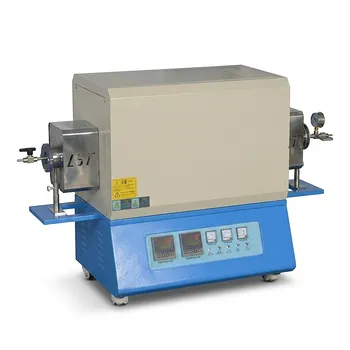
High Temperature Dual Zone Vacuum Tube Furnace for Material Research and CVD Processing
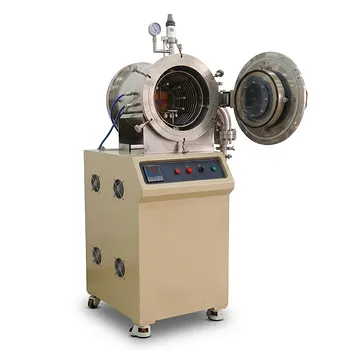
High Temperature Cold Wall High Vacuum Chamber Furnace 1400C for Advanced Material Processing
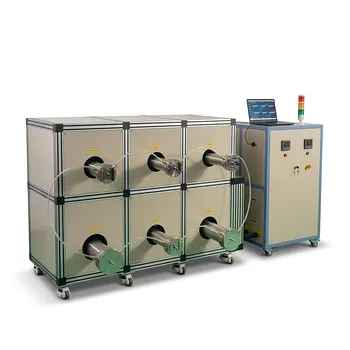
1200C Max 6 Channel High Cleanliness Hydrogen Furnace for High Throughput Annealing

High Temperature 1700C Tube Furnace with High Vacuum Turbomolecular Pump System and Multi Channel Mass Flow Controller Gas Mixer

5 Inch Three Zone Rotary Tube Furnace with Integrated Gas Delivery System and 1200C Capability for Advanced Material CVD Processing
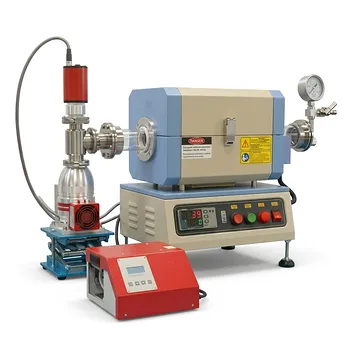
High Vacuum Compact Tube Furnace 1200C with Integrated Turbo Pump System and 8 Inch Heating Zone
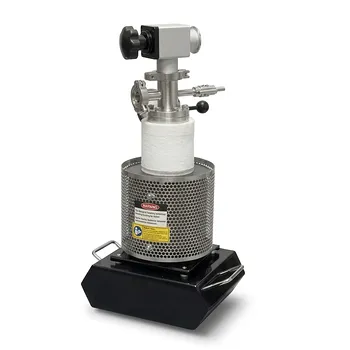
High Temperature 1100C Compact Top Loading Vertical Vacuum Tube Furnace for High Vacuum Noble Metal Melting and Material Research
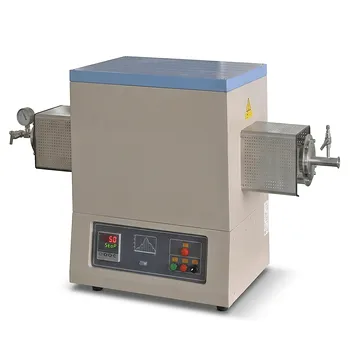
High Temperature 1700C Tube Furnace with 4 Inch OD Alumina Tube and Vacuum Sealing Flanges

1800C High Temperature Compact Vacuum Tube Furnace with 60mm OD Alumina Tube and Kanthal MoSi2 Heating Elements

1200°C 5 Inch Vertical Quartz Tube Furnace with Stainless Steel Vacuum Flanges
