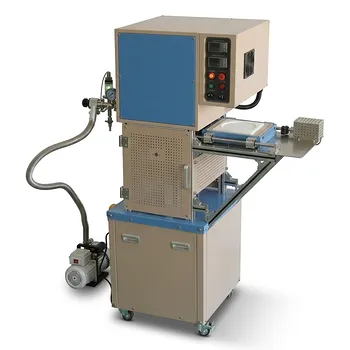
Why is a high-vacuum oven required for the final treatment of supercapacitor electrode sheets? Boost Material Purity.
Updated 3 months ago
The final treatment of supercapacitor electrode sheets requires a high-vacuum oven to ensure the complete removal of contaminants while preserving the delicate chemical structure of the materials. By lowering the atmospheric pressure, these ovens allow high-boiling point solvents and trace moisture to evaporate at relatively low temperatures. This specific environment prevents the oxidation of active materials and current collectors, ensuring that the electrode’s internal pores remain open and ready for electrolyte infiltration.
Core Takeaway: High-vacuum drying is a critical purification step that balances aggressive solvent removal with material preservation. It ensures the structural integrity and electrochemical purity necessary for high-capacity performance and long-term stability.
Overcoming the Solvent and Moisture Barrier
Efficient Removal of High-Boiling Point Solvents
Many electrode slurries utilize solvents like N-Methyl-pyrrolidone (NMP) or Dimethylformamide (DMF), which have high boiling points. A high-vacuum environment significantly lowers these boiling points, allowing the solvents to evaporate rapidly at temperatures as low as 80°C.
Eliminating Residual Trace Moisture
Even microscopic amounts of moisture adsorbed onto the material surface can be detrimental to a supercapacitor's lifespan. The vacuum environment is far more effective than standard heat at pulling these water molecules out of the electrode's deep internal structure.
Preventing Electrolyte Decomposition
Residual moisture and solvents can trigger side reactions once the device is assembled and filled with electrolyte. Thorough vacuum drying prevents these reactions, which would otherwise lead to gas evolution, electrolyte degradation, and a drop in initial coulombic efficiency.
Preserving Material Integrity and Surface Chemistry
Preventing Surface Oxidation
Supercapacitor electrodes often use carbon materials or sensitive compounds like MXenes that can oxidize when heated in the presence of oxygen. A high-vacuum oven effectively isolates these materials from oxygen, preventing the formation of oxidative impurities that would hinder performance.
Protecting the Current Collector
The metallic foils used as current collectors, such as aluminum or copper, are susceptible to oxidation at high temperatures. Vacuum drying allows the removal of solvents without reaching the thermal thresholds that would degrade the foil's conductivity or mechanical strength.
Ensuring Pore Purity for Infiltration
The specific capacitance of a supercapacitor depends on the electrolyte's ability to penetrate the micropores of the active material. By ensuring these pores are completely free of residual solvents, the vacuum treatment maximizes the available surface area for ion storage.
Enhancing Mechanical and Electrochemical Stability
Boosting Adhesion Strength
The vacuum thermal treatment process has been shown to improve the adhesion strength between the active material layer and the current collector. This prevents the electrode from peeling or delaminating during the physical stresses of repeated charge-discharge cycles.
Optimizing Ionic Conductivity
For composite materials, removing high-boiling point solvents is decisive for maintaining high ionic conductivity. A "clean" internal structure ensures that ions can move freely through the electrode matrix without being blocked by trapped solvent molecules.
Ensuring Consistent Performance
High-precision vacuum drying is a prerequisite for achieving consistent electrochemical results across different batches. It removes the variables associated with humidity and solvent retention, leading to more predictable and reliable devices.
Understanding the Trade-offs
Time and Energy Requirements
Achieving a deep vacuum and maintaining it for extended periods (often 12 hours or more) is energy-intensive and time-consuming. This can become a bottleneck in high-throughput manufacturing environments compared to simpler atmospheric drying.
Risk of Under-Drying
If the vacuum level is insufficient or the duration is too short, "trapped" solvent pockets may remain deep within the coating. This residual contamination can lead to sudden performance drops or device failure only after several weeks of operation.
Mechanical Stress from Rapid Evaporation
While a vacuum accelerates evaporation, extremely rapid removal of solvents can sometimes cause micro-cracking in the electrode coating. The process must be carefully controlled to ensure the solvent leaves the structure without compromising its physical density.
How to Apply This to Your Project
Recommendations for Process Optimization
- If your primary focus is Maximum Specific Capacitance: Prioritize a deep vacuum (at least $10^{-2}$ Torr) to ensure the smallest micropores are fully evacuated of residual NMP.
- If your primary focus is Long-Term Cycling Stability: Use a longer drying duration (12-24 hours) at a lower temperature (60-80°C) to maximize adhesion strength while preventing binder degradation.
- If your primary focus is Processing Oxygen-Sensitive Materials: Ensure your vacuum oven has a high-quality seal and an inert gas purge capability to completely eliminate oxygen before heating begins.
By masterfully controlling the vacuum environment, you transform a sensitive chemical coating into a robust, high-performance electrode ready for demanding energy storage applications.
Summary Table:
| Process Requirement | Technical Purpose | Key Material Benefit |
|---|---|---|
| Solvent Removal | Lowers boiling points of NMP/DMF | Prevents thermal degradation of sensitive binders |
| Moisture Extraction | Pulls molecules from micropores | Eliminates side reactions and electrolyte gas evolution |
| Oxidation Prevention | Isolates materials from oxygen | Protects MXenes and foil conductivity (Al/Cu) |
| Adhesion & Purity | Maximizes contact and surface area | Enhances cycling stability and ionic conductivity |
Advance Your Energy Storage Research with THERMUNITS
As a leading manufacturer of high-temperature laboratory equipment for material science, THERMUNITS provides the precision vacuum ovens and thermal processing solutions critical for high-performance supercapacitor development. Our comprehensive range—including Vacuum, Atmosphere, Tube, and Rotary furnaces, as well as CVD/PECVD systems and Hot Press furnaces—is engineered to meet the rigorous demands of industrial R&D.
Ensure the structural integrity and electrochemical purity of your materials today. Contact our technical experts for a custom quote and discover how our advanced heat treatment solutions can optimize your laboratory workflow!
References
- Miralem Salihović, Michael S. Elsaesser. Black goes green: single-step solvent exchange for sol-gel synthesis of carbon spherogels as high-performance supercapacitor electrodes. DOI: 10.1039/d3ya00480e
Mentioned Products
- High Vacuum Compact Tube Furnace 1200C with Integrated Turbo Pump System and 8 Inch Heating Zone
- High Temperature Cold Wall High Vacuum Chamber Furnace 1400C for Advanced Material Processing
- High Temperature 1000C Vacuum Furnace with 8 Inch ID Chamber for Material Sintering and Research Annealing
- 1200C High Temperature 5 Inch Split Vacuum Tube Furnace with 12 Inch Heating Zone and Separated PID Controller
- Compact High Vacuum Box Furnace 1050C Max 6.2L Ceramic Chamber Stainless Steel Shell Programmable Temperature Controller for Material Science Research
People Also Ask
- What core functions does a high-temperature vacuum tube furnace provide? Optimize np-CuSn Sintering & Joint Integrity
- What is the primary function of a high vacuum tube furnace in the in-situ grain growth experiments of silicon steel?
- Why is a high-vacuum tube furnace required for the pyrolysis phase of BCMoMn electrocatalysts? Key for Catalyst Precision
- What are the functions of a tube furnace in PCC annealing? Optimize Carbonization & Porosity
- What is the Role of Vacuum Tube Furnaces in Ti1-xAlxN Research? Master Age Hardening & Stability

Tech Team · ThermUnits
Last updated on Jun 03, 2026
Related Products
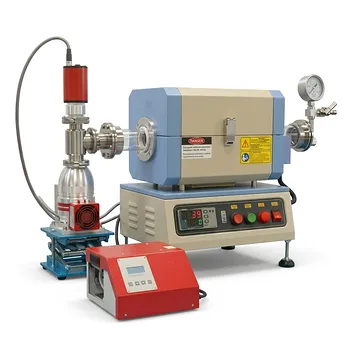
High Vacuum Compact Tube Furnace 1200C with Integrated Turbo Pump System and 8 Inch Heating Zone
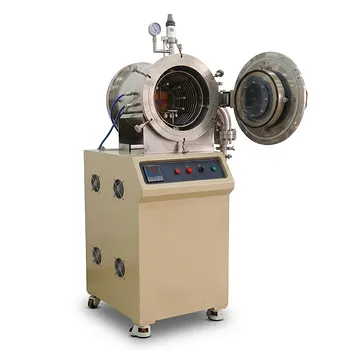
High Temperature Cold Wall High Vacuum Chamber Furnace 1400C for Advanced Material Processing
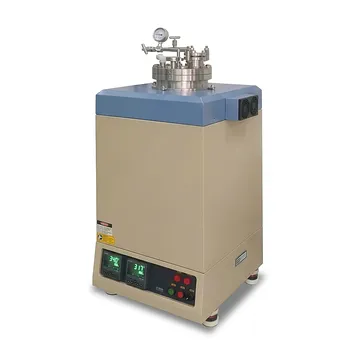
High Temperature 1000C Vacuum Furnace with 8 Inch ID Chamber for Material Sintering and Research Annealing
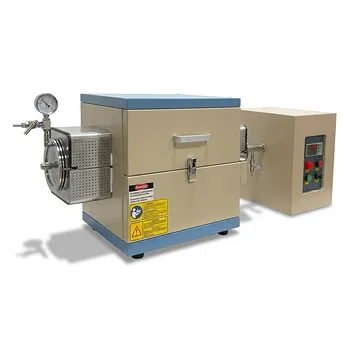
1200C High Temperature 5 Inch Split Vacuum Tube Furnace with 12 Inch Heating Zone and Separated PID Controller
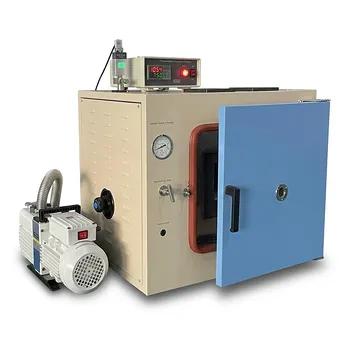
Compact High Vacuum Box Furnace 1050C Max 6.2L Ceramic Chamber Stainless Steel Shell Programmable Temperature Controller for Material Science Research
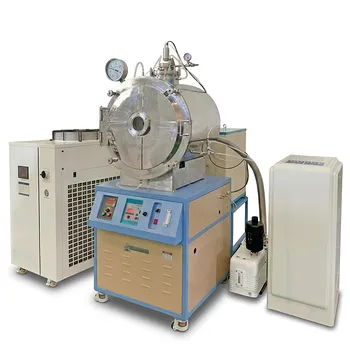
Ultra High Temperature Induction Heated Vacuum Furnace with Molten Salt Electrolysis Capability and 3000 Degree Precision Control

Vertical 1700C Vacuum and Atmosphere Tube Furnace with 80mm Alumina Tube
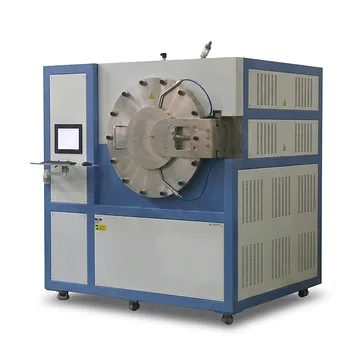
High Vacuum Pressure Chamber Furnace 800C 3.5 Bar Sintering System for Superconducting Materials
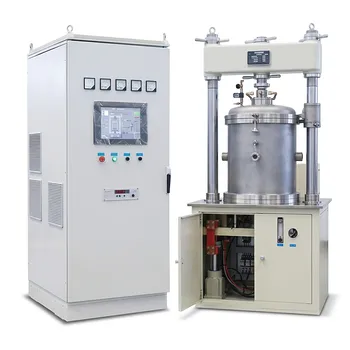
Industrial Vacuum Hot Press Furnace Machine and High Temperature Heated Vacuum Press for Advanced Material Sintering
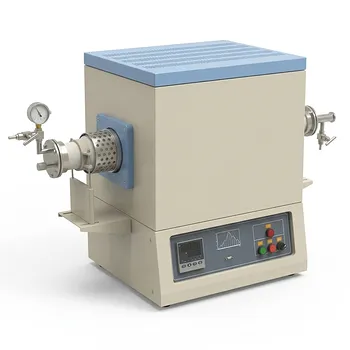
1750°C High Temperature Benchtop Vacuum Atmosphere Tube Furnace with Kanthal Super 1800 Heating Elements and 60mm Alumina Processing Tube
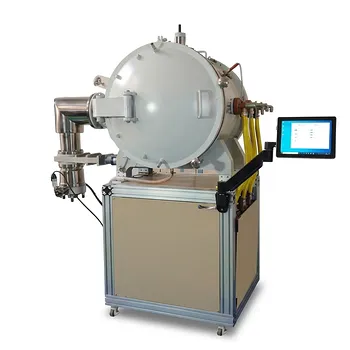
High Temperature Cold Wall Vacuum Furnace for Advanced Material Sintering and Annealing 1600C Heating Area 200x200x300mm

1800C High Temperature Compact Vacuum Tube Furnace with 60mm OD Alumina Tube and Kanthal MoSi2 Heating Elements
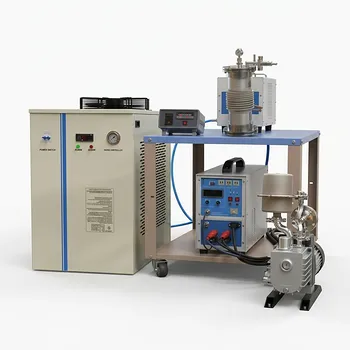
Induction Heating System with Temperature Control for High Temperature Vacuum Sintering and Melting
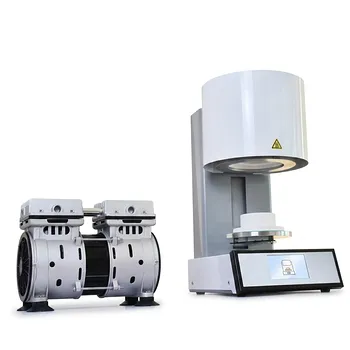
Vacuum Dental Porcelain Sintering Furnace for High Precision Ceramic Restorations
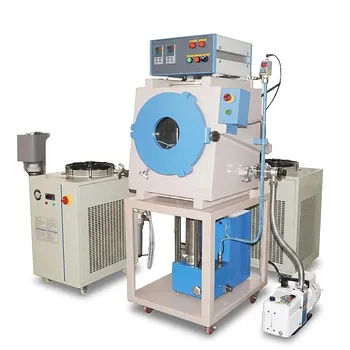
High Temperature Vacuum Lamination Hot Press Furnace Machine for Semiconductor Wafer Bonding and Advanced Composite Thermal Processing
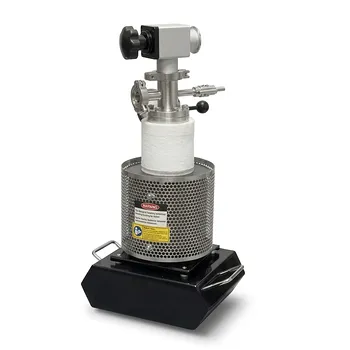
High Temperature 1100C Compact Top Loading Vertical Vacuum Tube Furnace for High Vacuum Noble Metal Melting and Material Research
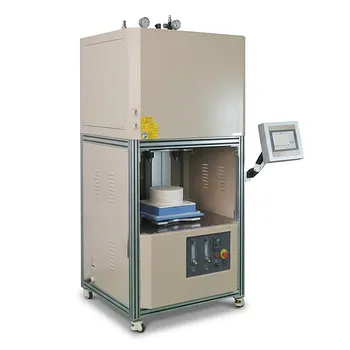
High Temperature Vertical Atmosphere Controlled Furnace 1700C Automatic Bottom Loading 13 Liter Vacuum Thermal System
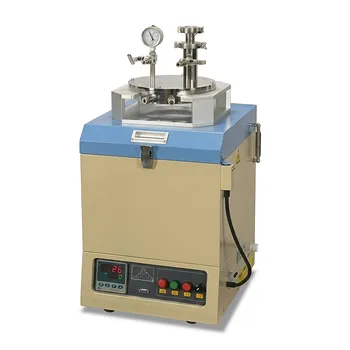
Vertical Vacuum Furnace 1100C High Temperature 8 Inch Quartz Chamber Water Cold Flange System
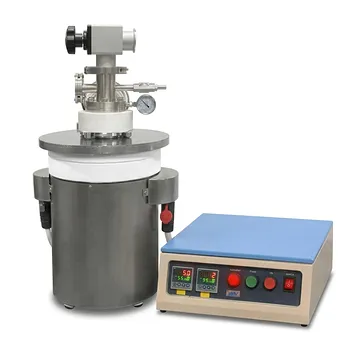
1100C High Temperature Vacuum Crucible Furnace with Quartz Chamber for Thermal Processing and Sintering