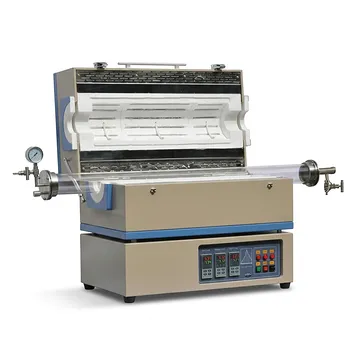
Why is a vacuum drying oven used before the preparation of MXene thick-film electrodes? Prevent Oxidation & Boost Quality
Updated 3 months ago
A vacuum drying oven is essential for preparing MXene thick-film electrodes because it facilitates thorough solvent removal at low temperatures while strictly isolating the material from oxygen. By reducing ambient pressure, the oven lowers the boiling point of moisture and residual solvents, allowing them to evaporate quickly without subjecting the MXene to high thermal stress. This oxygen-free environment is critical to prevent the sensitive MXene nanosheets from oxidizing into titanium dioxide ($TiO_2$), thereby preserving the material's superior electrical conductivity and 2D structural integrity.
Core Takeaway: Vacuum drying is a non-negotiable step in MXene electrode fabrication because it prevents thermal oxidation while ensuring a dense, dry, and high-conductivity film. Without this low-pressure, oxygen-deficient environment, the metallic properties and structural stability of the MXene would be irreversibly compromised.
Preventing Thermal and Oxidative Degradation
The Risk of Titanium Dioxide ($TiO_2$) Conversion
MXene nanosheets, particularly $Ti_3C_2T_x$, are highly susceptible to oxidation when heated in the presence of air. In a standard oven, high temperatures trigger a chemical transition where the MXene surface converts into titanium dioxide ($TiO_2$). This conversion is detrimental, as it replaces the highly conductive MXene surface with an insulating or semiconducting oxide layer.
Preserving the 2D Layered Structure
The vacuum environment provides a negative pressure zone with zero or extremely low oxygen levels. This isolation ensures that the MXene maintains its unique 2D layered morphology during the drying phase. By preventing surface oxidation, the oven maximizes the preservation of surface functional group activity, which is vital for the material's electrochemical performance.
Optimization of the Drying Process
Lowering Boiling Points through Reduced Pressure
Vacuum ovens operate by significantly reducing ambient pressure, which in turn lowers the boiling point of liquids. This allows volatile organic solvents, such as NMP (N-Methyl-2-pyrrolidone), and residual moisture to be removed at relatively low temperatures (typically 60 °C to 120 °C). This "deep drying" occurs much faster than in atmospheric conditions, shortening the overall processing time.
Achieving Dense, Crack-Free Film Morphology
The controlled evaporation afforded by a vacuum helps produce a completely dry and dense film. Rapid, uneven drying in a standard oven can lead to surface tension issues, resulting in cracks or "skinning" where the top layer dries while the bottom remains wet. Vacuum drying ensures a uniform exit for solvents, maintaining a crack-free structure essential for thick-film electrodes.
Enhancing Electrochemical and Mechanical Performance
Strengthening Adhesion to Current Collectors
Vacuum thermal treatment significantly enhances the interfacial bonding strength between the active MXene layer and the current collector (such as copper foil). By removing trace moisture and organic residues from the interface, it prevents the electrode from peeling or delaminating during subsequent battery charge-discharge cycles. This mechanical stability is a prerequisite for long-cycle life in energy storage devices.
Ensuring Purity for Electrolyte Infiltration
The thorough removal of residual solvents ensures that the micropores within the MXene thick film remain clear. This allows the electrolyte to fully infiltrate the electrode structure, maximizing the accessible surface area for ion transport. Consequently, vacuum-dried electrodes exhibit higher specific capacitance and better rate performance compared to those dried in air.
Understanding the Trade-offs
Equipment and Throughput Constraints
While vacuum drying is technically superior, it requires specialized benchtop or industrial vacuum ovens which are more expensive than standard convection ovens. The process also requires a "batch" approach, as the vacuum must be broken to add or remove samples, which can limit high-volume production speeds.
Risks of Rapid Depressurization
If the vacuum is applied too aggressively or "burped" too quickly, it can cause the slurry to bubble or splatter. This disrupts the uniformity of the thick film and can lead to pinholes in the electrode surface. Expert calibration of the vacuum-to-temperature ramp is necessary to ensure the film remains intact during the initial stages of solvent removal.
How to Apply This to Your Project
When preparing MXene electrodes, your drying strategy should be dictated by the specific requirements of your electrochemical system.
- If your primary focus is Maximum Conductivity: Utilize a high-vacuum oven at 120 °C to ensure zero $TiO_2$ formation and complete removal of all functional group-blocking moisture.
- If your primary focus is Mechanical Flexibility: Prioritize an extended drying time (e.g., 12 hours) at a lower temperature like 80 °C under vacuum to prevent the film from becoming brittle while ensuring adhesion.
- If your primary focus is Battery Cycle Life: Ensure the vacuum level is sufficient to remove trace NMP, as residual organic solvents can trigger electrolyte decomposition and degrade initial coulombic efficiency.
The strategic use of a vacuum drying oven transforms a sensitive MXene slurry into a high-performance, stable electrode by mastering the balance between thermal energy and oxidative protection.
Summary Table:
| Feature | Advantage of Vacuum Drying | Impact on MXene Electrodes |
|---|---|---|
| Oxidation Control | Oxygen-free environment | Prevents conversion to insulating $TiO_2$ |
| Thermal Stress | Lowered boiling points | Efficient solvent removal at low temperatures |
| Morphology | Controlled evaporation | Produces dense, crack-free, and uniform films |
| Adhesion | Complete moisture removal | Strengthens bonding to current collectors |
| Conductivity | Preservation of 2D structure | Maintains superior metallic properties |
Elevate Your MXene Research with Precision Thermal Solutions
To achieve maximum conductivity and structural integrity in your material science projects, choosing the right equipment is critical. THERMUNITS is a leading manufacturer of high-temperature laboratory equipment for material science and industrial R&D. We provide the precise control needed to prevent oxidation and ensure high-performance electrode fabrication.
Our comprehensive range of thermal processing solutions includes:
- Advanced Vacuum & Atmosphere Furnaces (Ideal for MXene processing)
- Muffle, Tube, and Rotary Furnaces
- Hot Press Furnaces & CVD/PECVD Systems
- Vacuum Induction Melting Furnaces (VIM) & Dental Furnaces
- Thermal Elements and Laboratory Heat Treatment Accessories
Don't let oxidation compromise your results. Contact us today to discuss your specific laboratory requirements and discover how our specialized equipment can optimize your R&D workflow!
References
- Yile Yang. The construction of an asymmetric hybrid supercapacitor with 2D materials MXene and perovskite. DOI: 10.54254/2755-2721/59/20240781
Mentioned Products
- High Temperature 1000C Vacuum Furnace with 8 Inch ID Chamber for Material Sintering and Research Annealing
- Bottom Loading Vacuum Furnace 1200C Rapid Cooling Atmosphere Control Quartz Chamber
- High Temperature Cold Wall High Vacuum Chamber Furnace 1400C for Advanced Material Processing
- High Vacuum Compact Tube Furnace 1200C with Integrated Turbo Pump System and 8 Inch Heating Zone
- 1200C High Temperature 5 Inch Split Vacuum Tube Furnace with 12 Inch Heating Zone and Separated PID Controller
People Also Ask
- How does the temperature control precision of a high-temperature sintering furnace affect Na1+xLa1-xZr2O6-δ ceramics?
- How does a high-temperature sintering furnace environment enhance NdFeB magnets? Achieve 98%+ density with precision.
- What role does a high-temperature annealing furnace play in forming ordered Pt3(CoNi) intermetallic catalysts?
- What is the function of high-vacuum furnaces in (Mo2/3V1/3)n+1AlCn MAX phase synthesis? Ensure Purity & Diffusion.
- How does a vacuum or atmosphere sintering furnace contribute to the congener-welding process of carbon nitride membranes?

Tech Team · ThermUnits
Last updated on Jun 03, 2026
Related Products
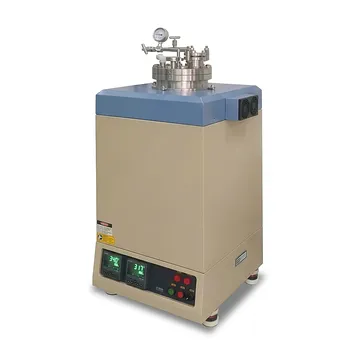
High Temperature 1000C Vacuum Furnace with 8 Inch ID Chamber for Material Sintering and Research Annealing
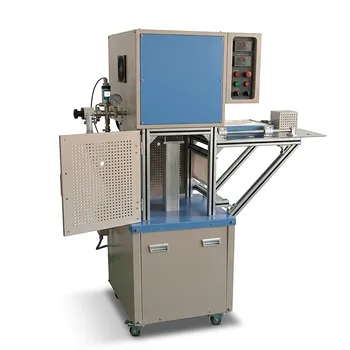
Bottom Loading Vacuum Furnace 1200C Rapid Cooling Atmosphere Control Quartz Chamber
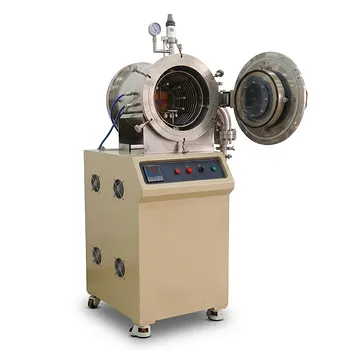
High Temperature Cold Wall High Vacuum Chamber Furnace 1400C for Advanced Material Processing
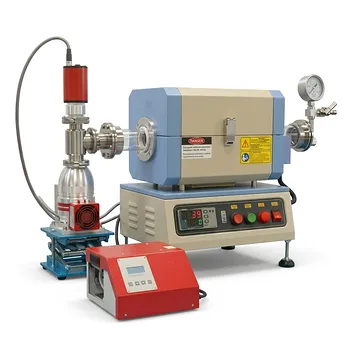
High Vacuum Compact Tube Furnace 1200C with Integrated Turbo Pump System and 8 Inch Heating Zone
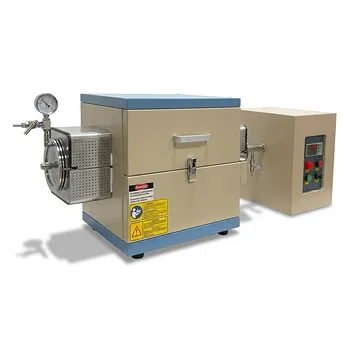
1200C High Temperature 5 Inch Split Vacuum Tube Furnace with 12 Inch Heating Zone and Separated PID Controller
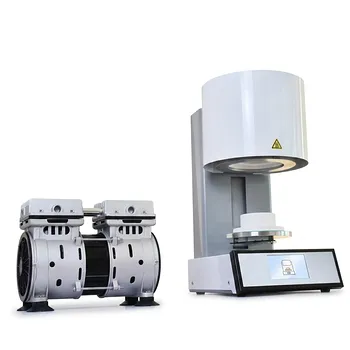
Vacuum Dental Porcelain Sintering Furnace for High Precision Ceramic Restorations

Vertical 1700C Vacuum and Atmosphere Tube Furnace with 80mm Alumina Tube
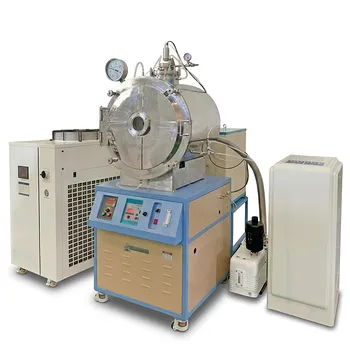
Ultra High Temperature Induction Heated Vacuum Furnace with Molten Salt Electrolysis Capability and 3000 Degree Precision Control
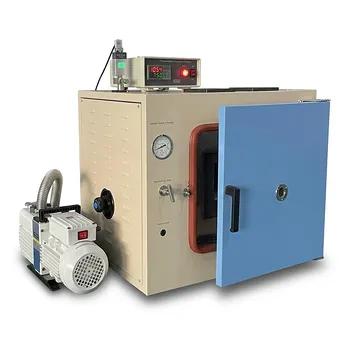
Compact High Vacuum Box Furnace 1050C Max 6.2L Ceramic Chamber Stainless Steel Shell Programmable Temperature Controller for Material Science Research
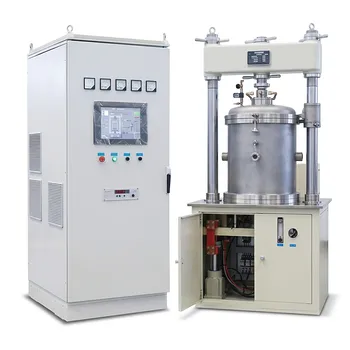
Industrial Vacuum Hot Press Furnace Machine and High Temperature Heated Vacuum Press for Advanced Material Sintering
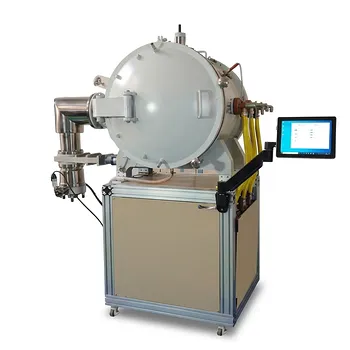
High Temperature Cold Wall Vacuum Furnace for Advanced Material Sintering and Annealing 1600C Heating Area 200x200x300mm
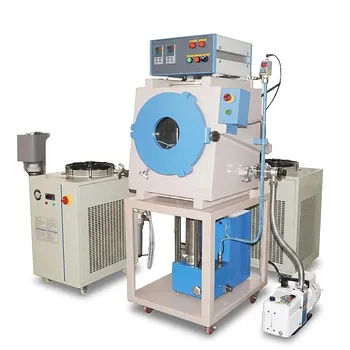
High Temperature Vacuum Lamination Hot Press Furnace Machine for Semiconductor Wafer Bonding and Advanced Composite Thermal Processing
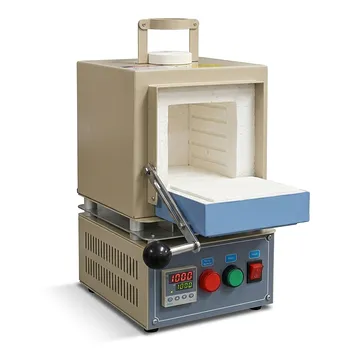
Compact 1000C Muffle Furnace with Programmable Controller and 2 Inch Top Port for Vacuum and Atmosphere Material Research
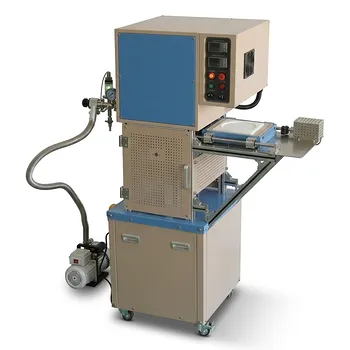
1200°C Bottom Loading Vacuum Furnace with Rapid Gas Cooling and 8.6 Inch Diameter Quartz Chamber

1800C High Temperature Compact Vacuum Tube Furnace with 60mm OD Alumina Tube and Kanthal MoSi2 Heating Elements
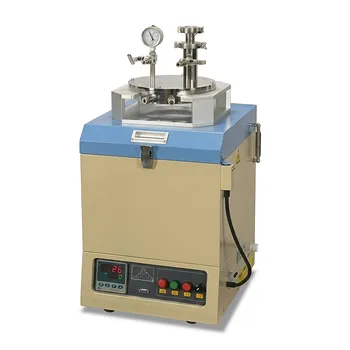
Vertical Vacuum Furnace 1100C High Temperature 8 Inch Quartz Chamber Water Cold Flange System
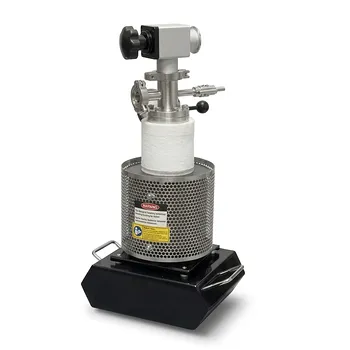
High Temperature 1100C Compact Top Loading Vertical Vacuum Tube Furnace for High Vacuum Noble Metal Melting and Material Research
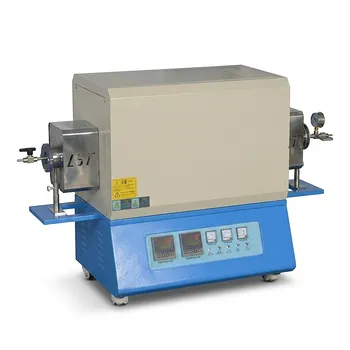
High Temperature Dual Zone Vacuum Tube Furnace for Material Research and CVD Processing
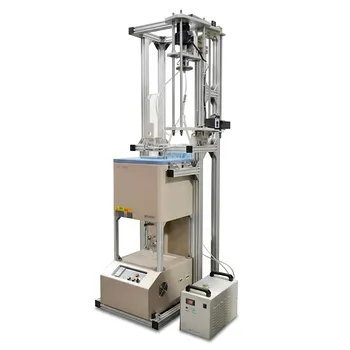
500C Vacuum Vertical Tube Furnace 84mm OD Sample Rotation Lifting System