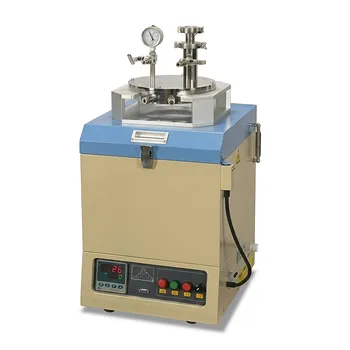
Why is a vacuum oven preferred for heating bimetallic gel precursors? Preserve Purity and Structural Integrity
Updated 3 months ago
The choice of a vacuum oven for processing bimetallic gels is a strategic decision to preserve both structural integrity and chemical purity. For iron and cobalt alginate gels, segmented heating in a vacuum environment allows for efficient moisture removal at low temperatures, specifically around 60°C and 100°C. This specific environment prevents the collapse of the internal microporous structure and inhibits the unintended oxidation of sensitive metal ions.
Core Takeaway: A vacuum oven is preferred because it facilitates low-temperature dehydration to protect delicate pore networks and provides a reduced-oxygen environment that prevents the oxidative degradation of iron and cobalt species.
Preserving the Delicate Microporous Architecture
Lowering the Boiling Point for Gentle Dehydration
Vacuum environments reduce atmospheric pressure, effectively lowering the boiling point of water and residual solvents. This allows moisture to evaporate efficiently at lower target temperatures, preventing the violent vaporization that occurs at standard boiling points.
Preventing Structural Collapse and Shrinkage
By removing moisture gently and at lower temperatures, the vacuum prevents the internal microporous structure from undergoing severe shrinkage or component segregation. This preservation is critical for bimetallic gels, where maintaining a uniform distribution of iron and cobalt is essential for the final material's performance.
Ensuring Surface Morphological Uniformity
In a standard oven, rapid surface drying can trap moisture inside, leading to cracks or "skinning." A vacuum environment ensures a more thorough degassing process, pulling moisture from the deep pores of the gel to maintain a consistent morphology throughout the precursor.
Chemical Stability and Oxidation Control
Isolating Metal Ions from Atmospheric Oxygen
Iron and cobalt ions are highly sensitive to oxygen, especially during thermal treatment, which can lead to unintended oxidation. The vacuum environment effectively isolates the precursor from air, ensuring the chemical properties of the bimetallic ions remain stable and unreacted.
Avoiding Component Segregation
When water evaporates too quickly or at high temperatures, it can cause the dissolved metal components to migrate and aggregate. The controlled, low-temperature evaporation provided by a vacuum oven maintains the chemical uniformity established during the gelation phase.
Preparing for High-Temperature Calcination
Removing solvents and moisture deeply within the vacuum environment prevents rapid vaporization during subsequent high-temperature steps. If not properly degassed, trapped solvents could expand violently, causing the framework to rupture or particles to agglomerate.
Understanding the Trade-offs
Heat Transfer Limitations
In a vacuum, heat transfer occurs primarily through conduction and radiation rather than convection. This can lead to slower heating cycles and requires the precursor to have good physical contact with the shelves to ensure temperature uniformity.
Equipment Maintenance and Complexity
Vacuum ovens require specialized pumps and seals to maintain a low-pressure environment, which increases operational complexity. Any compromise in the vacuum seal can introduce oxygen, potentially ruining oxygen-sensitive iron or cobalt precursors.
Optimizing Your Drying Protocol
To achieve the best results when handling bimetallic gel precursors, consider the specific goals of your synthesis:
- If your primary focus is structural morphology: Use a vacuum to facilitate low-temperature evaporation, which prevents the collapse of the microporous framework and avoids component segregation.
- If your primary focus is chemical purity: Prioritize the vacuum environment to provide an inert-like atmosphere that protects iron and cobalt ions from air-induced oxidation.
- If your primary focus is subsequent thermal stability: Ensure an extended vacuum drying phase to achieve thorough degassing, preventing structural damage during future high-temperature calcination.
By leveraging a vacuum oven, you ensure that the bimetallic gel precursor maintains both its vital physical architecture and its precise chemical composition for high-performance applications.
Summary Table:
| Key Benefit | Mechanism | Impact on Bimetallic Gels |
|---|---|---|
| Structural Preservation | Lower boiling point for gentle dehydration | Prevents pore collapse, shrinkage, and segregation. |
| Chemical Stability | Oxygen-isolated environment | Inhibits unintended oxidation of sensitive Fe and Co ions. |
| Morphological Uniformity | Thorough degassing and surface control | Eliminates cracking and ensures consistent precursor quality. |
| Pre-Calcination Prep | Deep solvent removal | Prevents violent vaporization during high-temperature steps. |
Elevate Your Material Synthesis with THERMUNITS Precision Solutions
Achieving the perfect chemical purity and structural integrity for iron and cobalt bimetallic precursors requires world-class thermal control. THERMUNITS is a leading manufacturer of high-temperature laboratory equipment specifically designed for material science and industrial R&D.
Whether your research requires Vacuum Ovens, Atmosphere Furnaces, CVD/PECVD systems, or specialized Tube and Muffle Furnaces, we provide the comprehensive thermal processing solutions needed to prevent oxidation and ensure uniform material morphology. Our expertise extends to a wide range of advanced equipment, including Rotary kilns, Vacuum Induction Melting furnaces (VIM), and Hot Press systems.
Ready to optimize your laboratory heat treatment? Our team is here to help you select the ideal equipment for your specific R&D needs.
Contact THERMUNITS Today to Get a Quote
References
- Jingyu Zhao, Jiayi Zhang. Cobalt/Iron Bimetallic Biochar Composites for Lead(II) Adsorption: Mechanism and Remediation Performance. DOI: 10.3390/molecules29071595
Mentioned Products
- High Temperature Cold Wall High Vacuum Chamber Furnace 1400C for Advanced Material Processing
- High Temperature 1000C Vacuum Furnace with 8 Inch ID Chamber for Material Sintering and Research Annealing
- Bottom Loading Vacuum Furnace 1200C Rapid Cooling Atmosphere Control Quartz Chamber
- High Vacuum Compact Tube Furnace 1200C with Integrated Turbo Pump System and 8 Inch Heating Zone
- 1200C High Temperature 5 Inch Split Vacuum Tube Furnace with 12 Inch Heating Zone and Separated PID Controller
People Also Ask
- What is the function of high-vacuum furnaces in (Mo2/3V1/3)n+1AlCn MAX phase synthesis? Ensure Purity & Diffusion.
- Why must MoS2 samples undergo high vacuum dehydration? Key to a-IGZO Heterojunction Stability
- Why is a vacuum oven required for Si-C composite drying? Achieve total decontamination & prevent oxidation.
- How do vacuum furnaces facilitate high purity in the electronics and semiconductor industry? Elevate Material Standards
- What is the structural significance of the cold-wall design in a vacuum furnace? Enhance Safety & Performance

Tech Team · ThermUnits
Last updated on Jun 02, 2026
Related Products
High Temperature Cold Wall High Vacuum Chamber Furnace 1400C for Advanced Material Processing
High Temperature 1000C Vacuum Furnace with 8 Inch ID Chamber for Material Sintering and Research Annealing
Bottom Loading Vacuum Furnace 1200C Rapid Cooling Atmosphere Control Quartz Chamber
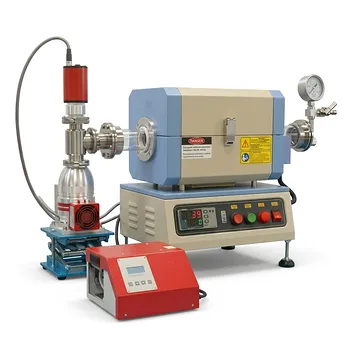
High Vacuum Compact Tube Furnace 1200C with Integrated Turbo Pump System and 8 Inch Heating Zone
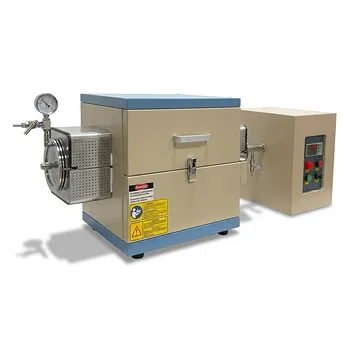
1200C High Temperature 5 Inch Split Vacuum Tube Furnace with 12 Inch Heating Zone and Separated PID Controller

Vertical 1700C Vacuum and Atmosphere Tube Furnace with 80mm Alumina Tube
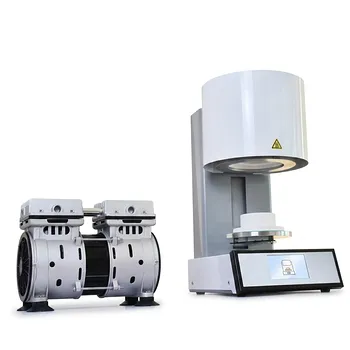
Vacuum Dental Porcelain Sintering Furnace for High Precision Ceramic Restorations
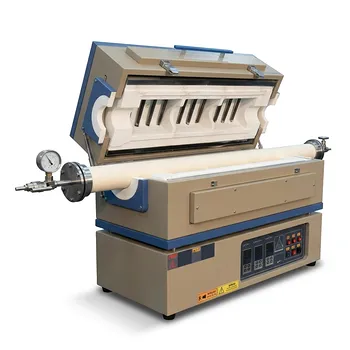
1600C Three Zone Split Tube Furnace with Alumina Tube and Vacuum Flange
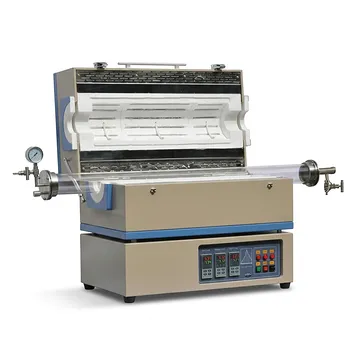
24 Inch Three Zone Split Tube Furnace with Optional Quartz Tube and Vacuum Flange System for High Temperature Material Synthesis
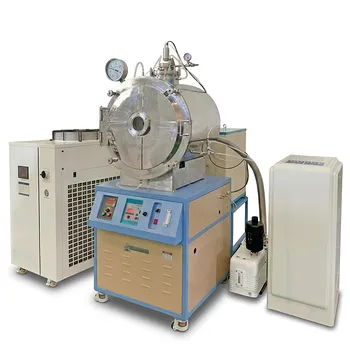
Ultra High Temperature Induction Heated Vacuum Furnace with Molten Salt Electrolysis Capability and 3000 Degree Precision Control
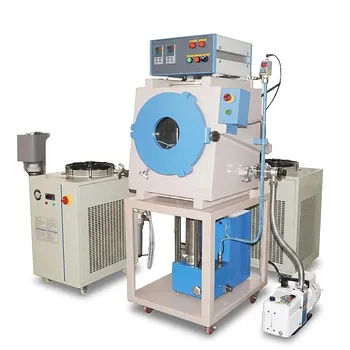
High Temperature Vacuum Lamination Hot Press Furnace Machine for Semiconductor Wafer Bonding and Advanced Composite Thermal Processing
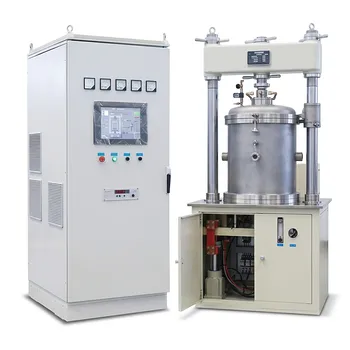
Industrial Vacuum Hot Press Furnace Machine and High Temperature Heated Vacuum Press for Advanced Material Sintering
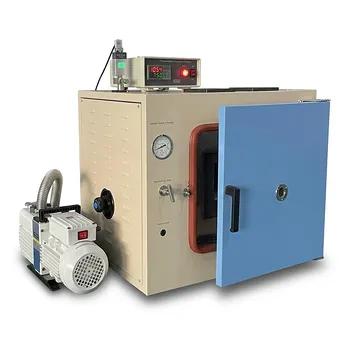
Compact High Vacuum Box Furnace 1050C Max 6.2L Ceramic Chamber Stainless Steel Shell Programmable Temperature Controller for Material Science Research
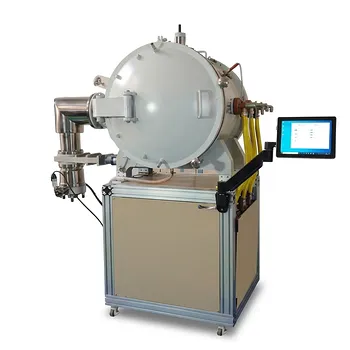
High Temperature Cold Wall Vacuum Furnace for Advanced Material Sintering and Annealing 1600C Heating Area 200x200x300mm
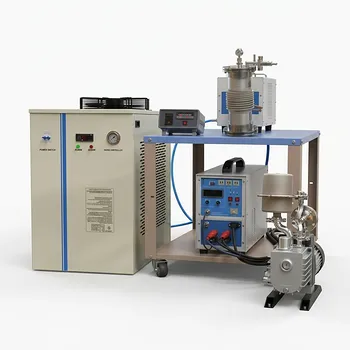
Induction Heating System with Temperature Control for High Temperature Vacuum Sintering and Melting
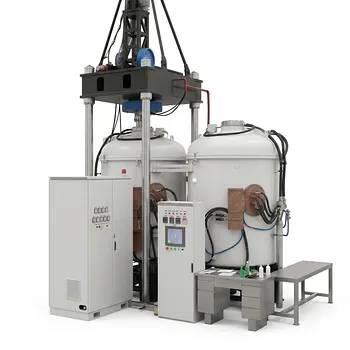
High Pressure 600T Vacuum Induction Hot Press Furnace for Advanced Material Heat Treatment and Sintering

1800C High Temperature Compact Vacuum Tube Furnace with 60mm OD Alumina Tube and Kanthal MoSi2 Heating Elements
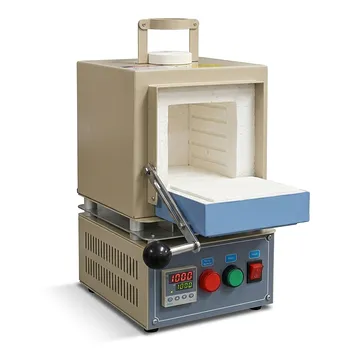
Compact 1000C Muffle Furnace with Programmable Controller and 2 Inch Top Port for Vacuum and Atmosphere Material Research
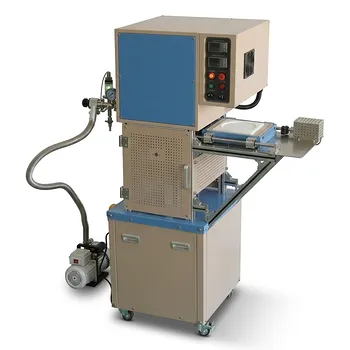
1200°C Bottom Loading Vacuum Furnace with Rapid Gas Cooling and 8.6 Inch Diameter Quartz Chamber