Why is a vacuum tube furnace required for the final secondary heat treatment of CIHP-SPAN electrodes? Optimize Bonding
Updated 3 months ago
A vacuum tube furnace is indispensable for CIHP-SPAN electrodes because it provides the controlled environment required to cyclize polyacrylonitrile (PAN) and facilitate its chemical bonding with sulfur. This specific thermal process, conducted at 350 °C under an argon atmosphere, transforms the precursor into a sulfurized polyacrylonitrile (SPAN) active substance while simultaneously fusing it with an interconnected carbon nanotube (CNT) network to create a robust, self-supporting electrode framework.
Core Takeaway: The vacuum tube furnace serves as a precision reactor that triggers the dehydrogenation and cyclization of the polymer binder. By maintaining an inert, high-temperature environment, it enables the formation of stable chemical bonds between sulfur and the carbon matrix, ensuring high electrical conductivity and structural integrity.
The Chemical Transformation of the Active Material
Achieving Polymer Cyclization
The primary purpose of the heat treatment is to initiate the cyclization of polyacrylonitrile (PAN). In this stage, the linear polymer chains are converted into a stable, ladder-like cyclic structure, which is essential for the thermal stability of the electrode.
Facilitating Sulfur Bonding
Within the furnace’s controlled heat zone, sulfur becomes chemically integrated into the cyclized PAN matrix, creating SPAN. This chemical bonding is superior to simple physical mixing, as it prevents sulfur dissolution and the "shuttle effect" often seen in lithium-sulfur batteries.
Removal of Volatile Impurities
The furnace environment facilitates the thermal decomposition of unstable functional groups and removes residual organic solvents or moisture. This purification ensures that the pores within the electrode remain open for electrolyte infiltration and ion transport.
Structural Integration and Conductivity
Constructing the CNT Framework
The furnace provides the specific thermal energy required to bind the carbon nanotube (CNT) network tightly with the SPAN active substance. This creates a flexible, self-supporting framework that does not require a traditional metallic current collector.
Enhancing Electron Transport
By pyrolyzing the binder and reducing materials like graphene oxide (if present) to their reduced forms, the furnace significantly increases the degree of conductivity. This ensures that electrons move efficiently throughout the entire volume of the thick electrode.
Optimizing Interface Wetting
The high-vacuum or inert gas environment eliminates interfacial defects and surface residues that can hinder carrier transport. This results in superior contact between the active materials and the conductive network, reducing overall internal resistance.
Understanding the Trade-offs and Constraints
Temperature Sensitivity
Precise temperature control is critical; if the temperature significantly exceeds the optimal 350–400 °C range, the sulfur may sublime or dissociate from the carbon matrix. Conversely, insufficient heat results in incomplete cyclization, leading to poor electrochemical stability.
Energy Consumption and Throughput
The use of a vacuum tube furnace is a batch process that requires significant time for heating, soaking, and cooling. This can lead to higher production costs and lower throughput compared to continuous processing methods.
Atmosphere Management
Maintaining a high-purity argon environment is non-negotiable to prevent the oxidation of the carbon framework. Any leak in the system can introduce oxygen, which would degrade the carbon nanotubes and compromise the structural integrity of the electrode.
Applying This Process to Your Goal
How to Apply This to Your Project
To maximize the efficacy of your heat treatment, the specific parameters should be adjusted based on your performance targets.
- If your primary focus is maximum cycling life: Prioritize a slower heating rate (e.g., 5°C/min) and a pure argon atmosphere to ensure deep sulfur bonding and the removal of unstable surface groups.
- If your primary focus is high-rate discharge performance: Focus on the higher end of the temperature spectrum (near 400 °C) to maximize the reduction of graphene components and optimize the conductive network.
- If your primary focus is mechanical flexibility: Ensure the cyclization time at 350 °C is strictly controlled to maintain the structural elasticity of the PAN-derived framework without making it overly brittle.
By masterfully controlling the thermal and atmospheric conditions of the vacuum tube furnace, you transform a simple mixture into a sophisticated, high-performance electrochemical architecture.
Summary Table:
| Process Objective | Furnace Function | Impact on Electrode Performance |
|---|---|---|
| PAN Cyclization | Precise 350°C thermal control | Creates stable, ladder-like polymer structure |
| Sulfur Bonding | Controlled reaction zone | Prevents sulfur dissolution and the "shuttle effect" |
| Impurity Removal | Vacuum/Inert environment | Eliminates solvents & moisture for better ion transport |
| CNT Integration | High-temperature fusion | Builds a self-supporting, conductive carbon network |
| Residue Reduction | Atmosphere management | Minimizes oxidation to maintain structural integrity |
Elevate Your Material Research with THERMUNITS
Precision in thermal processing is the difference between a failed experiment and a breakthrough in battery technology. THERMUNITS is a leading manufacturer of high-temperature laboratory equipment, providing the exact atmospheric and temperature control required for advanced materials like CIHP-SPAN electrodes.
Whether you need to facilitate complex chemical vapor deposition or ensure precise polymer cyclization, our comprehensive range of thermal solutions is designed for excellence:
- Specialized Furnaces: Vacuum Tube Furnaces, Muffle, Atmosphere, Rotary, and Hot Press Furnaces.
- Advanced Systems: CVD/PECVD systems, Vacuum Induction Melting (VIM), and Electric Rotary Kilns.
- Precision Tools: Dental Furnaces and high-quality Thermal Elements.
Ready to optimize your heat treatment workflow? Contact our technical experts today to find the perfect furnace for your R&D or industrial application. Let THERMUNITS provide the reliability and precision your innovation deserves.
References
- Jiashuo Shao, Zongtao Zhang. Flexible CNT-Interpenetrating Hierarchically Porous Sulfurized Polyacrylonitrile (CIHP-SPAN) Electrodes for High-Rate Lithium-Sulfur (Li-S) Batteries. DOI: 10.3390/nano14131155
Mentioned Products
- 1800C High Temperature Compact Vacuum Tube Furnace with 60mm OD Alumina Tube and Kanthal MoSi2 Heating Elements
- High Vacuum Compact Tube Furnace 1200C with Integrated Turbo Pump System and 8 Inch Heating Zone
- 500C Vacuum Vertical Tube Furnace 84mm OD Sample Rotation Lifting System
- 1750°C High Temperature Benchtop Vacuum Atmosphere Tube Furnace with Kanthal Super 1800 Heating Elements and 60mm Alumina Processing Tube
- 1200C High Temperature 5 Inch Split Vacuum Tube Furnace with 12 Inch Heating Zone and Separated PID Controller
People Also Ask
- What core functions does a high-temperature vacuum tube furnace provide? Optimize np-CuSn Sintering & Joint Integrity
- What is the primary function of a high-temperature tube furnace in Cu1-N-C synthesis? Precision Thermal Control.
- What impact does the heating rate of a tube furnace have on biochar microstructure? Optimize Your Material R&D.
- Role of Tube Furnace in KNNLST Ceramic Synthesis: Achieve High Phase Purity and Thermal Uniformity
- What is the role of a high-temperature tube furnace in the preparation of S-C3N4? Master Precision Material Synthesis

Tech Team · ThermUnits
Last updated on Jun 03, 2026
Related Products

1800C High Temperature Compact Vacuum Tube Furnace with 60mm OD Alumina Tube and Kanthal MoSi2 Heating Elements
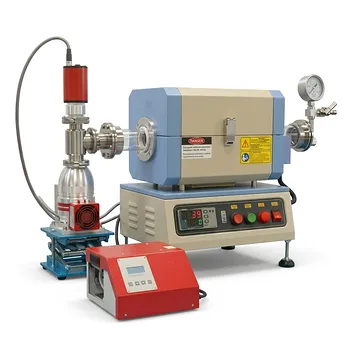
High Vacuum Compact Tube Furnace 1200C with Integrated Turbo Pump System and 8 Inch Heating Zone
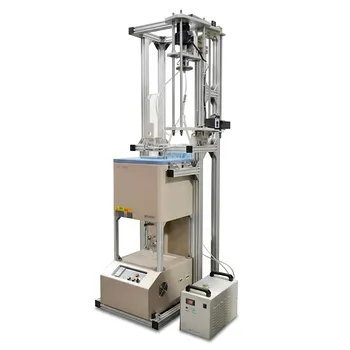
500C Vacuum Vertical Tube Furnace 84mm OD Sample Rotation Lifting System

1750°C High Temperature Benchtop Vacuum Atmosphere Tube Furnace with Kanthal Super 1800 Heating Elements and 60mm Alumina Processing Tube
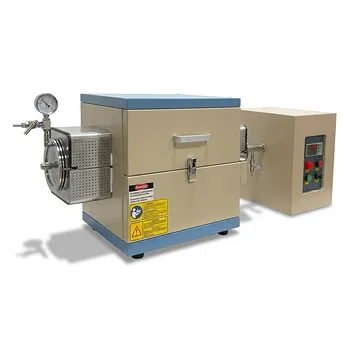
1200C High Temperature 5 Inch Split Vacuum Tube Furnace with 12 Inch Heating Zone and Separated PID Controller
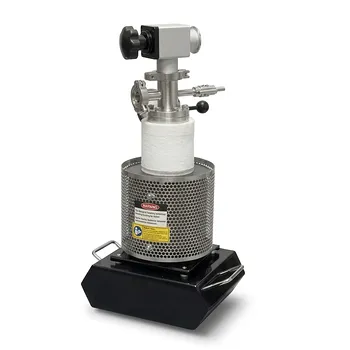
High Temperature 1100C Compact Top Loading Vertical Vacuum Tube Furnace for High Vacuum Noble Metal Melting and Material Research
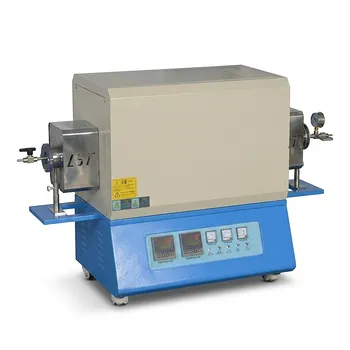
High Temperature Dual Zone Vacuum Tube Furnace for Material Research and CVD Processing

Vertical 1700C Vacuum and Atmosphere Tube Furnace with 80mm Alumina Tube

High Temperature 1700C Tube Furnace with High Vacuum Turbomolecular Pump System and Multi Channel Mass Flow Controller Gas Mixer

1100C Tube Furnace with Vacuum Flange and Programmable Temperature Controller for Material Science and Industrial Heat Treatment
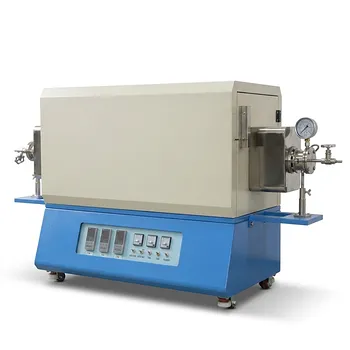
Three Temperature Zone High Temperature Vacuum Tube Furnace for CVD and Material Sintering
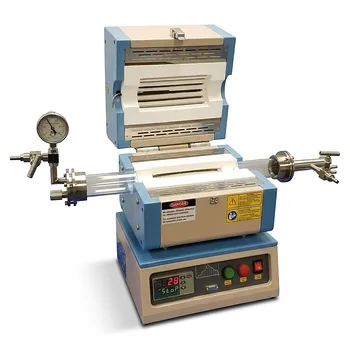
Compact Split Tube Furnace with Integrated Vacuum System and Precision Temperature Calibrator
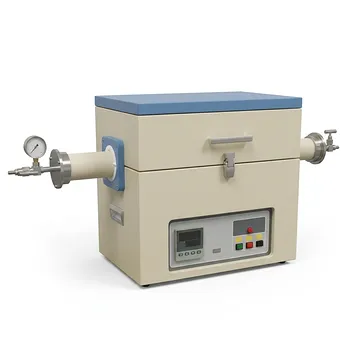
1250C Split Tube Furnace with 3 Inch Mullite Tube and Vacuum Sealing Flanges for Precision Thermal Processing
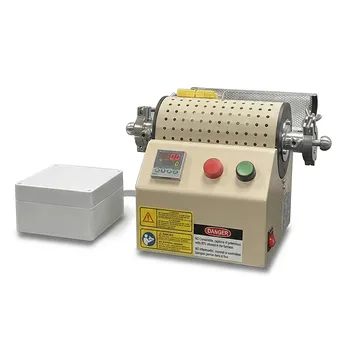
1000C Mini Tube Furnace with 20mm Quartz Tube and Vacuum Flanges for Material Science Research and Controlled Atmosphere Small Sample Processing

Compact High Temperature 1600C Tube Furnace with 50mm Alumina Tube and Vacuum Flanges for Material Sintering

Compact Vertical Split Quartz Tube Furnace with Stainless Steel Vacuum Flanges for Rapid Thermal Quenching and Controlled Atmosphere Material Processing
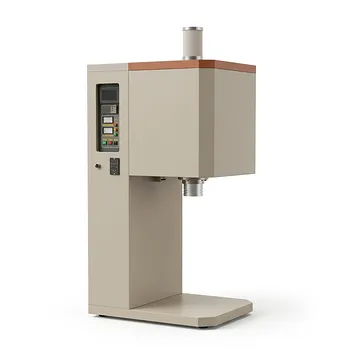
Vertical Openable Tube Furnace 0-1700c High Temperature Laboratory System for CVD and Vacuum Heat Treatment
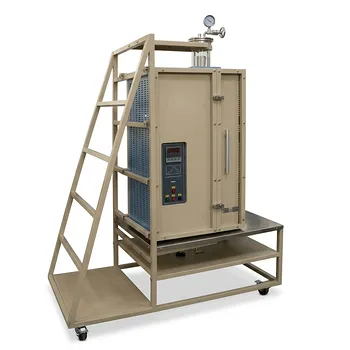
Split Vertical Tube Furnace with 1200C Quartz Tube and Stainless Steel Vacuum Flanges for Rapid Thermal Processing

High Temperature 1700C Six Zone Split Tube Furnace with Alumina Tube and Water Cooled Flanges
