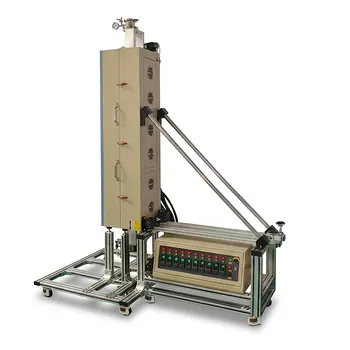
Why is an industrial-grade electric heating tube furnace typically selected for the heating stage of methane pyrolysis? | Precise R&D
Updated 3 months ago
Precision Thermal Regulation for Advanced Carbon Synthesis
An industrial-grade electric heating tube furnace is selected for methane pyrolysis because it provides the precise, stable, and high-temperature environment (typically 1000°C to 1100°C) required to drive the reaction. Beyond simple heating, these furnaces allow for the strict control of carbon morphology, enabling researchers to determine whether the final output consists of pyrolytic carbon flakes, carbon nano-onions, or carbon black aggregates.
Core Takeaway: The tube furnace serves as a precision-controlled chemical reactor that dictates the structural outcome of the pyrolysis process by maintaining exact thermal stability and an oxygen-free atmosphere.
Precision Control of Carbon Morphologies
Influencing the Reaction Rate
The primary function of the furnace is to maintain a specific temperature range that governs the kinetics of methane decomposition. By accurately adjusting the thermal environment, operators can accelerate or decelerate the pyrolysis reaction to meet specific production targets.
Defining Material Structure
Methane pyrolysis can produce various carbon forms, such as nano-onions or flakes. The electric heating tube furnace provides the granular control necessary to favor one morphology over another, which is critical for the material’s final industrial application.
Ensuring Product Consistency
Stable high temperatures ensure that the resulting carbon products have uniform characteristics. This stability prevents the creation of unwanted byproducts and ensures that the carbon quality remains consistent throughout the entire production cycle.
Atmospheric Integrity and Process Safety
Maintaining an Oxygen-Free Environment
Methane pyrolysis must occur in a strictly oxygen-free or oxygen-deficient environment to prevent combustion and ensure pure carbon yield. The sealed design of a tube furnace allows for the continuous introduction of inert shielding gases, such as nitrogen or argon.
Facilitating Chemical Bond Cleavage
The industrial-grade heater provides the physical foundation for efficient Carbon-Carbon (C-C) bond cleavage. This controlled heat source optimizes the yield of hydrogen and solid carbon while preventing excessive carbonization that could clog the system.
Enabling Multi-Stage Processing
High-temperature tube furnaces support programmable temperature control, allowing for specific heating rates and dwell times. This is essential for the thermodynamic anchoring of atoms and the vaporization of templates if catalysts are used during the pyrolysis stage.
Integration and Scalability
Downstream Device Connection
The horizontal design of many industrial tube furnaces facilitates the seamless connection of downstream devices. This allows for the efficient collection of gases and the migration of pyrolysis products like char and tar into condensation units.
Resilience Under High-Temperature Stress
Industrial-grade units are built to withstand sustained operations at 1100°C and beyond. Their construction ensures that the interior of the reactor remains stable even under the extreme thermal loads required for methane cracking.
Understanding the Trade-offs
Energy Consumption vs. Yield
Maintaining temperatures above 1000°C requires significant electrical input, which can impact the cost-efficiency of the process. While higher temperatures increase the reaction rate, they also increase the wear on heating elements and insulation.
Sealing and Maintenance Challenges
The requirement for a strictly sealed environment means that gaskets and seals are under constant thermal stress. Any failure in sealing integrity can introduce oxygen, which not only ruins the carbon product but also poses a significant safety risk when handling flammable gases like methane and hydrogen.
Thermal Lag and Ramping Limits
Despite their precision, large industrial furnaces may experience thermal lag, where the internal temperature does not immediately reflect the control settings. This necessitates careful programming to avoid overshooting target temperatures, which could inadvertently alter the carbon morphology.
How to Apply This to Your Project
When selecting or operating a furnace for methane pyrolysis, your technical requirements should dictate the specific configuration of the unit.
- If your primary focus is material purity: Prioritize a furnace with advanced gas-tight sealing and integrated mass flow controllers to maintain a perfect inert atmosphere.
- If your primary focus is structural diversity: Select a furnace with highly programmable, multi-zone heating to allow for the precise "tuning" of temperature gradients.
- If your primary focus is process monitoring: Ensure the furnace design allows for the easy integration of downstream sampling ports to track the conversion efficiency of methane.
Choosing the right thermal environment is the foundational step in transforming raw methane into high-value carbon structures.
Summary Table:
| Feature | Strategic Role in Methane Pyrolysis |
|---|---|
| Thermal Precision | Maintains stable 1000°C–1100°C for consistent C-C bond cleavage. |
| Morphology Control | Regulates reaction kinetics to define carbon structures (nano-onions/flakes). |
| Atmospheric Integrity | Gas-tight sealing prevents combustion by maintaining oxygen-free environments. |
| Process Scalability | Facilitates downstream connection for efficient hydrogen and carbon collection. |
Elevate Your Carbon Research with THERMUNITS
Precision is the difference between research and a breakthrough. THERMUNITS is a leading manufacturer of high-temperature laboratory equipment, specializing in solutions for material science and industrial R&D. Whether you are conducting methane pyrolysis or advanced thin-film deposition, our equipment delivers the thermal stability and atmospheric control you require.
Our comprehensive range includes:
- Tube & Rotary Furnaces: Optimized for continuous high-temperature processing.
- CVD/PECVD Systems: Essential for advanced chemical vapor deposition projects.
- Vacuum & Atmosphere Furnaces: Designed for strictly oxygen-free environments.
- Specialized Solutions: Muffle, Hot Press, Dental, and Vacuum Induction Melting (VIM) furnaces.
Don't let thermal instability compromise your results. Contact THERMUNITS today to discuss your custom furnace requirements and discover how our expertise can accelerate your innovation.
References
- Neele Uhlenbruck, Thomas Wetzel. A Carbon Capture and Utilization Process for the Production of Solid Carbon Materials from Atmospheric CO<sub>2</sub> – Part 2: Carbon Characterization. DOI: 10.1002/cssc.202401780
Mentioned Products
- 1250C Compact Split Tube Furnace with 8 Inch Heating Zone and Programmable Controller
- High Temperature Tube Furnace 1500C with Sliding Flanges and 50mm OD for Rapid Thermal Processing Fast Heating and Cooling
- High Temperature 1700C Benchtop Tube Furnace with 5 Inch Heating Zone High Purity Alumina Tube and Vacuum Sealing Flanges
- 1100C Tube Furnace with Vacuum Flange and Programmable Temperature Controller for Material Science and Industrial Heat Treatment
- High Vacuum Compact Tube Furnace 1200C with Integrated Turbo Pump System and 8 Inch Heating Zone
People Also Ask
- What is the primary engineering purpose for using a customized ventilation hood when operating a split tube furnace? RCF Safety
- How does a split tube furnace facilitate debinding of ceramic green bodies? Master Precise Thermal & Atmosphere Control
- What are the advantages of using a split tube furnace for heating a catalytic reactor? Boost Efficiency and Precision
- How does a split tube furnace contribute to the thermal stabilization of Clignin@H-TiO2? Achieve Structural Precision
- What are the specific advantages and use cases for a split tube furnace? Optimize Lab Efficiency & Material Research

Tech Team · ThermUnits
Last updated on Jun 03, 2026
Related Products
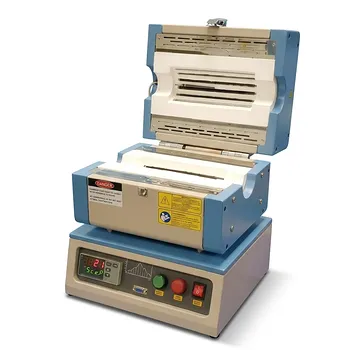
1250C Compact Split Tube Furnace with 8 Inch Heating Zone and Programmable Controller

High Temperature Tube Furnace 1500C with Sliding Flanges and 50mm OD for Rapid Thermal Processing Fast Heating and Cooling

High Temperature 1700C Benchtop Tube Furnace with 5 Inch Heating Zone High Purity Alumina Tube and Vacuum Sealing Flanges

1100C Tube Furnace with Vacuum Flange and Programmable Temperature Controller for Material Science and Industrial Heat Treatment
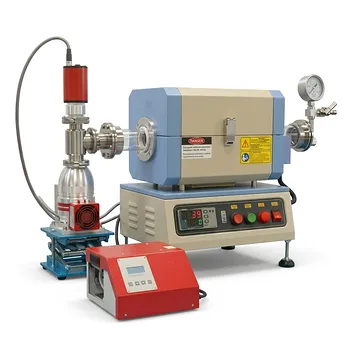
High Vacuum Compact Tube Furnace 1200C with Integrated Turbo Pump System and 8 Inch Heating Zone
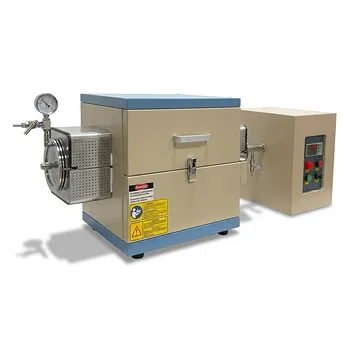
1200C High Temperature 5 Inch Split Vacuum Tube Furnace with 12 Inch Heating Zone and Separated PID Controller

1800C High Temperature Compact Vacuum Tube Furnace with 60mm OD Alumina Tube and Kanthal MoSi2 Heating Elements
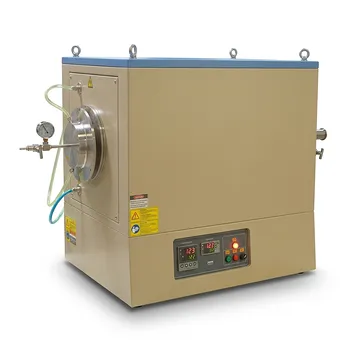
1100°C Large Diameter Quartz Tube Furnace with 24 Inch Heating Zone and Water Cooled Flanges
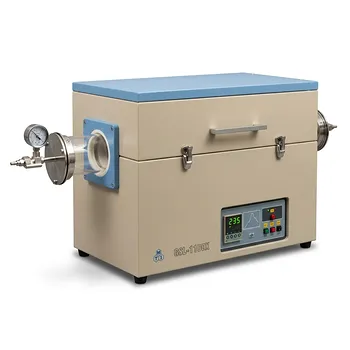
Single Zone Tube Furnace 5 Inch Quartz Tube 36 Inch Heating Zone Vacuum Flanges
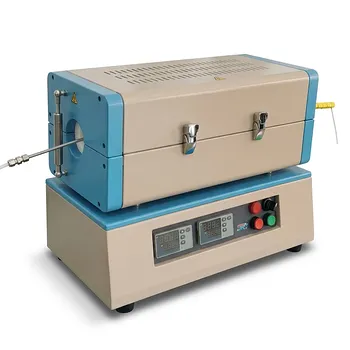
Gas Pre-Heating Tube Furnace for High Temperature Pyrolysis Reactors and Material Science Research
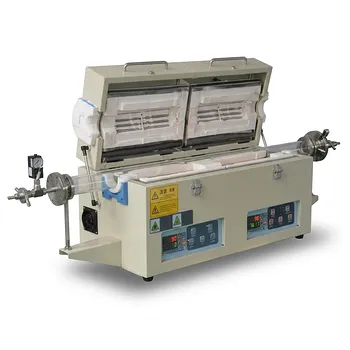
Elongated Two Temperature Zone Pipe Furnace for Industrial Heat Treatment and Material Science Research
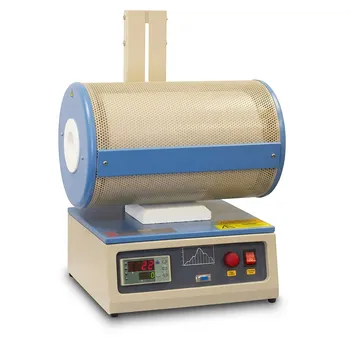
Multi Position Tube Furnace 1100C for Laboratory Material Research and Advanced Industrial Thermal Processing

Compact High Temperature 1600C Tube Furnace with 50mm Alumina Tube and Vacuum Flanges for Material Sintering

High Temperature 1700C Tube Furnace with High Vacuum Turbomolecular Pump System and Multi Channel Mass Flow Controller Gas Mixer
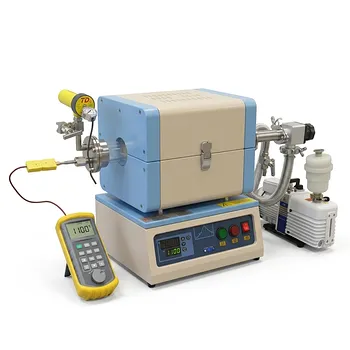
Compact Split Tube Furnace with Insertable Temperature Calibrator and Integrated Vacuum System
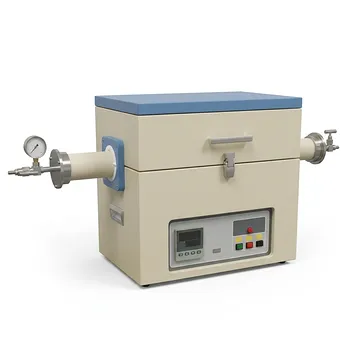
1250C Split Tube Furnace with 3 Inch Mullite Tube and Vacuum Sealing Flanges for Precision Thermal Processing

Vertical 1700C Vacuum and Atmosphere Tube Furnace with 80mm Alumina Tube

High Temperature 1700C Six Zone Split Tube Furnace with Alumina Tube and Water Cooled Flanges
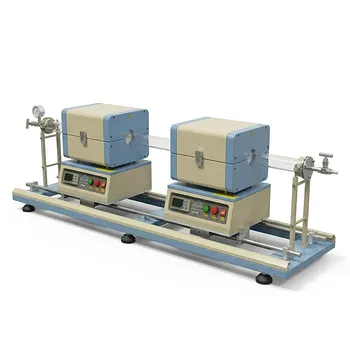
1200C Max Dual Sliding Tube Furnace with 50 mm Tube Flanges for CVD