Why is boron nitride spray applied to glass boats for PMMA heat treatment? Ensure Data Precision & Hardware Safety
Updated 6 months ago
Boron nitride spray acts as a specialized high-temperature barrier between polymer samples and laboratory glassware. It is applied to glass boats to prevent molten PMMA from adhering to or etching the glass surface during thermal decomposition. This protection is critical for maintaining measurement accuracy and ensuring the hardware can be cleaned and reused.
Boron nitride functions as a non-reactive release agent that preserves the integrity of glass boats and prevents mechanical errors in mass-loss measurements during PMMA heat treatment.
The Role of Boron Nitride as a Protective Interface
Preventing Material Adhesion
During the heat treatment process, PMMA transitions into a molten phase before it fully decomposes. Without a barrier, this liquid polymer establishes a strong bond with the glass as it flows and cools.
Boron nitride creates a dry-film lubricant layer that makes the surface "slick." This ensures that the polymer residue remains separate from the glass substrate throughout the thermal cycle.
Neutralizing Surface Etching
High-temperature decomposition of polymers can sometimes release reactive intermediates that physically or chemically attack the glass. This results in etching, which creates a frosted or pitted surface on the boat.
The spray forms a chemical shield that absorbs the brunt of this thermal and chemical energy. By sacrificing the coating instead of the glass, the structural integrity of the boat is preserved.
Impact on Measurement Precision
Eliminating Torque Interference
Many thermal experiments utilize balance beam mechanisms to measure mass loss in real-time. If the sample adheres to the container, it can create mechanical tension or "stick-slip" behavior.
This adhesion results in torque errors, where the scale misinterprets mechanical resistance as weight. Boron nitride ensures the sample moves independently of the boat, leading to cleaner data.
Ensuring Accurate Mass Loss Data
For the results to be valid, every milligram of lost mass must represent the decomposition of the sample alone. If the sample pulls glass fragments away due to adhesion, the final mass reading will be permanently skewed.
By acting as a high-temperature release agent, the spray ensures that the sample residue can be removed without taking any of the boat's mass with it.
Understanding the Trade-offs
Application Uniformity
The effectiveness of the barrier depends entirely on the evenness of the coating. An inconsistent spray can leave "islands" of bare glass where the PMMA can still bond and cause localized etching.
Potential for Sample Contamination
While boron nitride is highly stable, it is a foreign substance introduced into the environment. In extremely sensitive chemical analyses, users must ensure the spray's binder materials do not outgas and contaminate the sample.
Applying This Strategy to Your Laboratory Workflow
Effective use of boron nitride requires balancing the need for protection with the requirements of your specific measurement equipment.
- If your primary focus is Measurement Accuracy: Apply a thin, highly uniform layer and allow it to dry completely to prevent torque errors during the heating phase.
- If your primary focus is Equipment Longevity: Focus on coating the corners and "high-contact" areas of the boat where molten PMMA is most likely to pool and cause etching.
- If your primary focus is High-Throughput Testing: Use the spray to facilitate rapid "tap-out" cleaning, allowing you to cycle glass boats through experiments with minimal downtime.
Boron nitride is the essential bridge between the volatile behavior of molten polymers and the need for stable, repeatable scientific measurements.
Summary Table:
| Function | Key Benefit | Impact on Research |
|---|---|---|
| Adhesion Prevention | Prevents PMMA from sticking to glass | Ensures hardware is reusable and easy to clean |
| Chemical Shielding | Protects against surface etching | Preserves the structural integrity of glass boats |
| Mechanical Release | Eliminates torque & weight errors | Guarantees high-precision mass loss measurements |
| Thermal Interface | High-temperature stability | Maintains sample purity and consistent thermal results |
Optimize Your Thermal Research with THERMUNITS
Precision in material science starts with the right environment. THERMUNITS is a leading manufacturer of high-performance laboratory equipment designed for the most demanding industrial R&D. From Muffle and Vacuum furnaces to CVD/PECVD systems and Rotary kilns, our thermal processing solutions ensure the stability and accuracy your experiments require.
Whether you are processing polymers or advanced ceramics, our equipment—including Tube, Hot Press, and Dental furnaces—is engineered for excellence.
Ready to upgrade your lab? Contact our technical experts today to find the perfect heat treatment solution for your needs.
References
- Karen De Lannoye, Lukas Arnold. Effect of flow velocity, atmosphere and sample thickness on the mass loss rate of PMMA in the tube furnace. DOI: 10.1088/1742-6596/2885/1/012024
Mentioned Products
- Compact Atmosphere Controlled Rapid Thermal Processing RTP Furnace with 4 Inch ID Quartz Tube 1100C
- 1500C Three Zone Vertical Pyrolysis Furnace for Nanoparticle Synthesis and Advanced Oxide Coating
- Split Chamber CVD Tube Furnace with Vacuum Station Chemical Vapor Deposition System Machine
- High Temperature Hydrogen Atmosphere Box Furnace 1650C Max Reducing Environment Material Synthesis System 8x8x8 Chamber
- Compact Vertical Split Quartz Tube Furnace with Stainless Steel Vacuum Flanges for Rapid Thermal Quenching and Controlled Atmosphere Material Processing
People Also Ask
- What role does a SiC-coated graphite susceptor play in H2Se selenization? Boost RTP Thermal Uniformity & Film Purity.
- Why is a tube furnace required for FGM-PhG structural color ceramics? Key to Carbon Preservation & Vibrant Color
- What are the functional advantages of an RTP system for surface deposition? Enhance Heterojunction Interface Integrity
- In what ways does an atmosphere control system affect nanoporous gold structure? Control Oxygen for Precision Design.
- Why must carbothermic reduction of spent Li-battery powders be in an atmosphere furnace? Ensure High-Yield Recovery

Tech Team · ThermUnits
Last updated on Apr 14, 2026
Related Products
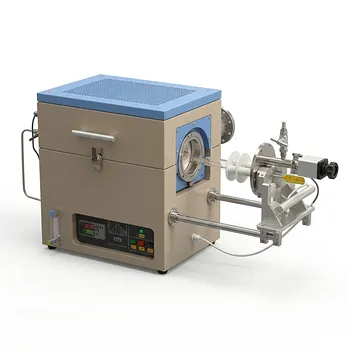
Compact Atmosphere Controlled Rapid Thermal Processing RTP Furnace with 4 Inch ID Quartz Tube 1100C
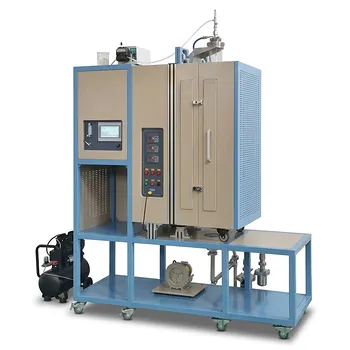
1500C Three Zone Vertical Pyrolysis Furnace for Nanoparticle Synthesis and Advanced Oxide Coating
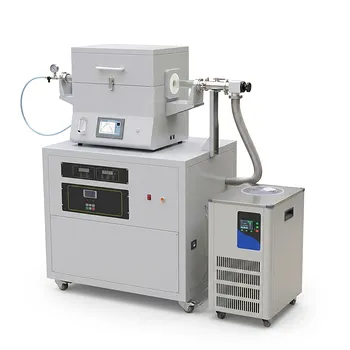
Split Chamber CVD Tube Furnace with Vacuum Station Chemical Vapor Deposition System Machine
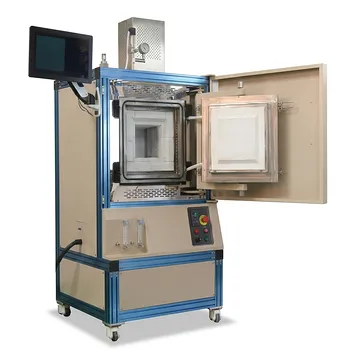
High Temperature Hydrogen Atmosphere Box Furnace 1650C Max Reducing Environment Material Synthesis System 8x8x8 Chamber
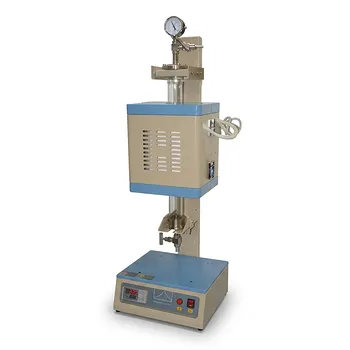
Compact Vertical Split Quartz Tube Furnace with Stainless Steel Vacuum Flanges for Rapid Thermal Quenching and Controlled Atmosphere Material Processing
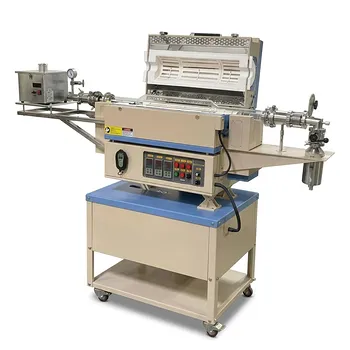
5 Inch Rotary Tube Furnace with Automatic Feeding and Receiving System 1200C Three Zone CVD Powder Processing
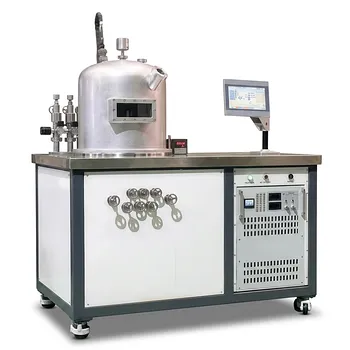
HFCVD Machine System for Nano Diamond Coating on Drawing Dies and Industrial Tools
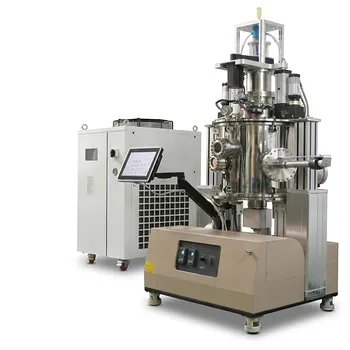
950C Rapid Thermal Processing Furnace for 12 Inch Wafer CSS Coating with Rotating Substrate Holder
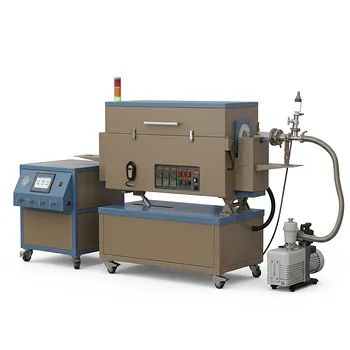
5 Inch Three Zone Rotary Tube Furnace with Integrated Gas Delivery System and 1200C Capability for Advanced Material CVD Processing
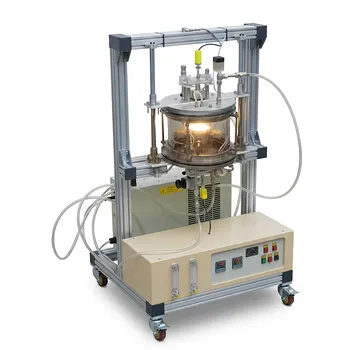
Two Zones CSS Furnace for Rapid Thermal Processing Thin Film Coating 3 Inch Diameter 650C
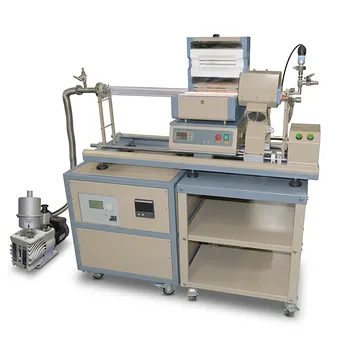
1200C Max Compact Auto-Sliding PECVD Furnace with 2 Inch Tube and Vacuum Pump
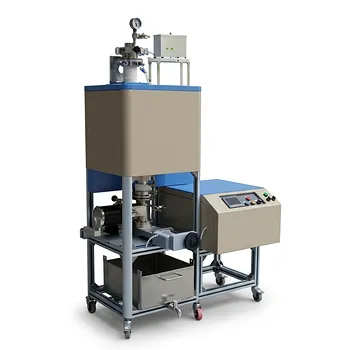
High Temperature 1700C Vertical Tube Furnace for Powder Spherification and Material Sintering
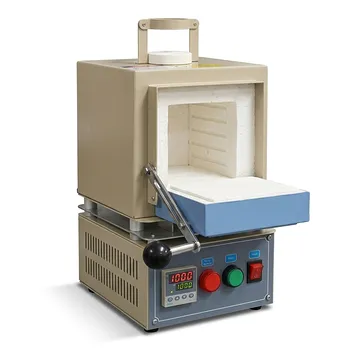
Compact 1000C Muffle Furnace with Programmable Controller and 2 Inch Top Port for Vacuum and Atmosphere Material Research
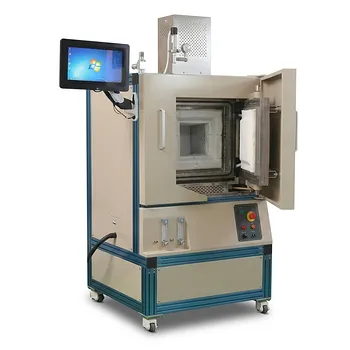
High Temperature Oxygen and Inert Atmosphere Controlled Furnace 8 Liter 1700C Sintering System for Advanced Materials RD
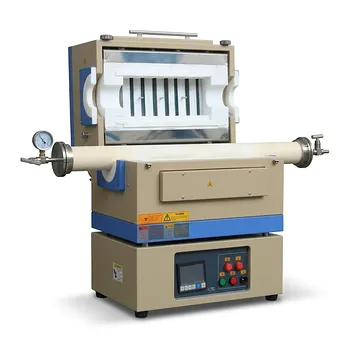
1500C Eight Zone Split Tube Furnace for Thermal Gradient Processing and Advanced Material Research
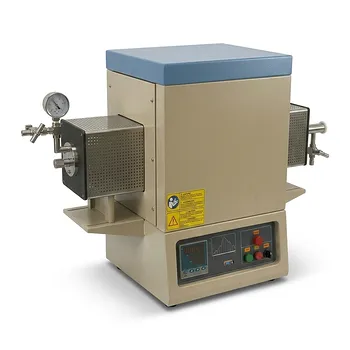
High Temperature 1700C Benchtop Tube Furnace with 5 Inch Heating Zone High Purity Alumina Tube and Vacuum Sealing Flanges
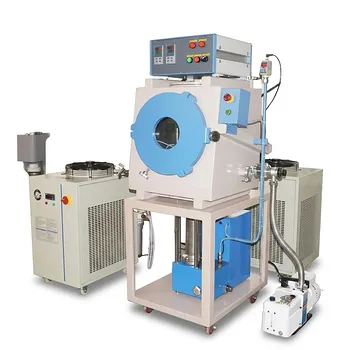
High Temperature Vacuum Lamination Hot Press Furnace Machine for Semiconductor Wafer Bonding and Advanced Composite Thermal Processing
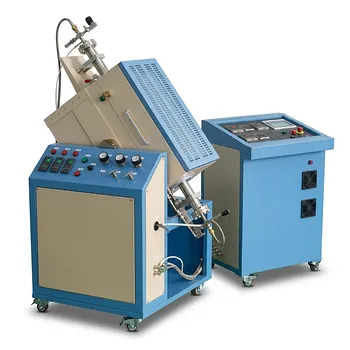
1100C High Pressure Rocking Tube Furnace with 2 Inch Super Alloy Processing Tube for Material Synthesis
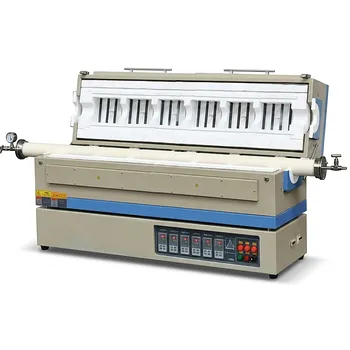
High Temperature 1700C Six Zone Split Tube Furnace with Alumina Tube and Water Cooled Flanges