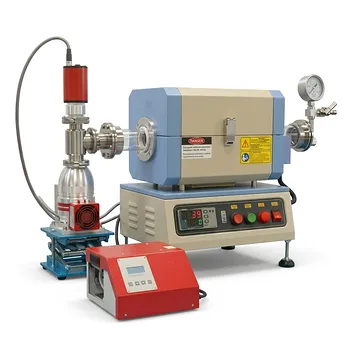
Why is graphite foil added to the inner wall of a quartz tube in a vacuum sublimation furnace? Protect Quartz & Purity
Updated 3 months ago
Graphite foil is primarily added to the inner wall of a quartz tube to prevent purified arsenic vapor from condensing directly onto the reaction tube surface. This removable lining acts as a sacrificial barrier that protects the expensive quartz from corrosion and contamination while significantly simplifying the collection of the final product.
The use of graphite foil in vacuum sublimation creates a protected, removable interface between the processed material and the furnace hardware. This configuration ensures equipment longevity and maximizes the recovery efficiency of volatile substances like arsenic.
Protecting the Quartz Infrastructure
Preventing Direct Condensation
When arsenic transitions from vapor back to solid during the sublimation process, it tends to adhere strongly to the first cool surface it encounters. Without a liner, the arsenic would bond directly to the inner surface of the quartz tube, leading to difficult removal and potential surface damage.
Mitigating Corrosion and Contamination
High-temperature arsenic vapor can be corrosive to laboratory glass and quartz over repeated cycles. The graphite foil serves as a protective shield, absorbing the chemical impact and preventing the quartz from becoming etched or weakened by the reactive vapor.
Extending Equipment Lifespan
Quartz tubes are expensive and fragile components of a vacuum furnace. By using a removable graphite lining, operators reduce the mechanical stress and chemical wear on the quartz, significantly extending the operational life of the high-temperature assembly.
Optimizing Product Recovery and Maintenance
Facilitating Product Collection
Collecting condensed arsenic from a rigid quartz tube is a delicate and often inefficient process. Because the graphite foil is flexible and removable, it can be extracted in its entirety, allowing for the easy harvest of the purified material without risking breakage of the primary tube.
Simplifying the Cleaning Process
Cleaning residual deposits from the interior of a fixed furnace tube is labor-intensive and requires specialized chemical or mechanical methods. The foil system allows for rapid turnaround times; the old foil is simply removed for cleaning or replacement, and a fresh sheet is inserted for the next run.
Maintaining High Purity Standards
Graphite is highly stable in a vacuum and does not react negatively with the arsenic or the furnace environment. Its presence ensures that the purified product remains free from silica contamination that might otherwise occur if the arsenic was scraped directly off the quartz walls.
The Technical Advantages of Graphite
Thermal Stability in Vacuum
Graphite remains structurally sound and thermally stable at temperatures reaching up to 2400 degrees Celsius in a vacuum. This makes it an ideal material for lining furnaces that operate under extreme heat where other materials would melt or outgas.
Chemical Environment Control
In many high-temperature applications, graphite acts as a sacrificial deoxidizer, reacting with residual oxygen to maintain a reducing atmosphere. This chemical property helps prevent the oxidation of the processed material, ensuring the final product maintains its intended chemical state.
Understanding the Trade-offs
Physical Handling and Fragility
While graphite foil is highly effective, it is also relatively thin and can be prone to tearing during installation or removal. Careful handling is required to ensure the foil remains flush against the quartz wall to prevent vapor bypass.
Potential for Material Sticking
In some high-temperature processes, materials may still bond to the graphite surface. In these specific cases, secondary treatments like boron nitride coatings are often applied to the foil to act as a release agent, ensuring the product separates cleanly.
Applying This Strategy to Your Process
Implementation Advice
- If your primary focus is equipment longevity: Use high-purity graphite foil to prevent corrosive vapors from making any direct contact with the quartz tube walls.
- If your primary focus is maximum product yield: Ensure the foil lining is seamlessly fitted to the tube's interior to prevent arsenic vapor from condensing behind the foil.
- If your primary focus is process speed: Maintain a stock of pre-cut graphite liners to allow for immediate tube reloading while the previous batch's foil is being processed for recovery.
By integrating graphite foil as a sacrificial lining, you transform a potentially destructive condensation process into an efficient, repeatable material recovery cycle.
Summary Table:
| Feature | Purpose of Graphite Foil | Benefit to User |
|---|---|---|
| Equipment Protection | Acts as a sacrificial barrier against corrosive vapors | Extends the lifespan of expensive quartz tubes |
| Product Recovery | Provides a flexible, removable surface for condensation | Simplifies harvesting of materials like arsenic |
| Contamination Control | Prevents bonding between product and silica walls | Ensures high purity and prevents silica leaching |
| Thermal Performance | Maintains stability in high vacuum up to 2400°C | Provides a reliable interface for extreme heat runs |
| Process Efficiency | Allows for rapid liner replacement between batches | Reduces maintenance downtime and cleaning labor |
Optimize Your Thermal Processing with THERMUNITS
Are you looking to enhance the efficiency and longevity of your high-temperature laboratory processes? THERMUNITS is a leading manufacturer specializing in advanced equipment for material science and industrial R&D. We provide the precision and durability required for complex applications like vacuum sublimation and chemical vapor deposition.
Our comprehensive range of solutions includes:
- Laboratory Furnaces: Muffle, Vacuum, Atmosphere, Tube, and Dental Furnaces.
- Advanced Systems: CVD/PECVD systems, Hot Press furnaces, and Vacuum Induction Melting (VIM) furnaces.
- Industrial Equipment: Rotary furnaces and electric rotary kilns.
- Components: High-quality Thermal Elements and custom heat treatment hardware.
Maximize your product yield and protect your infrastructure. Our experts are ready to provide technical support and tailored equipment solutions to meet your specific research goals.
Contact THERMUNITS Today to Get a Quote
References
- Zibin Zuo, Baoqiang Xu. Removal of Antimony from Industrial Crude Arsenic by Vacuum Sublimation: Combination of Thermodynamics and Ab Initio Molecular Dynamics. DOI: 10.3390/met14050490
Mentioned Products
- High Temperature Vacuum Lamination Hot Press Furnace Machine for Semiconductor Wafer Bonding and Advanced Composite Thermal Processing
- High Temperature 1000C Vacuum Furnace with 8 Inch ID Chamber for Material Sintering and Research Annealing
- High Temperature 1700C Vertical Tube Furnace for Powder Spherification and Material Sintering
- High Vacuum Pressure Chamber Furnace 800C 3.5 Bar Sintering System for Superconducting Materials
- High Temperature Cold Wall Vacuum Furnace for Advanced Material Sintering and Annealing 1600C Heating Area 200x200x300mm
People Also Ask
- What types of heating systems and insulation are used in Vacuum Hot Press Furnaces? Optimize Your Thermal Processing
- What is a Vacuum Hot Press Furnace and what are its primary industrial applications? Achieve Maximum Material Density
- What are the structural features of the furnace body and chamber in a Vacuum Hot Press Furnace? Master Material Density
- Why is graphite the preferred material for dies and heating elements in Vacuum Hot Press Furnaces? High-Temp Solutions
- What are the primary operational components and mechanisms of a vacuum hot press furnace? A Technical Breakdown

Tech Team · ThermUnits
Last updated on Jun 03, 2026
Related Products
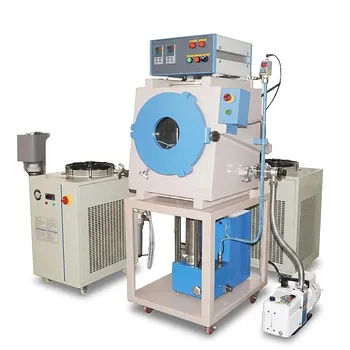
High Temperature Vacuum Lamination Hot Press Furnace Machine for Semiconductor Wafer Bonding and Advanced Composite Thermal Processing
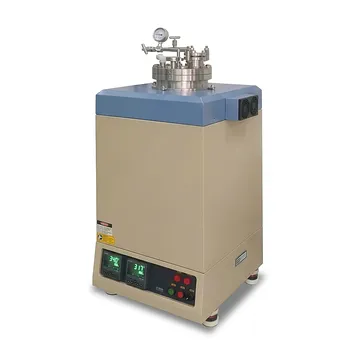
High Temperature 1000C Vacuum Furnace with 8 Inch ID Chamber for Material Sintering and Research Annealing

High Temperature 1700C Vertical Tube Furnace for Powder Spherification and Material Sintering
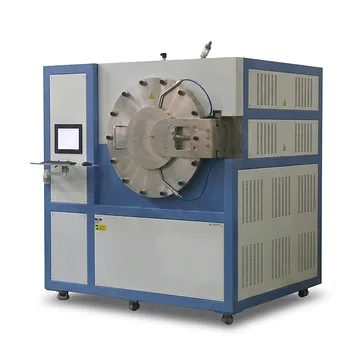
High Vacuum Pressure Chamber Furnace 800C 3.5 Bar Sintering System for Superconducting Materials
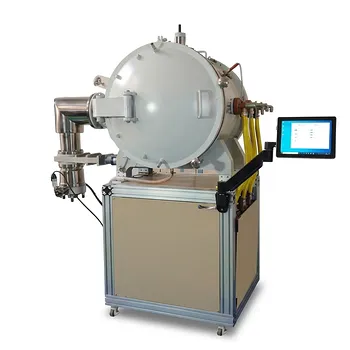
High Temperature Cold Wall Vacuum Furnace for Advanced Material Sintering and Annealing 1600C Heating Area 200x200x300mm
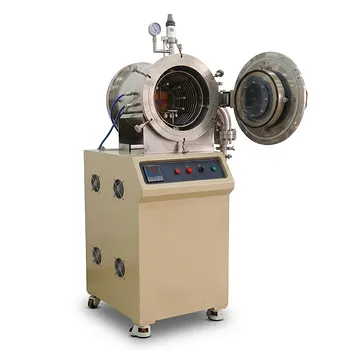
High Temperature Cold Wall High Vacuum Chamber Furnace 1400C for Advanced Material Processing
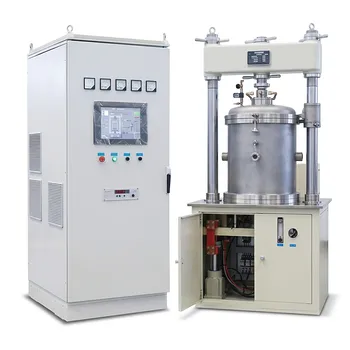
Industrial Vacuum Hot Press Furnace Machine and High Temperature Heated Vacuum Press for Advanced Material Sintering
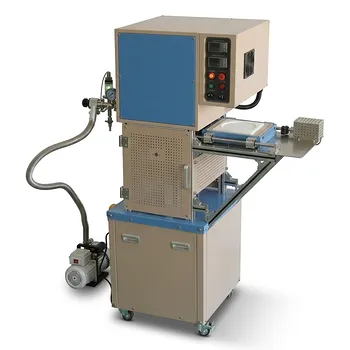
1200°C Bottom Loading Vacuum Furnace with Rapid Gas Cooling and 8.6 Inch Diameter Quartz Chamber
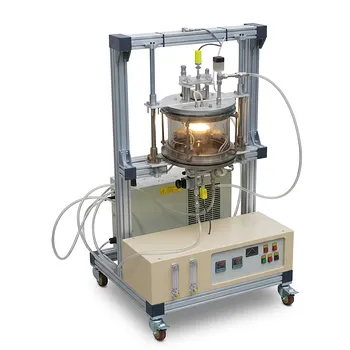
Two Zones CSS Furnace for Rapid Thermal Processing Thin Film Coating 3 Inch Diameter 650C
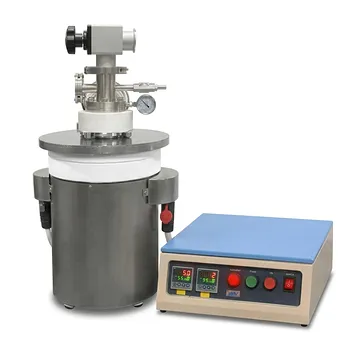
1100C High Temperature Vacuum Crucible Furnace with Quartz Chamber for Thermal Processing and Sintering
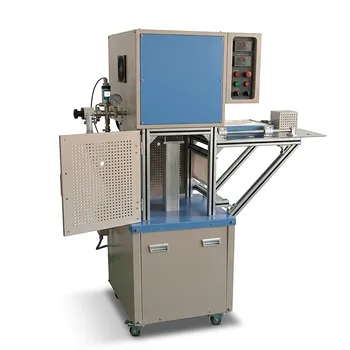
Bottom Loading Vacuum Furnace 1200C Rapid Cooling Atmosphere Control Quartz Chamber
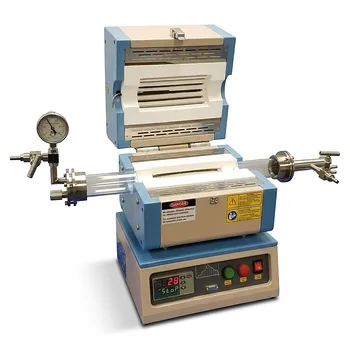
Compact Split Tube Furnace with Integrated Vacuum System and Precision Temperature Calibrator
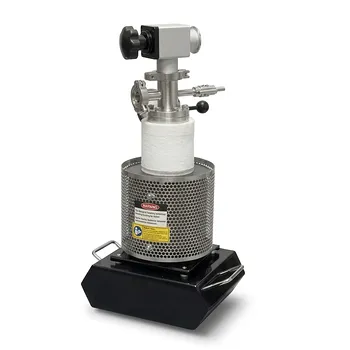
High Temperature 1100C Compact Top Loading Vertical Vacuum Tube Furnace for High Vacuum Noble Metal Melting and Material Research
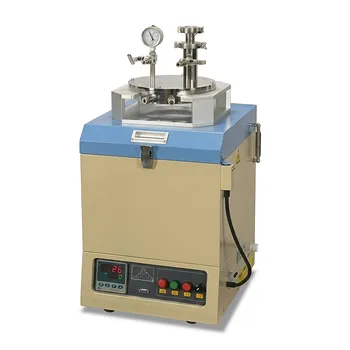
Vertical Vacuum Furnace 1100C High Temperature 8 Inch Quartz Chamber Water Cold Flange System
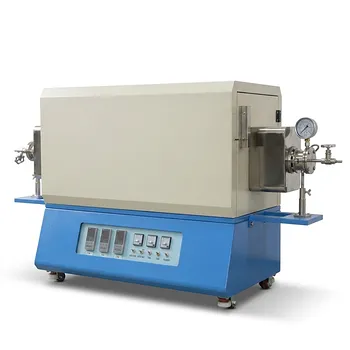
Three Temperature Zone High Temperature Vacuum Tube Furnace for CVD and Material Sintering
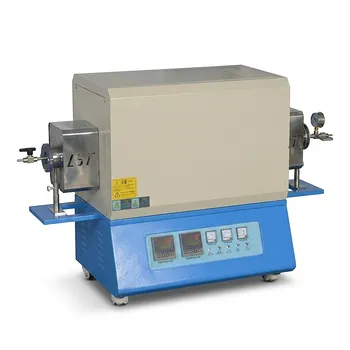
High Temperature Dual Zone Vacuum Tube Furnace for Material Research and CVD Processing

1800C High Temperature Compact Vacuum Tube Furnace with 60mm OD Alumina Tube and Kanthal MoSi2 Heating Elements
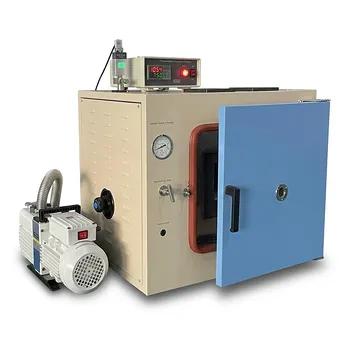
Compact High Vacuum Box Furnace 1050C Max 6.2L Ceramic Chamber Stainless Steel Shell Programmable Temperature Controller for Material Science Research
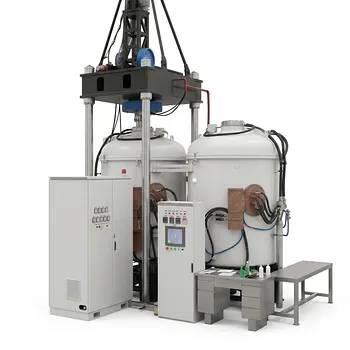
High Pressure 600T Vacuum Induction Hot Press Furnace for Advanced Material Heat Treatment and Sintering