Why is high-temperature vacuum baking required for Prussian Blue (PB) cathode materials before battery assembly? Key for Stability
Updated 3 months ago
High-temperature vacuum baking is the critical safeguard against structural failure and chemical degradation in Prussian Blue (PB) batteries.
This process is mandatory because the open framework of Prussian Blue materials is highly susceptible to absorbing atmospheric moisture. By applying vacuum baking at temperatures around 120°C, manufacturers can effectively remove both free and crystalline water trapped within the material's pores. Eliminating this moisture is vital to prevent electrolyte decomposition and lattice collapse, ensuring the battery remains stable under high-voltage conditions.
Core Takeaway: Vacuum baking dehydrates the Prussian Blue framework to remove latent moisture that would otherwise trigger destructive chemical reactions or structural instability during the battery's charge-discharge cycles.
The Vulnerability of the Open Framework Structure
Atmospheric Moisture Absorption
Prussian Blue cathode materials possess an inherently porous, open-frame molecular structure. While this architecture allows for efficient ion transport, it also acts as a powerful desiccant that aggressively attracts water molecules from the air.
The Complexity of Crystalline Water
Unlike surface moisture, "crystalline water" is chemically integrated into the material's lattice. Simple air-drying is insufficient to dislodge these molecules, requiring targeted thermal energy to break the bonds and clear the pores.
Chemical and Structural Consequences of Residual Water
Preventing Electrolyte Decomposition
In a sealed battery cell, residual water reacts violently with modern electrolytes, often leading to gas generation and harmful acidic byproducts. Removing moisture through baking ensures that the electrolyte remains chemically stable and does not degrade the internal components.
Avoiding Lattice Collapse
Water molecules occupying the pores of the active material can interfere with the insertion and extraction of ions. This interference often leads to "lattice collapse," where the material’s structure literally breaks down during cycling, resulting in rapid capacity loss.
Ensuring High-Voltage Stability
Batteries operating at high voltages are particularly sensitive to impurities. Vacuum baking ensures the material is pure enough to withstand these high-energy states without undergoing unintended oxidation or side reactions.
The Role of the Vacuum Environment
Lowering the Boiling Point
The use of a vacuum allows moisture to transition into a gaseous state at much lower temperatures than would be required at atmospheric pressure. This allows for deep dehydration without subjecting the Prussian Blue material to excessive heat that could damage its structure.
Purifying the Active Material
Similar to how industrial graphite is baked at extreme temperatures to remove impurity gases, vacuum baking PB materials purifies the cathode source. This creates a "clean" environment that prevents interference during long-term high-temperature diffusion.
Understanding the Technical Trade-offs
Temperature Sensitivity
While 120°C is a standard benchmark, exceeding the thermal limits of the specific Prussian Blue variant can lead to thermal decomposition. Precision control is necessary to balance complete dehydration with the preservation of the material’s chemical identity.
Energy and Equipment Requirements
Maintaining high-grade vacuum conditions at scale requires significant industrial energy and specialized furnace equipment. This adds to the complexity and cost of the manufacturing process compared to less sensitive cathode materials.
Optimizing the Baking Process for Your Goal
Before assembly, the baking protocol should be tailored to the specific performance requirements of the final battery application.
- If your primary focus is Maximum Cycle Life: Prioritize longer baking durations at stable temperatures to ensure every trace of crystalline water is removed from the deep lattice pores.
- If your primary focus is High-Voltage Performance: Emphasize the vacuum depth to ensure all residual impurity gases are evacuated, preventing electrolyte oxidation.
- If your primary focus is Manufacturing Throughput: Utilize optimized vacuum ramps to reach the 120°C threshold quickly while monitoring for material off-gassing to ensure efficiency.
Strict adherence to vacuum baking protocols is the foundation of a reliable and high-performing Prussian Blue battery system.
Summary Table:
| Process Factor | Impact of Residual Moisture | Benefit of Vacuum Baking (120°C) |
|---|---|---|
| Structural Integrity | Lattice collapse during cycling | Removes crystalline water; preserves framework |
| Chemical Stability | Electrolyte decomposition & gas generation | Prevents acidic byproducts & internal pressure |
| Voltage Performance | Oxidation & unintended side reactions | Ensures purity for high-voltage stability |
| Material Purity | Impurity gases interfere with diffusion | Deep dehydration & gas evacuation |
Elevate Your Battery R&D with Precision Thermal Solutions
Achieving the perfect dehydration protocol for Prussian Blue cathode materials requires absolute temperature uniformity and deep vacuum control. THERMUNITS is a leading manufacturer of high-temperature laboratory equipment specifically designed for material science and industrial R&D.
We offer a comprehensive range of thermal processing solutions to optimize your battery manufacturing workflow, including:
- High-Vacuum & Atmosphere Furnaces for precise moisture removal.
- Muffle, Tube, and Rotary Furnaces for versatile material synthesis.
- CVD/PECVD Systems for advanced thin-film coatings.
- Hot Press & Vacuum Induction Melting (VIM) Furnaces for specialized alloy development.
Whether you are refining cathode stability or scaling up production, our expert team is ready to provide the high-performance heating technology you need.
Contact THERMUNITS today to find the perfect furnace for your lab!
References
- Danni Du, Rutao Wang. Pre-lithiation carbon anodes mitigating potassium loss for high-performance potassium-ion energy storage devices. DOI: 10.1039/d4ta06451h
Mentioned Products
- High Temperature 1000C Vacuum Furnace with 8 Inch ID Chamber for Material Sintering and Research Annealing
- High Vacuum Compact Tube Furnace 1200C with Integrated Turbo Pump System and 8 Inch Heating Zone
- Bottom Loading Vacuum Furnace 1200C Rapid Cooling Atmosphere Control Quartz Chamber
- High Temperature Cold Wall High Vacuum Chamber Furnace 1400C for Advanced Material Processing
- Ultra High Temperature Induction Heated Vacuum Furnace with Molten Salt Electrolysis Capability and 3000 Degree Precision Control
People Also Ask
- How does the temperature control precision of a high-temperature sintering furnace affect Na1+xLa1-xZr2O6-δ ceramics?
- How does a high-temperature sintering furnace environment enhance NdFeB magnets? Achieve 98%+ density with precision.
- What role does a high-temperature annealing furnace play in forming ordered Pt3(CoNi) intermetallic catalysts?
- What is the function of high-vacuum furnaces in (Mo2/3V1/3)n+1AlCn MAX phase synthesis? Ensure Purity & Diffusion.
- How does a vacuum or atmosphere sintering furnace contribute to the congener-welding process of carbon nitride membranes?

Tech Team · ThermUnits
Last updated on Jun 03, 2026
Related Products
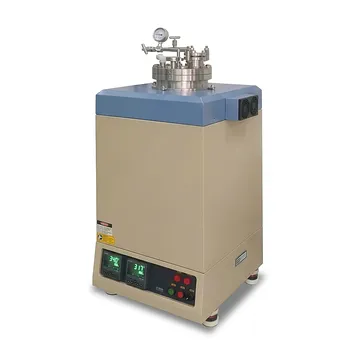
High Temperature 1000C Vacuum Furnace with 8 Inch ID Chamber for Material Sintering and Research Annealing
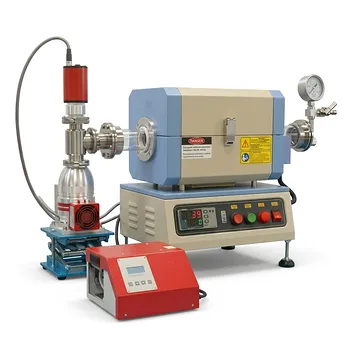
High Vacuum Compact Tube Furnace 1200C with Integrated Turbo Pump System and 8 Inch Heating Zone
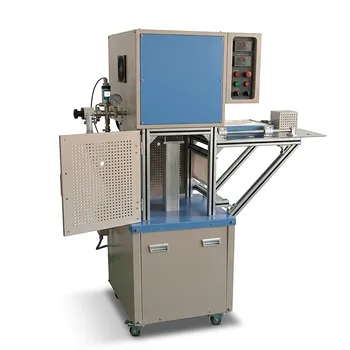
Bottom Loading Vacuum Furnace 1200C Rapid Cooling Atmosphere Control Quartz Chamber
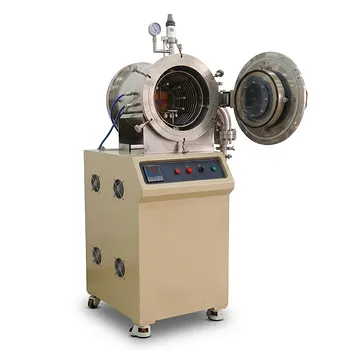
High Temperature Cold Wall High Vacuum Chamber Furnace 1400C for Advanced Material Processing
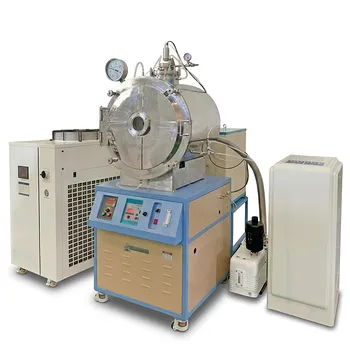
Ultra High Temperature Induction Heated Vacuum Furnace with Molten Salt Electrolysis Capability and 3000 Degree Precision Control
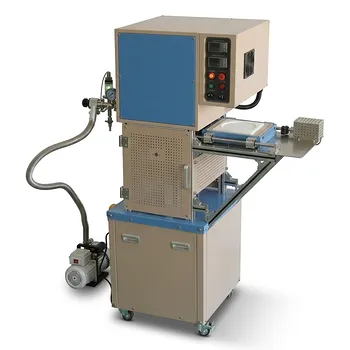
1200°C Bottom Loading Vacuum Furnace with Rapid Gas Cooling and 8.6 Inch Diameter Quartz Chamber
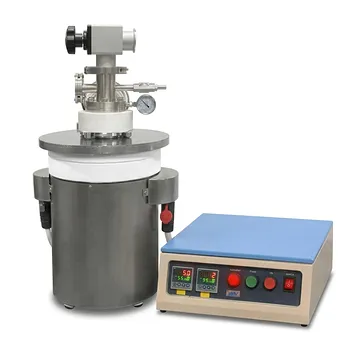
1100C High Temperature Vacuum Crucible Furnace with Quartz Chamber for Thermal Processing and Sintering
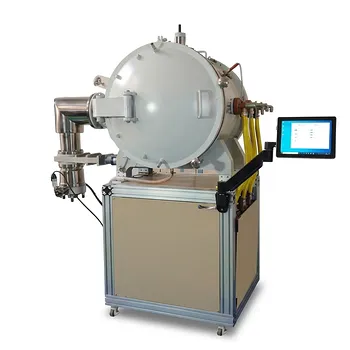
High Temperature Cold Wall Vacuum Furnace for Advanced Material Sintering and Annealing 1600C Heating Area 200x200x300mm

Vertical 1700C Vacuum and Atmosphere Tube Furnace with 80mm Alumina Tube
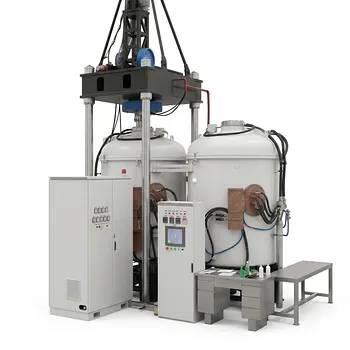
High Pressure 600T Vacuum Induction Hot Press Furnace for Advanced Material Heat Treatment and Sintering
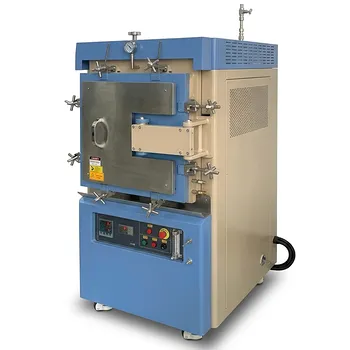
Atmosphere Controlled Muffle Furnace 1700C Maximum Temperature 80L High Capacity Vacuum Inert Gas Box Furnace

1800C High Temperature Compact Vacuum Tube Furnace with 60mm OD Alumina Tube and Kanthal MoSi2 Heating Elements
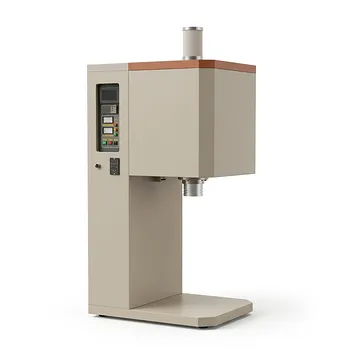
Vertical Openable Tube Furnace 0-1700c High Temperature Laboratory System for CVD and Vacuum Heat Treatment
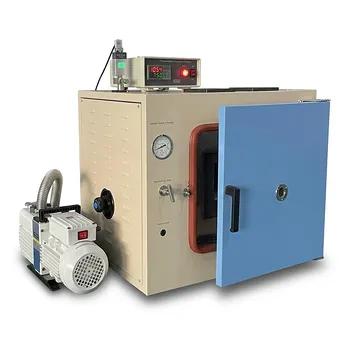
Compact High Vacuum Box Furnace 1050C Max 6.2L Ceramic Chamber Stainless Steel Shell Programmable Temperature Controller for Material Science Research
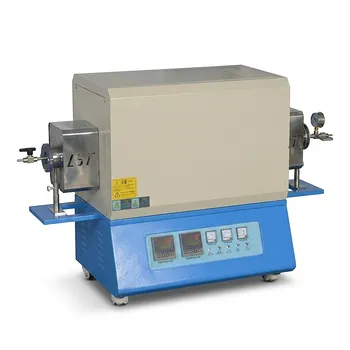
High Temperature Dual Zone Vacuum Tube Furnace for Material Research and CVD Processing

Compact Vertical Split Quartz Tube Furnace with Stainless Steel Vacuum Flanges for Rapid Thermal Quenching and Controlled Atmosphere Material Processing
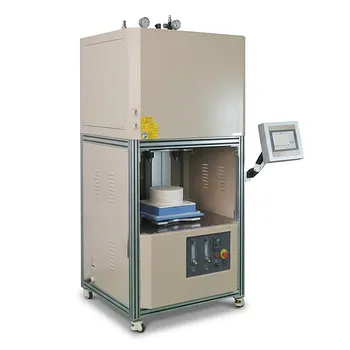
High Temperature Vertical Atmosphere Controlled Furnace 1700C Automatic Bottom Loading 13 Liter Vacuum Thermal System

1200°C 5 Inch Vertical Quartz Tube Furnace with Stainless Steel Vacuum Flanges
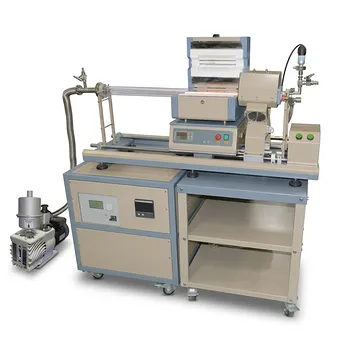
1200C Max Compact Auto-Sliding PECVD Furnace with 2 Inch Tube and Vacuum Pump
