Why flush equipment with nitrogen for SCA-CVD MOF growth? Master High-Purity Synthesis with Inert Atmosphere Control
Updated 3 months ago
Eliminating atmospheric contaminants is the critical first step in ensuring a successful SCA-CVD process. Flushing the equipment with ultra-purity nitrogen removes oxygen and moisture that would otherwise interfere with the delicate coordination chemistry required for Metal-Organic Framework (MOF) growth. This process ensures that metal sources and organic ligands react according to the intended pathway rather than undergoing premature oxidation or degradation.
Core Takeaway: Nitrogen purging establishes an essential anaerobic and anhydrous environment, acting as a safeguard for the chemical integrity of the precursors. Without this inert atmosphere, the reaction cannot achieve the precise coordination necessary for high-quality MOF single crystals.
The Chemical Necessity of an Inert Atmosphere
Preventing Metal Source Oxidation
The metal sources used in MOF synthesis are often highly reactive and susceptible to premature oxidation when exposed to oxygen. If oxygen is present in the chamber, the metal atoms may form oxides rather than coordinating with organic ligands. This redirection of the chemical pathway results in impure phases and prevents the formation of the desired MOF structure.
Protecting Organic Ligand Integrity
Organic ligands are the structural "linkers" of a MOF, and their stability is paramount for successful growth. Moisture and oxygen can cause these ligands to fail through hydrolysis or oxidative degradation before the reaction is complete. Nitrogen flushing ensures the ligands remain chemically active and available for bonding with the metal centers.
Controlling the Reaction Environment
Establishing a dry, oxygen-free atmosphere allows for precise control over the Self-Condensation Assisted mechanism. By removing unpredictable variables like humidity, researchers can ensure that the condensation and vapor deposition stages occur under standardized conditions. This consistency is vital for reproducing experimental results.
Impact on Crystal Quality and Consistency
Ensuring Proper Coordination Chemistry
MOF growth is a sensitive coordination reaction that requires specific geometric arrangements between atoms. The presence of even trace amounts of water molecules can compete with ligands for metal binding sites. This competition disrupts the lattice formation, leading to structural defects or amorphous solids instead of crystalline frameworks.
Achieving High-Purity Single Crystals
To obtain high-quality single crystals, the growth environment must be strictly regulated. Nitrogen purging clears the gas lines and the reaction chamber of residual air, ensuring that the final product is free from contaminants. This level of purity is necessary for the resulting MOFs to exhibit their intended porosity and surface area properties.
Drawing Parallels with Other High-Purity Syntheses
Similar to the production of titanium nitrides, where oxygen would force the creation of titanium oxide instead of the desired composite, MOF synthesis risks total phase failure without inert gas protection. In both cases, the nitrogen serves as a protective blanket that preserves the chemical identity of the precursors during heat treatment.
Understanding the Trade-offs and Operational Risks
The Cost of Ultra-Purity
While necessary, the use of ultra-purity nitrogen increases the operational cost of the CVD process. Using lower-grade nitrogen might seem economical, but the trace impurities can still lead to "poisoning" of the reaction site. The trade-off is a higher upfront cost for gas versus the high risk of a failed, expensive experimental run.
Gas Line "Dead Zones"
Simply starting the flow of nitrogen is often insufficient if the system design includes dead zones or stagnant pockets. If the flushing period is too short or the flow rate is poorly calibrated, residual oxygen may remain trapped in the corners of the chamber. This can lead to localized defects in the MOF film, even if the bulk of the chamber is purged.
System Leakage Vulnerabilities
Flushing the system does not compensate for a poorly sealed reaction chamber. If the quartz tube or gas fittings have micro-leaks, the positive pressure of nitrogen may not be enough to prevent back-diffusion of atmospheric air. Regular vacuum testing is required alongside nitrogen purging to ensure the environment remains truly anaerobic.
How to Apply This to Your Project
Recommendations for Success
- If your primary focus is Maximum Crystal Crystallinity: Prioritize an extended purge cycle of at least 20-30 minutes to ensure every trace of moisture is stripped from the chamber walls.
- If your primary focus is Throughput and Speed: Use a high-flow initial purge followed by a steady-state low-flow nitrogen environment to maintain pressure while minimizing gas consumption.
- If your primary focus is Cost-Efficiency: Ensure your system is vacuum-tight first, as a well-sealed system requires less ultra-purity nitrogen to maintain the necessary inert environment.
By strictly maintaining an anhydrous and anaerobic environment through nitrogen flushing, you secure the chemical pathway required for high-performance MOF synthesis.
Summary Table:
| Factor | Risk of Contamination | Benefit of Nitrogen Flushing |
|---|---|---|
| Metal Sources | Premature oxidation and impure phases | Ensures intended coordination pathways |
| Organic Ligands | Hydrolysis and oxidative degradation | Maintains chemical stability for bonding |
| Atmosphere | Humidity and oxygen interference | Establishes anaerobic/anhydrous conditions |
| Crystal Quality | Structural defects and amorphous solids | Facilitates high-purity single crystal growth |
Elevate Your MOF Research with THERMUNITS Thermal Solutions
Achieving precise coordination in SCA-CVD requires uncompromising atmospheric control. THERMUNITS is a leading manufacturer specializing in high-temperature laboratory equipment for material science and industrial R&D. We offer a comprehensive range of thermal processing solutions designed to maintain the inert environments your research demands.
Our product lineup includes:
- Advanced CVD/PECVD Systems specifically designed for thin-film and framework growth.
- Vacuum, Atmosphere, and Tube Furnaces for rigorous anaerobic heat treatments.
- Muffle, Rotary, and Hot Press Furnaces for diverse material processing.
- Specialized Equipment: Dental furnaces, VIM systems, and high-quality thermal elements.
Don't let atmospheric contaminants compromise your crystal quality. Partner with THERMUNITS to secure the chemical integrity of your precursors and achieve reproducible, high-performance results.
Contact our technical experts today to find your ideal solution!
References
- Lingxin Luo, Jian Zheng. Self-condensation-assisted chemical vapour deposition growth of atomically two-dimensional MOF single-crystals. DOI: 10.1038/s41467-024-48050-5
Mentioned Products
- Versatile Chemical Vapor Deposition Tube Furnace System for Advanced Material Research and Industrial Coating Processes
- Multi Heating Zones CVD Tube Furnace System for Precision Chemical Vapor Deposition and Advanced Material Synthesis
- Chemical Vapor Deposition CVD System Slide PECVD Tube Furnace with Liquid Gasifier PECVD Machine
- Vertical Openable Tube Furnace 0-1700c High Temperature Laboratory System for CVD and Vacuum Heat Treatment
- Split Chamber CVD Tube Furnace with Vacuum Station Chemical Vapor Deposition System Machine
People Also Ask
- How does a sliding rail design benefit the CVD process within a furnace ventilation hood? Enhance Control & Quenching
- What role do by-product desorption and evacuation play in CVD film quality? Key Factors for High-Purity Films
- How does the deposition process occur within a Chemical Vapor Deposition (CVD) reactor? Explore the 5-Stage Growth Cycle
- Why is CVD preferred over PVD for high-aspect-ratio features? Superior Conformality for Semiconductor Fabrication
- How do temperature regimes influence the growth rate of films in a CVD system? Master CVD Kinetics for Superior Thin Films

Tech Team · ThermUnits
Last updated on Jun 02, 2026
Related Products
Versatile Chemical Vapor Deposition Tube Furnace System for Advanced Material Research and Industrial Coating Processes
Multi Heating Zones CVD Tube Furnace System for Precision Chemical Vapor Deposition and Advanced Material Synthesis
Chemical Vapor Deposition CVD System Slide PECVD Tube Furnace with Liquid Gasifier PECVD Machine
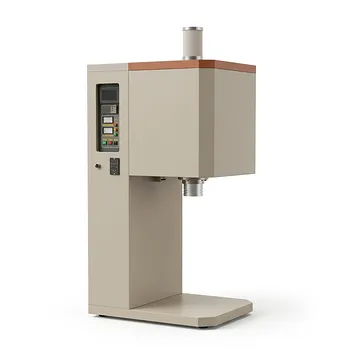
Vertical Openable Tube Furnace 0-1700c High Temperature Laboratory System for CVD and Vacuum Heat Treatment
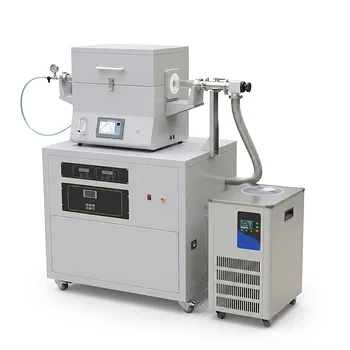
Split Chamber CVD Tube Furnace with Vacuum Station Chemical Vapor Deposition System Machine
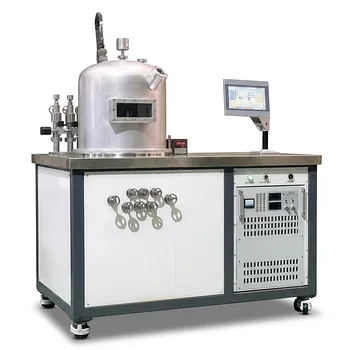
HFCVD Machine System for Nano Diamond Coating on Drawing Dies and Industrial Tools
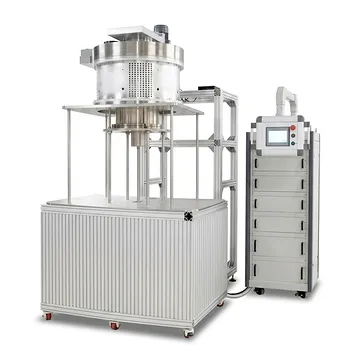
915MHz MPCVD Diamond Machine Microwave Plasma Chemical Vapor Deposition System Reactor
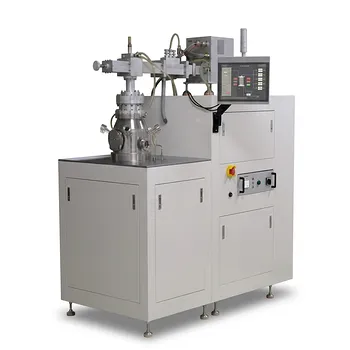
Cylindrical Resonator MPCVD Machine System for Microwave Plasma Chemical Vapor Deposition and Lab Diamond Growth
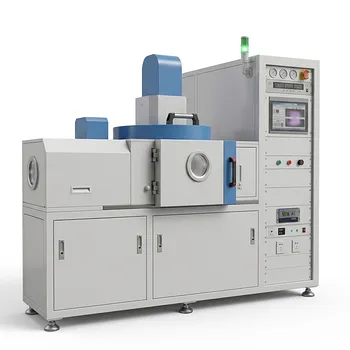
Radio Frequency Plasma Enhanced Chemical Vapor Deposition RF PECVD System for Laboratory and Industrial Thin Film Growth
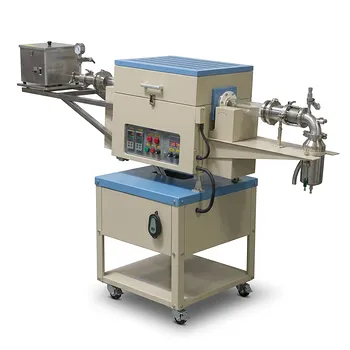
Two Zone Rotary CVD Furnace with Automatic Feeding and Receiving System for Powder Processing
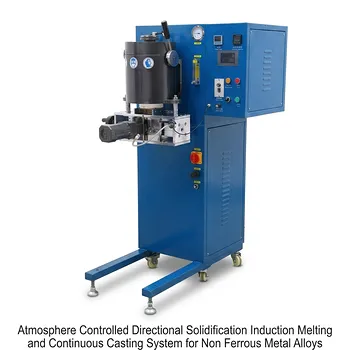
Atmosphere Controlled Directional Solidification Induction Melting and Continuous Casting System for Non Ferrous Metal Alloys
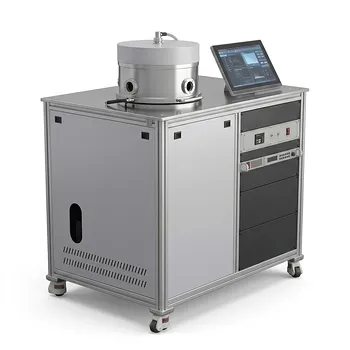
Inclined Rotary Plasma Enhanced Chemical Vapor Deposition PECVD System for Thin Film Deposition and Nanomaterial Synthesis
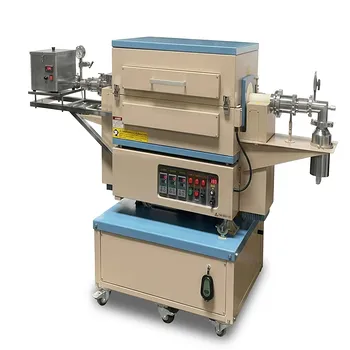
1500C 3-Zone Rotary Tube Furnace 60mm with Automatic Powder Feeding and Receiving System for Continuous Material Synthesis

High Temperature 1700C Tube Furnace with High Vacuum Turbomolecular Pump System and Multi Channel Mass Flow Controller Gas Mixer
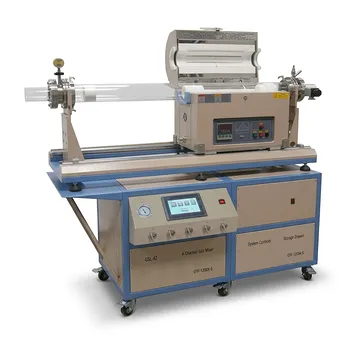
Dual Tube 100mm 80mm CVD Sliding Furnace with 4 Channel Gas Mixing and Vacuum System
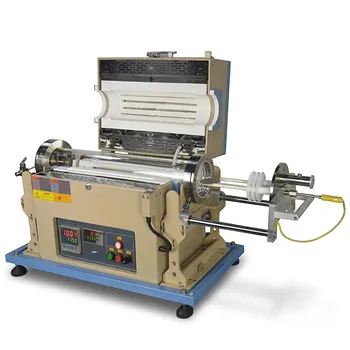
1200°C High Temperature 4 Inch Tube Furnace with Sliding Flange for CVD Systems
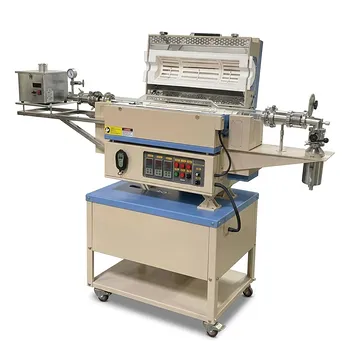
5 Inch Rotary Tube Furnace with Automatic Feeding and Receiving System 1200C Three Zone CVD Powder Processing
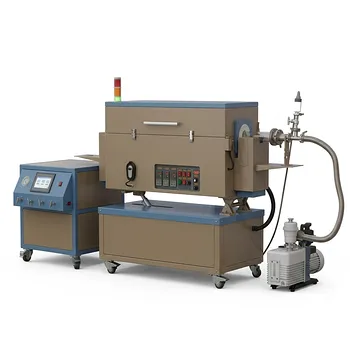
5 Inch Three Zone Rotary Tube Furnace with Integrated Gas Delivery System and 1200C Capability for Advanced Material CVD Processing
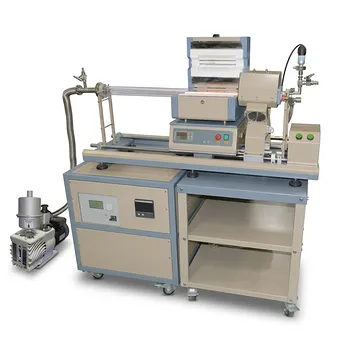
1200C Max Compact Auto-Sliding PECVD Furnace with 2 Inch Tube and Vacuum Pump