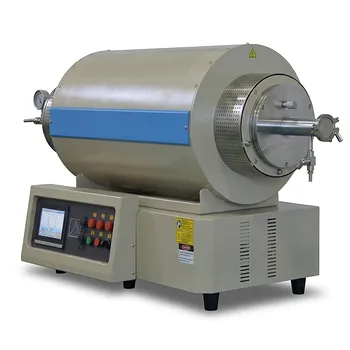
Why is it necessary to introduce high-purity nitrogen into the tube furnace? Prevent BNF Oxidation & Ensure Purity
Updated 3 months ago
The introduction of high-purity nitrogen is a critical requirement to create an inert atmosphere that prevents the oxidative degradation of Hexagonal Boron Nitride Fibers (BNF). Because the chemical reaction between boron and nitrogen is highly sensitive to oxygen, nitrogen acts as a displacement agent to remove air from the furnace chamber. This ensures that the fiber's structural stability is maintained, chemical purity is preserved, and structural defects are minimized during high-temperature processing.
Core Takeaway: High-purity nitrogen serves as both a protective shield and a process stabilizer, ensuring that the heat treatment occurs in an oxygen-free environment to prevent oxidation side-reactions that would otherwise compromise the structural integrity and purity of the boron nitride fibers.
The Critical Role of Atmosphere Control in BNF Synthesis
Preventing High-Temperature Oxidation
At the elevated temperatures required for BNF heat treatment, boron and its intermediate products are highly reactive with oxygen. Introducing high-purity nitrogen displaces ambient air, ensuring that the fibers do not undergo oxidative combustion or form unwanted boron oxides.
Preserving Chemical and Structural Purity
The formation of a hexagonal lattice in boron nitride requires a specific stoichiometric environment. If oxygen is present, it introduces interstitial defects and chemical impurities into the fiber matrix, which significantly degrades the material's thermal and mechanical properties.
Stabilizing the Reaction Environment
Hexagonal Boron Nitride Fibers are extremely sensitive to their surroundings during the transition phases of heat treatment. A continuous flow of nitrogen maintains a stable, inert equilibrium, allowing the boron-nitrogen bonds to form systematically without interference from atmospheric contaminants.
Secondary Benefits of Nitrogen Flow
Removal of Volatile By-products
During heat treatment, various volatile by-products and gaseous impurities are often released from the raw materials. The continuous flow of nitrogen acts as a scavenging agent, carrying these vapors away from the sample to prevent re-deposition and equipment corrosion.
Enhancing Reaction Homogeneity
A steady gas flow helps to distribute heat more evenly across the furnace chamber and ensures that any sublimated precursors are uniformly distributed. This results in fibers with consistent morphology and predictable performance characteristics across the entire batch.
Understanding the Trade-offs and Risks
The Risk of Insufficient Purity
Using nitrogen that is not "high-purity" (e.g., containing trace oxygen or moisture) can be counterproductive. Even parts-per-million levels of oxygen can trigger localized oxidation, leading to "pitting" on the fiber surface or weakened structural segments.
Gas Flow Rate Equilibrium
While a high flow rate ensures a clean atmosphere, it can also lead to thermal gradients or the excessive cooling of the sample if not managed correctly. Furthermore, excessively high flow rates might prematurely sweep away necessary reactive vapors before they can contribute to the fiber's growth.
Cost and Complexity
Maintaining a continuous high-purity nitrogen environment increases the operational complexity of the furnace system. It requires precise gas flow control systems and high-quality seals to prevent back-streaming of oxygen into the chamber.
How to Optimize Your Heat Treatment Process
Making the Right Choice for Your Goal
- If your primary focus is Maximum Fiber Strength: Prioritize the highest possible nitrogen purity (99.999% or higher) to eliminate oxygen-induced structural defects.
- If your primary focus is Batch Consistency: Maintain a constant, regulated flow rate to ensure uniform vapor distribution and stable temperature zones throughout the furnace.
- If your primary focus is Equipment Longevity: Ensure the nitrogen flow is sufficient to effectively exhaust corrosive volatile by-products into the filtration system.
Ultimately, the use of high-purity nitrogen transforms the tube furnace from a simple heater into a precision-controlled chemical reactor capable of producing high-performance ceramic fibers.
Summary Table:
| Key Role of Nitrogen | Benefit for Boron Nitride Fibers (BNF) |
|---|---|
| Oxidation Prevention | Displaces oxygen to stop fiber degradation at high temperatures |
| Chemical Purity | Eliminates interstitial defects caused by oxygen and moisture |
| By-product Removal | Scavenges volatile vapors to prevent sample re-deposition |
| Process Stability | Ensures uniform heat distribution and consistent fiber morphology |
Optimize Your Material Synthesis with THERMUNITS Precision Furnaces
Achieving the perfect inert atmosphere for Hexagonal Boron Nitride Fiber production requires reliable, high-performance thermal equipment. As a leading manufacturer of high-temperature laboratory solutions, THERMUNITS offers a comprehensive range of systems—including Tube Furnaces, Atmosphere Furnaces, Vacuum Furnaces, CVD/PECVD systems, and Vacuum Induction Melting Furnaces (VIM)—specifically designed for precise gas control and thermal uniformity.
Whether you are conducting material science research or industrial R&D, our equipment ensures your heat treatment processes remain free from oxidative defects and structural impurities. Contact our experts today to discuss how our thermal processing solutions, including Muffle, Rotary, and Hot Press furnaces, can enhance your laboratory's efficiency and material performance.
References
- Tímea Hegedűs, Zoltán Kónya. Hexagonal boron nitride fibers as ideal catalytic support to experimentally measure the distinct activity of Pt nanoparticles in CO2 hydrogenation. DOI: 10.1016/j.heliyon.2024.e40078
Mentioned Products
- 1750°C High Temperature Benchtop Vacuum Atmosphere Tube Furnace with Kanthal Super 1800 Heating Elements and 60mm Alumina Processing Tube
- Double Temperature Zone Double Cover Tube Furnace for High Temperature CVD and Vacuum Annealing
- 1200C High Throughput Multi Channel Tube Furnace with 50mm Quartz Tubes for Annealing and Material Phase Diagram Research
- High Temperature 1700C Benchtop Tube Furnace with 5 Inch Heating Zone High Purity Alumina Tube and Vacuum Sealing Flanges
- 1200°C 5 Inch Vertical Quartz Tube Furnace with Stainless Steel Vacuum Flanges
People Also Ask
- What core functions does a high-temperature vacuum tube furnace provide? Optimize np-CuSn Sintering & Joint Integrity
- What is the role of a high-temperature tube furnace in the calcination process of ZnO/In2O3 nanocomposites?
- What role does a high-temperature tube furnace play in the sulfidation heat treatment of CoS@C/MXene nanocomposites? Guide
- Why is a high-temperature tube furnace required for CuAlO2 heat treatment? Master Phase Transformation Today
- What role does a high-temperature tube furnace play in executing nitrogen absorption kinetic experiments? Expert Insights

Tech Team · ThermUnits
Last updated on Jun 03, 2026
Related Products
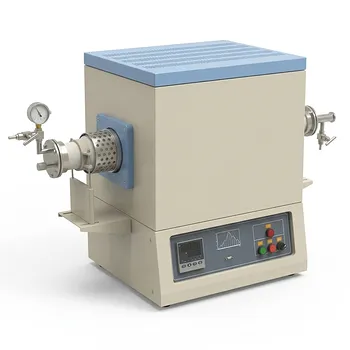
1750°C High Temperature Benchtop Vacuum Atmosphere Tube Furnace with Kanthal Super 1800 Heating Elements and 60mm Alumina Processing Tube
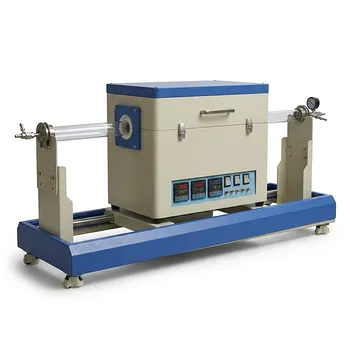
Double Temperature Zone Double Cover Tube Furnace for High Temperature CVD and Vacuum Annealing
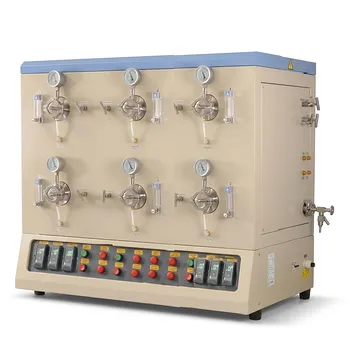
1200C High Throughput Multi Channel Tube Furnace with 50mm Quartz Tubes for Annealing and Material Phase Diagram Research

High Temperature 1700C Benchtop Tube Furnace with 5 Inch Heating Zone High Purity Alumina Tube and Vacuum Sealing Flanges
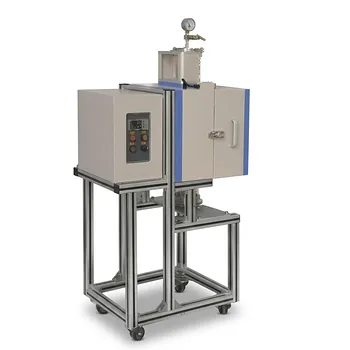
1200°C 5 Inch Vertical Quartz Tube Furnace with Stainless Steel Vacuum Flanges

High Temperature 1700C Vertical Tube Furnace for Powder Spherification and Material Sintering

1800C High Temperature Compact Vacuum Tube Furnace with 60mm OD Alumina Tube and Kanthal MoSi2 Heating Elements
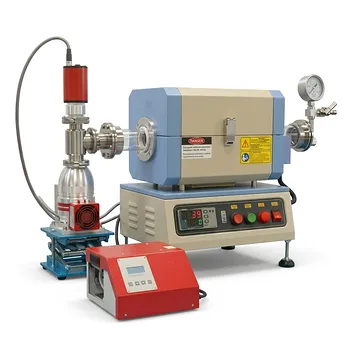
High Vacuum Compact Tube Furnace 1200C with Integrated Turbo Pump System and 8 Inch Heating Zone
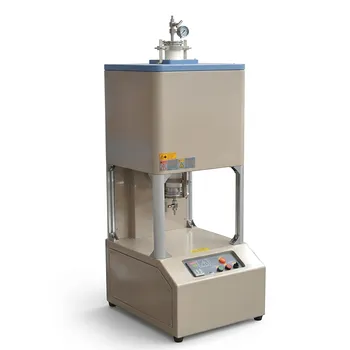
Vertical 1700C Vacuum and Atmosphere Tube Furnace with 80mm Alumina Tube
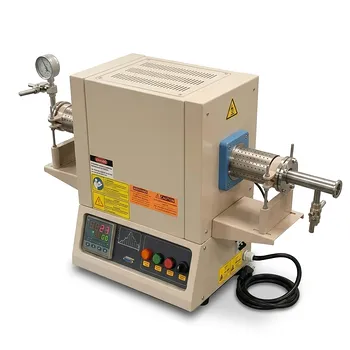
Compact High Temperature 1600C Tube Furnace with 50mm Alumina Tube and Vacuum Flanges for Material Sintering
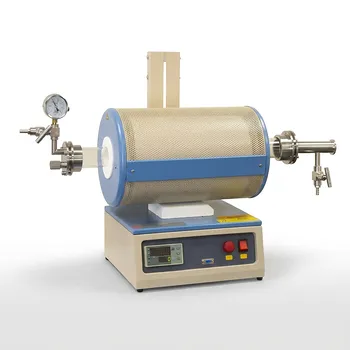
1100C Tube Furnace with Vacuum Flange and Programmable Temperature Controller for Material Science and Industrial Heat Treatment
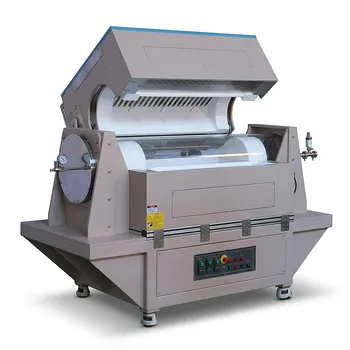
Three Zone Tube Furnace with 11 Inch or 15 Inch Quartz Tube and Hinged Flanges for Vacuum Atmosphere Heat Treatment
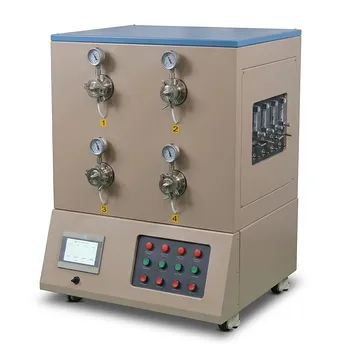
High Throughput 1200C Four Channel Tube Furnace with 3 Inch Quartz Tubes for Multi Zone Annealing and Material Research
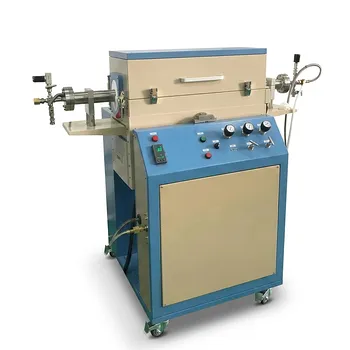
High Temperature Rocking Tube Furnace 1700°C Alumina Processing Tube with Precision Oscillation for Material Synthesis
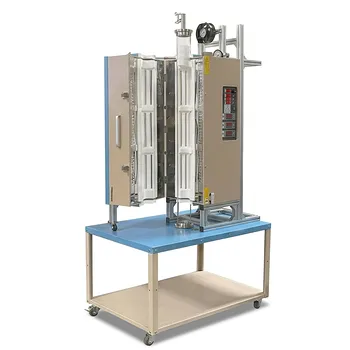
1200C Three Zone Split Vertical Tube Furnace 4 Inch Quartz Tube Stainless Steel Vacuum Flanges
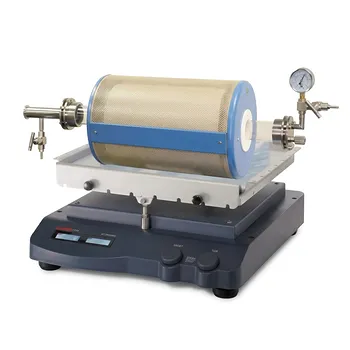
High Temperature Rocking Tube Furnace with Quartz Tube and Vacuum Flange for Materials Synthesis
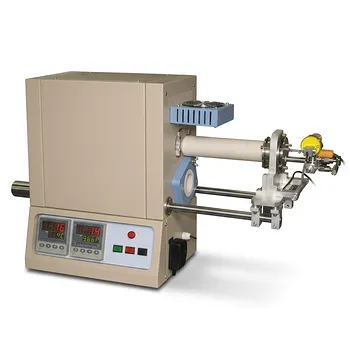
High Temperature Tube Furnace 1500C with Sliding Flanges and 50mm OD for Rapid Thermal Processing Fast Heating and Cooling

High Temperature Automated 5 Inch Tube Furnace for Autonomous Material Research and Advanced Laboratory R&D
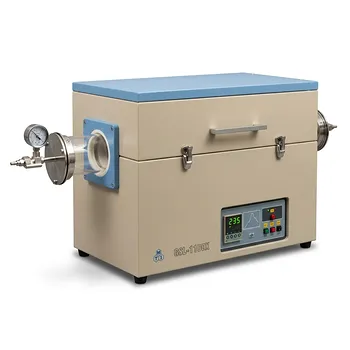
Single Zone Tube Furnace 5 Inch Quartz Tube 36 Inch Heating Zone Vacuum Flanges